
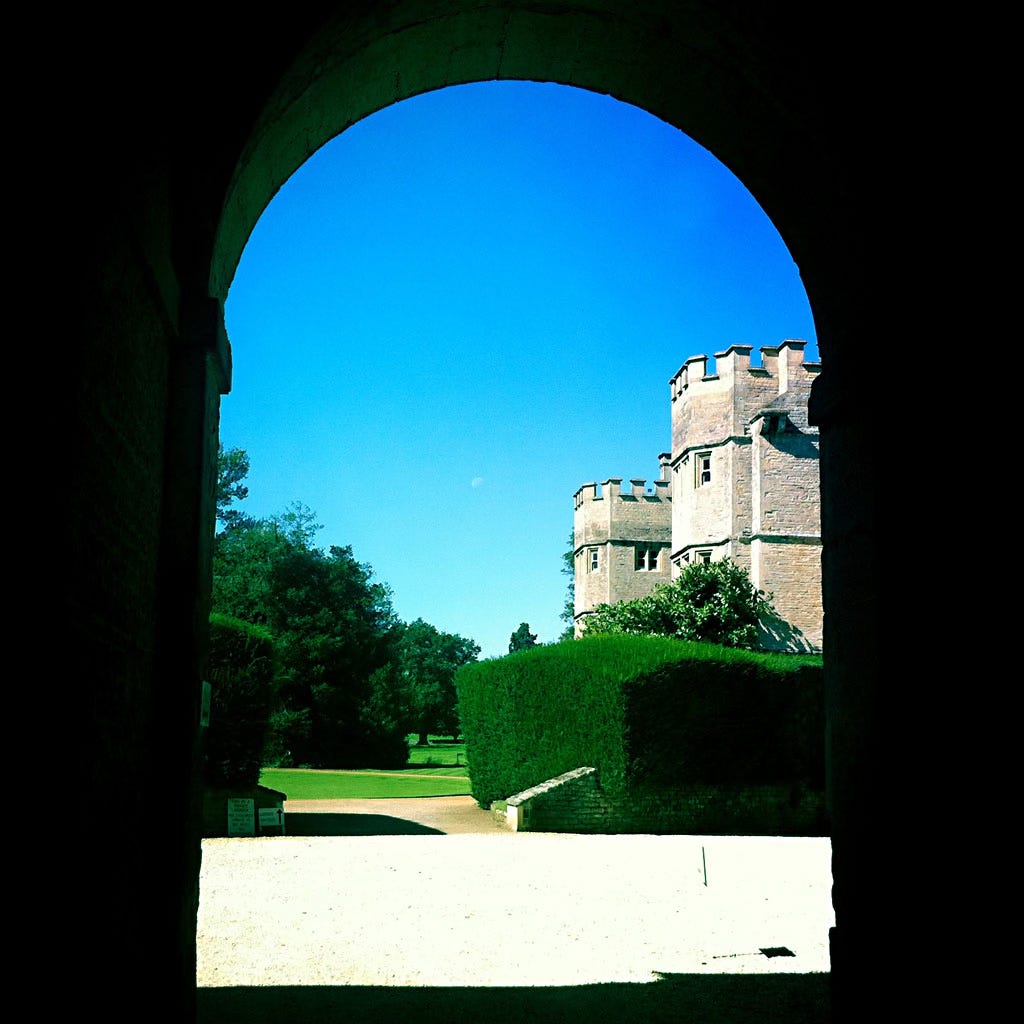
If you’ve ever been to the wonderful gardens by William Kent at Rousham, Oxfordshire, you’ll have noticed the uncompromising sign by the ticket machine at the entrance. “THIS IS A PRIVATE GARDEN. NO CHILDREN UNDER 15. NO DOGS. NO PUSHCHAIRS.” And though I wonder about the advisability of that third exclusion – which starts to make it seem like a very short list implying that, while these three articles are prohibited, bicycles, pogo sticks and banjos might well be enthusiastically welcomed, just for starters – there’s no denying that the owners have a very clear notion of what should and what shouldn’t be sanctioned within the garden’s bounds.
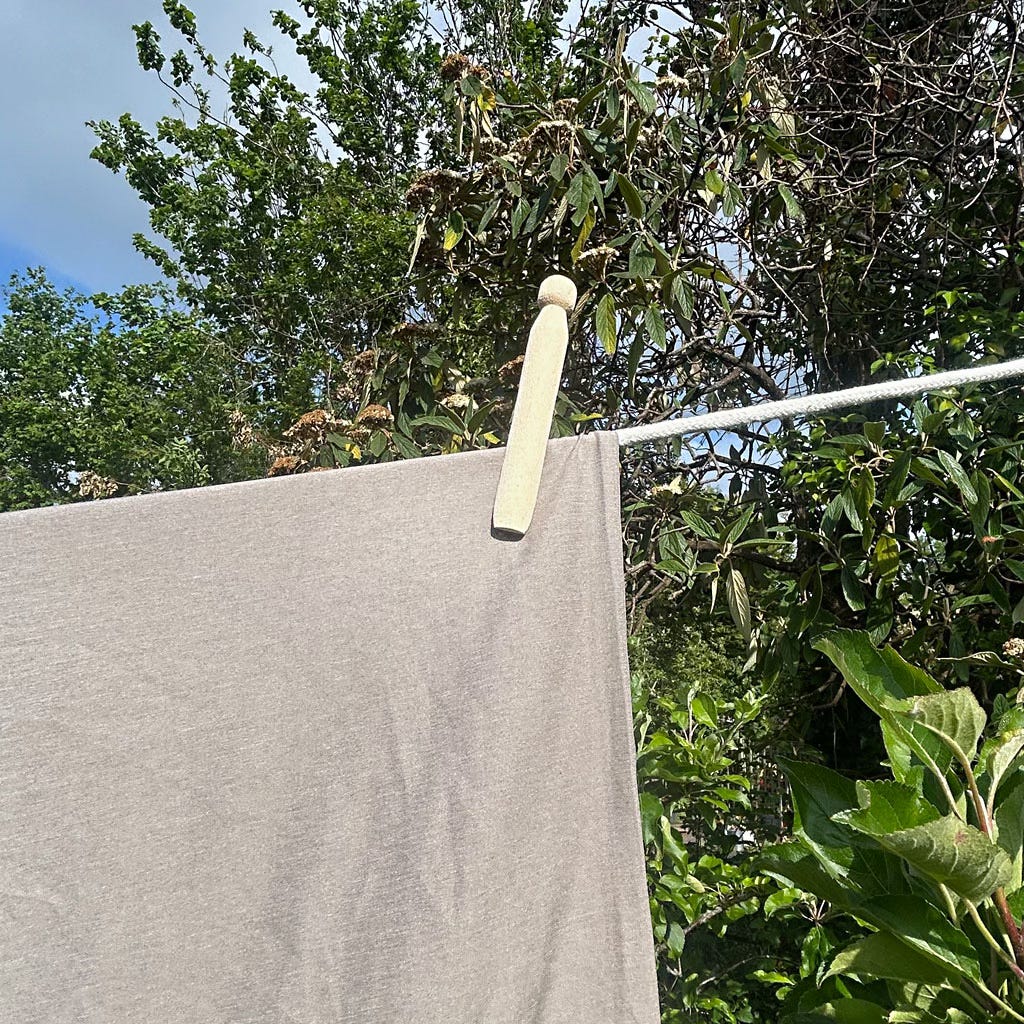
But some things must be tolerated in the garden, for there’s really nowhere else to put them. It’s the horticultural equivalent of the Victorian-sounding belief that children should be seen and not heard1, only in this instance, the offending objects must be permitted, but in such a way as to cause minimal offence. That they should be hidden is the ideal scenario, but in practice, getting a shed to blend in with its surroundings, or camouflaging a trampoline, an oil tank or an air source heat pump is a flex that eludes the best of us.
To say nothing of the rotary clothes drier.
I shuddered typing that last line. At least a trampoline, for all the undeniable offence it causes our aesthetic sensibilities, can be dropped into a hole in the ground while remaining entirely operational. At least – and here’s an important point – at least a trampoline is fun. There’s nothing fun about a rotary clothes drier, and because it needs to be somewhere relatively breezy, and sunny, you can’t even drop it into a hole, however much you might like to. Even if the arrangement of your garden allows you somehow to obfuscate the presence of the thing, by sticking a hedge or a trellis panel up between the object and all right minded people, you still have the fact of it to deal with. A rotary clothes drier is just an unpleasant proposition to be presented with. When it’s erect (and the very fact I have to employ that adjective should tell you all you need to know about whether or not that which it’s describing should be on view in the garden at all), even the very best ones are a hideous mishmash of aluminium and nylon-coated steel wire, and most of the others have rather less in their favour. When it’s collapsed, it’s just as hideous, just as tall and obtrusive, but now the wires are waving about like so much bright green spaghetti, hitting against the metal poles and making ghastly clinking sounds in the wind like some miserable little sailing yacht on the muddy ground of an estuary to which the tide seems distinctly reluctant to return. And in this state it waits, preparing to ensnare in an infuriating tangle anyone who comes near with even the vaguest notion of employing it for its intended purpose.
None of this nonsense belongs in your garden. This space is supposed to be your sanctuary, your haven, your retreat from the jarring intrusions of everyday existence. If we get to say which plants have a pass to grow and which are persona non grata2, we should surely be able to exercise a similar level of discretion when it comes to the objects with which we share such hallowed ground.
Comments
Nothing yet. Say the first thing.
Sign in to join the conversation.