
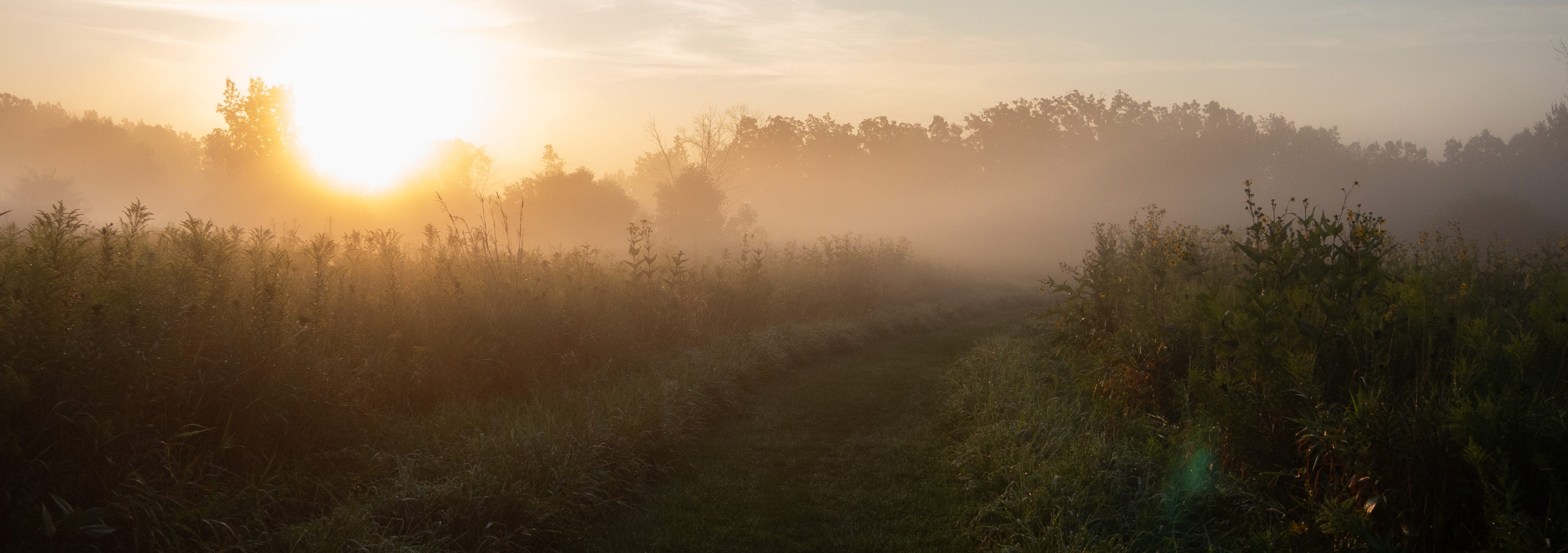
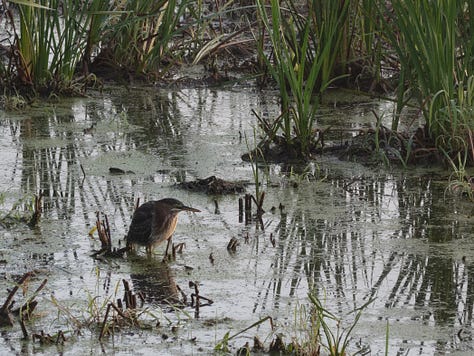
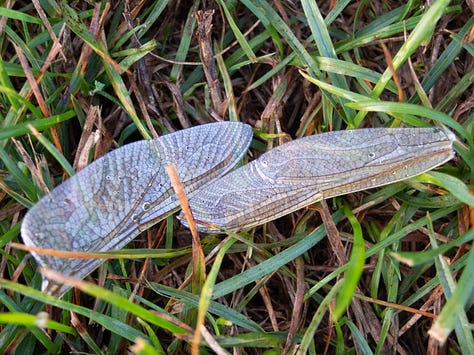
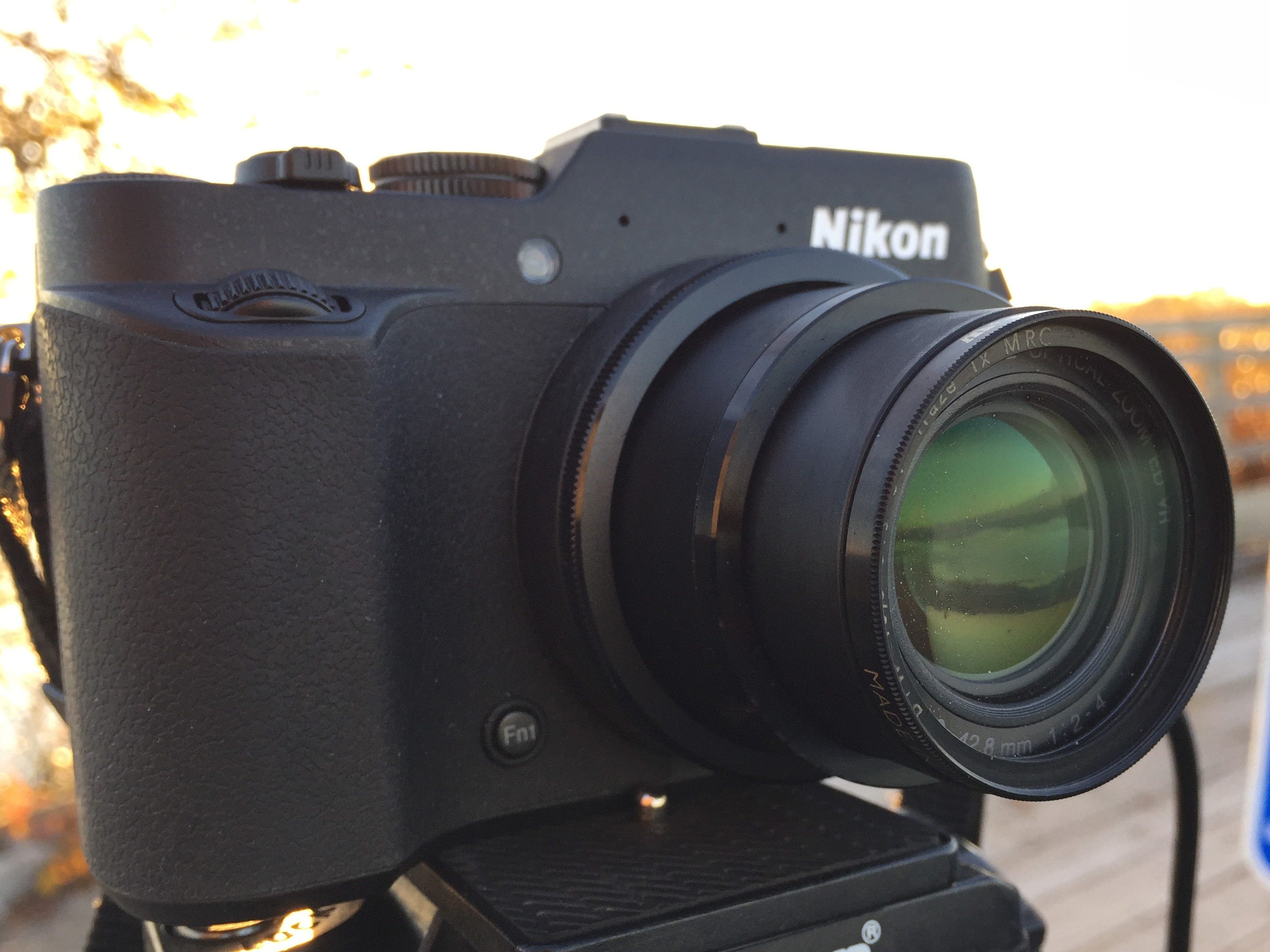
Heading out into the predawn light, I slept in a little. I know I will not make it to my destination before the sun rises at 6:03, but I am not concerned since this is just a stop on my way to work, and I have to work a full day in the field collecting water samples and flow data. I have brought my “good” camera, or so I have thought. In my pre-coffee sleepiness, I have left without my photo gear. I arrived at the Horicon National Wildlife Refuge and realized my mistake. I have a sort of backup camera: my old Nikon point-and-shoot, a Coolpix P7800 I purchased in 2015. It is only half as capable as my main camera, and ten times slower to use. The lens also has a bad scratch from where it took a tumble on a tripod and face-planted into the gravel while shooting a time-lapse of the northern lights, a costly mistake. I have dragged my feet on selling it for parts on eBay for a decade. It still takes good close-ups of plants and their parts and is next to worthless, so why not keep it? The scratch has a severe negative impact on image quality in bright light, especially with the camera pointed towards the sun.
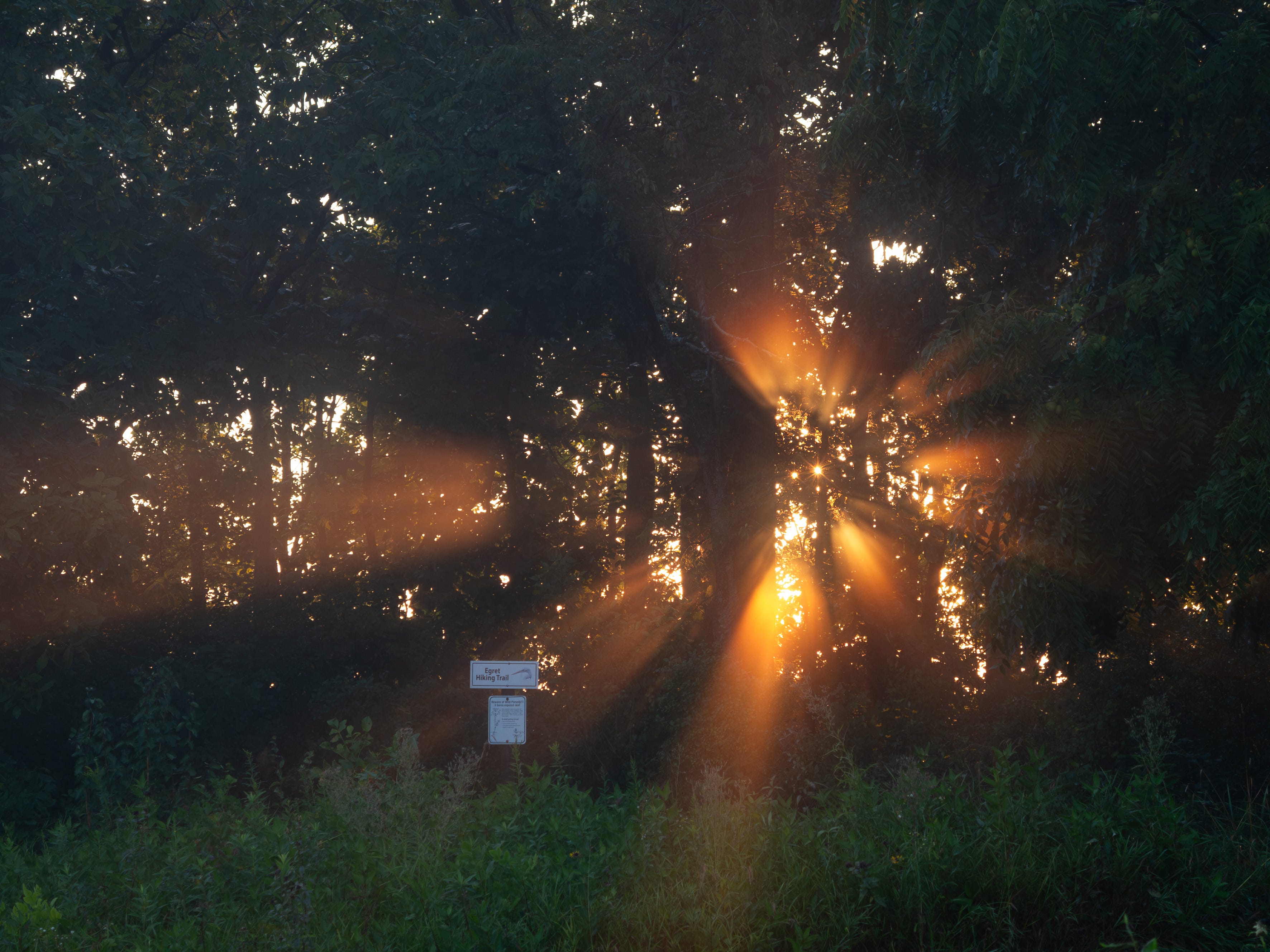
Today, it is all I have, other than my outdated iPhone, and the zoom lens on the Nikon makes it a better choice overall, so I decide to go out and take some plant portraits and see what this broken and obsolete camera is capable of. After all, the best camera is the one you have. While I brought my tripod, I left it in the car, so all these images are shot hand-held.
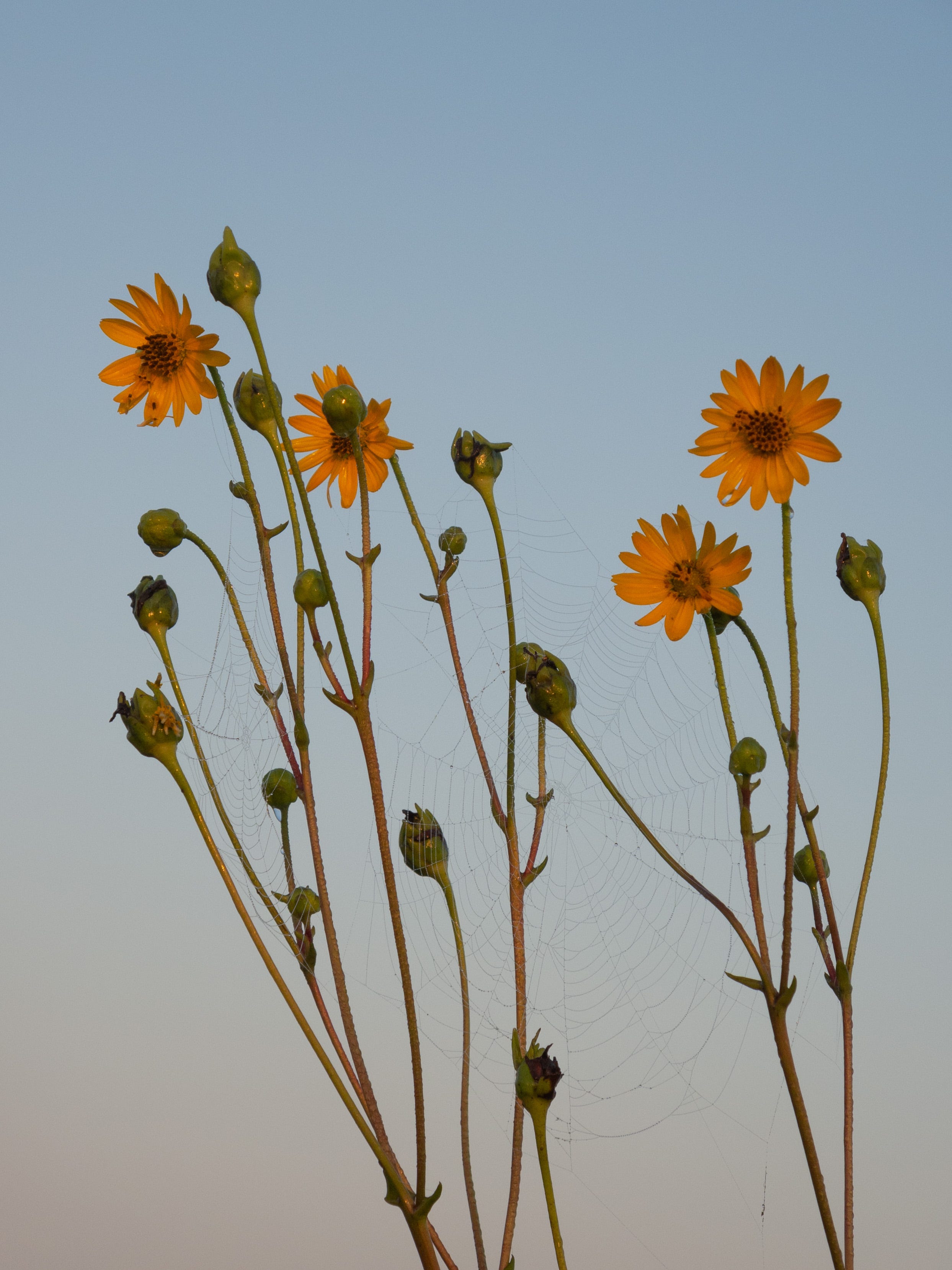
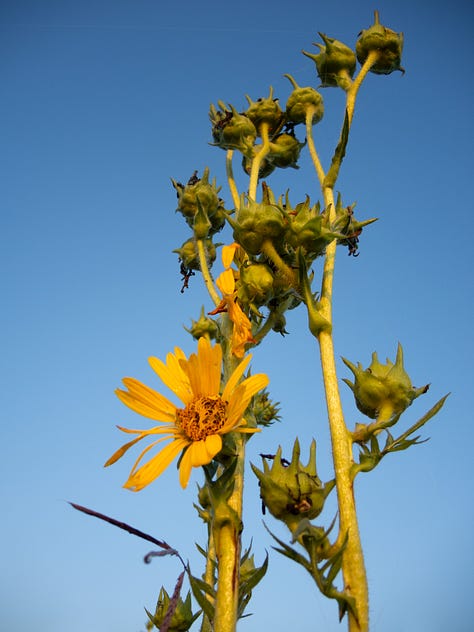
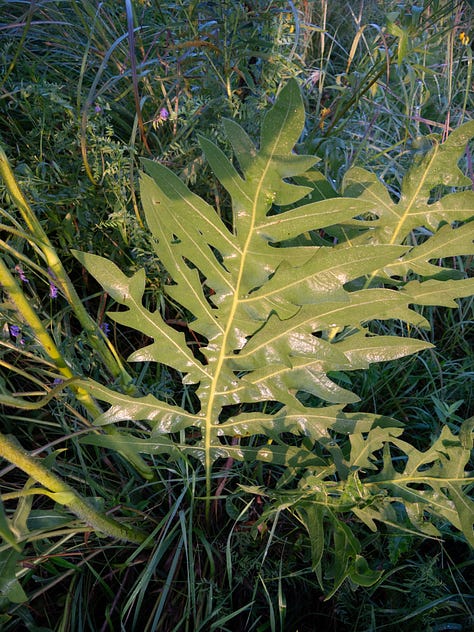
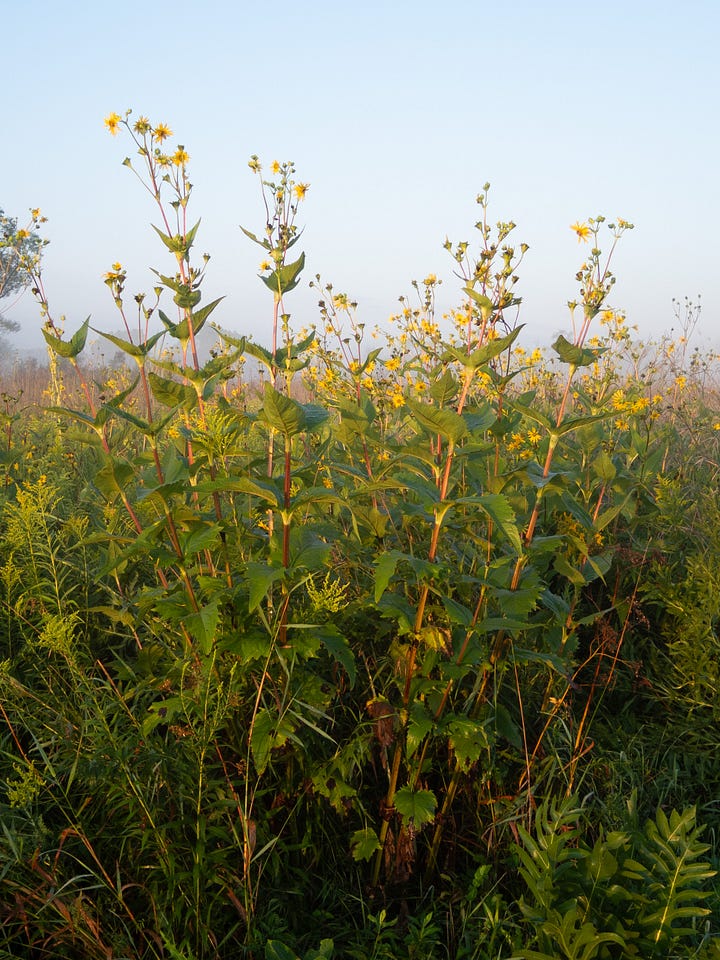
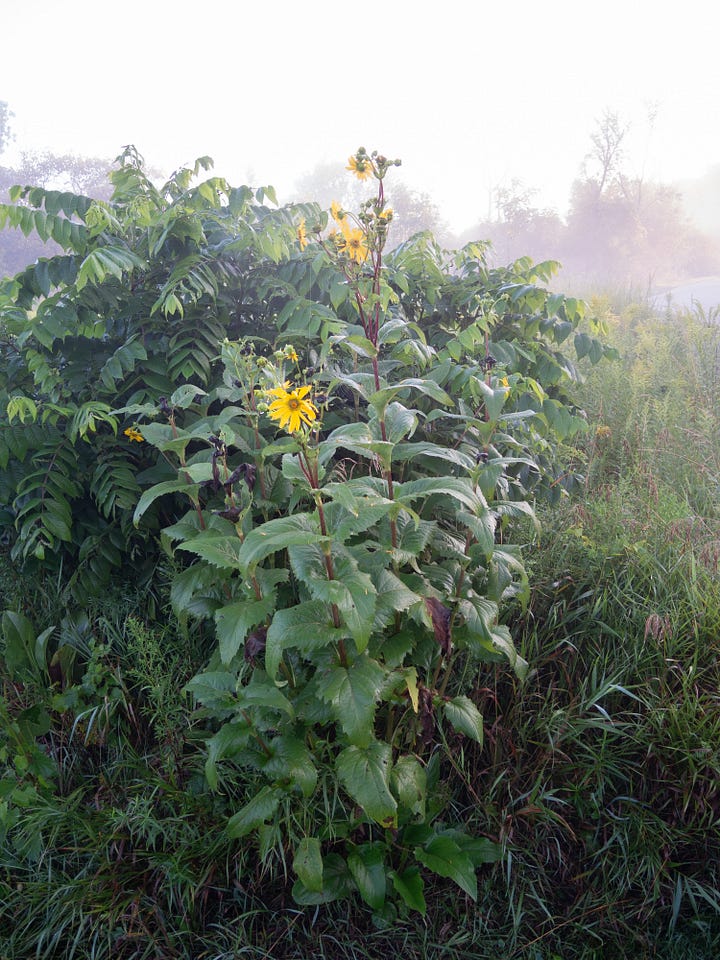
Normally I would head straight to the boardwalk with a telephoto lens, but today I take a walk into the prairie. I am delighted to find three members of one of my favorite plant genera, the Silphiums. Along the trail are Compass Plant, Cup Plant, and Prairie Dock; all are in bloom with their showy yellow flowers. The flowers look roughly the same among species, but are arranged differently. The Leaves, on the other hand, are about as different from each other as can be. Prairie dock has large, low-growing leaves that look like an elephant’s ears. Cup plant’s leaves are arranged into a series of cups along the stem. Compass plants have huge, deeply lobed leaves arranged roughly north-south.
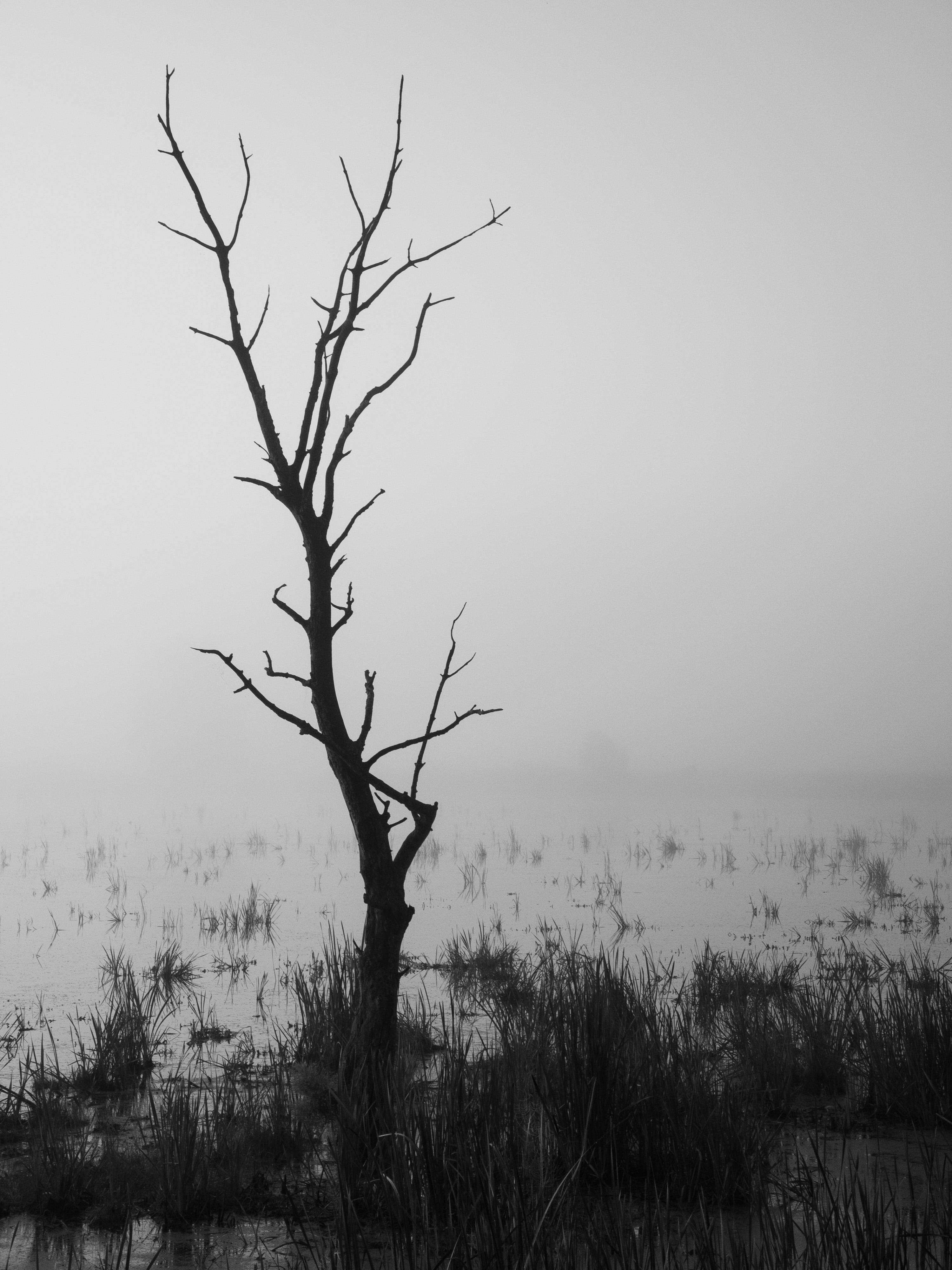
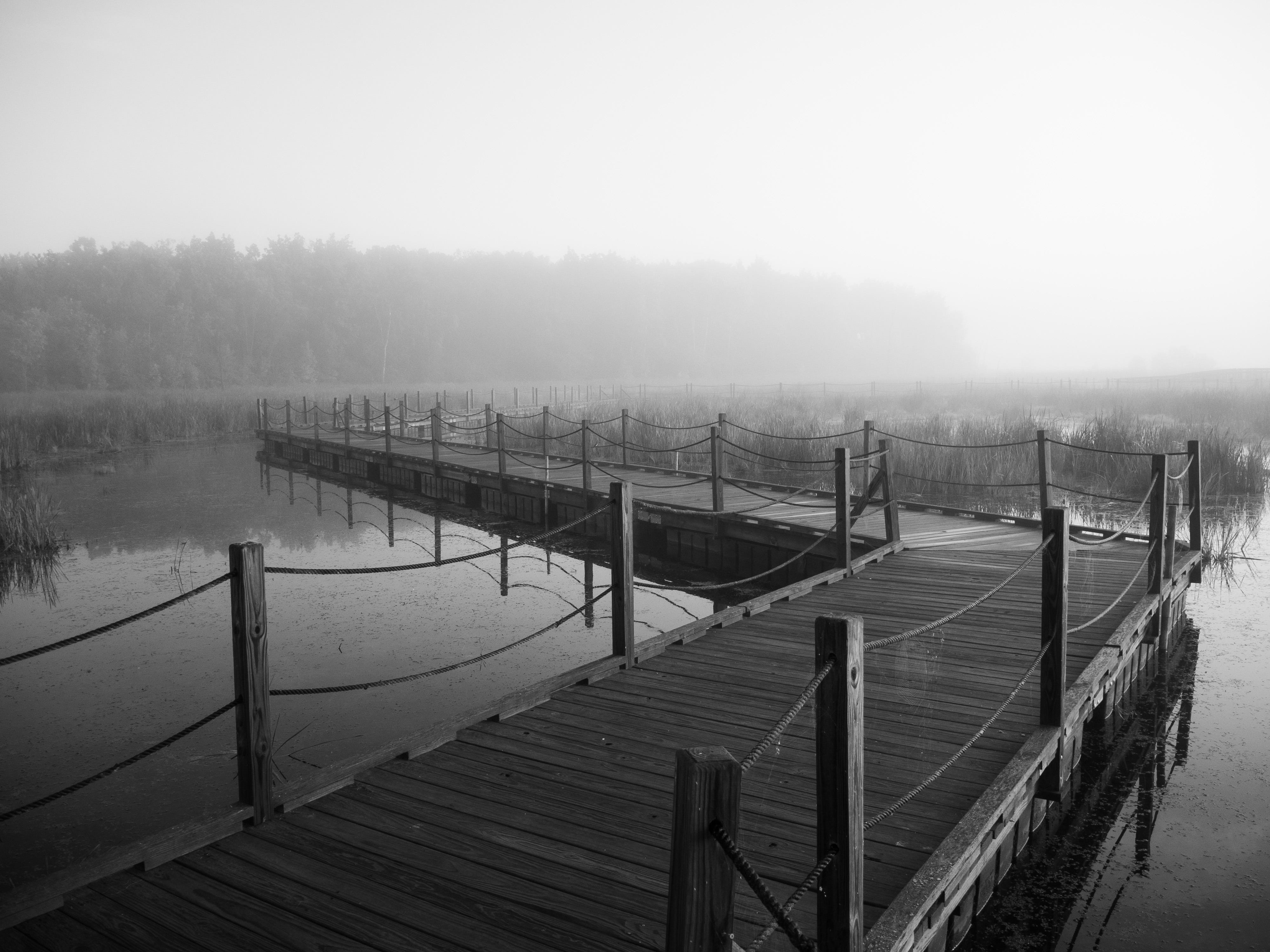
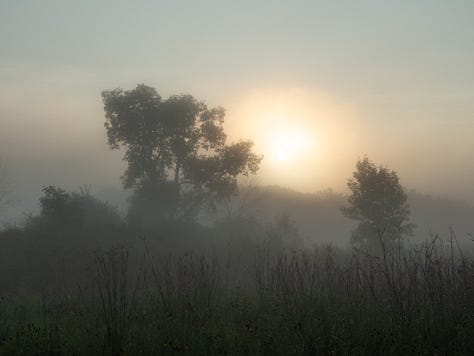
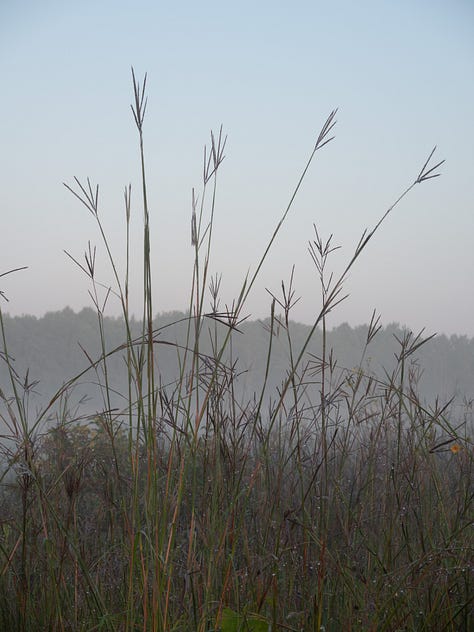
The grasses and the forbs are heavy with dew, and so would I be if it were not for my rubber boots. Even still, I get a bit soaked above the boot at the knee. There are plenty of other prairie plants out there too, but because they are much shorter, getting good photographs would be a full-body soaking, and I am on my way to work and running out of time anyway. With time running out, I decided to check out the boardwalk, which is partially obscured by fog, but the sun is starting to win the battle, enough so that it makes for some good photos. Would they be better with my other camera? Yes, but my other camera sits quietly in my office, waiting for another foggy morning, and the beat-up old-timer can still get work done.
No posts
Comments
Nothing yet. Say the first thing.
Sign in to join the conversation.