The AI gap isn't about enthusiasm
Outside the US and Europe there is near-universal appetite for AI combined with very limited access.

I'm a medical educator. I read the literature so you don't have to, then write one short letter every Monday. For faculty, residents, curriculum leads, and anyone in higher ed who teaches.
Overdue Last read · last published · next check
Last read 15 hours ago, longer than this feed's 7 hours schedule.
Outside the US and Europe there is near-universal appetite for AI combined with very limited access.
Four 2026 papers move past what students should learn about AI and ask whether the faculty teaching them are actually ready.
Four new bibliometric studies map the literature itself, and the picture is bigger, faster and shakier than any single paper can show.
The answer may surprise you!
Four new meta-analyses of randomised trials reach different verdicts on whether AI-based teaching beats the traditional kind.
Four 2026 papers show AI-generated questions now match human ones on paper, but validity, fairness and the human sign-off are where the real work still sits.
A year ago this week I started this newsletter. Here are some of my reflections and what comes next.
Three new studies show that readiness for clinical AI is shaped by personality, digital access and career fears far more than by simply growing up with the technology.
Five new papers, including a Nature Medicine warning about 'never-skilling', suggest that AI's effect on how doctors learn to think depends on supervision and design far more than on the model itself.
New 2026 evidence shows four in five medical students want to learn about AI, yet most schools still offer little or no formal teaching and far fewer students feel able to use it in practice.
Four new papers argue the real task is not adding AI tools to the curriculum but rebuilding medical education around them, while keeping human judgement at the centre.
Five new studies, from first-year students to senior faculty, find that enthusiasm for AI consistently runs ahead of the competence to use it well.
Five 2026 studies on AI literacy, adoption, placement use, and the cost of dependence.
Three new papers move our field from arguing about AI in medical education to building the structures that hold it.
Four new studies show generative AI can write exam questions, mark answers and appraise medical education research, but matching expert judgement still falls short of trustworthy judgement.
A curated guide to the most capable productivity tools for academics and educators.
Four new trials ask whether AI can replace the role-player in the room
Four new studies on the ethics, bias and equity gaps shaping AI in medical education.
What recent research reveals about the strengths and limits of synthetic clinical scenarios
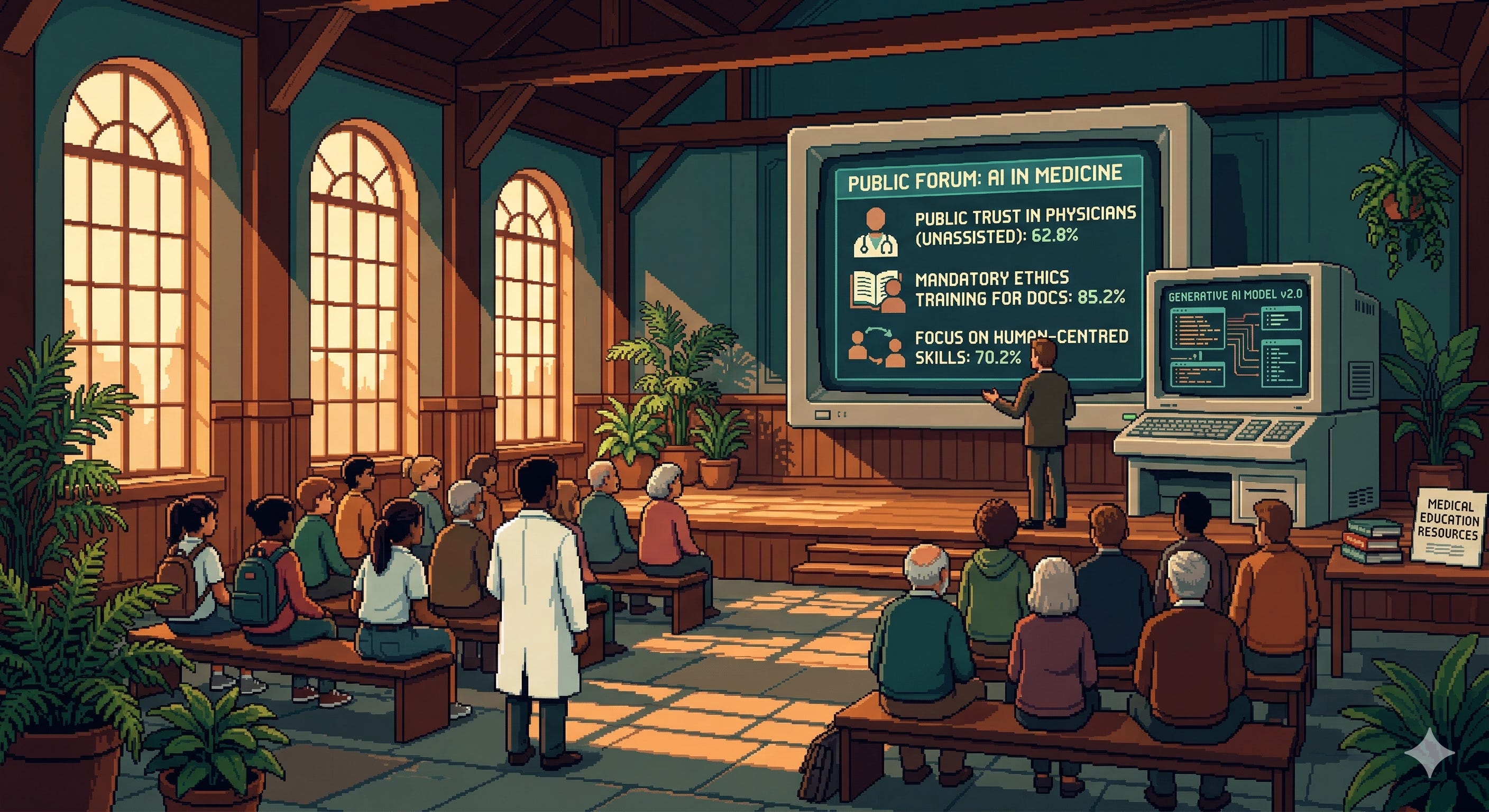
How are patients and the public responding to the integration of generative AI in healthcare, and what does this mean for the future of medical education?