
I had heard for years from friends about how good Bologna’s Cinema Ritrovato Festival is. And, let me say, after attending the most recent one iteration - the 40th, no less - they are not wrong.
A stunning programme over nine days, completely made up of rediscovered and restored film of all genres. It was cinematic heaven, especially given it took place the middle of a prolonged heat wave throughout much of Europe that made it simply too hot to do anything by sit in cinemas.
I am due to return to Melbourne later in the year, which means getting to subsequent festivals won’t be a matter of a cheap, two-hour flight from Berlin. It’ll be a much bigger undertaking. That said, I am already scheming about how I can pull it off.
Whatever the case, that’s next year’s challenge.
I saw 28 films. Some of these I had already seen but never on the big screen or in their restored format. Others had been on my watch list for a while. Some were completely new to me. And, even then, I did not get to see everything I wanted to, so full of highlights was the programme.
Here are my ten highlights, in the order that I saw them at the festival.
The Color of Money (1986)
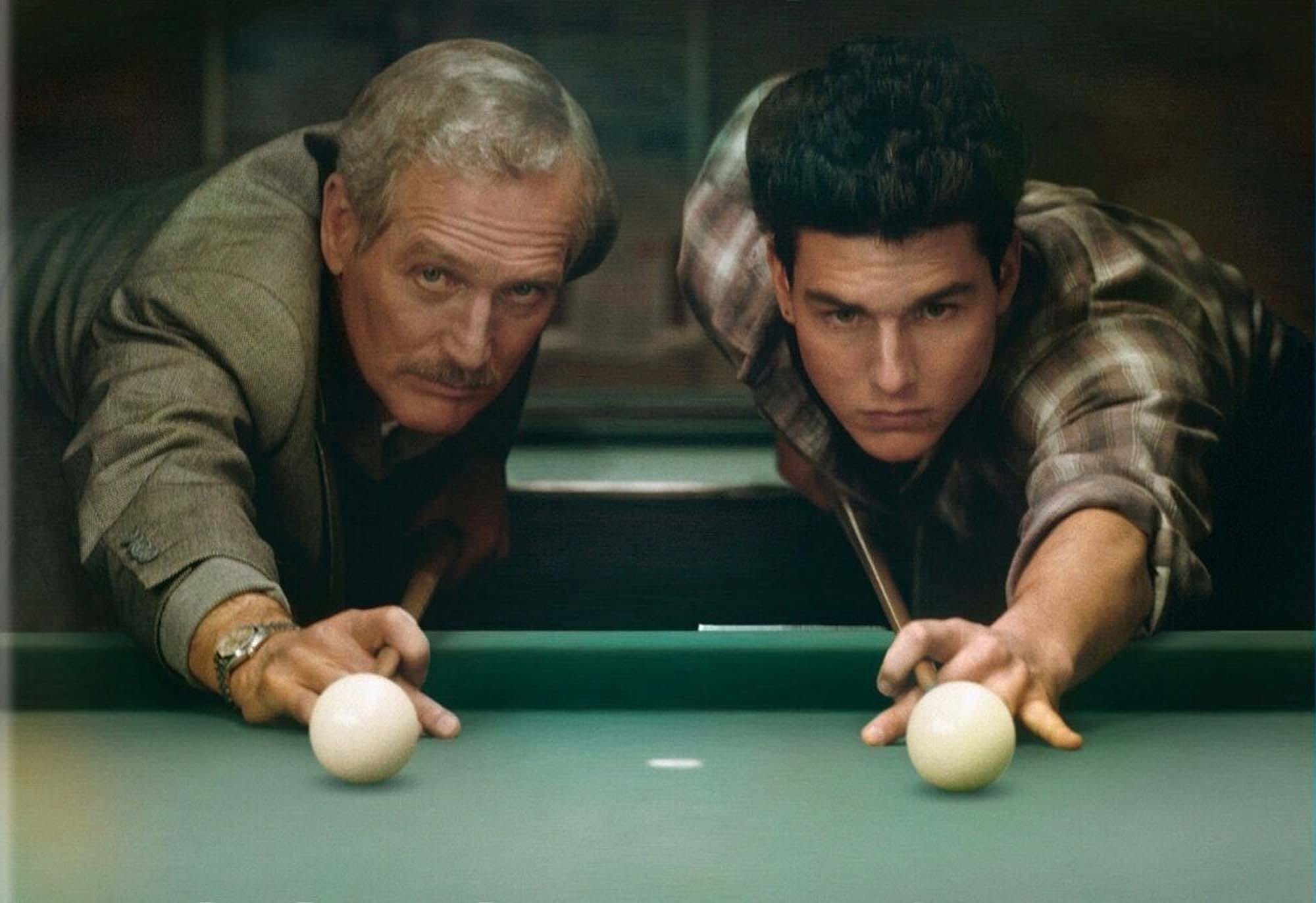
This was one of the films I had previously clocked on television but watching it on the big screen in a restored format was a complete revelation. Featuring a young Tom Cruise and an old Paul Newman (with those wonderful, tinted aviator shades of his), with a great cast of supporting character actors and with a kick arse score, the whole package is just incredibly cool. But it is the wonders that Scorsese, his cinematographer Michael Balhaus, and his editor Thelma Schoonmaker, do with the game of pool itself that really had me on the edge of my seat. It was like watching a wonderfully choreographed piece of dance, or an amazing piece of erotica, depending on what takes your fancy.
The Long Memory (1953)
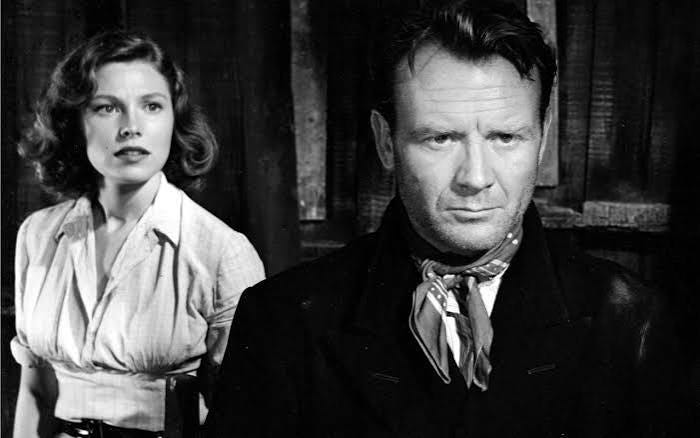
Recently restored by the British Film Institute, this is a little known British noir - I’d say barge noir, more actually, given how much of it occurs on old wooden barges moored on the Thames River - by Robert Hamer, better known for It Always Rains on a Sunday (1947) and Kind Hearts and Coronets (1949). John Mills stars as Phillip Davidson, a man recently freed after a long prison sentence for a murder he did not commit, and intent on taking revenge on the people who framed him. This includes his former sweetheart (Elizabeth Sellers), now married to the police man who led the investigation into his arrest. Pulling Davidson in another direction is a recently arrived female European migrant (Eva Burgh), who is haunted by her own demons but sees in the Englishman a chance for safety and love. Did it ever stop raining in 1940s/1950s British cinema?
The Man Who Would be King (1975)
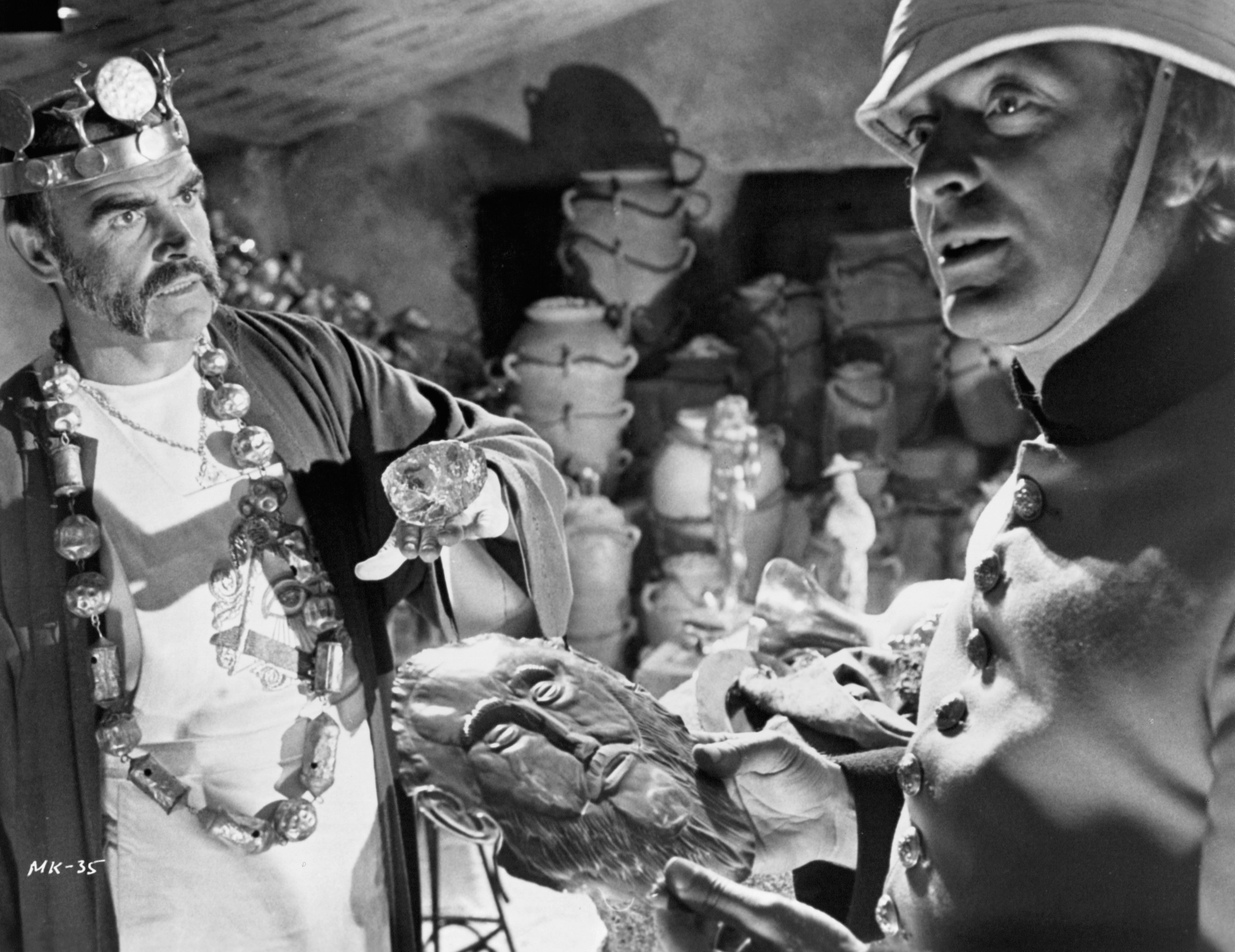
I have the vaguest memory of my parents taking me to the cinema to see this film when it first came out and have seen it several times since. But watching the new 4K restoration of John Huston’s film on the big screen gave me a completely new appreciation for it. Great performances by Sean Connery and Michael Cain as two British soldiers turned shifty con men on the Indian subcontinent, backed up by a wonderful turn by Saeed Jaffrey as the Gurkha foot soldier, Billy Fish. The Man Who Would be King seamlessly fuses a sort of Saturday afternoon matinee pulp orientalism with a subtle but biting critique of Britain’s imperial project and features one of my favourite film tropes white men going mad in the wilds of the global south. The film also contains some quite amazing large set piece action sequences. Almost flawless.
The City Defends Itself (1951)
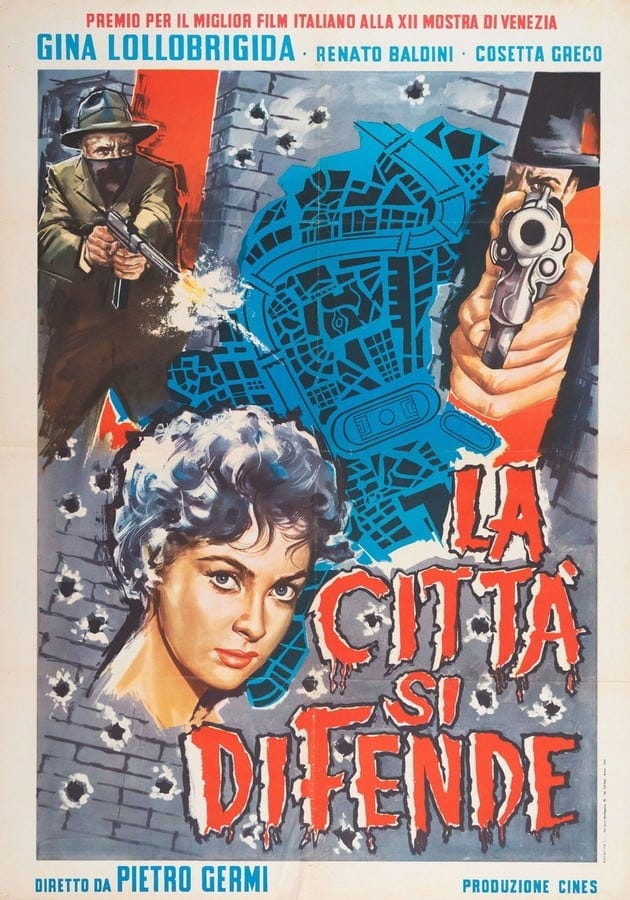
Four men stage a daring robbery of the takings from a stadium football match. While the actual heist goes off without a hitch, things quickly go wrong and the men are forced to split up, two of them taking the cash and two of them without. As the police slowly close in on the robbers, we see the individual circumstances that each of the men has come from, and which they still have to deal with after the robbery. Nothing has really changed, and on top of poverty and strained relationships, they now have to contend with being hunted by the police. Writer/director Pietro Germi’s The City Defends Itself is a masterful example of Italian neorealism fused with classic film noir fused, all packaged up in under eighty minutes.
Putney Swope (1969)
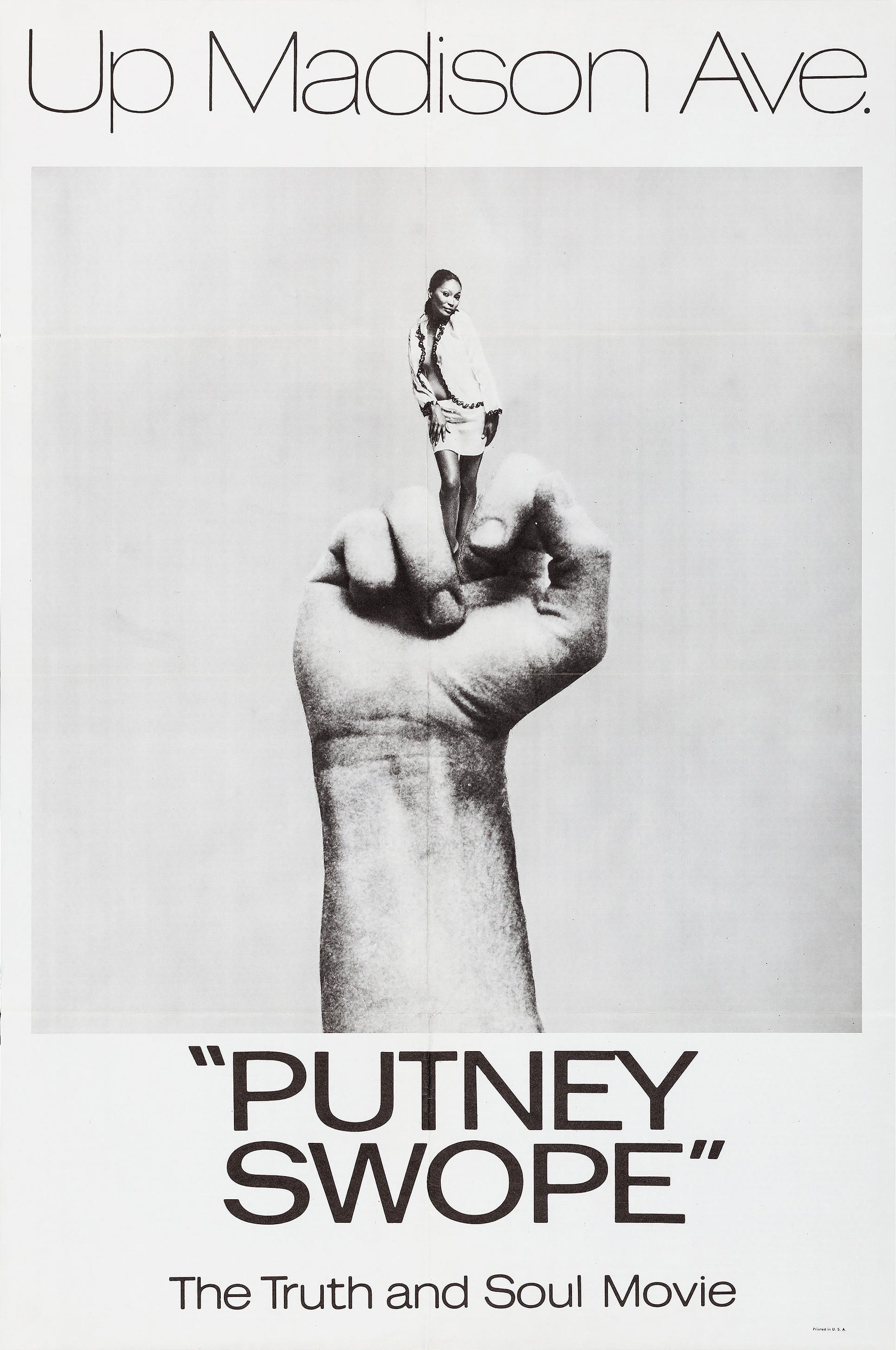
The story of the only senior black man in a Madison Avenue advertising company who suddenly finds himself head of the firm after the surprise death of its chairman. Swope (Arnold Johnson) renames the company Truth Soul Inc, fires all the white employees, except one, and refuses to handle any accounts involving alcohol, cigarettes and war toys. Made for just $120,000, it’s easy to see how Robert Downey Sr’s film must have been incredibly transgressive when it first appeared, with its agitprop narrative framework and Black Power stylings. And it certainly covers a lot of political ground: race relations, violence in society, gender relations and the utterly corrupt influence of the advertising industry. I wouldn’t say that it has aged badly – apart from anything else, I think this is lazy descriptor to use in relation not just to film but any cultural item – because it hasn’t. But perhaps it is inevitable that it has lost some of its punch and watching it now, my impression is that Putney Swope comes off as more like a text about how scrambled and confused America was towards the end of the 1960s.
My Name Ain’t Suzie (1985)

Angie Chen’s film was a real rediscovery and a festival highlight for me. Made for Shaw Brothers, who then buried it for reasons that Chen, in her introductory remarks at the Festival only hinted at, but which seems obvious once you watch the film. As the title suggests, the movie was envisaged as a direct counterpoint to Richard Quine’s 1960 film, The World of Suzie Wong. As a fan of mid-century dramas set in Asia, I am a fan of The World of Suzie Wong, but I am certainly not blind to its political shortcomings, and it was great to see a local director’s take on the same themes. This rags to riches story of a Hong Kong prostitute moves between historical document, gritty crime story and torrid melodrama in a way that constantly kept me guessing. The look is also fascinating, like a sort of poppy 1980s neon infused music clip. My Name Ain’t Suzie recently got a Blu-ray release through Kani, one of the many sub-labels of US outfit Vinegar Syndrome, plus I believe cinema releases are being planned, so see this if you can.
The Devils (1971)
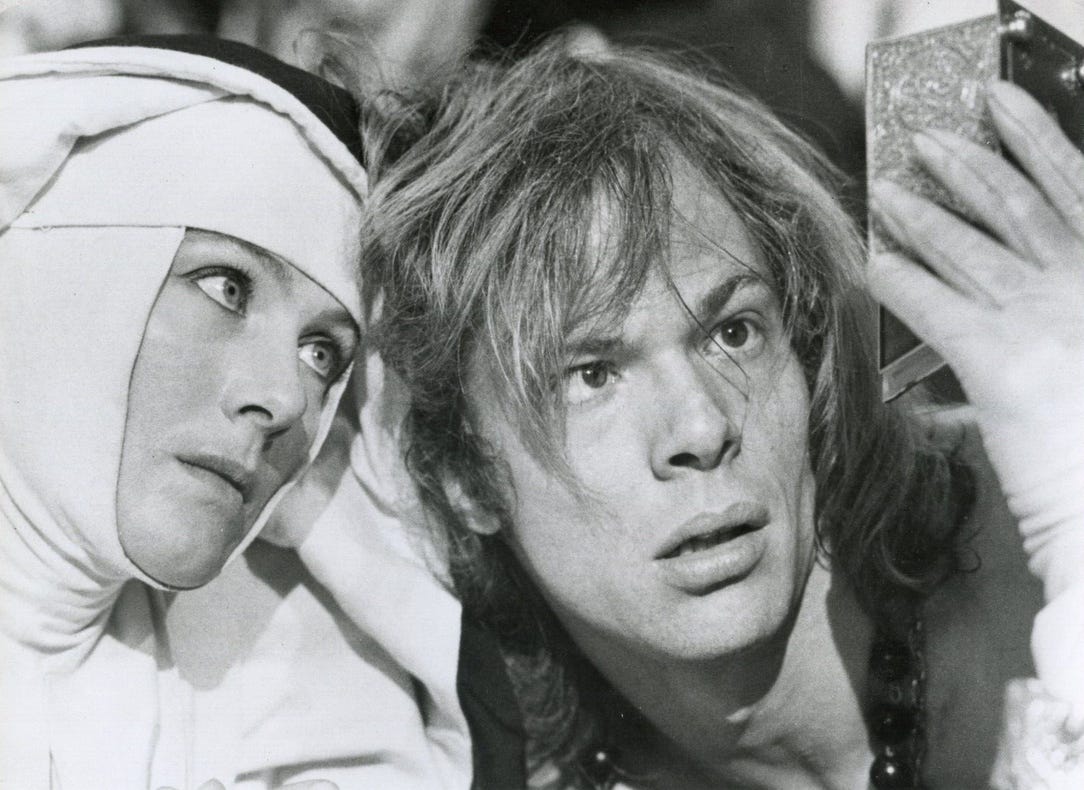
The restored version of Ken Russell’s The Devils was the hot ticket of the Cinema Ritrovato Festival. To be honest, with the exception of that scene, there is not a lot of additional footage but it doesn’t matter. This film, a rock and roll exorcism, looks and sounds stunning.
Obsession (1943)
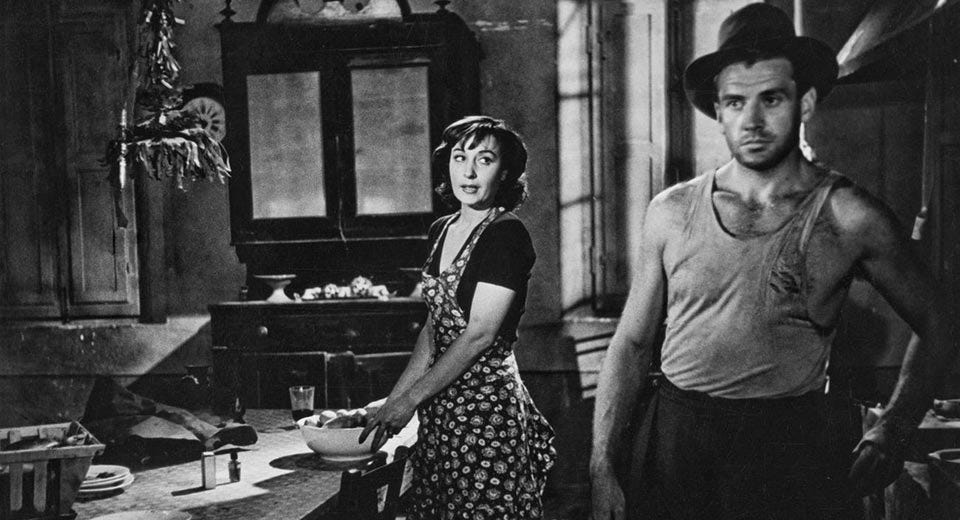
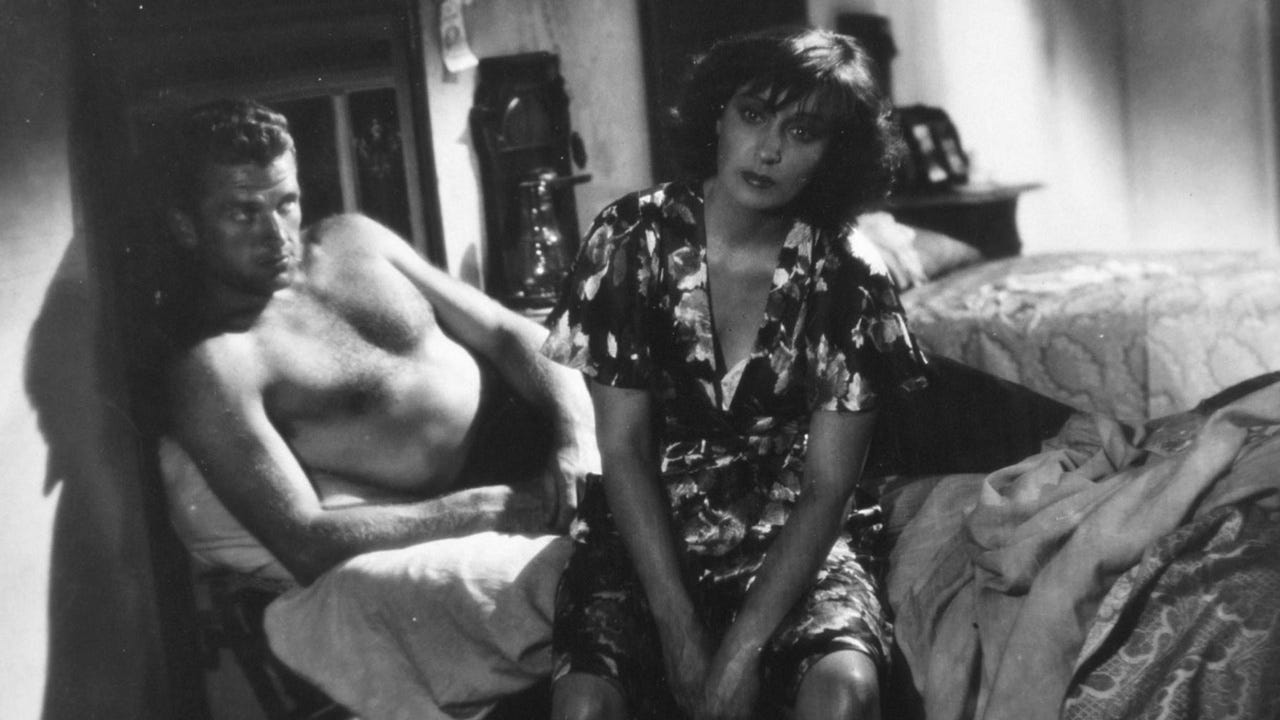
I have been wanting to see Luchino Visconti’s take on James M Cain’s The Postman Always Rings Twice for a while now and it did not disappoint. The two leads, Massimo Girotti and Clara Calamai play distinctly unglamorous characters, but do they ever steam up the screen. I am still thinking about the scene where Calamai first sets eyes on Girotti. This 4K restoration was part of a major strand on the director’s work shown during the festival. Classic film noir meets emerging Italian neo realism (many of the people who worked on the film would go onto play major roles in the movement), Obsession is pretty incredibly given it was Visconti’s directorial debut, plus it was made in an Italy under fascism and still at war (Visconti went underground and joined the resistance soon afterwards).
Without Anesthetic (1978)
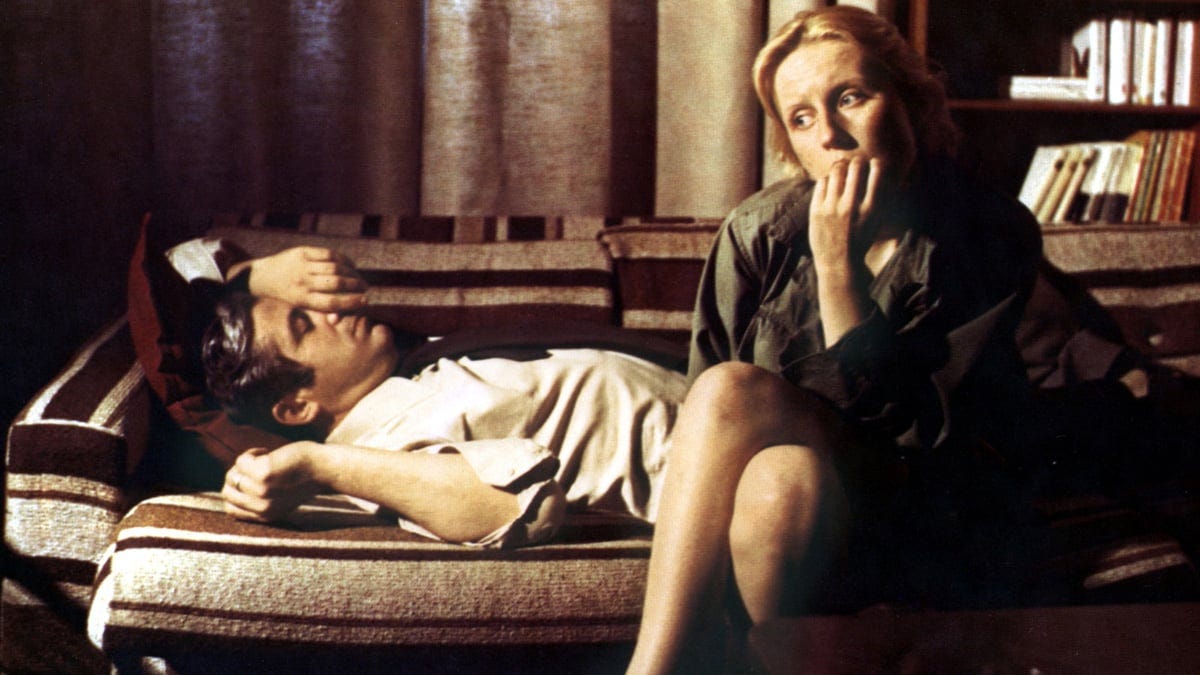
Another completely new to me film, I signed up to this one purely based on having recently watched Andrzej Wajda’s stunning trilogy of war films. It turned out to be another festival highlight. A renowned globetrotting Polish journalist finds his life slowly and systematically starts to unravel when he falls out of favour with the communist authorities at the same time as his wife decides to divorce him. A haunting portrait of a man who is used to having power and influence, literally rendered into a kind of stunned silence. I have read online that the story is based on real life Polish reporter Ryszard Kapuściński, whose work I love, and I need to find out more about this.
The Accident (1967)
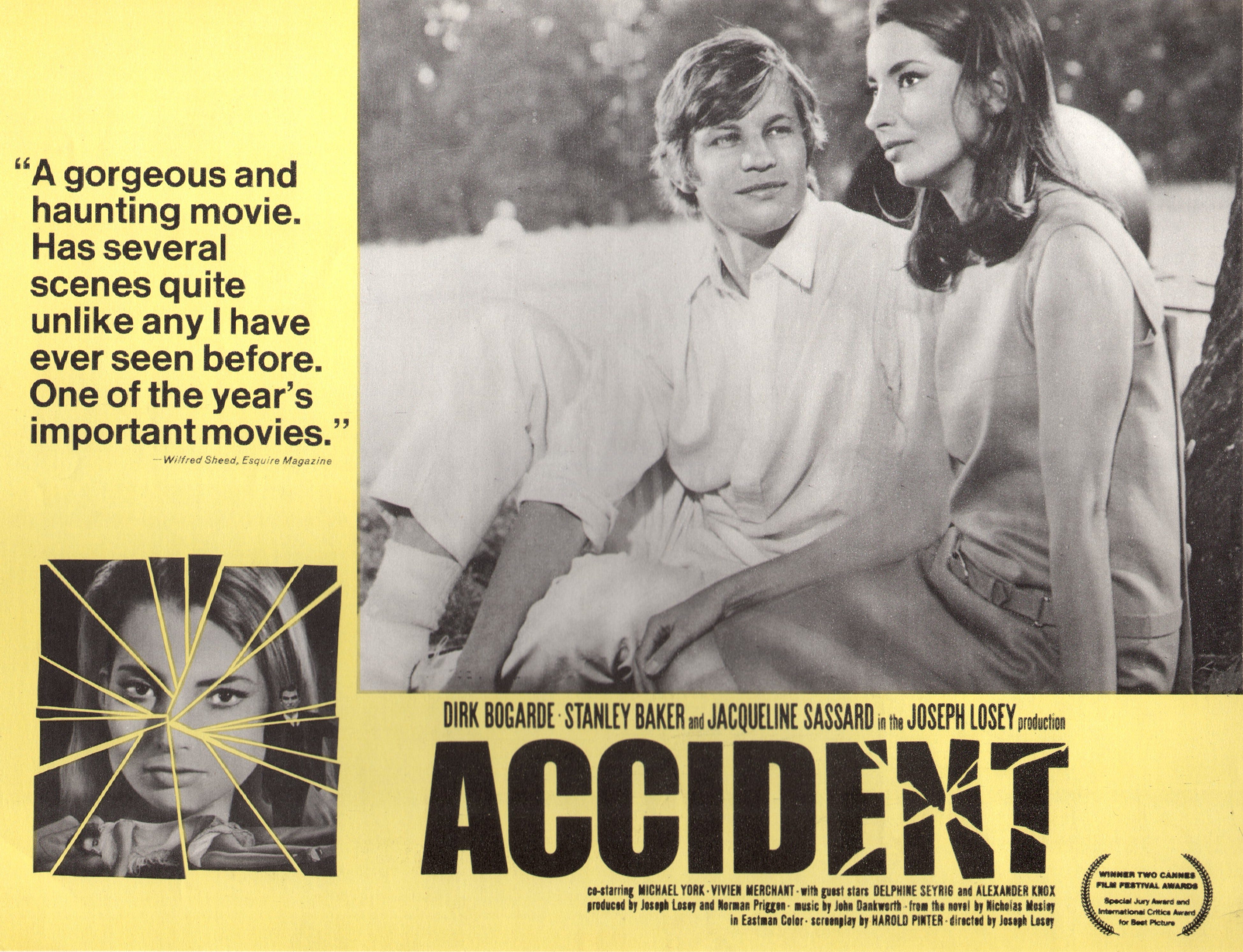
That Joseph Losey couldn’t make a bad film if he tried is a hill I am prepared to die on. Another one I had seen previously, but which was wonderful to watch restored on the big screen. Ostensibly the story of a beautiful Austrian Oxford University undergraduate (Jacqueline Sassard), who agrees to marry another student (Michael York) at the same time as she juggles involvements with two unhappy middle aged academics (Stanley Baker and Dirk Bogarde). Not so much a text about the end of the swinging sixties – because not much is swinging – as it is the end of England’s post war economic boom. Arguably also the best film ever made about the ability of the British bourgeoisie to not talk about difficult subjects, whether it is their sexuality or their participation in serious crimes.
No posts
Comments
Nothing yet. Say the first thing.
Sign in to join the conversation.