
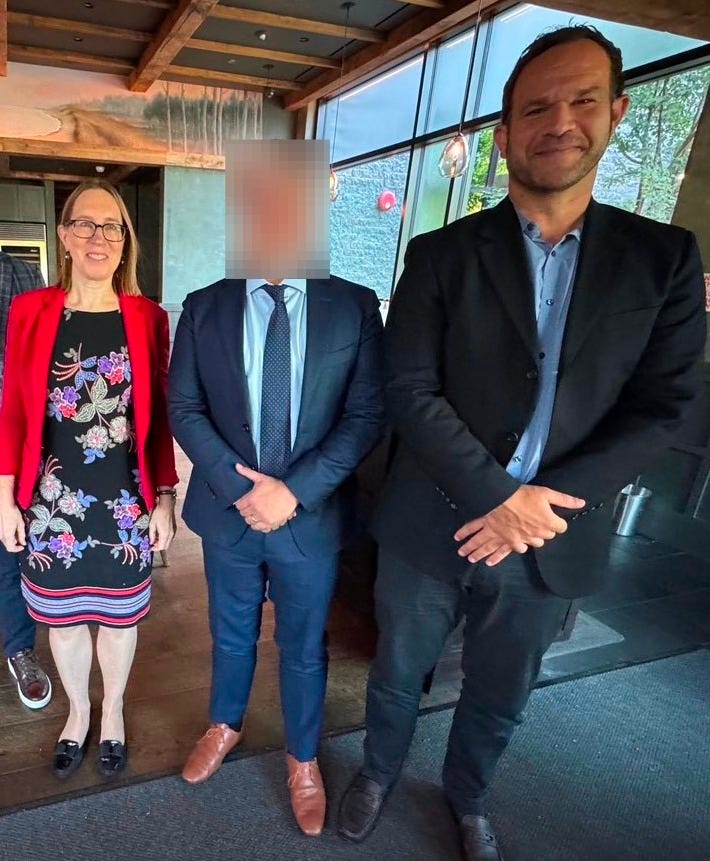
David Fields has lived at the intersection of media, technology, and incentives for more than a decade, first in investments and M&A at Disney (including work on the Pixar deal), then as head of investments for Michael Eisner, and today as co-founder of ReadyAI, a company building on the frontier of AI × crypto.
Over the past year, David has joined our small-group meetings with senators and policy staff, participated in roundtables in Washington and Las Vegas, and most recently sat down for a working lunch with SEC Commissioner Hester Peirce.
“From afar, D.C. felt like a black box. In the room, you realize there’s a real willingness to prioritize crypto—if we show up with specifics.”
An economics background and an early thesis on incentives pulled Fields toward Bitcoin in the early 2010s. Ethereum followed, and so did a conviction that AI and crypto would converge.
With his co-founders he launched ReadyAI to attack a fundamental bottleneck in AI: turning messy, unstructured data into high-quality, structured inputs that models can actually use.
Mission (today): “Structure all the world’s information for AI, so companies and individuals can build reliable applications.”
How they’re doing it: ReadyAI operates a subnet on Bittensor that coordinates a decentralized network of participants who complete and score tasks. Rewards flow to miners, validators, and the subnet over time via a fair-launch token model.
“Incentive design matters. If miners can game the system, you don’t get the output you want. Getting that alignment right is one of the hardest parts.”
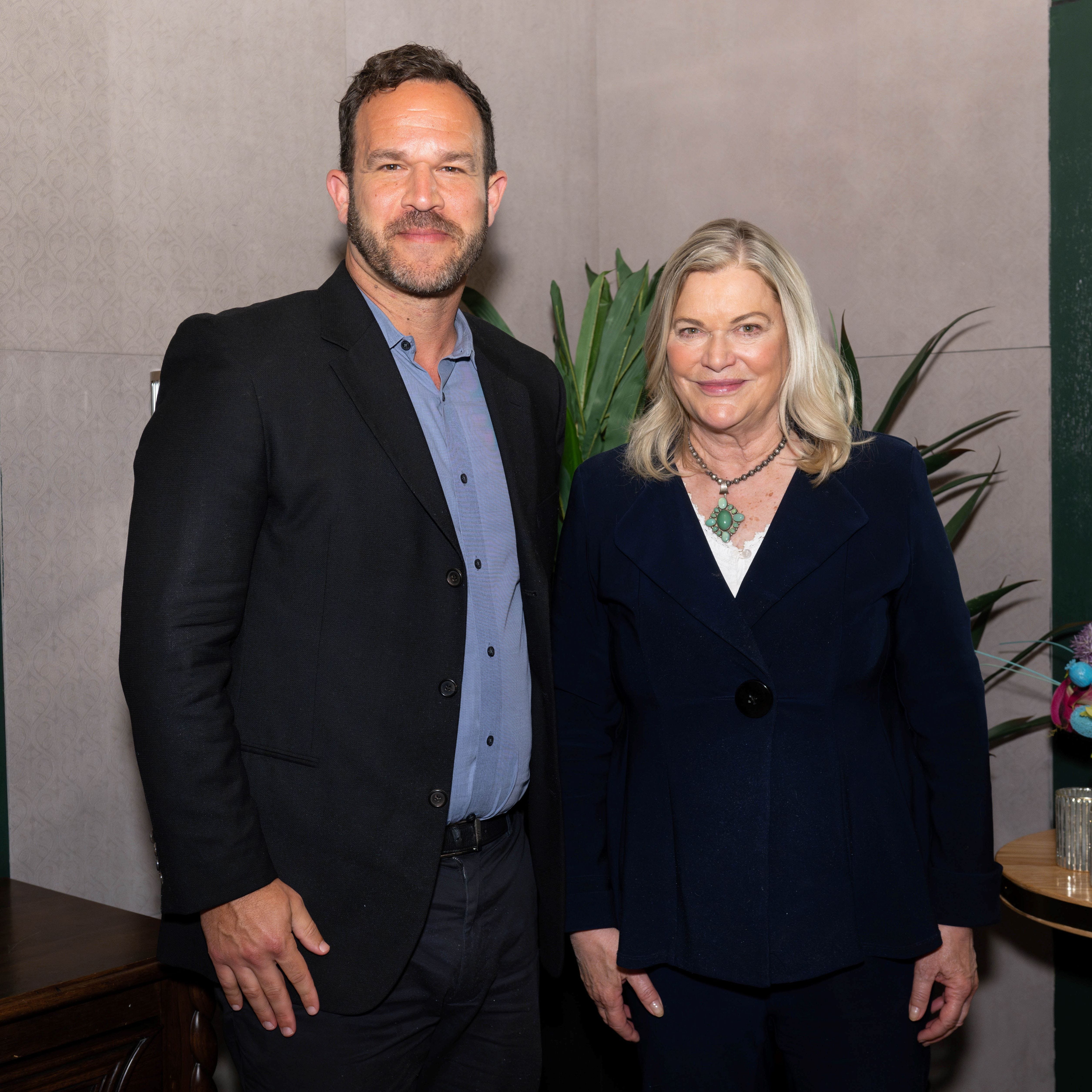
Decentralized AI is a design choice for ReadyAI. On Bittensor, the rules are visible, the software is open, and contributors respond to incentives. That openness is powerful and unforgiving.
Fields calls the early days of launching a subnet “a back-and-forth in development” where you test, tighten, and re-test to ensure high-quality structured data wins out over clever exploits.
Fields joined a small builders’ lunch during Commissioner Peirce’s recent visit to Chicago, focused on nuts-and-bolts questions:
Market structure & token issuance: What does a workable path look like for teams launching and sustaining a network?
Safe harbor concepts: Could a time-boxed framework allow projects to decentralize before full securities compliance applies?
Fair-launch models: How do no-pre-sale, no-treasury distributions (like Bittensor subnets) fit under existing interpretations?
“She was candid and engaged, clear that the goal isn’t a free pass, but fair guidelines people can actually follow in the U.S.”
Fields’s takeaway: progress requires both Congressional clarity and regulatory guidance. We’re still early.
Two priorities rose to the top:
Crystallize a Safe Harbor so good-faith projects can launch, iterate, and decentralize with clear expectations.
Clarify token buybacks - now common in crypto but under-defined in current rules - so teams know what’s permissible.
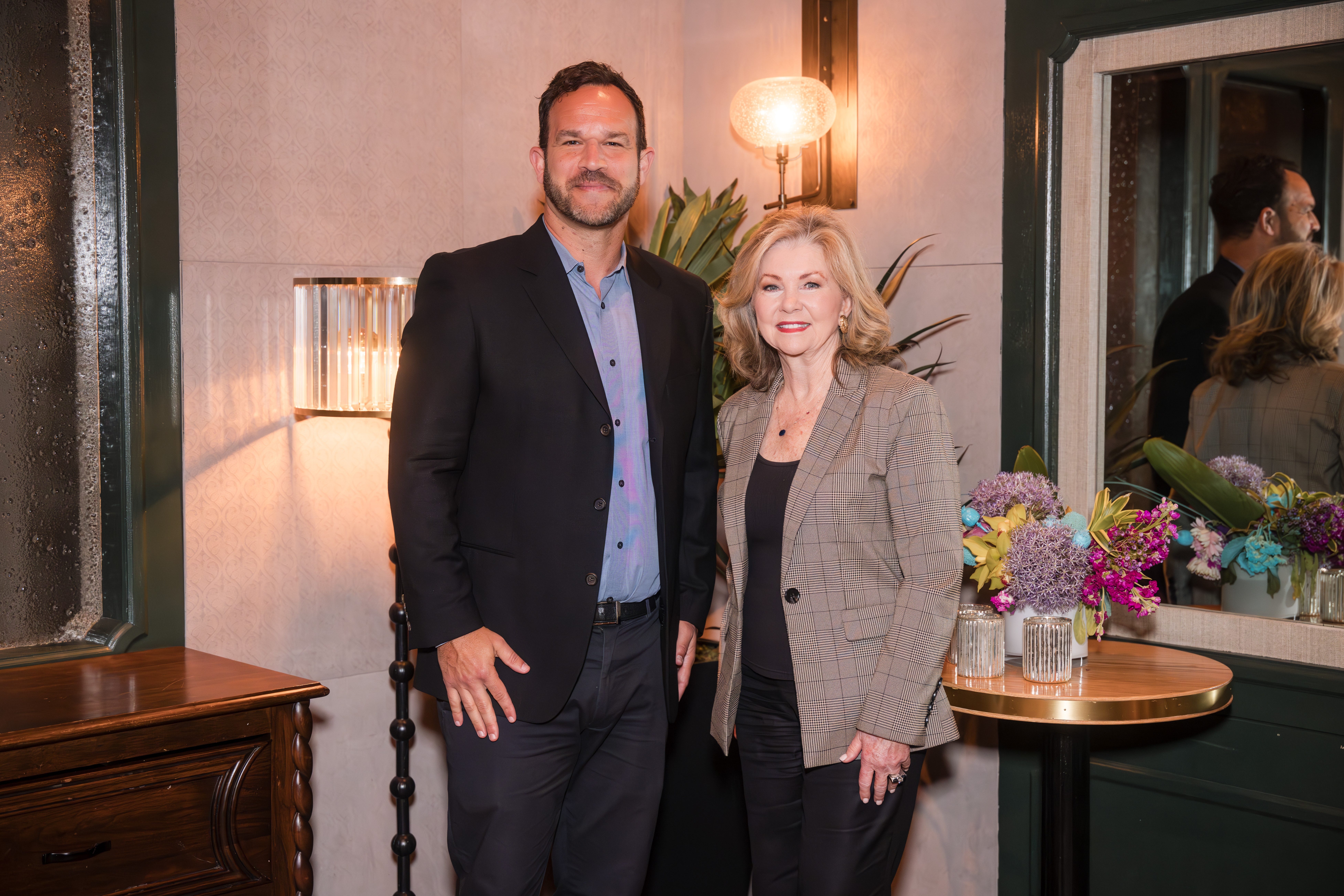
Fields attended our D.C. meeting and our Las Vegas lunch (with a ~15-person table discussion with Sens. Lummis and Blackburn).
D.C.: “A breath of fresh air after a hostile period. The openness to hear specifics from builders felt real.”
Vegas: Tight-knit, policy-dense, and—importantly—post-bill momentum with a sober view of what’s still ahead on market structure.
“Seeing senators prioritize crypto up close was energizing. Night-and-day difference from the perception you get watching from California.”
Crypto has gone mainstream. Ignoring it is no longer an option for Washington.
Policy conversations are evolving. Lawmakers want operational detail—exactly what founders and investors can provide.
The community is growing up. Small rooms, clear asks, and real examples are replacing slogans and hype.
“We’re at a turning point. If the people building the future don’t speak up, someone else will define it for them.”
David has also been collaborating with our team between events, including prep calls, drafts, and feedback loops that translate builder realities into actionable policy asks. That homework is making our meetings sharper.

If you believe in fair, clear, and workable crypto policy, here’s how to participate:
1. Subscribe to get on-the-ground updates from Washington about the future of crypto policy and how each decision affects Main Street investors, builders, and taxpayers.
2. Share your story. Audit issues, staking or mining challenges, confusing tax forms—real examples help policymakers see what needs fixing.
3. Join us. Our next webinar is October 23 (2:00–3:00 p.m. CT). David will join at 2:30 p.m. CT to talk about the safe harbor concept and lessons from the Peirce lunch.
Comments
Nothing yet. Say the first thing.
Sign in to join the conversation.