
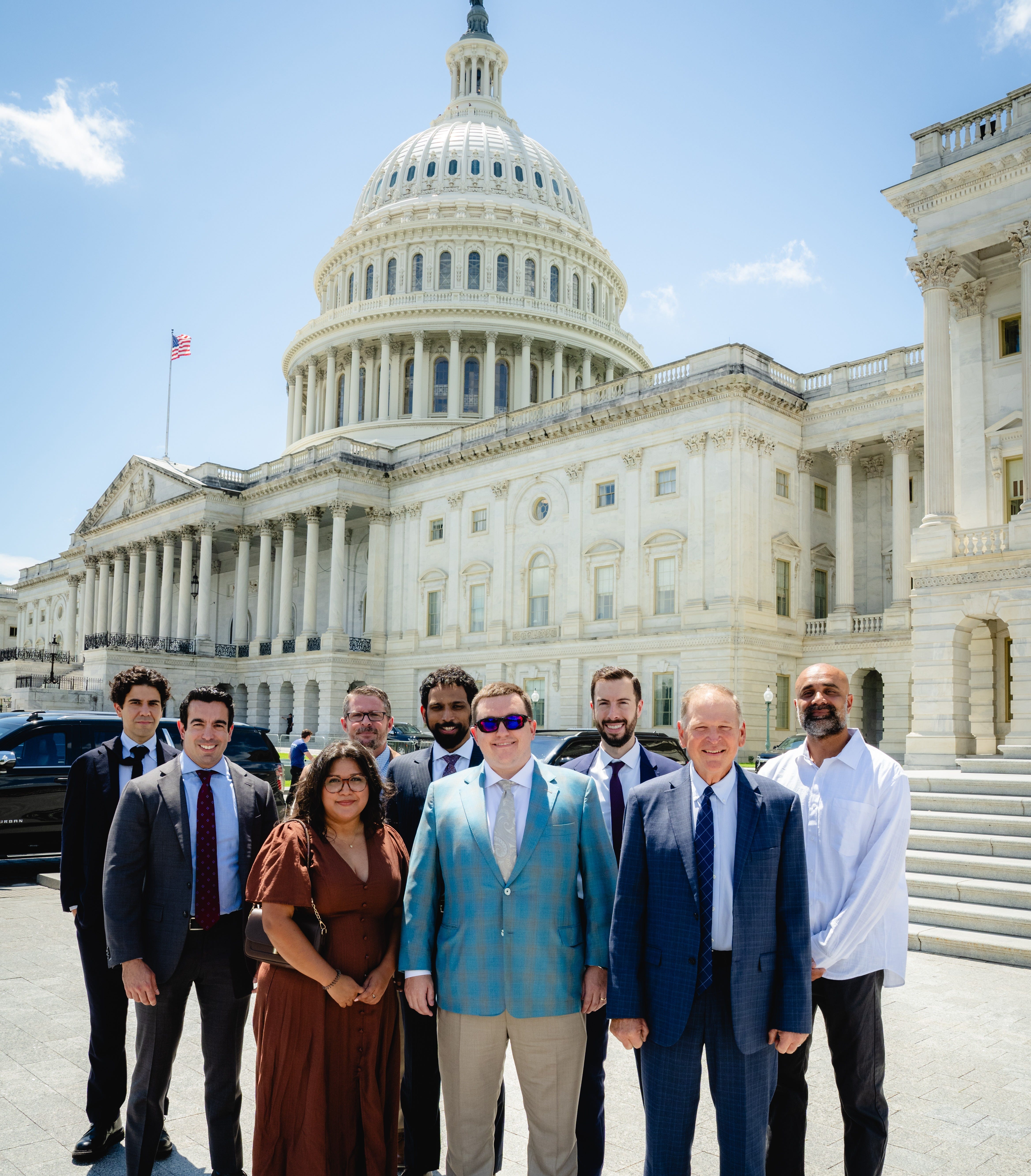
“Meeting with your clients and hearing their stories is what made the most impact.”
That is what one staffer told me at the end of our week in Washington, and it is the sentence I keep coming back to. I have made this trip many times now, usually with written proposals and a practitioner’s perspective on where the rules break down. This time I brought eight clients with me, and the difference in the room was immediate.
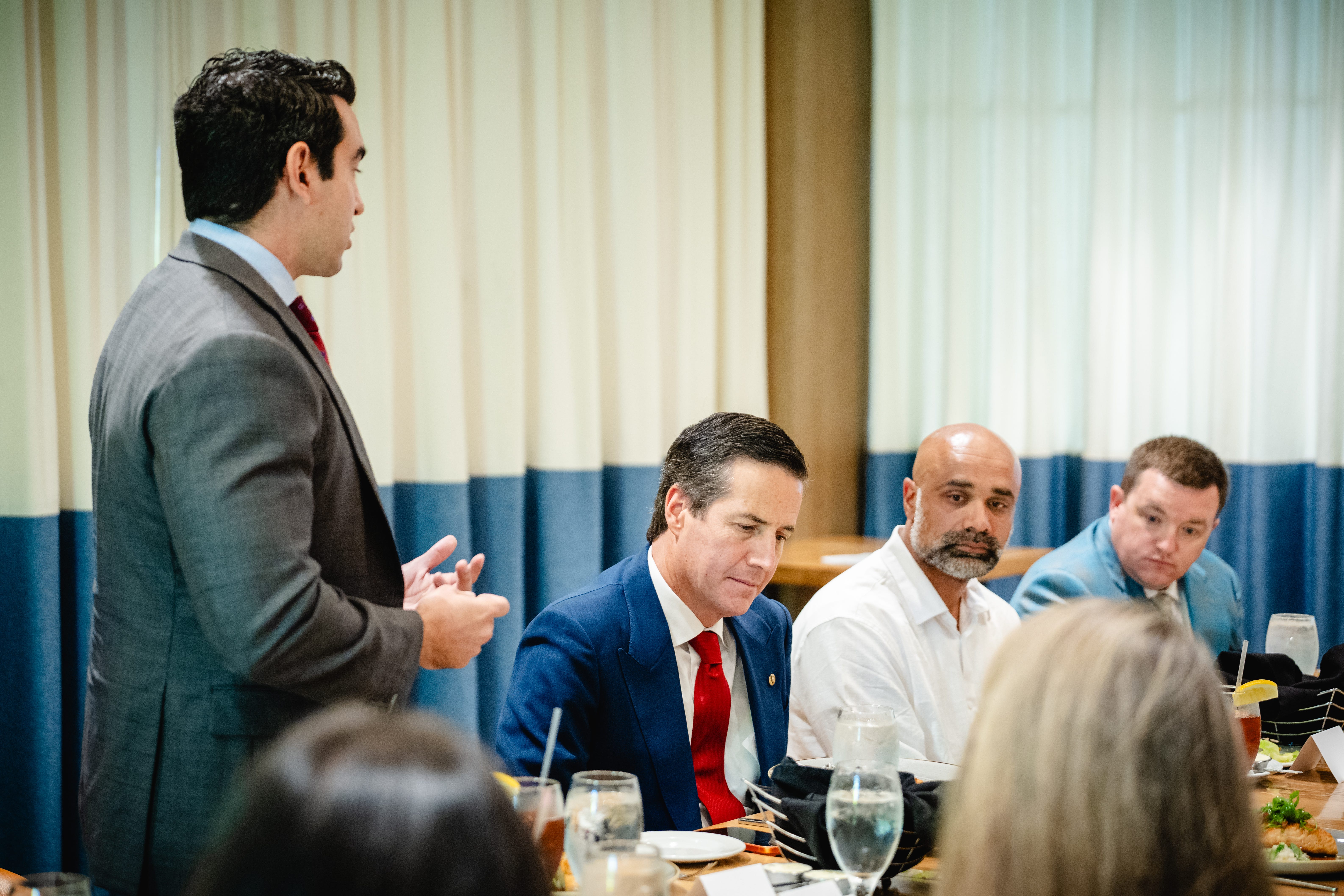
We started with a lunch hosted with Senator Bernie Moreno, where all eight clients sat at the table and told their own stories rather than letting me tell them secondhand. We shared how hard it is for a well-meaning crypto investor to report correctly, even when they are trying, because the records are scattered across platforms that never sent a form, the guidance has arrived in pieces over a decade, and the software often disagrees with itself. We also talked about the audits, and about the fact that the people getting the letters are frequently the ones who made an honest attempt to disclose what they had. That is the part that makes an impact with policymakers, because enforcement aimed at the taxpayers who tried is not a compliance strategy, it is a deterrent to compliance.
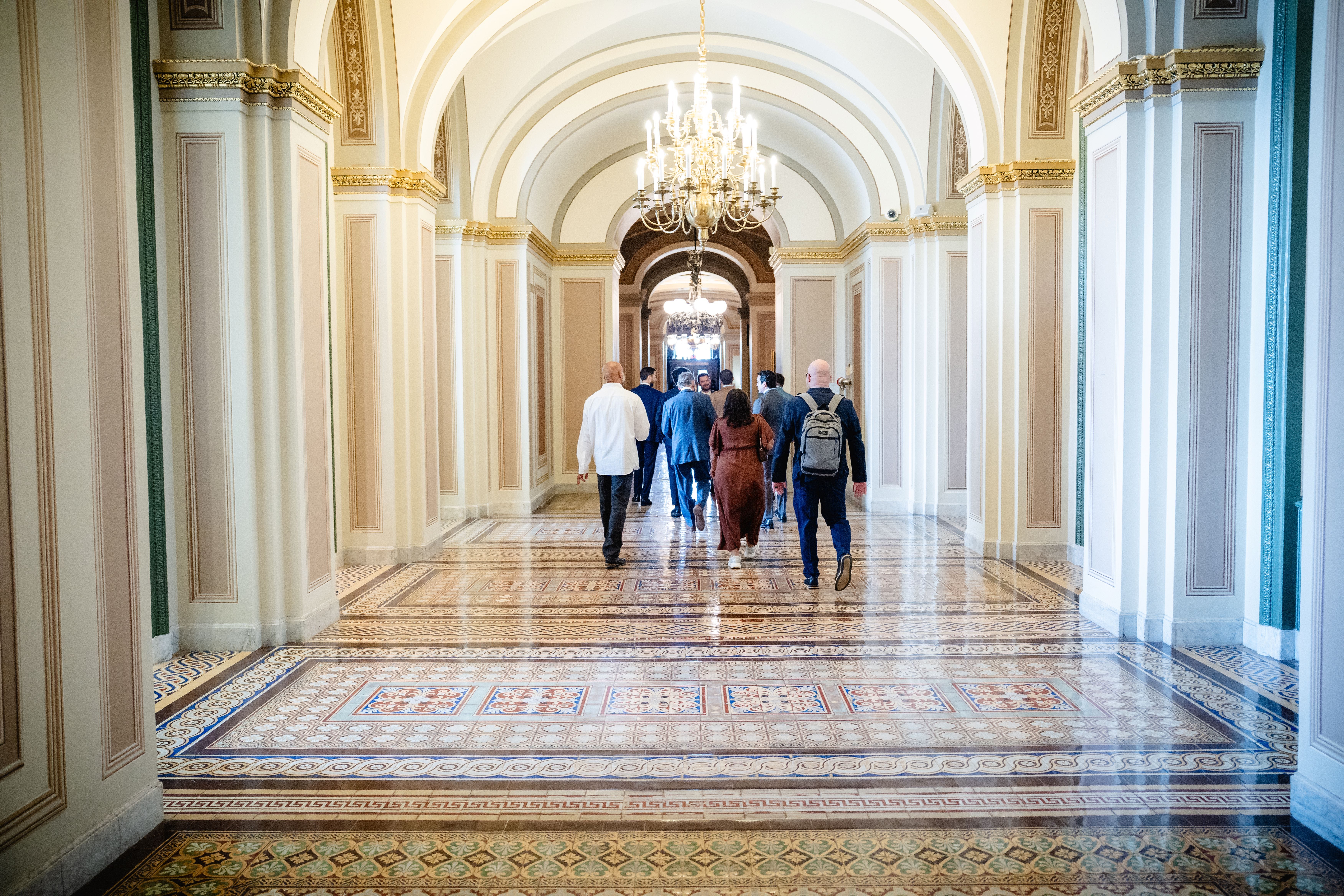
Next we went to meet with the Speaker’s staff, where the clients continued telling their stories and we learned firsthand how a proposal actually becomes a bill, who has to touch it, and where it can stall. We spent time on the crypto tax bills introduced through Ways and Means, the package the committee took up at its June legislative hearing on digital asset taxation, and it was useful for the group to see how the language they were reacting to gets built. Afterward we had a private tour of the Capitol. Walking the halls where history and the present policy are written made the stakes feel real for everyone.
Four of the clients came with me to meet with the Senate Finance Committee, and each one shared their own situation. Several had only recently learned that crypto-to-crypto trades are taxable at all. They want to come into compliance. They are also afraid of audits and penalties, and right now there is no good path to complaince, which is why I keep pushing a crypto voluntary disclosure program. We also raised the Historical Digital Asset Form, which asks taxpayers to attest to information that many of them cannot reconstruct, and turns a good faith effort into accidental perjury.
A number of you have asked what a voluntary disclosure program would actually look like in practice and whether you would qualify. If there is interest, I will host a webinar discussing how a crypto VDP would work, who it would help, and what your options are in the meantime. Leave a comment if you want me to put it together.
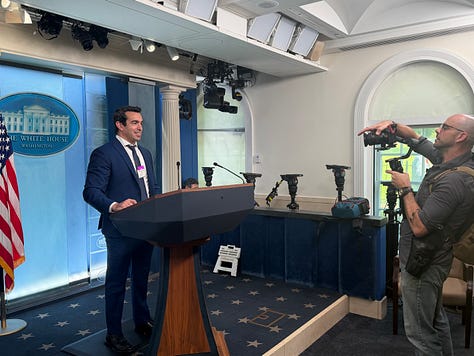

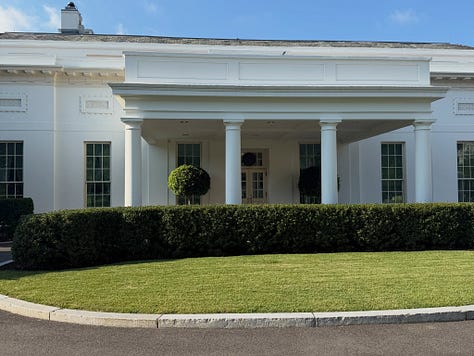

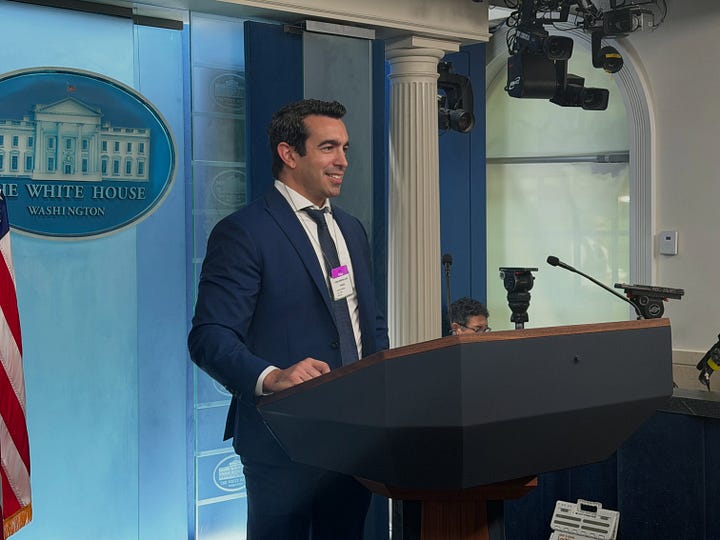
I also spent time at the White House, including standing in the press briefing room and just outside the Oval Office. It mattered to me because it is a reminder that these arguments are not confined to a committee hearing room or a staffer’s inbox. We are bringing the concerns of ordinary crypto investors to the highest level of government.
This work is cumulative, and it moves fastest when the people affected are in the room. I am returning to the Hill in September with clients for office visits, building on what we started on earlier trips and in meetings at Treasury. We are planning that trip right now, lining up the offices and putting together the group, so if you want to be in those rooms and tell your story to the people writing these rules, pelase reach out.
Comments
Nothing yet. Say the first thing.
Sign in to join the conversation.