
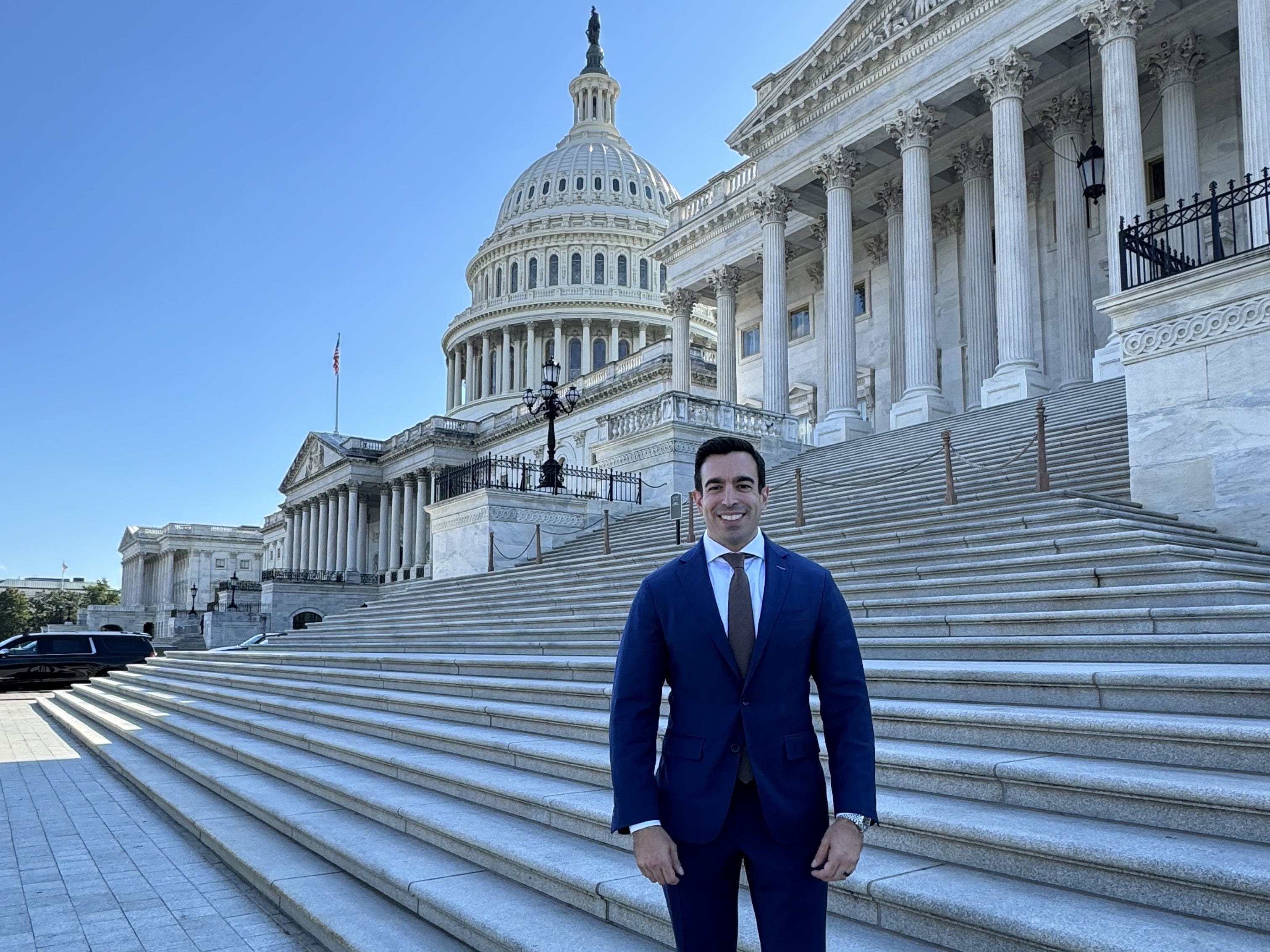
Last week, I was in Washington, D.C. for a series of meetings on Capitol Hill. I sat down with staffers from both sides of the Senate Finance Committee and with the House Ways and Means Committee majority. The message from all three was clear: crypto taxes are on their radar and the details are being debated.
A few years ago, Senator Ted Cruz joked that not more than five senators could even explain what cryptocurrency was. Fast forward to today, and congressional staff are drilling into nuanced questions about staking income, stablecoin audits, de minimis exceptions, and qualified appraisals. That shift alone should give every crypto investor and builder pause. It shows real progress, but also how much is at stake in shaping the rules of the game.

The first meeting was with staffers from the Senate Finance Committee minority. They came prepared, deeply familiar with the provisions of the Lummis digital asset bill:
No tax on staking/mining until sold
De minimis exemption for small transactions
Qualified appraisal reform
They asked what issues weren’t already in the bill. They pushed hard on the staking issue: if stakers are performing a service and getting rewarded, why shouldn’t that be treated as taxable income immediately? Is it really “self-created property,” or is it closer to being paid for work performed?
These are fair, difficult questions. And the fact they’re being asked shows genuine engagement, not dismissiveness, but an effort to work through problems constructively. We also discussed the unfairness of requiring qualified appraisals in IRS audits, where taxpayers face costs and burdens that make little sense.
The takeaway: minority staff see crypto as an area that needs bipartisan solutions, and I am optimistic about Democrats getting involved to make that possible. From the level of preparedness they showed, it seem crypto tax reform is likely to be on the docket by year’s end.
The next conversation was with Senate Finance majority staff. Again, they knew the issues. The first focus here was on the de minimis exclusion, the idea that small crypto transactions shouldn’t trigger a tax event.
Their concern: abuse. If we only allow a per-transaction limit, could people game the system? Would an aggregate cap work better? But then again, if taxpayers have to track an annual cap, does that really solve the record-keeping nightmare?
This is the kind of nuanced thinking we need in D.C. The goal is to cut down on absurd reporting requirements, not just create a new layer of complexity. We discussed different approaches: per-transaction limits, aggregate caps, or a hybrid of both.
Another major point: while many fixes could theoretically be handled by the IRS through administrative guidance (such as staking, mining, and qualified appraisal reform), staff emphasized the importance of durability. Rules issued by the IRS today could be undone by the next administration. Laws, once passed, last longer. That’s why legislation is the preferred path.
The final stop was with the House Ways and Means majority staff. Their opening line was striking: “As a preface, we’ve been thinking a lot about crypto tax issues.”
That set the tone for a high-level, detailed discussion:
Stablecoins: Staffers recognized that after the GENIUS Act, stablecoins are in the spotlight. But they also understood that taxing every stablecoin transaction is absurd. I shared client stories of audits focused solely on stablecoins, where the purpose of the asset is commerce, not speculation.
De minimis: We again dug into aggregate limits and how to design them fairly.
Qualified appraisals: They wanted to know how to prevent abuse, such as pumping the value of illiquid tokens before donating them. We discussed solutions like limiting donations to tokens listed on U.S.-regulated exchanges.
Foreign persons & sourcing: Staff asked detailed questions about non-U.S. persons using U.S. exchanges for staking or starting mining businesses here. How do we ensure fairness while keeping the U.S. competitive?
Staking and mining as a business: This issue isn’t even in the Lummis bill but came up in our meeting. When does staking or mining rise to the level of a business eligible for deductions? This matters as staking becomes more common, and right now, taxpayers are left guessing.
What struck me most about this trip was the tone. Even a year ago, I was walking senators through the basics and explaining why crypto mattered for our future. Back then it felt like giving a crash course. This time it was different. The staff already knew the issues. They weren’t asking “what is crypto” but instead debating how to design exemptions, prevent abuse, and write rules that will last.
That shift shows that crypto has moved firmly into the mainstream of policy. It also tells me that the window for meaningful reform is open right now. We cannot waste it.
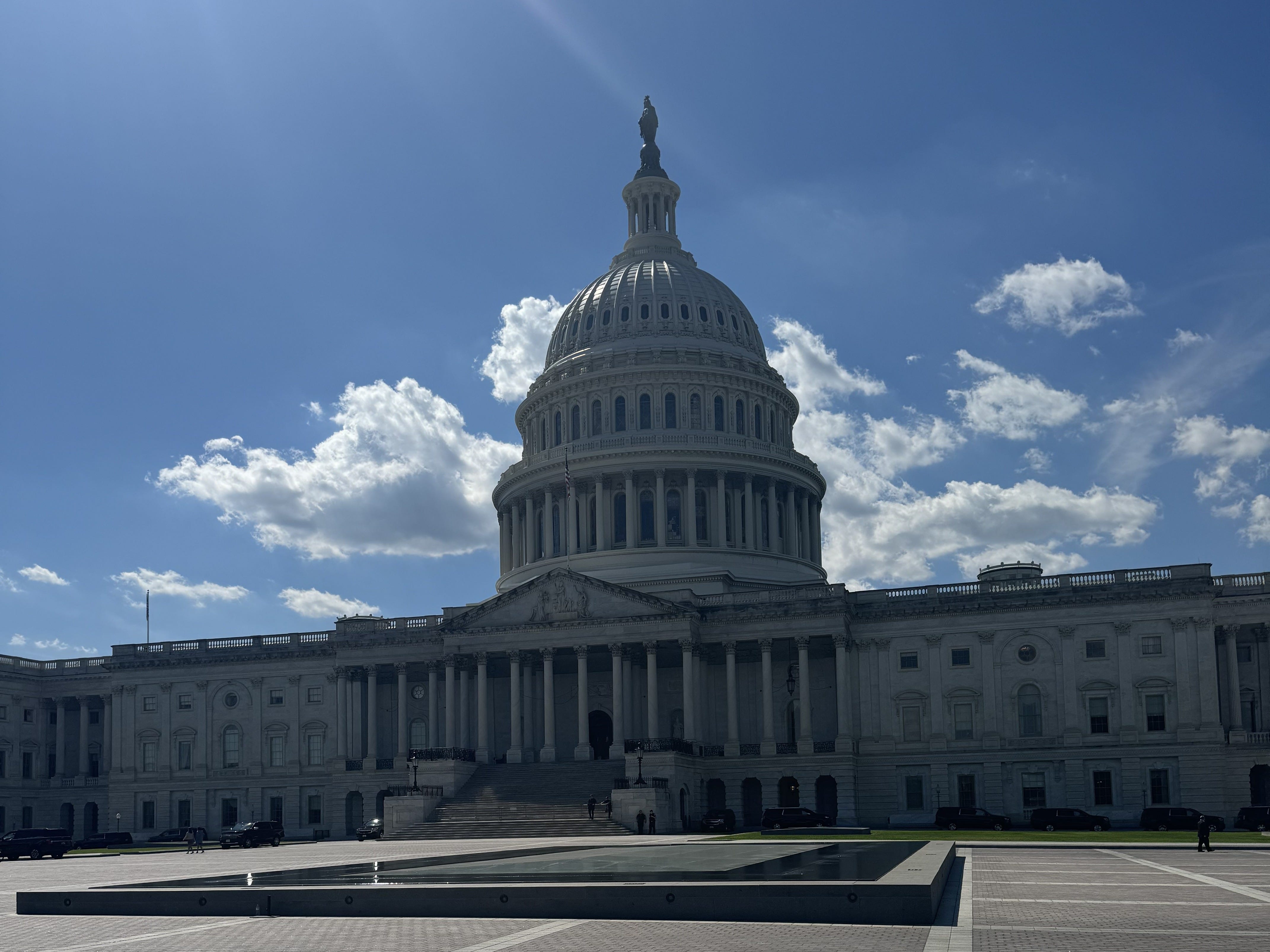
Taxes touch everyone. Individuals, families, small businesses, large companies. No one escapes them. Right now for crypto, taxes are broken. The rules are confusing, burdensome, and unfair. But they are not set in stone. They can be fixed.
That is why this moment matters. Washington is paying attention. Lawmakers are asking the right questions and they want to get this right. But they need to hear from us. They need to hear the real stories of how crypto taxes are hurting innovation, slowing adoption, and making life harder for ordinary people who are simply trying to participate in this new economy.
This is our shot. If we bring our voices together, we can make sure the solutions that come out of Washington reflect the needs of both individuals and businesses, large and small. The window for reform is open right now. Let’s make sure we use it.
Stay tuned for updates, and if you have a story of how crypto taxes have impacted you, I want to hear it. Stories matter in D.C., and together, they can shape the fight.
Message me and tell me how crypto taxes or regulations have impacted you.
Comments
Nothing yet. Say the first thing.
Sign in to join the conversation.