
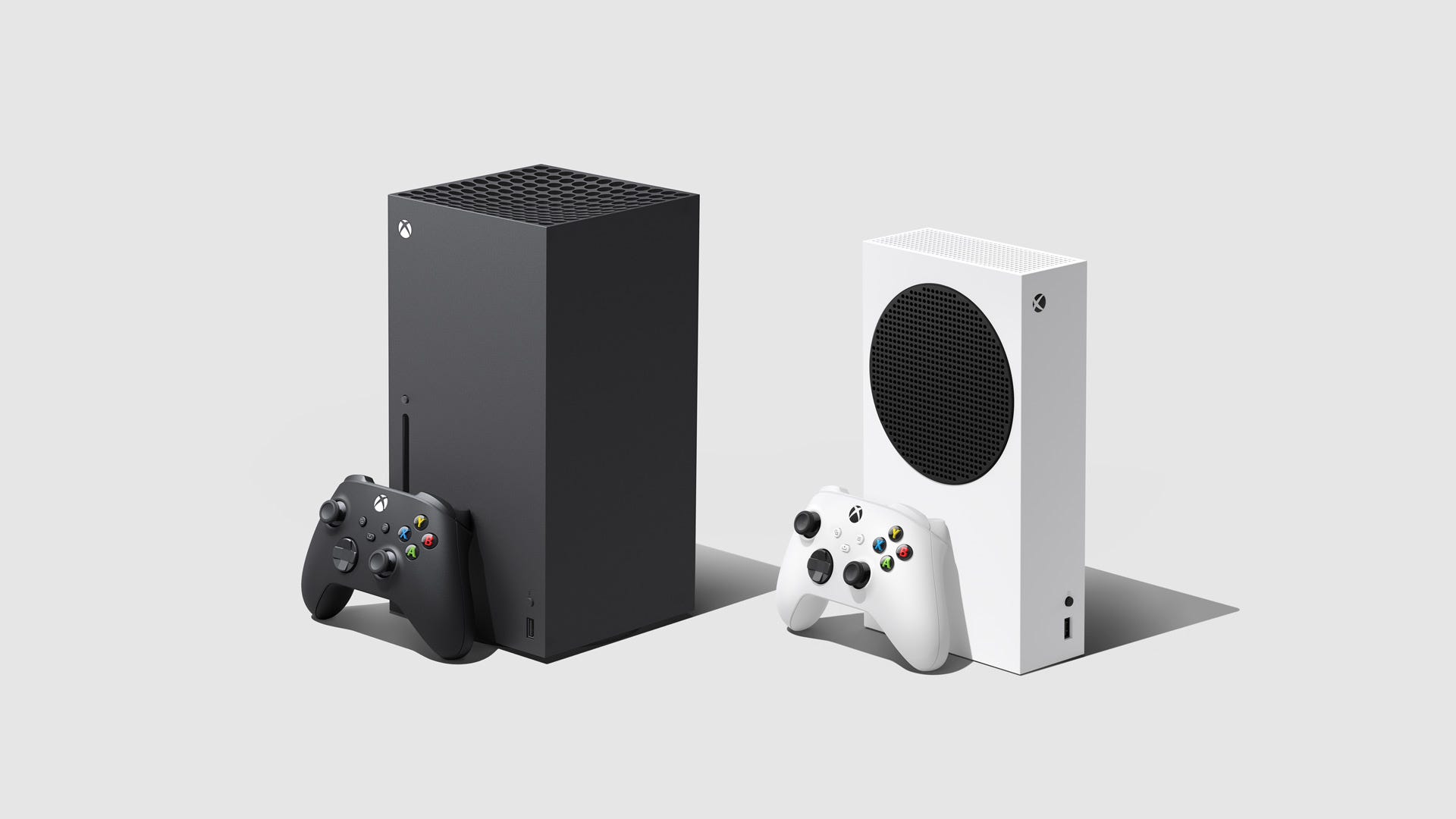
I’ve been playing on Xbox since 2001. I didn’t even fully understand who Master Chief or Cortana were at the time — I just knew that the covenant had to be destroyed. That box under the TV was Xbox to me. Twenty-five years later, even though I’m primarily a PC gamer now and I still keep an Xbox at arm’s reach, nothing has changed in my mind: when someone says “Xbox,” I picture a physical console - every single time.
That’s why the “This is an Xbox” campaign always felt off to me. It didn’t just feel like subpar marketing — it felt like gaslighting.
The campaign kept telling us that our phones, our PCs, our smart TVs, even random screens with an internet connection were all “an Xbox.” Microsoft looked us in the eye and said, “Everything is going great — you don’t even need our actual console anymore.” Meanwhile, hardware sales had been quietly sliding for years.
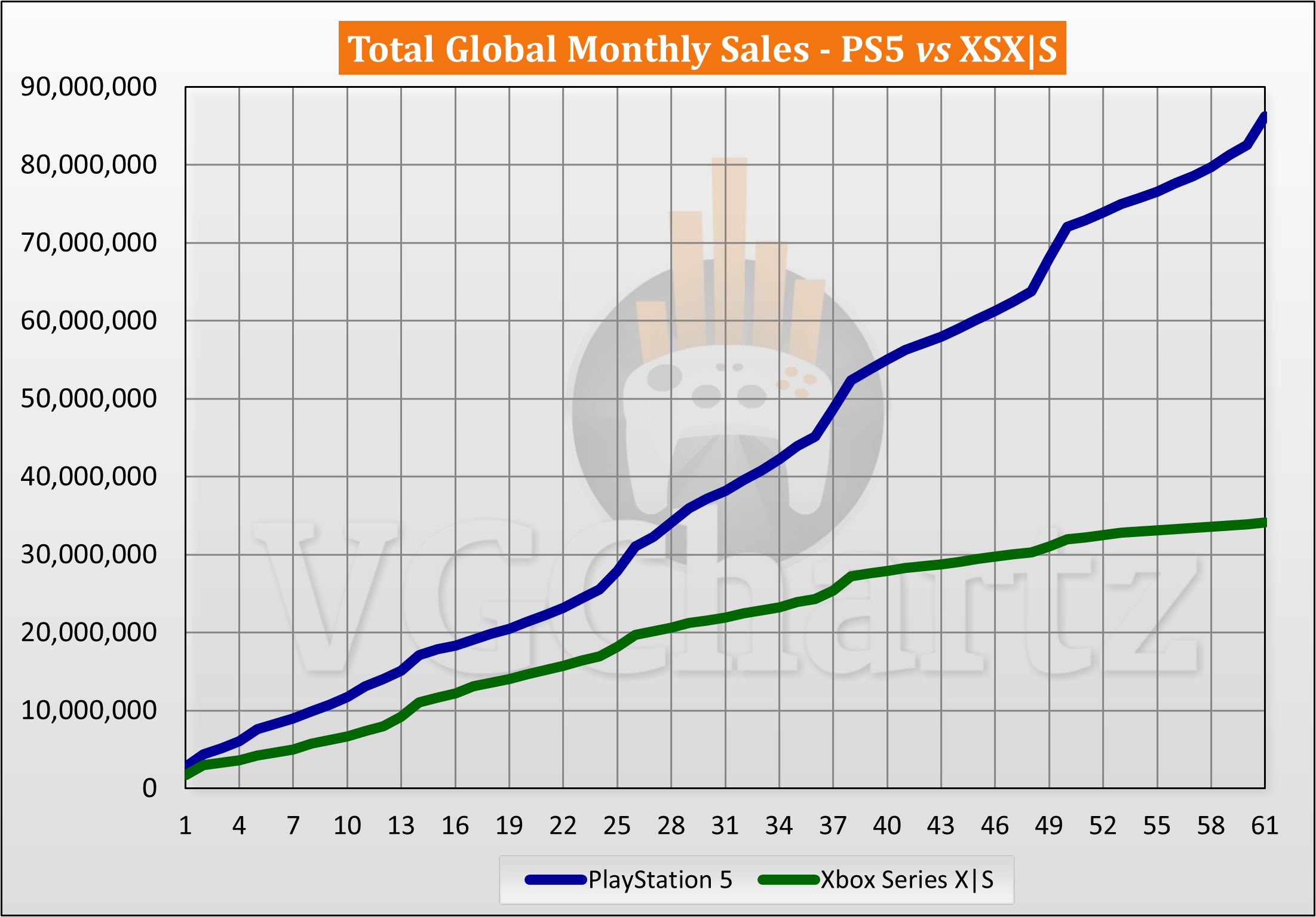
To put it in perspective: as of early 2026, the PlayStation 5 has sold roughly 90 million units, while the Xbox Series X|S sits at around 34 million. That’s a nearly 3-to-1 gap. Xbox hardware revenue dropped 32% year-over-year in the most recent quarter, and it had been declining for multiple quarters before that. The numbers made it obvious the console side wasn’t performing like it used to.
For me as a consumer, the campaign created this weird cognitive dissonance. I love the Xbox ecosystem — Xbox Game Pass, the controller feel (which revolutionized the controller market today), the living-room experience — but I don’t associate “Xbox” with my phone or my laptop. I associate it with the box I grew up with. Being told the hardware didn’t matter anymore felt like Microsoft was trying to rewrite something that was emotionally real to you and me. It denied the very thing that made Xbox special to its core fans.
From the business side, I get why they did it. Xbox stopped pushing hardware sales hard a while ago and shifted focus to services and “play anywhere.” Bundling every screen and device under the Xbox name was probably meant to soften the blow of declining console numbers and make the brand feel bigger than it actually was in the living room - who knows. In theory, it could have helped market share by lowering the barrier for new players. In practice, it came across as desperate — like they were trying to convince us (and maybe themselves) that weak hardware sales weren’t a problem.
The timing made it sting even more. It dropped when a lot of Xbox fans were already feeling neglected — fewer true exclusives, more multi-platform releases, Xbox Game Pass price hikes. Then the ads essentially said, “Actually, you don’t even need our console.” That landed like adding insult to injury for many.
And now? The original campaign announcement post is a 404 error. Most traces of it have been quietly scrubbed from the web, especially after new Gaming CEO Asha Sharma took charge. It feels like they tried to sell us a vision, it backfired, and they’re pretending the whole thing never happened.
At the end of the day, I’m still a huge believer in the Xbox ecosystem. I just wish they’d leaned into what Xbox actually means to people like you and me — a great console first — instead of trying to convince us it was something else entirely. Hardware still matters. The box still matters. It sounds like they are trying to do that, get back to fundamentals - under Asha Sharma’s watch.
What did you think of the “This is an Xbox” campaign? Did it feel off to you too, or did I miss the point?
This Substack is reader-supported. To receive new posts and support my work, consider becoming a free or paid subscriber.
Thanks for reading! This post is public so feel free to share it.
Comments
Nothing yet. Say the first thing.
Sign in to join the conversation.