
For many, August and September mark the start of a new school year.
Whether you’re in high school, university, or even pursuing a post-school qualification, studying is a big part of life. While it can be incredibly rewarding, there are times when it can be difficult to stay motivated.
To get back into study shape, I’ve created a study guide covering everything you need to know and have when studying. This includes note-taking and study techniques, stationery essentials, ways to stay motivated, and some additional tips.
I hope this helps you <3
A big and important part of studying is how you take notes. It’s simply the foundation of studying! These four note-taking methods are the most commonly used in university students and are particularly effective for retaining information.
Cornell: organizes information into structured sections to promote review and summarization
Parallel: record main ideas and details simultaneously in corresponding columns
Digital: employs technological tools and devices to enhance accessibility and organization
Sentence: involves writing down information in full sentences to capture detailed content and logical flow
You might be a “traditional” student and record everything in your notebook, or prefer to keep everything digital as it’s easier to look up small details without going through multiple papers.
The main idea behind all note-taking methods is to record the main ideas and key details in an organized manner. How you do this is simply personal preference and what works for you.
The first question a student should ask themselves is: What type of student am I?
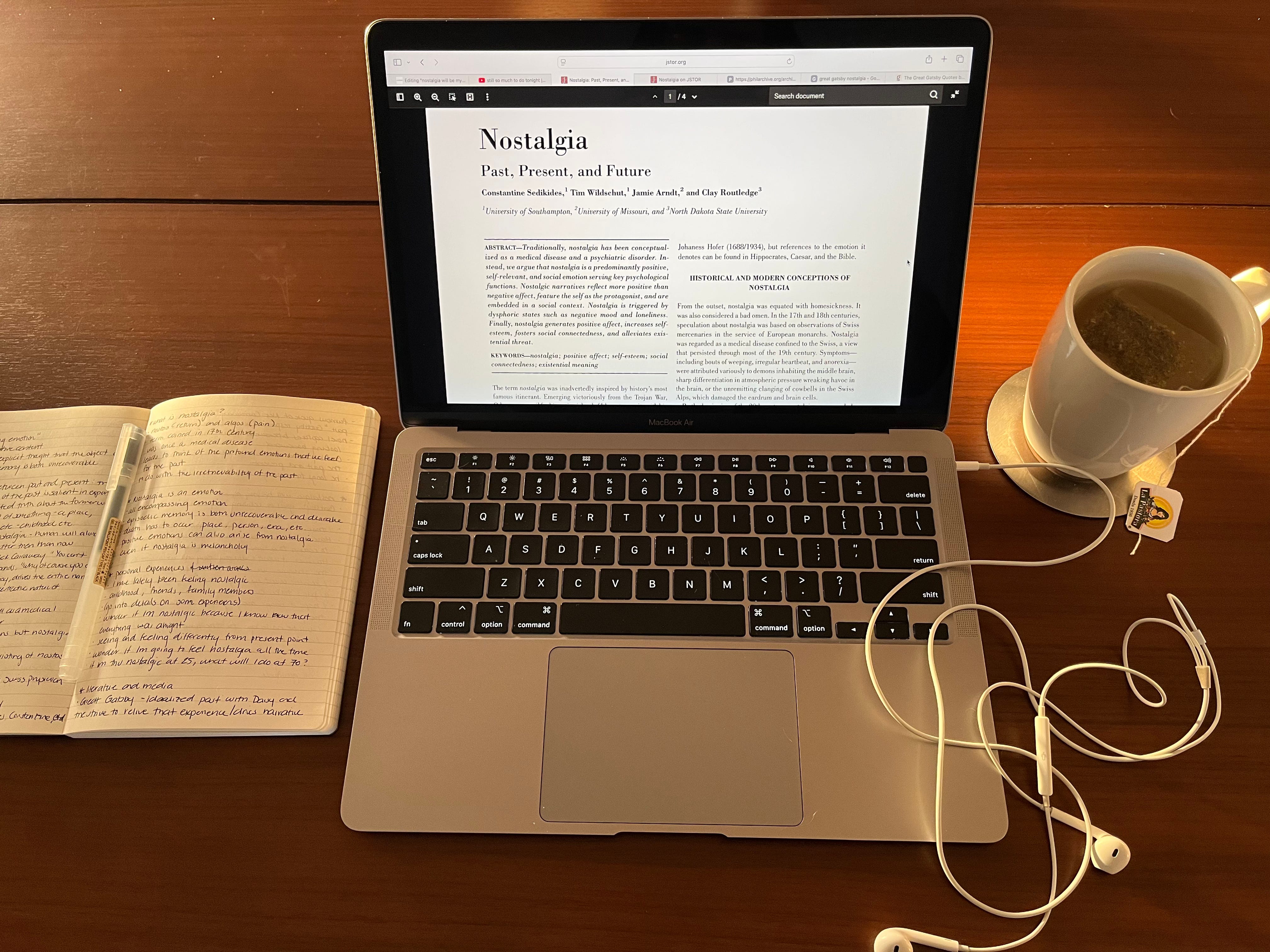
Some students prefer to work in groups, while others do better studying alone. Some benefit from practice tests and creating study guides, while others are more auditory learners.
While there are many different study methods, I’m going to focus on the ones that have been proven to be the most successful and effective.
practice testing: self-testing or taking practice tests on to-be-learned material
distributed practice: implementing a schedule of practice that spreads out study activities over time
interleaved practice: implementing a schedule of practice that mixes different kinds of problems, or a schedule of study that mixes different kinds of material, within a single study session
elaborate interrogation: generating an explanation for why an explicitly stated fact or concept is true
self-explanation: explaining how new information is related to known information, or explaining steps taken during problem solving
If you find that your studying technique isn’t working, or you need a new way to work through your notes and textbooks, try another technique! Finding a study method that works for you is the key to achieving your goals. Once you’re in tune with how your mind processes and retain new information, the easier coursework will be.
Some additional study techniques that are simple but incredibly useful include making flashcards, study guides, and annotating your notes and textbooks.
It’s important to note that research suggests highlighting and underlining are not particularly effective when it comes to retaining information. They are helpful for emphasizing and identifying important information within from large body of text. However, they should be treated as a first step in your study process. Reviewing the highlighter or underlined information using an effective study technique will be better for long-term learning and academic success.
Moving onto my favorite part of studying: the stationery!!
Even though a large part of stationery can be for aesthetic purposes, having beautiful materials can make you more excited to study and actually use them.
Starting with notebooks, I would choose sizes that can fit in your backpack or bag. The most common are B5, A5, and B6. Some brands for good quality notebooks are Kokuyo Campus, Muji, and Five Star. These brands offer a range of aesthetics, prices, and notebook styles, such as bound or spiraled notebooks.
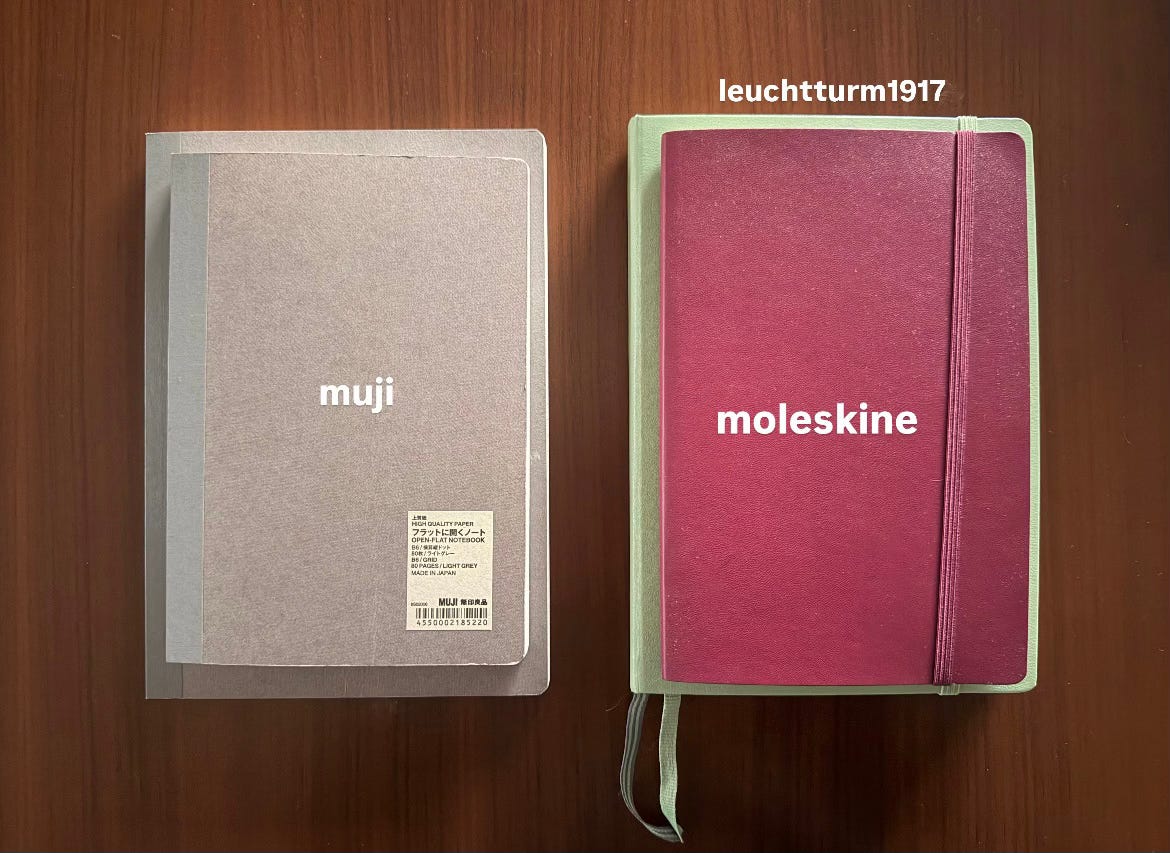
Everyone, whether they’re a student or not, needs a planner. They’re a necessity no matter the phase of life you’re in. If you’re looking for a more aesthetic planner, the Hobonichi Techo is a great option as they have lots of sizes and cover designs. Moleskine and Leuchtturm1917 are also great options that are high quality and easy to buy. While these are more aesthetically pleasing, any planner is great as long as it works for you.
Below, here’s a little tour of what I usually keep in my A-7551 Lihit Lab pencil case! I got it years ago, and while it’s a little worn now, it has held up pretty well.
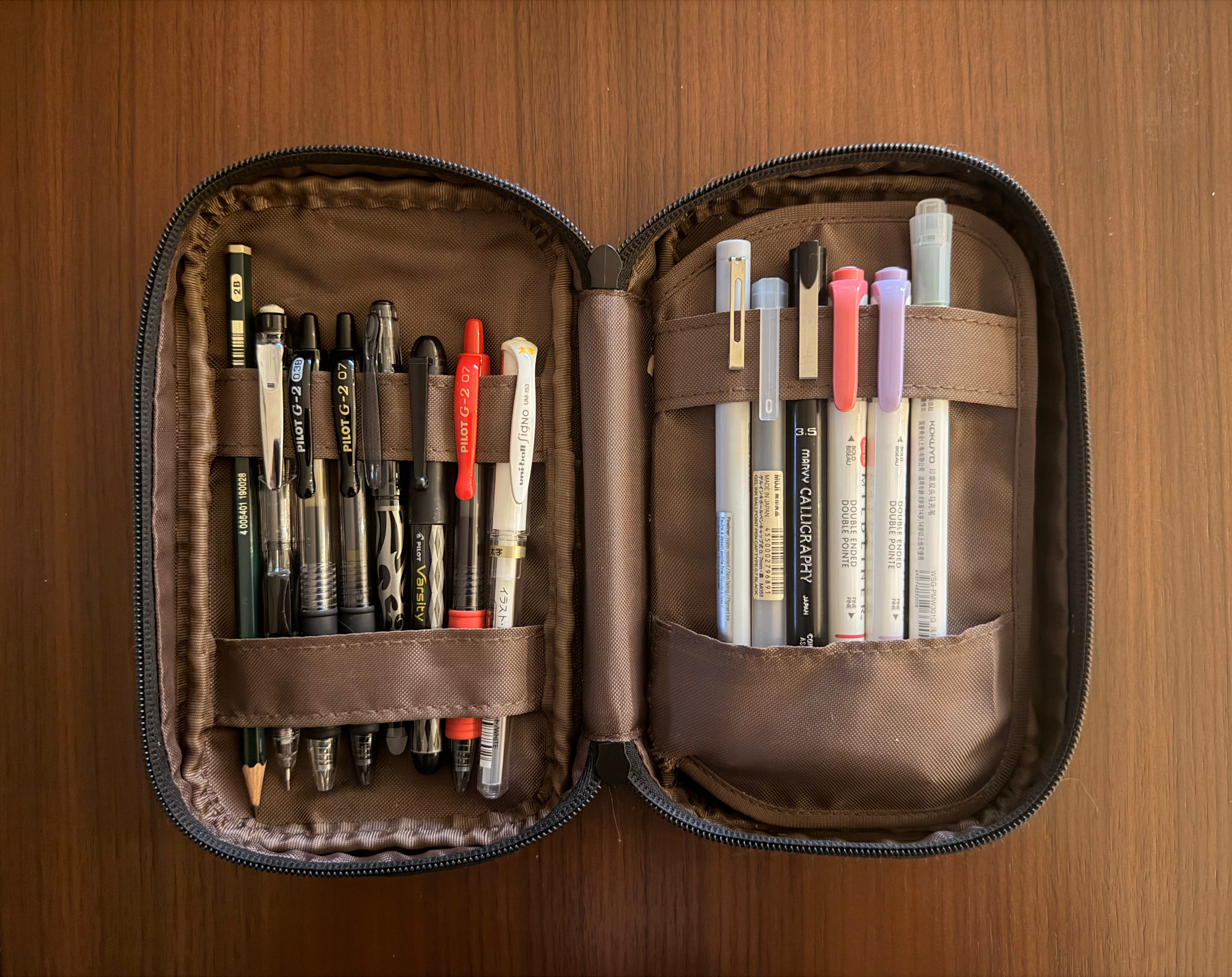
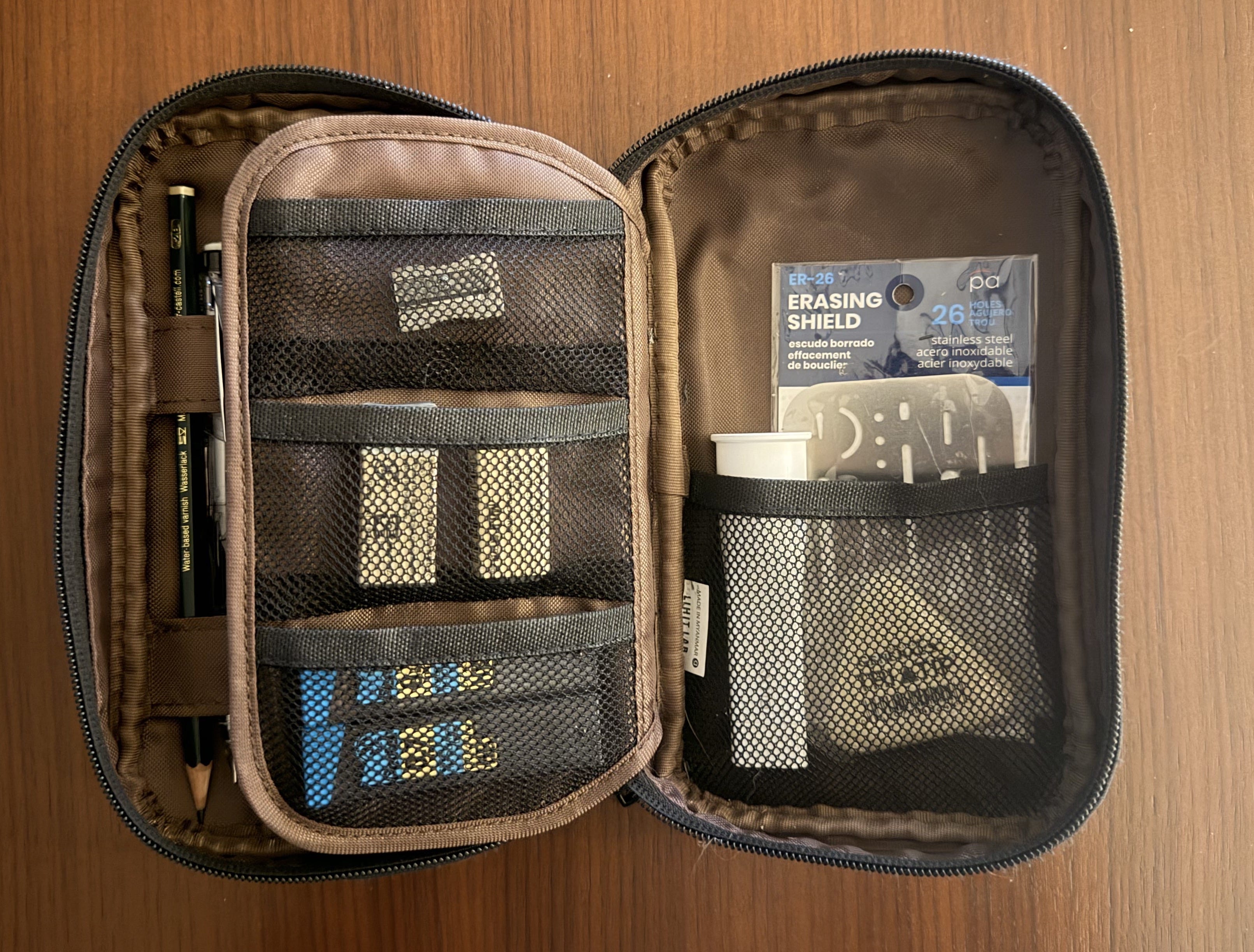
For additional supplies, I would opt for water-resistant folders, flashcards, sticky notes/tabs (for annotating, I would recommend getting see-through sticky notes), glue stick, correction tape, and a small ruler for taking notes.
After many years of school, I’ve found that certain apps are essential for keeping up with your workload and expanding your knowledge.
For planning and keeping things organized, Notion is perfect. It’s a digital workplace platform where you can customize everything that you need—calendar, note-taking, task tracking, to-do lists, etc.. This is great for those who prefer digital planners and need something to organize all their coursework digitally.
If you’re someone who loves flashcards, you know how difficult it can be to carry them everywhere—especially when midterms and finals roll around. I used Quizlet for years because it’s a great way to keep all your flashcards in one place, allowing you to review them whenever you’re studying or have some free time.
For writing essays, Google Docs will always be my favorite. It’s reliable and it automatically saves everything for you, even if you just add an apostrophe. It’s also easy to share documents and work on them across different devices.
If you want more information on topics such as art history, math, world history, Khan Academy is a great platform where you have more lessons and goes over hard topics. YouTube is also a great source as there are channels that focus on certain subjects and go over topics in great length.
If you need or want to access academic articles, my favorite website is JSTOR. It gives you primary sources, peer-reviewed journals, and scholarly e-books. It’s also worth seeing whether your school or workplace provides free access to websites with additional resources.
We often start the school year with a lot of motivation, but as lectures, assignments, and exams begin to pile up, it’s difficult to keep that motivation high.
While I think you can push through, I’ve personally found that changing up your routine is what helps.
The change of routine can be as simple as implementing a new drink or snack while you study. This can be trying new drinks like teas, smoothies, or juices and snacks like hummus with veggies, fruit gummies, or a platter with a variety of cheeses and crackers. Changing your routine, even just a little, can make studying feel more enjoyable. In a way, your brain can see these small treats as a reward while also giving you some extra energy.
If you’re studying in the same place all the time, it can also be beneficial to change your environment every now and then. Try going to a coffee shop or your public library for a couple of hours. Studying around other people can also make it easier to stay focused on your work instead of reaching for your phone every few minutes.
If you feel like it would work for you, setting up study hangouts with friends can be a great way to study. You can quiz each other, review topics, and go over anything that you’re still struggling with. Of course, studying with friends is fun, so the biggest challenge is making sure that everyone stays focused. Try studying for a couple of hours and, if you have time afterwards, hang out and talk about anything else!
Another way to stay focused is by taking breaks. The longer the study session, the more draining it can be, which can negatively impact your concentration. Therefore, take some time to got for a walk, stretch, or simply step away from your work every now and then.
A great way to keep track of your breaks is by using the Pomodoro technique. It’s a time management system that breaks your work into focused 25-minute intervals—called pomodoros—separated by short 5-minute breaks. After four cycles, you take a longer 15 to 30 minute break. It’s a great technique if you find yourself getting distracted easily or struggling to study for long periods of time.
*make sure to get plenty of rest—it’s common to stay up late and study but you need to be well rested to perform your best on exams
*create a study playlist of songs that help you stay focused, this could include classical music, nature sounds, or acoustic music.
*keep a water bottle with you while you study so you’re always hydrated
*if you tend to procrastinate, work little by little—breaking your workload into smaller tasks can be more manageable
*carve out a day or two each week where it’s free time
*if you tend to look at your phone while studying, place it in another room—out of sight, out of mind!
*go through folders and binders after finishing a unit or semester, keep only what is important
*watch “study with me” videos on YouTube, this is a great source of motivation
*you’re worth more than a grade—never forget that
sources:
Dunlosky, John. “Strengthening the Student Toolbox: Study Strategies to Boost Learning.” American Educator, vol. 37, no. 3, 2013, pp.12-21
Weinstein, Yana et al. “Teaching the science of learning.” Cognitive Research: Principles and Implications, vol. 3, no. 1, Jan. 2018, pp. 1-17
Yıldırım, Mesut. “The Effects of Note-Taking Methods on Lasting Learning: The Role of Motivation and Cognitive Load.” Frontiers in Psychology, vol. 16, Frontiers Media
If you liked this post, consider being a paid subscriber or buying me a coffee :)
I recently opened up the ink & threads subscriber chat where readers of the publication can connect. We talk about books, what we write about, and what’s going on in our lives! If you’re wanting to hang out and meet new people, you can find the chat here:
No posts
Comments
Nothing yet. Say the first thing.
Sign in to join the conversation.