
By 2030, climate change could push over 100 million people into extreme poverty globally (World Bank Report), while heat stress alone is projected to cause massive economic and productivity losses across countries like India. What was once considered a long-term environmental concern is rapidly becoming an economic, infrastructure, and human survival challenge.
And as these disruptions become more frequent, one thing is becoming increasingly clear:
Sustainability alone is no longer enough.
The future will belong to systems, businesses, and cities that are climate resilient.
Because while sustainability focuses on reducing long-term environmental impact, resilience focuses on something equally urgent:
the ability to adapt, survive, and recover in a rapidly changing world.

Barack Obama
Former US President
We are the first generation to feel the impact of climate change - and the last generation that can do something about it.
2025 was among the hottest years ever recorded globally (World Meteorological Organization)
India is projected to lose billions in economic productivity annually due to heat stress and climate-linked disruptions
Over 75% of Indian districts are now considered climate-vulnerable (CEEW Report)
India’s demand for cooling is expected to grow nearly 8x by 2037, increasing pressure on energy systems and infrastructure (ICAP Report)
By 2050, India could see a significant rise in climate-related extreme weather events, including heatwaves, floods, and water stress
July 2026
From Sustainability to Resilience

For years, climate conversations have focused on sustainability:
reducing emissions
minimising waste
adopting cleaner energy systems
And while these efforts remain critical, they no longer fully address the scale of the challenge ahead. Many climate disruptions are no longer distant risks waiting to emerge - they are already influencing economies, infrastructure systems, and everyday life in real time.
This is why resilience is becoming the next major climate priority.
The question is shifting from:
“How do we reduce impact?”
to
“How do we continue functioning despite disruption?”
Hyderabad’s
As Indian cities confront climate pressure, Hyderabad is quietly emerging as a growing hub for climate innovation and resilience-focused ecosystems.
Traditionally known for IT and pharma, the city is now witnessing increasing momentum around:
Climate-tech startups
EV & Mobility
Sustainable infrastructure
Agri-innovation
Water and energy solutions
Innovation-led policy ecosystems
Companies like Greenko are investing heavily in renewable energy, energy storage, and large-scale decarbonisation infrastructure, positioning Hyderabad as an important player in India’s clean energy transition. At the same time, startups like PURE EV, incubated at IIT Hyderabad, are contributing to sustainable mobility through electric vehicle and battery technology innovation.
What makes Hyderabad particularly important is its convergence of:
GCC growth
Innovation ecosystems
Public infrastructure expansion
Climate-focused entrepreneurship
Together, these are positioning the city as more than just a technology hub.
It is becoming a testing ground for how rapidly growing urban centres can adapt to climate realities.
Climate Resilience Is Becoming an Economic Imperative
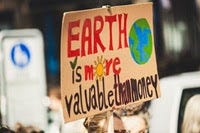
Climate change could reduce India’s GDP by nearly 3% by 2050 (World Bank Report), while extreme heat events are already affecting productivity, energy demand, and urban infrastructure systems across the country.
India is witnessing growing pressure across:
Urban infrastructure and mobility systems
Energy demand and cooling requirements
Water availability and resource security
Labour productivity during extreme heat events
At the same time, climate-linked disruptions are forcing governments, businesses, and urban ecosystems to rethink how they plan for growth, resilience, and long-term continuity.
So What Needs to Change?
The next phase of climate action cannot focus only on sustainability targets and long-term commitments.
It must also focus on:
Climate-resilient infrastructure
Smarter urban planning
Water and energy security
Heat-action systems
Community preparedness
Resilient public services
Because resilience is no longer optional.
It is becoming foundational.
Hottest Grants this Week
AndPurpose Grants

The Sharing Slovak Expertise Program 2026 Serbia supports public administration professionals through internships, study visits, and expert exchanges. Focused on governance training programs and capacity building Serbia, it promotes knowledge transfer, strengthens institutional skills
Deadline: 31 july 2026

Thunder Bay Sustaining Grants Canada provide long-term operational funding for established nonprofits delivering essential services. Focused on stability, governance, and community impact, these community grants Canada support organizations with proven track records, ensuring continued service delivery, financial sustainability.
Deadline: 26 June 2026
As climate disruptions intensify globally, the most important question may no longer be:
“Who is sustainable?”
But rather:
“Who is prepared?”
Because the future will not simply belong to the greenest systems.
It will belong to the systems capable of adapting, recovering, and continuing to function in the face of disruption.
And in the years ahead, resilience may become one of the most important forms of infrastructure we build.
With Love & Purpose,
Team AndPurpose
No posts
Comments
Nothing yet. Say the first thing.
Sign in to join the conversation.