
On 22 January 2026, NITI Aayog launched three reports on enhancing circular economy systems for End-of-Life Vehicles (ELVs), Waste Tyres, E-waste, and Lithium-ion Batteries at the International Material Recycling Conference (IMRC) in Jaipur. The signal was clear: as India advances towards its Viksit Bharat 2047 vision, economic growth is increasingly tied to resource security, emissions management, and industrial resilience.
India’s rapid digitalisation, energy transition, and evolving mobility systems are materially intensive. At IMRC, circularity was framed not as a downstream waste solution, but as upstream economic infrastructure. This framing aligns with the Solid Waste Management (SWM) Rules, 2026, which emphasise source segregation, decentralised processing, material recovery, and accountability across urban and industrial systems. Waste governance is now embedded within economic planning.
In this edition of People, Planet & Purpose, we explore why ELVs, waste tyres, e-waste, and lithium-ion batteries are central to India’s growth and sustainability strategy.
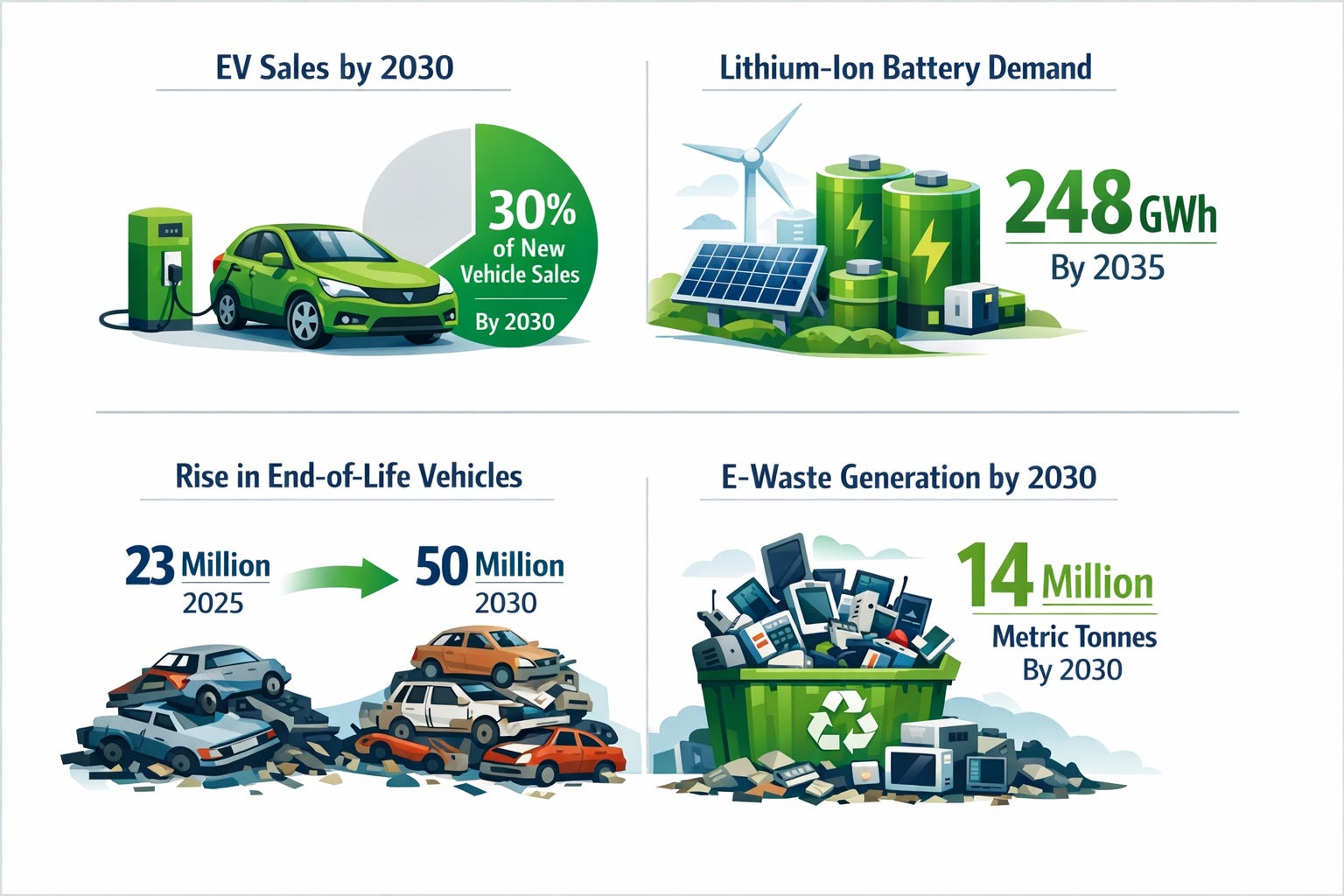
Waste generation is accelerating faster than legacy systems anticipated. At the same time, SWM Rules 2026 raise expectations around scientific processing and landfill minimisation.
The scale of transition is significant:
Electric vehicles are projected to account for 30% of new vehicle sales by 2030.
Lithium-ion battery demand may reach 248 GWh by 2035, driven by EVs, renewables, and digital infrastructure.
End-of-life vehicles are expected to increase from ~23 million in 2025 to nearly 50 million by 2030.
Annual e-waste generation could reach 14 million metric tonnes by 2030, excluding battery waste.
These are no longer marginal waste streams; they are systemic. If unmanaged, they create environmental and public-health risks. If governed effectively, through segregation, traceability, and recovery, they become domestic material supply, jobs, and emissions reductions (E-Waste Challenges in India: Environmental and Human Health Impacts).
Circularity cannot be achieved through fragmented interventions. It requires coordinated policy, infrastructure, market incentives, and enforcement, an approach reinforced by SWM 2026.
Key priorities emerging from IMRC include:
Scaling Registered Vehicle Scrapping Facilities (RVSFs) and Automated Testing Stations
Integrating informal recyclers into regulated systems
Strengthening Extended Producer Responsibility (EPR) enforcement
Promoting urban mining of steel, aluminium, copper, lithium, cobalt, and rare earths
These align with the E-Waste Management Rules (2022), Battery Management Rules (2022), and oversight from the Ministry of Environment, Forest and Climate Change, treating circularity as an industrial strategy rather than environmental compliance.
India’s ELV ecosystem demonstrates both regulatory progress and structural constraints. While scrappage policies and EPR frameworks are advancing, dismantling and material recovery remain largely informal, creating inefficiencies and safety risks.
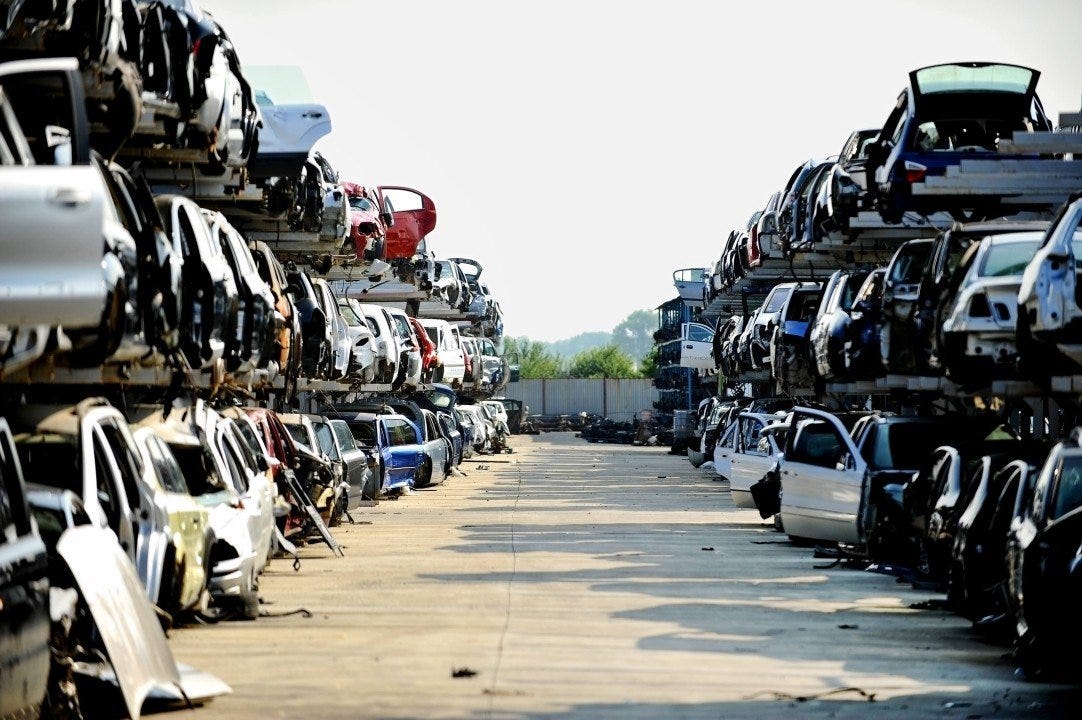
Formal ELV recycling could recover millions of tonnes of steel annually, reducing imports and emissions from primary mining. Research (MDPI 2022; Scientific Reports 2022) identifies three consistent themes:
Regulatory push is a strong driver
Informal dominance is the largest barrier
Formalisation could unlock significant employment and economic value
The opportunity lies in building traceable, standardised recycling systems at scale.
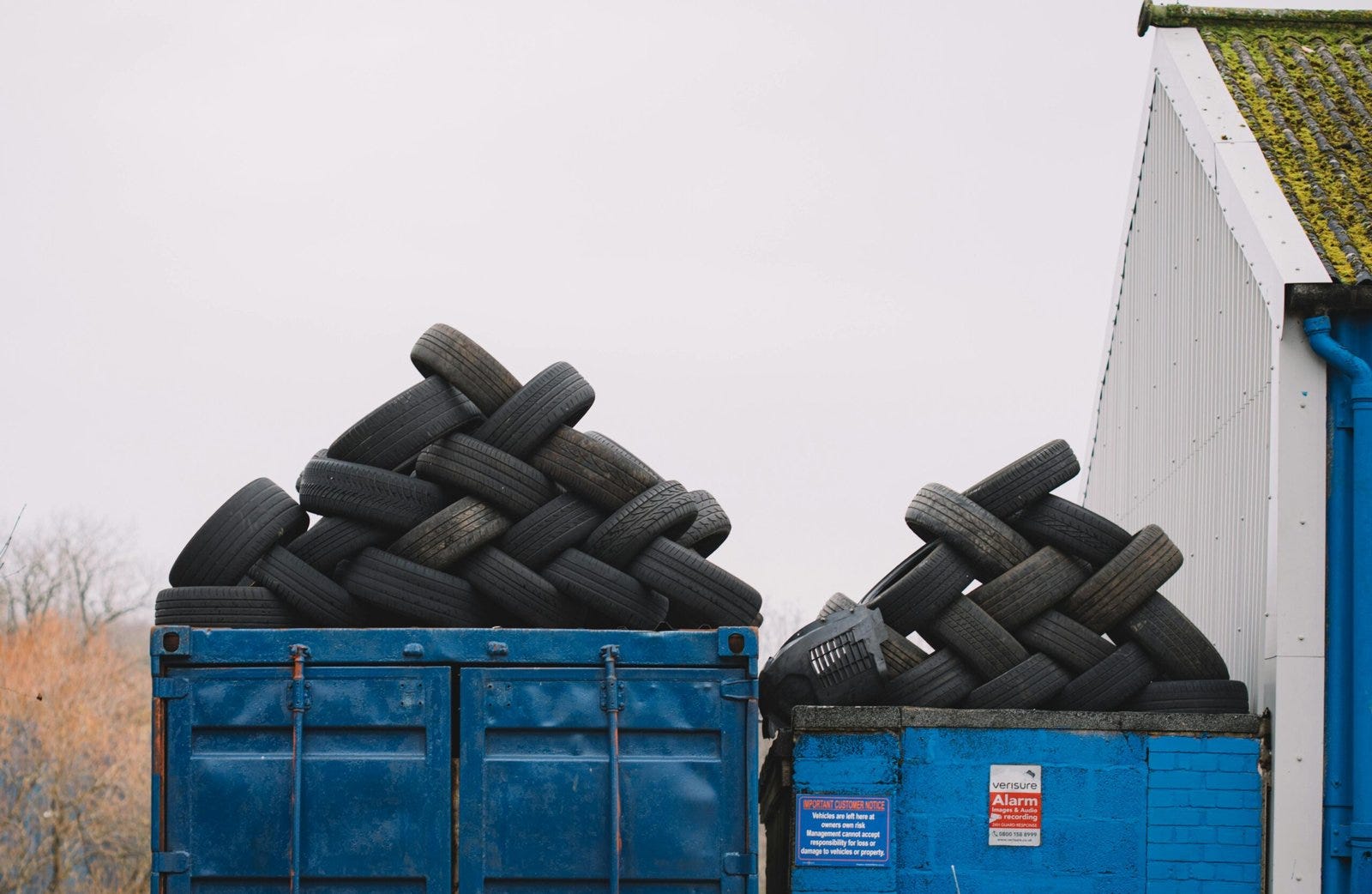
India generates roughly 1.5–2 million tonnes of waste tyres annually. Weak enforcement and substandard recycling create pollution and lost value (ScienceDirect).
Advanced recycling technologies, particularly pyrolysis (learn here), can be environmentally viable and commercially attractive when quality standards are enforced. Products such as pyrolysis oil and recovered carbon black can substitute imports and support the domestic industry. However, inconsistent monitoring and informal operations limit investor confidence.
Stronger standards, traceability systems, and EPR compliance could transform tyre waste into a reliable industrial input.
E-waste is India’s fastest-growing waste stream, driven by electronics consumption, digital infrastructure, and electrified mobility.
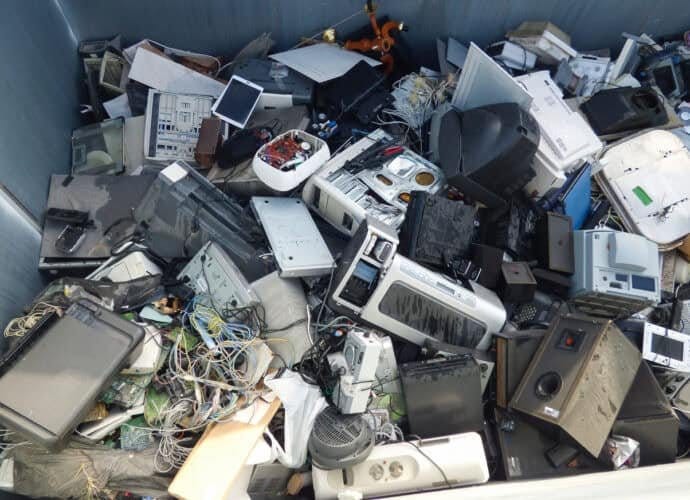
Research indicates:
India could generate 14–29 million tonnes annually by 2030 (Markets and Data).
Only about 22% is processed through formal recycling channels (ResearchGate).
Informal handling exposes workers and ecosystems to hazardous materials.
Formal recycling enables recovery of gold, copper, aluminium, lithium, and cobalt (BusinessWire).
Battery waste intensifies the urgency. As EV adoption expands, lithium-ion batteries become a strategic material stream. Efficient recycling supports environmental protection, energy security, and critical mineral resilience
If implemented effectively, circular systems across vehicles, tyres, electronics, and batteries could deliver:
Job creation in recycling, logistics, repair, and materials recovery
Reduced dependence on imported metals and critical minerals
Lower lifecycle emissions
Safer and more formalised livelihoods
Circularity becomes a resilience strategy – economic, environmental, and social.
Hottest Grants this Week
The Goethe-Institut’s International Coproduction Fund supports international artistic collaborations that promote cultural exchange and innovative creative practices. Open to individual artists, NGOs, and nonprofit organisations, the fund focuses on jointly developed projects in the culture and arts sector involving partners from different countries. Grants range from EUR 15,000 to EUR 30,000, depending on project scale and scope.
Deadline: 1 April 2026.
The ASPIRE Fellows Program is a two-year opportunity for early- to mid-career professionals to work closely with government departments and research partners to scale evidence-based public policy interventions in India. Hosted by ASPIRE and linked with J-PAL South Asia, the fellowship offers hands-on exposure to policymaking, monitoring, and evaluation, beginning with structured onboarding in Delhi and followed by government placements.
Deadline: 8 March 2026
The priority now is execution. This requires:
Coordination across ministries and industry
Capital investment supported by incentives and blended finance
Transparent compliance systems and data flows
Positioning India as a circular economy leader for the Global South
For businesses, this opens opportunities in EPR compliance, recycling technologies, and circular design. For policymakers, it aligns growth, employment, and sustainability more coherently.
India’s waste challenge is often framed as a crisis. A more strategic narrative is emerging: waste as resource, regulation as enabler, circularity as foundation for inclusive growth.
As India deepens its development transition, the question is not whether circular systems are needed, but how quickly they can be built, scaled, and trusted.
With Love & Purpose,
Team AndPurpose
No posts
Comments
Nothing yet. Say the first thing.
Sign in to join the conversation.