
The first month of 2026 has passed, and as we move deeper into the final quarter of the financial year, something important is happening beneath the surface of policy announcements.
This is the time of year when intent hardens into direction, when budget allocations, legal interpretation, and international positioning begin to reveal what governments and institutions are truly prioritising. And this year, the signals are unusually aligned.
Across fiscal policy, trade negotiations, and constitutional law, sustainability is no longer being articulated as an aspiration. It is being shaped through enforceable mechanisms-mechanisms that determine access to capital, markets, infrastructure, and rights.
In this edition of People, Planet & Purpose, we examine three recent developments that together form a powerful policy triad:
India’s Union Budget 2026,
the EU–India Free Trade Agreement, and a
Supreme Court mandate on menstrual health.
Why this moment matters
Sustainability is now being addressed simultaneously across economic, legal, and social systems - each with quantifiable implications.
What connects these moves is not sector or geography, but structure. Public spending is signalling where capital will flow. Trade frameworks are defining the conditions under which markets will operate. Courts are establishing non-negotiable obligations tied to dignity, health, and access.
Together, they suggest a shift: sustainability is no longer a parallel agenda.
It is becoming a condition.
Union Budget 2026: sustainability as economic strategy
The Union Budget 2026–27 reinforces a growing trend-sustainability framed not as a climate add-on, but as core economic infrastructure.
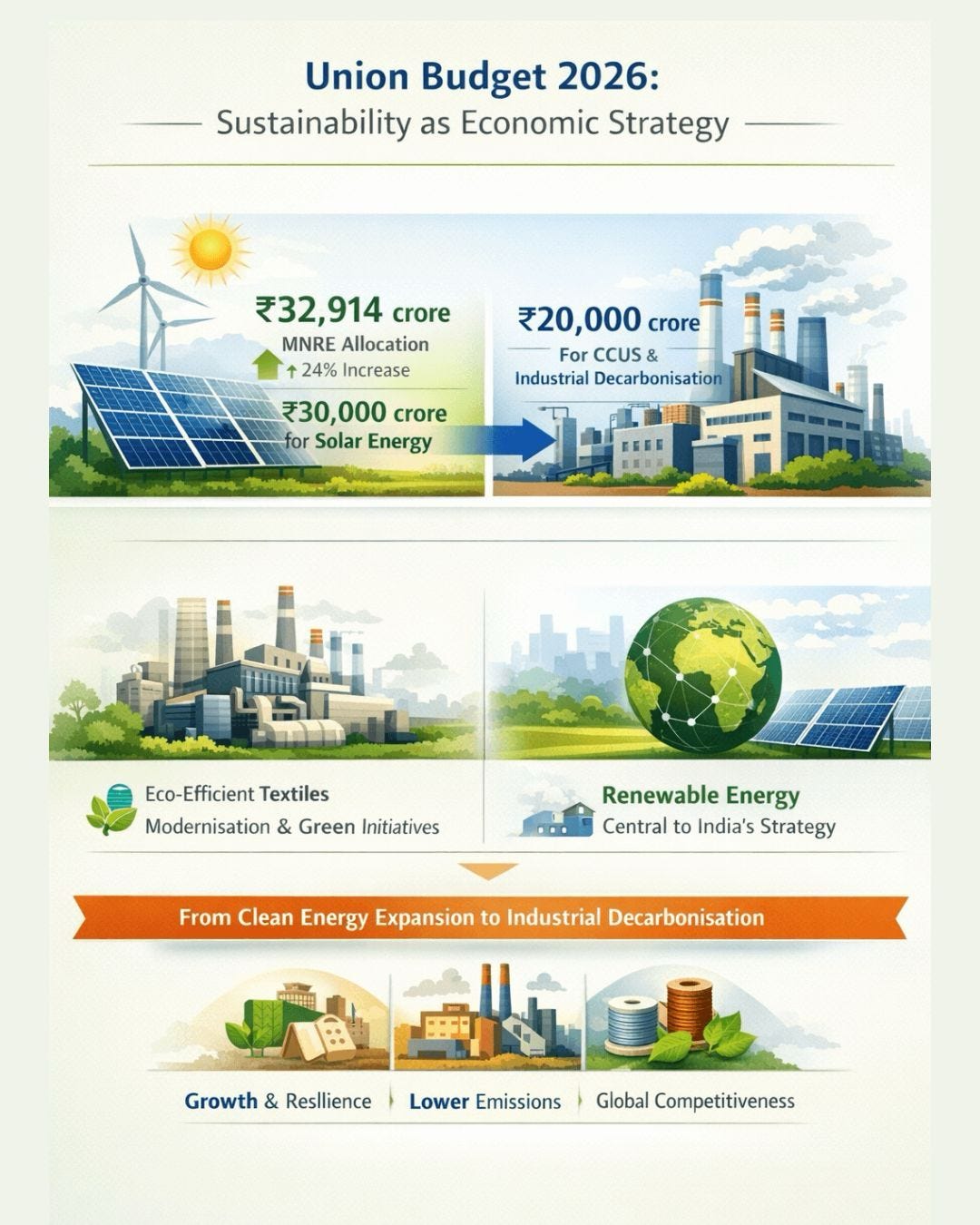
A key signal lies in clean energy financing. The Ministry of New and Renewable Energy (MNRE) received an allocation of ₹32,914 crore, marking a nearly 24% increase over the previous year.
Over ₹30,000 crore has been directed toward solar energy, underscoring its central role in India’s renewable capacity expansion and grid integration strategy. (EY India)
Focus on industrial decarbonisation - an allocation of ₹20,000 crore spread over five years has been announced for Carbon Capture, Utilisation and Storage (CCUS) technologies, targeting hard-to-abate sectors such as steel, cement, refineries, and power. (The Economic Times, Tata Power)(NDTV)
Complementary measures in sectors such as textiles, focused on modernisation and eco-efficiency, further indicate an effort to align competitiveness with sustainability outcomes. (Down To Earth)
This reflects a strategic pivot - from only expanding clean supply to addressing emissions embedded deep within industrial value chains.
Targeted signals from the Budget suggest that sustainability is being embedded into how India plans growth, manages risk, and positions its industries for global competitiveness.
Supreme Court mandate on Menstrual Health: Law, Dignity, & Public Responsibility
In January 2026, the Supreme Court of India delivered a landmark judgment recognising menstrual hygiene as intrinsic to the right to life and privacy under Article 21. (The Hindu)
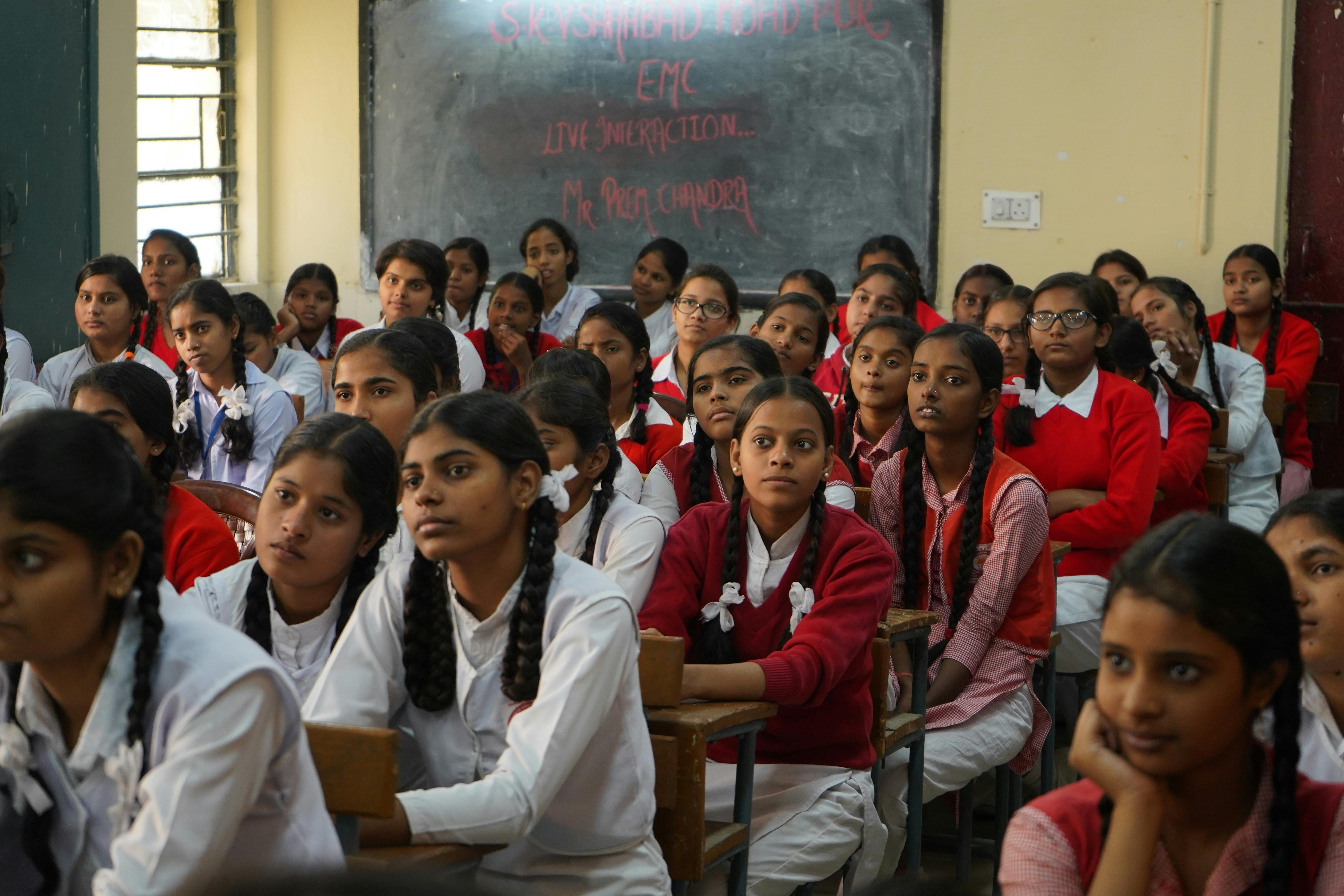
The Court directed central and state governments to ensure access to
sanitary products,
functional toilets,
safe disposal facilities,
and awareness programmes across both government and private schools.
The significance of the ruling lies in how it reframes menstrual health from a discretionary social intervention to a matter of legal accountability and public infrastructure.
By interpreting sanitation and menstrual health through a rights and governance lens, the judgment elevates these issues beyond welfare schemes to core public obligations, taking a small step towards a very big goal.
The Mother of all Deals for the Mother Planet
EU–India Free Trade Agreement: sustainability as market access
On 27 January 2026, India and the European Union concluded one of the world’s largest Free Trade Agreements, covering nearly 2 billion people and around 25% of global GDP

.The agreement is expected to eliminate or reduce tariffs on over 96% of EU goods exports to India, potentially doubling EU exports by 2032 and saving approximately €4 billion annually in duties. (Al Jazeera).
Alignment with the EU’s Carbon Border Adjustment Mechanism (CBAM) will require greater emissions transparency from Indian exporters, particularly in carbon-intensive sectors. Climate compliance is no longer voluntary-it is becoming central to retaining access to European markets. (ESG Post; ORF)
Equally significant are the agreement’s labour provisions. Through a legally binding Trade and Sustainable Development (TSD) chapter, both parties commit to core International Labour Organisation (ILO) principles, including freedom of association, elimination of forced and child labour, non-discrimination, and safe working conditions. These commitments are supported by monitoring and cooperation mechanisms. (European Commission)
Beyond trade volumes, the structural importance of this agreement lies in how sustainability is embedded within it. In effect, sustainability-environmental and social is being structurally linked to competitiveness.
While the EU–India FTA positions sustainability as a central pillar, it raises an uncomfortable question: is sustainability truly embedded in the economic engine of the agreement, or is it carefully framed, diplomatically contained, and ultimately peripheral to the decisions that will shape real outcomes?
For a critical take on this agreement, Shailendra Yashwant’s piece in Deccan Herald offers a compelling perspective.
Events that are bridging policy with practice
February is a particularly active month for learning, collaboration, and shaping a purposeful year ahead. While we are not hosting an AndPurpose-led event this month, you’ll find us participating in and partnering with several important convenings across the country - spaces where policy conversations meet on-ground action.
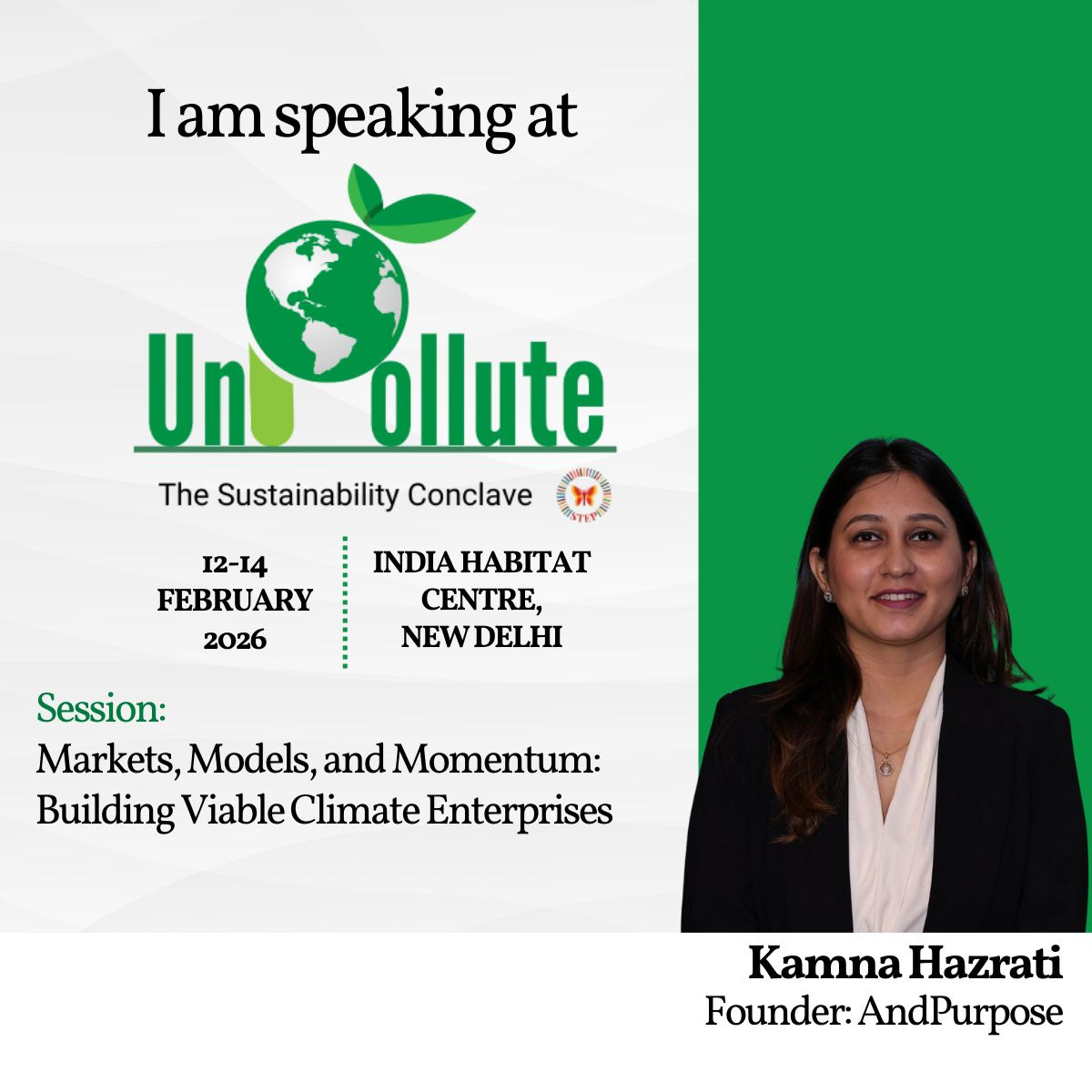
UnPollute by STEP (12–14 Feb 2026) focuses on translating climate ideas into practice, with a strong emphasis on women-led climate solutions. We’re glad to partner with UnPollute to strengthen the case for women leaders in climate and sustainability. Kamna Hazrati, Founder of AndPurpose, will also be speaking at the forum - do come say hello.
Mumbai Climate Week and Delhi Climate Innovation Week (17–27 Feb 2026) are emerging as city-focused platforms addressing pressing urban challenges, including heat risk, air quality, flooding, decarbonisation, and resilience. These convenings bring together governments, investors, practitioners, and innovators working at the intersection of climate and cities.
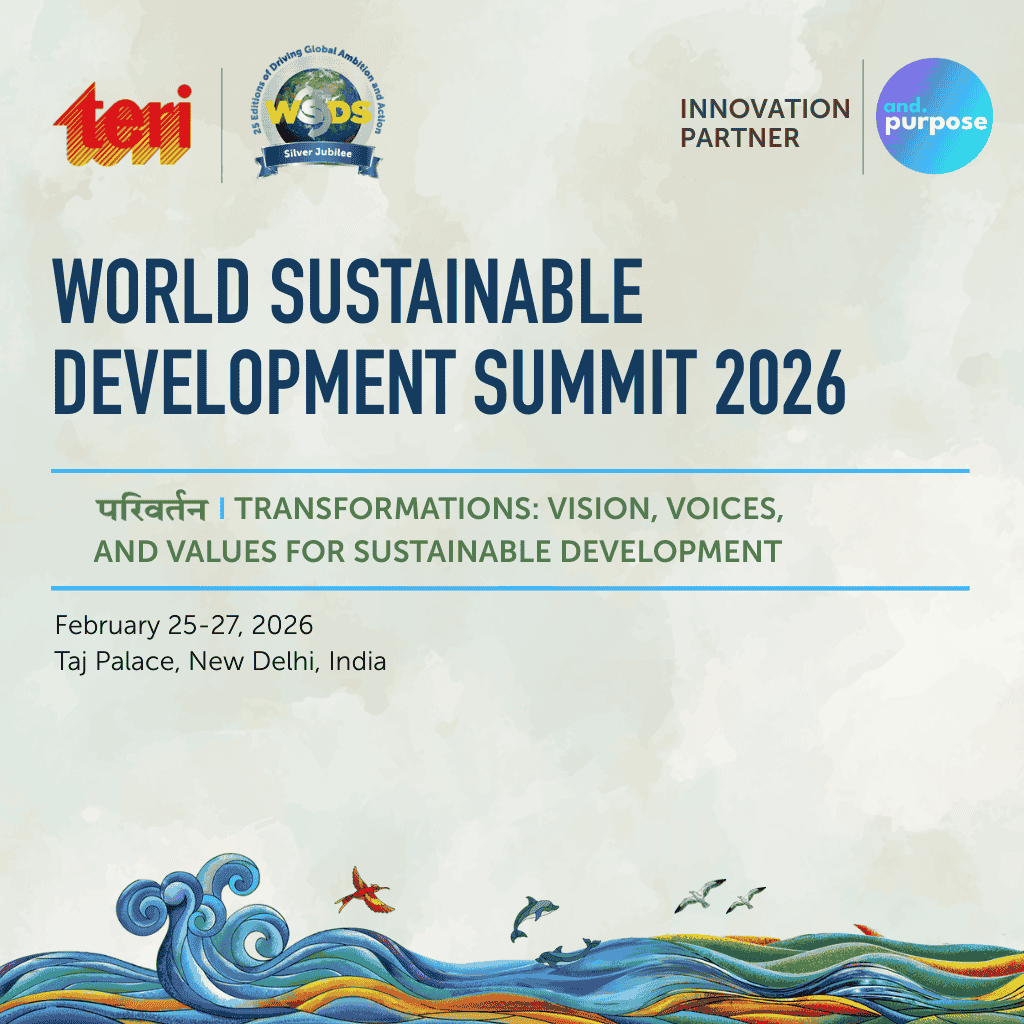
TERI’s World Sustainable Development Summit (WSDS) 2026 (Feb 25-27 2026) will convene over 2,000 global leaders around climate finance, energy transitions, adaptation, and Global South perspectives. As proud Innovation Partners, we see how such forums increasingly shape strategy, capital flows, and collaborative action across the Global South. Register for Teri WSDS 2026 here.
Hottest Grants this Week
AndPurpose Grants

The Yukon Fish and Wildlife Enhancement Trust invites applications for project funding to support conservation, restoration, stewardship, recovery, and education initiatives across Yukon. Open to individuals, communities, non-profits, businesses, and councils, the grant typically offers up to CAD 15,000, with flexibility for higher requests. Projects must benefit Yukon’s fish, wildlife, or habitats and align with the Trust’s conservation priorities.
Deadline: 3 March, 2026.

The Carl Menger Fellowship 2026–2027, offered by the Mercatus Center at George Mason University, is a one-year online fellowship for PhD students from any discipline. The programme introduces fellows to key thinkers and traditions in political economy through structured online seminars and discussions. Fellows participate in nine monthly colloquia, engage with leading scholars, and become part of a global academic network. The fellowship provides a total award of up to USD 2,250, covering a stipend and required readings.
Deadline: 15 March 2026
Closing Note
As the financial year approaches its close, these developments illustrate how sustainability is being defined less by rhetoric and more by rules.
Budgets show where capital is going. Trade agreements define who gets market access. Courts establish what cannot be deferred. And forums help align actors navigating this transition.
For businesses, policymakers, and practitioners, understanding where these threads intersect is essential-not only to anticipate regulatory shifts, but to identify where real implementation opportunities are emerging.
Comments
Nothing yet. Say the first thing.
Sign in to join the conversation.