
Happy Thanksgiving to all our US-based readers! As winter approaches, we thought it worth reflecting on alternative sources of energy in the past. But if animal dung seems a little unpalatable to you this Thanksgiving, we also offer an article from our archives about excessive eating and drinking in the Hebrew Bible. Enjoy!
By Alex Joffe
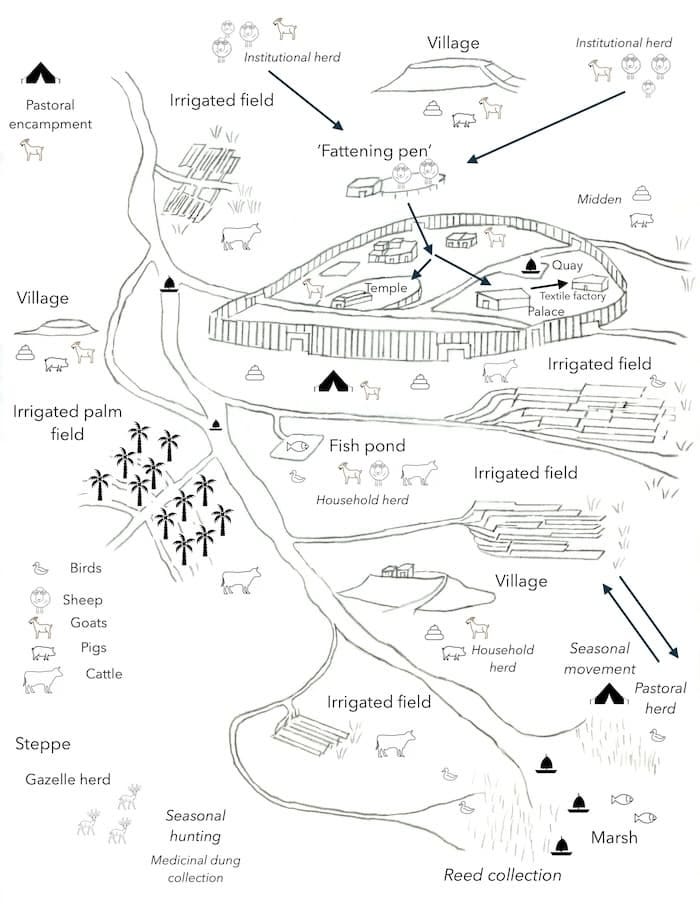
Humans need heat to keep warm and to cook. This is true whether you’re a Windmill Person or on Team Drill Baby Drill. The same was true in the ancient Near East. But in the era before fossil fuels, options were limited. You could burn trees and shrubs, or you could burn animal dung.
So, where in the ancient Near East did you get animal dung, how did they use it, and what were the rules? This is to say, what were the cultural, political, and legal rules that governed its acquisition and use, as fuel or anything else, and how do we discern them? The short answer to this last question is from Mesopotamian texts, where there is a surprisingly small amount of information about animal dung as fuel. This absence, however, suggests quite a bit.
By Rebekah Welton
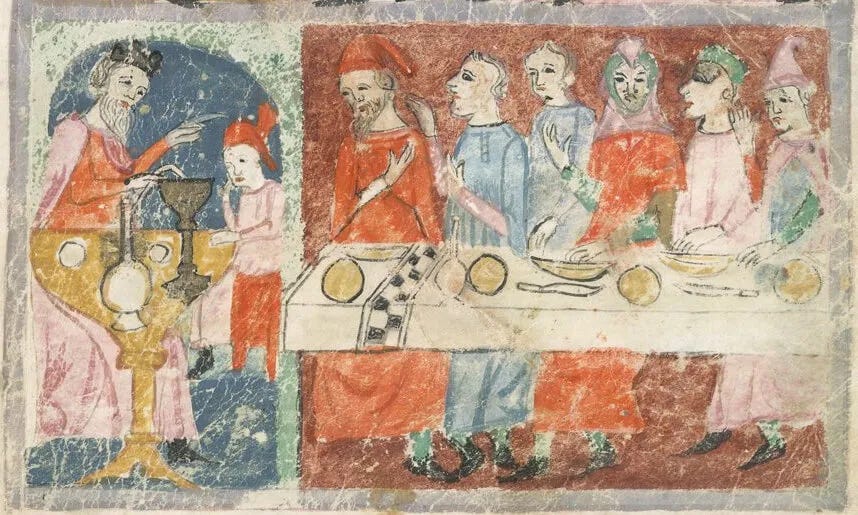
The Hebrew Bible is filled with references to eating and drinking, but gluttony and drunkenness are not emphasized. Can the story of the Rebellious Son tell us more about what was and was not permissible? Read more here.
First revealed in spy photos, a Bronze Age city emerges from the steppe (Ars Technica)
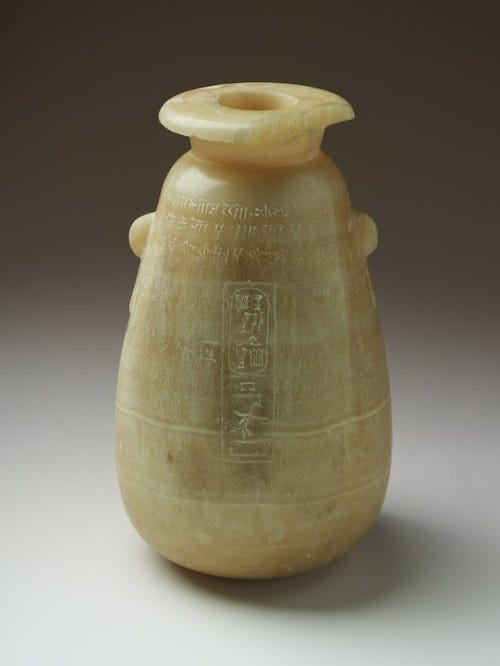
Chemical analyses of garments from the Judean desert reveal imitation luxury purple-dye industry (LBV)
Stunning map of ancient roads will give you a good reason to think about the Roman Empire more often (CNN)
Pre-construction archaeology reveals Benin City’s historic urban development and heritage (phys.org)
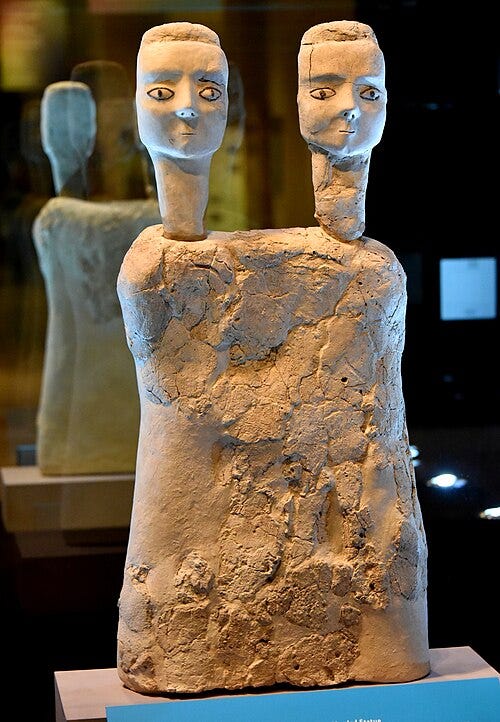
This two-headed statue from Ain Ghazal (Jordan) is one of about 30 statuettes found in an underground cache dated to ca. 6500 BCE. Made of lime plaster, reed, and bitumen, they are thought to be some of the earliest large-scale representations of the human form. Jordan Archaeological Museum, Amman.
Love it or hate it: Circumcision and its ‘reversal’ in the ancient world (Haaretz)
Ancient Greeks and Romans knew harming the environment could change the climate (The Conversation)
Warriors of the sea: Tracing the origins of pirate culture (Digging up the Past)
Zoroastrianism (The Ancients | History Hit)
To Live and Die at Late Bronze Age Yavne Yam, or, I Dream of a Gini with a Jar Full of Opium (This Week in the Ancient Near East)
The Achaemenid Period with Mary Buck (OnScript Biblical World)
Dr. Beth Harris and Dr. Steven Zucker tell us about a bushel with ibex motifs from Susa (SmartHistory):
Travel the Roads of the Roman Empire on itiner-e.org (Itiner-e)
Ramses the Great: Empire Builder | Lost Treasures of Egypt (National Geographic)

Archaeologists of the Galilee exploring remains of the lifetime of Jesus begin with problems—questions—and seek to solve them by using the methods they have developed or by developing new methods. In this Zoom presentation, Professor James R. Strange (Samford University) will look at how archaeologists use objects and buildings to learn about some values of the people of the region through which Jesus travelled and in which his teachings took on meaning. This lecture will be held on Wednesday, December 10, at 8:00pm ET via Zoom. Find more details here.
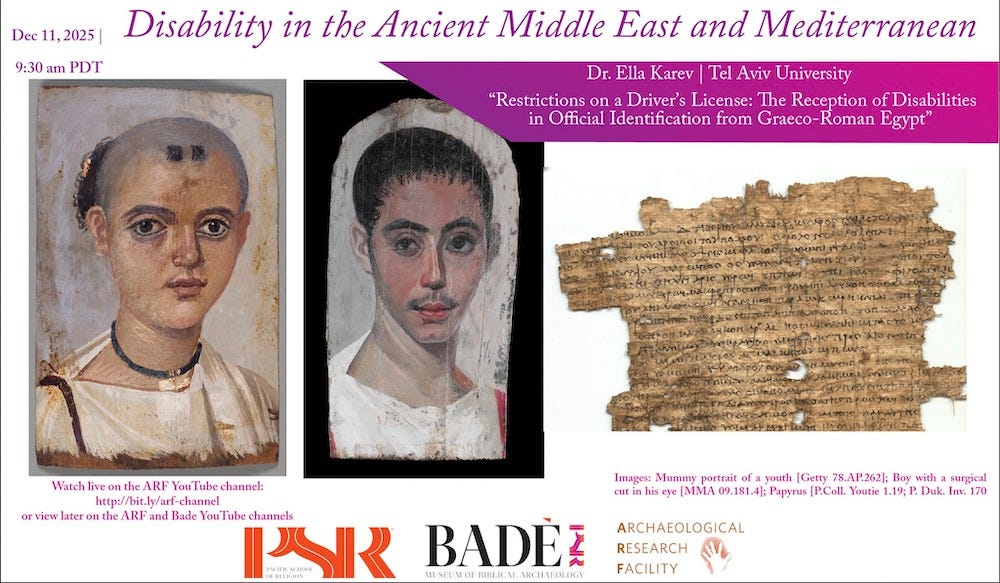
Join the Badè Museum of Biblical Archaeology next Thursday, December 11 at 9:30am PT for the next installment of their 2025-2026 lecture series, “Disability in the Ancient Middle East and Mediterranean”. Dr. Ella Karev will present “Restrictions on a Driver’s License: The Reception of Disabilities in Official Identification from Graeco-Roman Egypt.” Watch live on the ARF YouTube channel here.
Enjoy what you’re reading? Consider supporting ANE Today through a once-off or recurring donation to ASOR.
Published with the assistance of The Lanier Theological Library and Stevan Dana
No posts
Comments
Nothing yet. Say the first thing.
Sign in to join the conversation.