

I think often about one of the darkest periods of my life.
The funny thing is, I didn’t know it was my darkest period.
At the time, it was normal.
It was my standard.
My “good” days then are my terrible days now… and that was normal.
So many people have no idea how much better they could feel by optimising their health and thyroid function. They don’t realize that their “normal” state is bottom of the barrel.
I would start my days at 8:30am.
I would go down to the kitchen to pick up some junk food.
I would instantly feel like garbage, lay back down, and binge-watch on Tiktok until I got hungry again.
I was taking online classes at the time. Of course, I didn’t know how to manage myself. I saw the “freedom” of online classes as an excuse to adopt self-destructive habits and slowly die in my comfortable hole of low energy.
I barely did my work.
I would log on last minute and complete the bare minimum of the tasks (I still managed to pass).
At night, I would spend 3-7 hours playing Fifa. With or without friends, it didn’t matter. I was just numbing my mind at this point.
The sleeping-in, fast food, and Netflix binges kept me in a drip-fed dopamine sedation so that I didn’t feel the need to pursue anything greater.
Everything was fine, because I let it be fine.
My life sucked, because I let it suck.
My hormones suffered.
My thyroid gland suffered.
My hair-loss worsened.
I was really tired of everything and I lost trust in every single person, from doctors to people close to me. I thought this was the end for me!
I didn’t make the choices that led to a healthy and aesthetic body.
Fortunately, every species has a survival instinct. Probably I had to thank it if I realized that, despite my hair loss, I was still a mathematician! And, given a problem, mathematicians have to find a solution and this is the way I did.
I started studying everything, every single theory available and see which one was matching my case. And this is how I came out with what you can find in my substack.
My problem? Poor thyroid function and hormonal imbalance.
The complete guide to maximizing thyroid hormone production to lose weight and look more attractive!
Maximizing your natural production of thyroid will help you become lean and energetic in a healthy way.
T3 and T4 are the center of thyroid hormones that will improve the quality of your life dramatically.
Furthermore, Thyroid hormone aids in:
Normal Hair growth
Normal eyebrow growth
Increasing Body Temperature
Regulating our Metabolic Rate and how many calories we burn
Regulating the rate and strength of heartbeat
Allowing normal breakdown of carbs and fats
Improving your outlook on life - optimism
Better mood
Higher energy and childlike playfulness
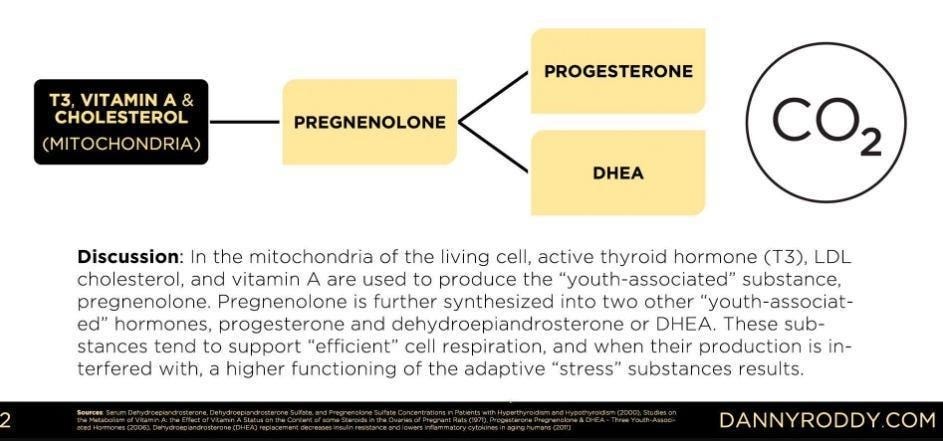
Allowing production of the youth steroid hormones “pregnenolone”, “progesterone, “DHEA”
And the list goes on and on..
If you really want to enjoy life with high energy, optimising thyroid is one of the first places to start.
Let’s geek out a little
Thyroxine (T4) and Triiodothyronine (T3) are synthesized in the thyroid gland, where a large amount of peripheral conversion occurs in the liver (such as from T4 to T3) contributing to the overall T3 levels.
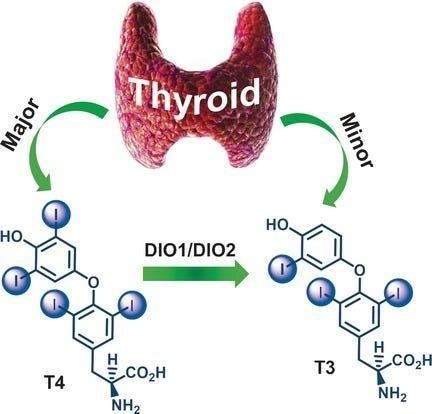
T3 and T4 are then bound to thyroid-binding globulin (TBG) or albumin, that prevents detoxification of thyroid hormones and transports them around in the blood.
T3 and T4 bind to thyroid hormone receptors to exert their metabolic effect. T4 can be converted to T3 via the enzyme deiodinase type 1 (D1), which is an essential step for T3 production (active thyroid hormone).
Furthermore, T3 can be converted back to T4 via the enzyme iodothyronine deiodinase type 2 (D2), but this is not a major conversion pathway.
Side effects of hypothyroidism (low thyroid):
Cold hands and feet and general cold intolerance
Temperatures are below 37C or 98.6F
Heart rate are below 70bpm
Exaggerated stress response – heart rate speeds up like crazy, shaking, sweating, inner tension, nervousness etc.
Hair loss
Losing the outer part of eyebrow
Feeling sluggish and being tired all the time. Can even experience chronic fatigue syndrome (CFS).
Cognitive problems, such as depression, anxiety, slow cognition, little cognitive flexibility, not being open-minded, ridged thinking, etc.
Fat gain and obesity
Metabolic syndrome
Constipation
Diabetes
Bipolar depession
Neurodegenerative disease
Poor Peripheral Circulation (Pale facial skin, cold hands, cold feet etc)
Rapid Premature aging
Migraines
Chronic infection
Cardiovascular disease
Inflammation and chronic illness
Elevated cholesterol and triglycerides
Decreased libido
Edema and Swelling
Muscle aches, frequent cramps, weakness and even fibromyalgia
Slow reflexes. Muscle tranction and relaxation is slow.
And again, the list goes on…
Thyroid is really an amazing hormone to have maximized for overall well-being and reaching the great goals you have set for yourself.
In this article I’m going to show you how to increase your thyroid hormones and I’m going to start with the simple and easy things you can, or rather, must do on a daily basis and then I’m going to go over a few supplements and herbs you can use to boost T3
Here we go, please enjoy, my go to guide/manual for boosting thyroid hormones!
#1 Eat healthy fats
And when I’m saying healthy fats, I’m not talking about canola oil, avocado oil, sunflower oil or any other vegetable, seed or nut oil.
I’m talking about fats that are high in saturated fat.
Fat sources such as beef, buffalo,lamb, goat, game, lean fish, dairy, coconuts and eggs.
The fats found in these sources will have the greatest thyroid boosting effect, because saturated fatty acids (SFAs) are positively associated with thyroid, monounsaturated fatty acids (MUFAs) are more or less neutral whereas polyunsaturated fatty acids (PUFAs) are will lower thyroid hormones and inhibit the enzymes that produce T4 and T3. Shocking, I know.
The shorter chain fats are burned quickly for energy production, whereas longer SFAs will be built into cell membranes and will make cells more stable. More stable cells, which are less fluid and more compact, are more resilient to stressors, produce less inflammation, are more insulin sensitive, produce more energy,etc.
Eliminating PUFAs are impossible apart from eating a laboratory-made diet and who wants to do that? (A few comes to mind lol).
Sticking to natural organic foods that are high in saturated fat, such as those mentioned above, and staying away from factory produced foods will dramatically help to lower the intake of rancid oil and inflammation associated with them (PUFAs).
Foods to stay away from include:
Salad dressings
Mayonnaise
All baked and fried goodies
All seed oils
Canned food in oil
Packages food (a lot of them are coating with vegetable oils)
Peanut butter and other nut butter
Foods with 10+ Ingredients
#2 Avoid Fish oil
Like everyone, I used to consume fish oil before. I had heard – from many respected authorities – that fish oil, due to its omega-3 content, would be extremely healthy for us.
Just look around and you can see people touting how fish oil could; “make you lose weight”, “reduce inflammation”, “improve cardiovascular health”, and I could go on whole day listing the claims accounted to this “supreme healing substance”.
If we take a closer look, we can easily find many problems with fish oil, which should explain why it doesn’t work, and could actually be more harmful for us than many realize.
You rarely hear these facts about fish oil from the sellers:
Fish oils (EPA and DHA) are the most volatile and sensitive of the PUFAs, making them extremely prone to lipid peroxidation, which increases oxidative damage and inflammation, lowering testosterone
and thyroid levels in the process.Due to the fact that humans efficiently contaminated fresh waters with industrial pollutants and waste (DDT, PCB, dioxin, etc), these persistent compounds can still be found in a large number of fish oil supplements.
“In 1988, Chan’s group found that DHA and other polyunsaturated fatty acids added to cultured cells from the cerebral cortex produced free radicals and stimulated production of malondialdehyde and lactate, and inhibited the uptake of glutamic acid, which suggests that they would contribute to prolonged excitation of the nerves” - Dr Ray Peat
#3 Reduce fiber intake
Fibre is a guilty booster of TBG (TBG is like a clingy jealous girlfriend and binds potently to T3) . High fibre intake is a craze getting high praise in scattered places around the interwebs, so if you’re under that crazy, get out.
Fibre does have its benefits, but an excess, especially if it’s from supplements, and if you have bacterial overgrowth, can wreak havoc to your body.
Fruit fibres actually have a lot of health benefits and the amount of fibre in fruits is relatively small. So if you want to consume fibre for health, get it from fruits. But just beware, some fruit fibres, such as from banana, apple, pear, etc., can also cause digestive issues for some people. So just eat fruit with their fibre that you tolerate well.
Bottom line, the more fibre you consume through your diet, the more TBG you’ll have. I have consumed a low-fibre diet for quite an extensive period of time as an experiment and I had no constipation or digestive problems.
But as a standard guideline, around 10-20g fibre daily from good sources should be more than enough.
#4 Avoid lignans
Lignans are compounds to the general population are compounds found in seeds and grains which lower the DIO1 enzyme and also increases TBG, leading to a drop in free T3.
Flax seeds are the greatest source of lignans, while other foods such as:
Seeds from pumpkin, sunflower, poppy and sesame
Nuts, particularly cashew nuts
Whole grains, such as rye, oats and barley
Bran from wheat, oat or rye
Fruit, such as green grapes, cloudberries, grapefruit, tangerine, apricot, melon, pear and kiwi
Vegetables, such as broccoli, Brussel sprouts, Cauliflower, red & white cabbage, kale, sweet peppers, tomato, cucumber, zucchini, green beans, carrots and potatoes.
…also contain a considerable amount.
But don’t freak out about avoiding these foods. There are 8 different lignans and you might react differently to each one. For example, you might do well on citrus fruits, but react negatively to apples. It could just as well be the pectin instead of the lignans. So just keep a level head about this and become conscious of which food give you a negative reaction and which don’t and then stick to those that give you no negative reaction.
But the two biggest ones I would keep away from is flax and sesame.
#5 Lower stress
Stress is incredibly common these days and seems almost impossible to avoid apart from moving to the forest and staying out of society. But that is definitely not a practical option for most of us, or not that we even want to do that, so we have to look at other options to keep stress at bay.
Stress stimulates the adrenal glands to secrete cortisol and catecholamines, such as noradrenaline and adrenaline, all of which are pretty beneficial and harmless if it only happens in the short term.
But chronic stress is very harmful to the body and will lower the metabolism, T4 and T3 production and increase the aromatase - a negative feedback cycle which we don’t want.
A few simple ways to destress are:
Take a moment to breathe. Inhale deeply and slowly using your diaphragm, allowing your stomach to expand forward and sideways, while keeping your chest still. Quick, shallow breaths caused by stress, fatigue, or poor posture can trigger your body’s stress response. By sitting or standing up straight with your shoulders relaxed, you can breathe more fully and peacefully. Inhale for four seconds and exhale for eight seconds. After about four breaths, you should start to feel significantly more relaxed. As you breathe, concentrate on something uplifting.
Take a walk somewhere, ideally in nature or somewhere with less pollution
Ensure your blood sugar stays balanced throughout the day
Get your posture right - Hunching over and maintaining low power poses lowers testosterone,T3 and increases cortisol
Laughter - People who laugh more tend to have lower cortisol, higher dopamine, stronger immunity and have a better sense of well-being
By the way, I teach all of this in T3 Optimisation, click here to join!
#6 Lower inflammation
Cortisol is secreted to deal with inflammation, but it also suppresses the immune system. A suppressed immune system can lead to a whole lot of other issues which we do not want. DHEA, on the other hand, is also anti-inflammatory by stimulating the immune system and would be a much greater option for lowering inflammation than boosting cortisol.
Other anti-inflammatory substances like honey can also help to lower cortisol and increase DHEA and testosterone.
#7 Eat saturated fat
Palmitic acid and stearic acid, saturated fatty acid, found in high concentrations in cocoa butter dairy, beef, bison, duck, goat and lamb fat, are able to significantly lower cortisol
Coconut oil and MCT oil also have potent anti-stress and cortisol lowering effects
#8 Eat carbs
This is probably the most important thing you can do to prevent stress or lower stress. In a stress response, glucose is utilized very rapidly by catecholamines. Once used up, cortisol kicks in. Having adequate glycogen stores will help to keep cortisol low for longer, but eating some carb will further boost that effect. Fast digesting carbs might be best, like sugar, fruit juice, dried fruits and whole fruits. Milk with sugar can also have a synergistic anti-stress effect.
#9 Massage
Massage therapy can lower cortisol up to an averaging decrease of 31%. And other than that, a massage is very calming and increases dopamine. Dopamine is the feel-good hormone which will give you energy, mental focus, courage, etc.
A massage can also help you to recover from an injury faster, or loosen up a tight and tense muscle that might be pinching.
#10 Don’t obsess with being very low bodyfat
Being too low body fat is stressful in of itself. The amount of body fat you can tolerate without becoming too stressed is different for everyone. One person might become too stressed if they dip under 15% BF whereas another might do fine on 9% but becomes too stressed if they’re under 8%.
Maintaining low body fat most often also comes with exercising too much and eating too little, both of which are great stressors and will suppress the metabolism and increase cortisol.
#11 Maximise sleep
Sleep is the most important thing you can do for your health, androgens, health, recovery, muscle growth, brain, etc.
Studies shows that accumulative sleep loss, sleeping less than 7 hours per night repeatedly, lowers T3 and increases serotonin and cortisol.
Sleep loss leads to catabolism of the whole body and the tissue that is destroyed first is the brain, kidney, thymus, spleen, adrenals, muscles and bone. Deterioration also happens in the pancreas and liver, which leads to diabetes, liver disease, indigestion, bowel disorders, etc.
To prevent premature-aging and castration induced by sleepless nights, we need to maximize sleep duration and quality of those hours spent sleeping.
A few tips to improve sleep are:
Sleep in a completely dark room. Get blackout curtains.
Sleep in a completely quiet room.
Block blue light at night.
Do deep tissue lymphatic massages before bed. Deep tissue massage will activate the parasympathetic nervous system and promote sleep.
Get morning sunlight on your eyeballs (not through glass).
Sleep in a cool room. Body temperature needs to drop for you to sleep peacefully.
Turn all wifi and power off in the house to eliminate EMF and electricity.
Be active during the day. I’ve found that when I sprinkle activity, such as intense rope jumping and long works throughout my day, my energy, focus and sleep is better in every way.
#12 Exercise
We should all know by now that exercise is good for us. But we don’t have to slave away in the gym for hours just to get the benefit. On the contrary, training too much can actually lower thyroid hormone and have no extra benefit-by increasing cortisol and adrenaline.
A short 15-30 minutes heavy and explosive weight training session will suffice. A longer workout up to 90 minutes will also be effective, but the benefits seem to drop off from there. So there is a bell curve, at one point, you need about 15+ minutes for a proper stimulus and then on the other end, benefits drop of at 90 minutes.
Also, adding in too much cardio to your training will have a negative effect on your recovery ability as it increases catabolism and increases cortisol,estrogen etc.
#13 Lower Estrogen
Inhibit aromatase (the enzyme that converts testosterone to estrogen) as estrogen is one of the most potent inhibitors of thyroid hormone production,conversion and utilisation.
Things that lower estrogen and inhibit aromatase:
-DHT
-Sunlight
-Coffee
-White button mushrooms
-Zinc
-Vitamin E
-Vitamin K2
#14 Improve insulin sensitivity
Insulin is a hormone that plays a crucial role in signaling energy intake and boosting T3 production. It is essential for transporting glucose into cells, where it is oxidized to generate ATP, which is necessary for thyroid hormones.
Among monosaccharides, glucose has the highest potential to stimulate insulin release, and certain amino acids can also significantly elevate insulin levels. It’s important not to consume protein alone (following the 2:1 rule mentioned earlier), as this can lead to hypoglycemia, prompting an increase in glucagon and cortisol to restore blood glucose levels.
While aiming for hyperinsulinemia isn’t ideal, it’s important to maintain insulin sensitivity to enable insulin’s pro-steroidogenic and anabolic effects.
Here are some strategies to enhance insulin sensitivity:
Reduce cortisol levels.
Lower excessive free fatty acids by taking niacinamide - consider using 500 mg of niacinamide with each high-carb meal.
Engage in 30 seconds of high-intensity exercise before your high-carb meal; I prefer doing some running up and down the stairs
Take a 10 to 20-minute walk after meals.
Avoid excessive vegetable and seed oils.
Steer clear of junk food in general.
Aim for adequate sleep.
#15 Use natural products
Chemical products, including hand soap, shampoo, shaving cream, aftershave, deodorant, lotion, and others, often contain endocrine-disrupting chemicals.
There are thousands of these substances, each with the potential to interfere with normal cellular function.
Here are a few alternatives:
A natural bar soap, like coconut oil bar soap, can be used for washing your body and hair, and even for shaving. If you use a shaving brush, you can create a rich lather for shaving.
Castile soap is a versatile option suitable for washing your hands, body, hair, and even laundry.
#16 Eat natural and organic foods
Pesticides, herbicides, and fungicides can all disrupt gut health, harm overall well-being, and lower T3 levels.
Natural foods like cocoa powder, various fruits (such as berries, apples, pomegranates, oranges, and guavas), and raw milk can help reduce oxidative stress and inflammation while promoting T3 production. These foods are rich in antioxidants and nutrients that support overall health and hormonal balance.
#17 Fix your gut health
Nothing is the body works in isolation and with that being said, whatever negatively influences the gut, can have a negative effect on the thyroid.
The thyroid gland requires specific micronutrients to function properly, produce hormones, and execute their effects throughout the body. These micronutrients, including vitamins and minerals, are cruical for thyroid hormone synthesis, conversion, and cellular function.
So what does the gut have to do with this?
Inadequate micronutrient consumption and gut inflammation can lead to impaired thyroid function. The gut’s villi, responsible for absorption, can be damaged due to inflammation, reducing micronutrient absorption.
Key Micronutrients for Thyroid Health:
Focus on the following essential micronutrients for thyroid health:
Iron and copper (for thyroid hormone synthesis)
Selenium and zinc (for T4 to T3 conversion)
Vitamin A and D (for immune regulation)
Restoring Gut Health and Micronutrient Balance:
To address thyroid function, it’s crucial to:
Eliminate inflammatory foods (gluten, lectins, refined grains, etc.)
Restore gut integrity and function
Load up on essential micronutrients
If you want my systems for thyroid healing or gut repair, you can find T3 optimisation and Rapid Regrowth Formula on my site.
Your gut and thyroid health are the most important things for your health.
#18 Reduce Endotoxin
Endotoxins, also known as Lipopolysaccharides, are found in the outer membrane of Gram-negative bacteria. They are large molecules consisting of a lipid and a polysaccharide composed of O-antigen, outer core and inner core joined by a covalent bond. Different bacteria can create different kinds of endotoxins, some being much more inflammatory than others.
Endotoxins can antagonize thyroid function in many ways:
-Endotoxins inhibit the conversion of T4 into T3, by suppressing the enzyme, type 1 iodothyronine deiodinase (D1)
-Endotoxins have been shown to decrease the expression of thyroid receptors, specifically in the liver
You have now understood that we don’t want pesky endotoxins in our system. The best way to lower endotoxins is to lower gram-negative bacteria (specifically the Enterobacteriaceae group) and you can do this by increasing transit time, lowering gut inflammation and using organic raw honey.
#19 Enjoy some coffee
Not many people know this but Coffee drinkers have a lower incidence of thyroid disease, including cancer, thannon-drinkers. Caffeine has remarkable parallels to thyroid and progesterone, caffeine tends to activate thyroid secretion by a variety of mechanisms, increasing cyclic AMP and decreasing serotonin in thyroid cells - a hidden superfood.
#20 Eat foods high in Iodine
The thyroid gland needs iodine to create T4. In fact, the four in the shortening refers to 4 molecules of iodine. Not only that but the symporter mechanism that draws iodine into the thyroid gland requires B-vitamins and vitamin C to function normally.
I would recommend getting iodised salt as an easy source of iodine or high quality potatoes for an iodine source.
#21 Avoid these inhibitory chemicals and drugs
Synthetic chemicals can interfere with thyroid hormone production, conversion, and function. As a result, even if thyroid hormone levels are sufficient, exposure to these endocrine-disrupting chemicals (EDCs) can still cause hypothyroid symptoms.
A list of these chemicals include:
BPA (found in plastic)
Phthalates
Pesticides
Arsenic
Cadmium
Lead
Mercury
Herbicides
That’s it for diet and lifestyle changes, let’s talk supplements and herbs.
#1 Aspirin

“Since aspirin’s effects on the mitochondria are similar to those of T3, using both of them might improve brain energy production more than just thyroid”. - Dr. Ray Peat
Aspirin is one of my favorite supplements.
Aspirin is anti-stress, anti-inflammatory, pro-metabolic and last but not least, pro-thyroid.
Aspirin also shifts the mitochondria from the state of oxidizing fats into oxidizing glucose, which is favorable for thyroid function,.
Aspirin is also an estrogen antagonist and prevents the lipid peroxidation of polyunsaturated fatty acids (PUFAs) both of which are favorable things for thyroid health.
Not so surprisingly, one study saw that when people used aspirin, their tissue conversion of T4 to the active form T3 was significantly increased
Aspirin has also been shown to inhibit the binding of T4 and T3 to thyroxine-binding globulin (TBG) and thyroxine-binding prealbumin (TBPA), therefore increasing free T4 and T3
However, aspirin thins the blood so use cautiously (start with lower doses of 81mg).
#2 Taurine
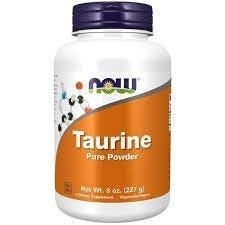
Taurine is an antioxidative amino acid, it’s commonly found in bile, large intestines, heart, and testicles. Mother’s milk is also relatively high in taurine.
When it comes to health benefits, taurine has many. It can help the body to assimilate and utilize minerals, help balance electrolytes, raise testosterone levels, improve liver health, and improve the health of diabetics
Since taurine also increases dopamine levels in the brain, it can reduce serotonin and prolactin, which is favorable for metabolic rate and thyroid function.
In actual studies examining taurine intake and thyroid function, it has been seen that lower platelet levels of taurine strongly correlate with hypothyroidism, and hypothyroid patients often have low taurine levels.
Taurine also prevents thyroid damage and T3 & T4 suppression caused by pesticide and lead intake (possibly due to its antioxidant effects). Similar protective effects have also been seen in rats exposed to fluoride
(which as some of you already know, is a thyroid hormone disruptor).
Taurine is very inexpensive supplement with plenty of proven benefits. I would highly suggest consuming 1-5 grams on a daily basis to see how it makes you feel.
#3 Black Seed
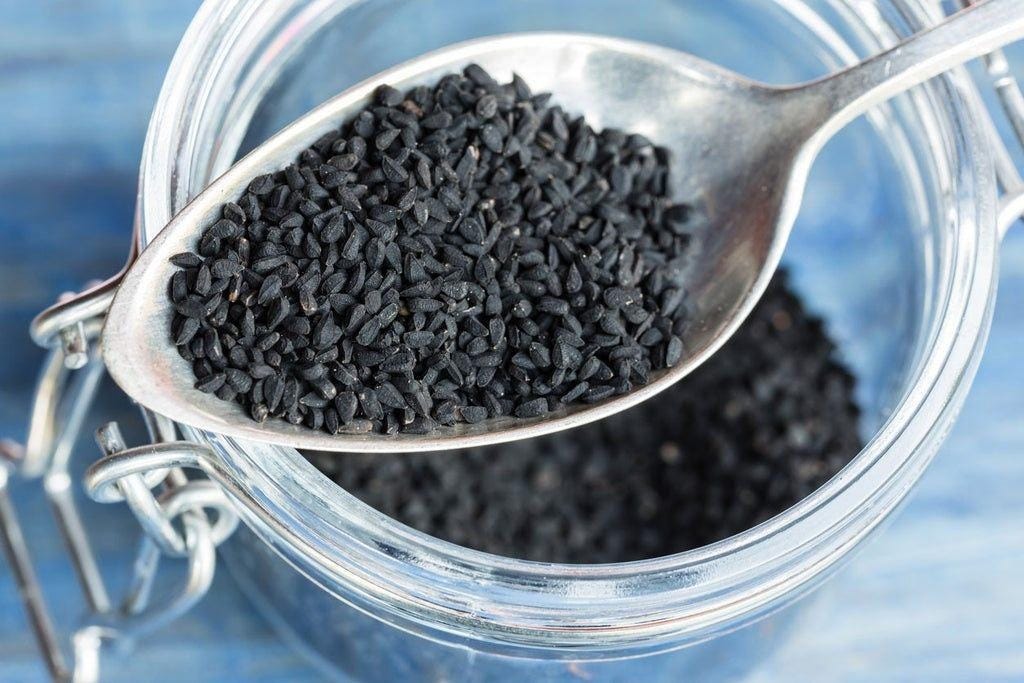
In just 8 weeks, 2 grams of Nigella sativa seed powder (Black seed) lead to significant reductions in BMI, IL-23 levels, TSH, and anti-thyroid peroxidase (anti-TPO), while also elevating serum T3 levels.
Black seed is also famously known as the “cure for every disease except death”
It’s also high in thymoquinone - a powerful quinone that boosts metabolism and lowers oxidative stress.
#4 Selenium
Selenium is a very important mineral for the enzyme deiodinase 2, which converts thyroid hormone T4 to T3.
Selenium is also a powerful antioxidant.
#5 Vitamin A
Vitamin A is essential for a healthy hormonal balance as well as good eye, teeth, skin and immune function.
Vitamin A protects the body from the negative effects of estrogen excess which is detrimental for proper thyroid function.
Foods high in vitamin A - chicken liver, ghee, butter, cheese, eggs, and milk.
#6 Boron
Many studies show that boron can effectively lower estrogen hence improving thyroid function.
Dried fruit such as raisins and dates are also in boron.
#7 Vitamin B1
Vitamin B1 lowers serotonin and this will automatically increase thyroid hormone.
Vitamin B1 is also rapidly depleted during stress which rapidly increases your requirements for this vitamin.
#8 Vitamin B6
Vitamin B6 has been shown to reduce levels of prolactin and TSH (thyroid-stimulating hormone). This effect may be due to it’s ability to decrease excess TRH (thyrotropin-releasing hormone), which is responsible for stimulating the release of TSH and prolactin
Vitamin B6 is richly found in milk, meat, and organ meats.
#9 Vitamin E
Vitamin E is an estrogen antagonist in high doses, which inhibits the aromatase, and it’s very effective at lowering prolactin - which in turn helps with thyroid function
There you have it.
Thank you for reading and enjoy the rest of your day.
-Moosa
If you want to take it further:
The complete guide to maximizing thyroid hormone production to lose weight and look more attractive - T3 Optimisation.
References:
https://www.healio.com/news/endocrinology/20210818/foods-with-high-protein-saturated-fatty-acids-linked-to-better-thyroid-function
https://raypeat.com/articles/articles/fats-functions-malfunctions.shtml
https://pmc.ncbi.nlm.nih.gov/articles/PMC6321217/
https://pubmed.ncbi.nlm.nih.gov/29904828/
https://pubmed.ncbi.nlm.nih.gov/12370839/
https://pubmed.ncbi.nlm.nih.gov/21745527/
https://pubmed.ncbi.nlm.nih.gov/20685100/
https://pubmed.ncbi.nlm.nih.gov/12000205/
The adenylyl cyclase-cAMP pathway contributes to kynurenine-induced vessel relaxation. : Kynurenine is an endothelium-derived relaxing factor produced during inflammation : Nature Medicine : Nature Research. Nature.com Journal.
Meikle A. The interrelationships between thyroid dysfunction and hypogonadism in men and boys. Thyroid. 2004;14 Suppl 1:S17-25
Silva J. The multiple contributions of thyroid hormone to heat production. J Clin Invest. 2001;108(1):35-37.
Mullur R, Liu Y, Brent G. Thyroid Hormone Regulation of Metabolism. Physiol Rev. 2014;94(2):355-382.
https://karger.com/anm/article-abstract/51/2/188/40455/Effect-of-Zinc-Supplementation-on-Thyroid-Hormone?redirectedFrom=fulltext
Thyroid Disease and the Heart | Circulation. AHA Journals. http://circ.ahajournals.org/content/116/15/1725. Accessed February 3, 2017.
https://pubmed.ncbi.nlm.nih.gov/1538562/
https://pmc.ncbi.nlm.nih.gov/articles/PMC5112739/
https://pubmed.ncbi.nlm.nih.gov/105899/
https://pmc.ncbi.nlm.nih.gov/articles/PMC5112739/
https://pmc.ncbi.nlm.nih.gov/articles/PMC6028657/
https://pubmed.ncbi.nlm.nih.gov/2472981/
https://pmc.ncbi.nlm.nih.gov/articles/PMC4711001/
https://pmc.ncbi.nlm.nih.gov/articles/PMC3712348/
https://pmc.ncbi.nlm.nih.gov/articles/PMC4504177/
https://pubmed.ncbi.nlm.nih.gov/26434494/
https://pubmed.ncbi.nlm.nih.gov/760253/
https://pubmed.ncbi.nlm.nih.gov/28577409/
https://pubmed.ncbi.nlm.nih.gov/25210669/
https://pubmed.ncbi.nlm.nih.gov/15689116/
https://pubmed.ncbi.nlm.nih.gov/6727359/
https://pubmed.ncbi.nlm.nih.gov/20352370/
https://pmc.ncbi.nlm.nih.gov/articles/PMC4712861/
https://pubmed.ncbi.nlm.nih.gov/26254889/
https://pubmed.ncbi.nlm.nih.gov/24371036/
Ancestra is a reader-supported publication. To receive new posts and support my work, consider becoming a free or paid subscriber.
Comments
Nothing yet. Say the first thing.
Sign in to join the conversation.