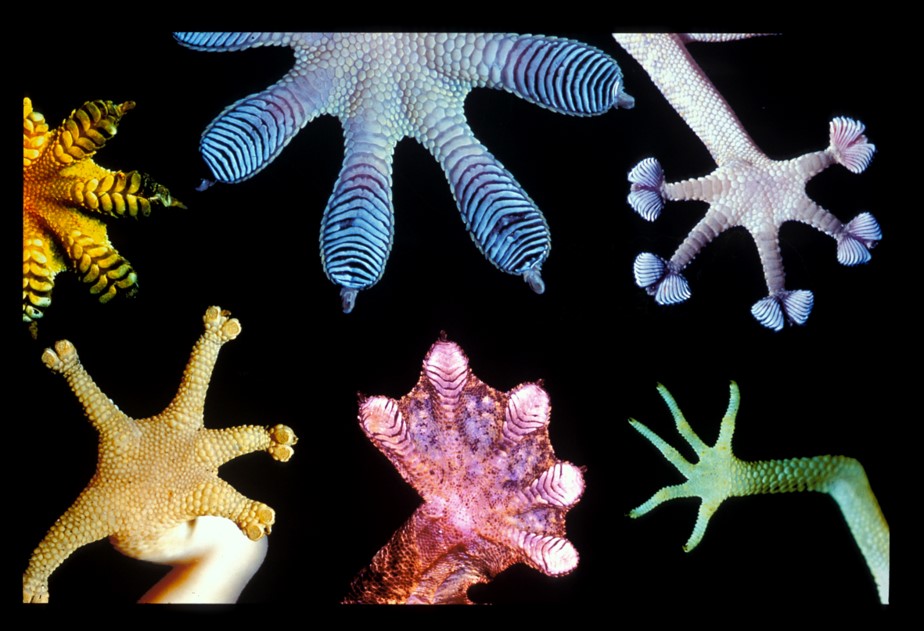
This week’s post is from Dr. Emily Naylor, a postdoctoral scientist at the Department of Biological Sciences, George Washington University (DC, USA). This post is about her ongoing research. If you would like to write for Anatomy to You, get in touch via Facebook or Twitter. Happy and safe holidays to you! Have you ever seen a... Read More
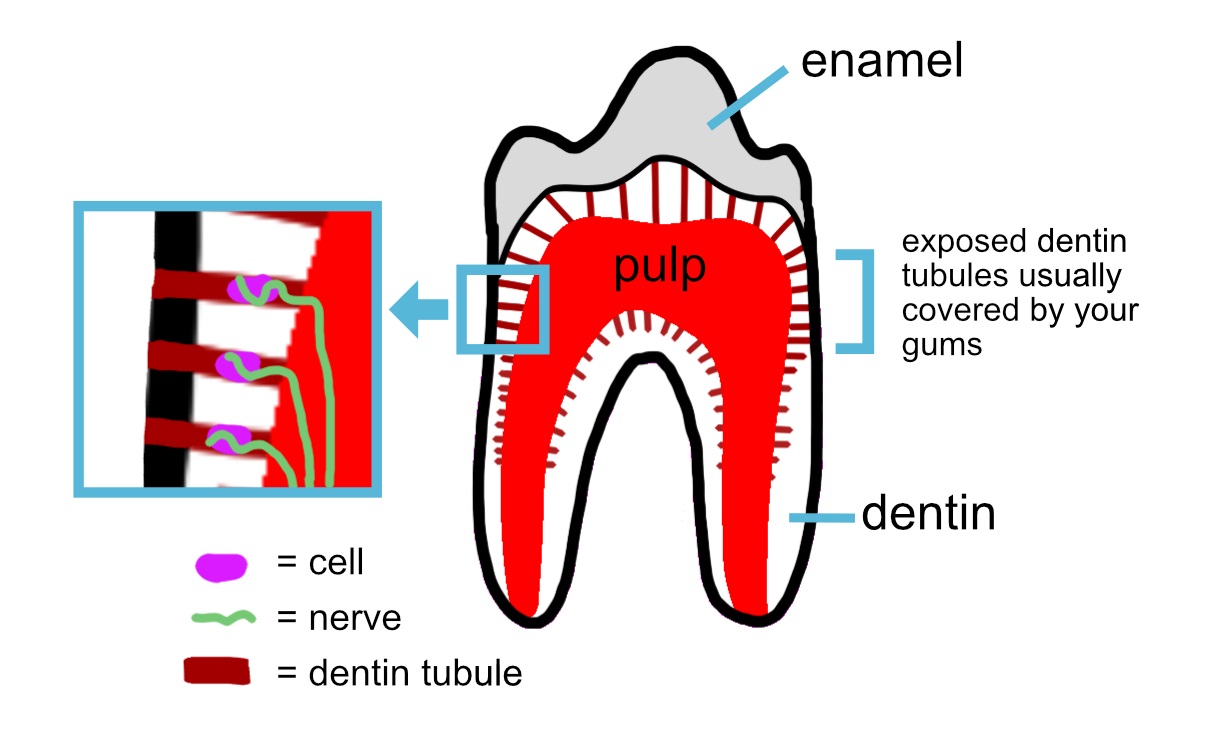
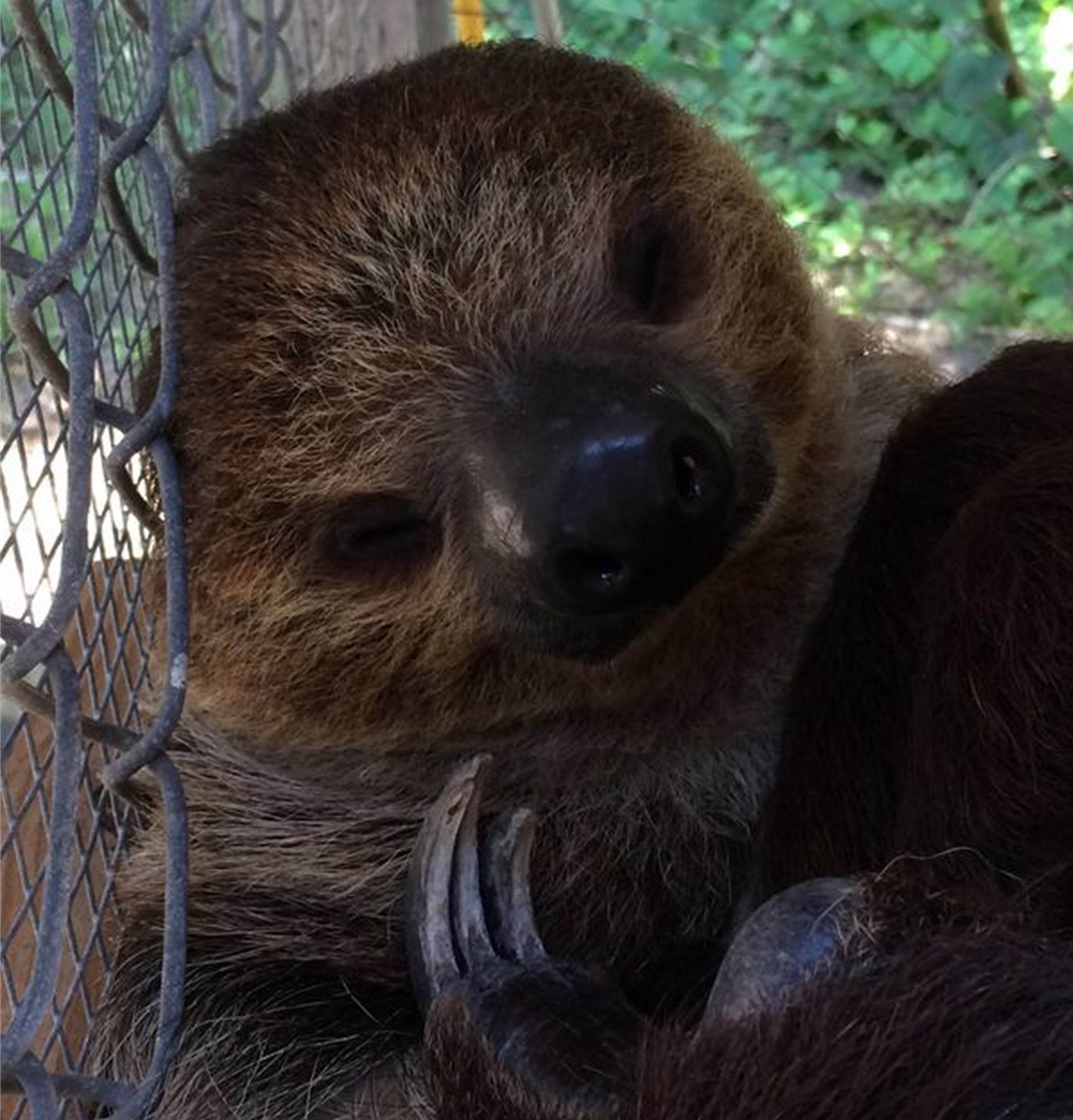
This week’s post is from Kelsey Stilson, a PhD student in biology at the University of Chicago, specialising in neurobiology and functional anatomy. It s a post with teeth, in more ways than one! If you would like to write for Anatomy to You, get in touch via Facebook or Twitter. I study opossums. Specifically, I study... Read More
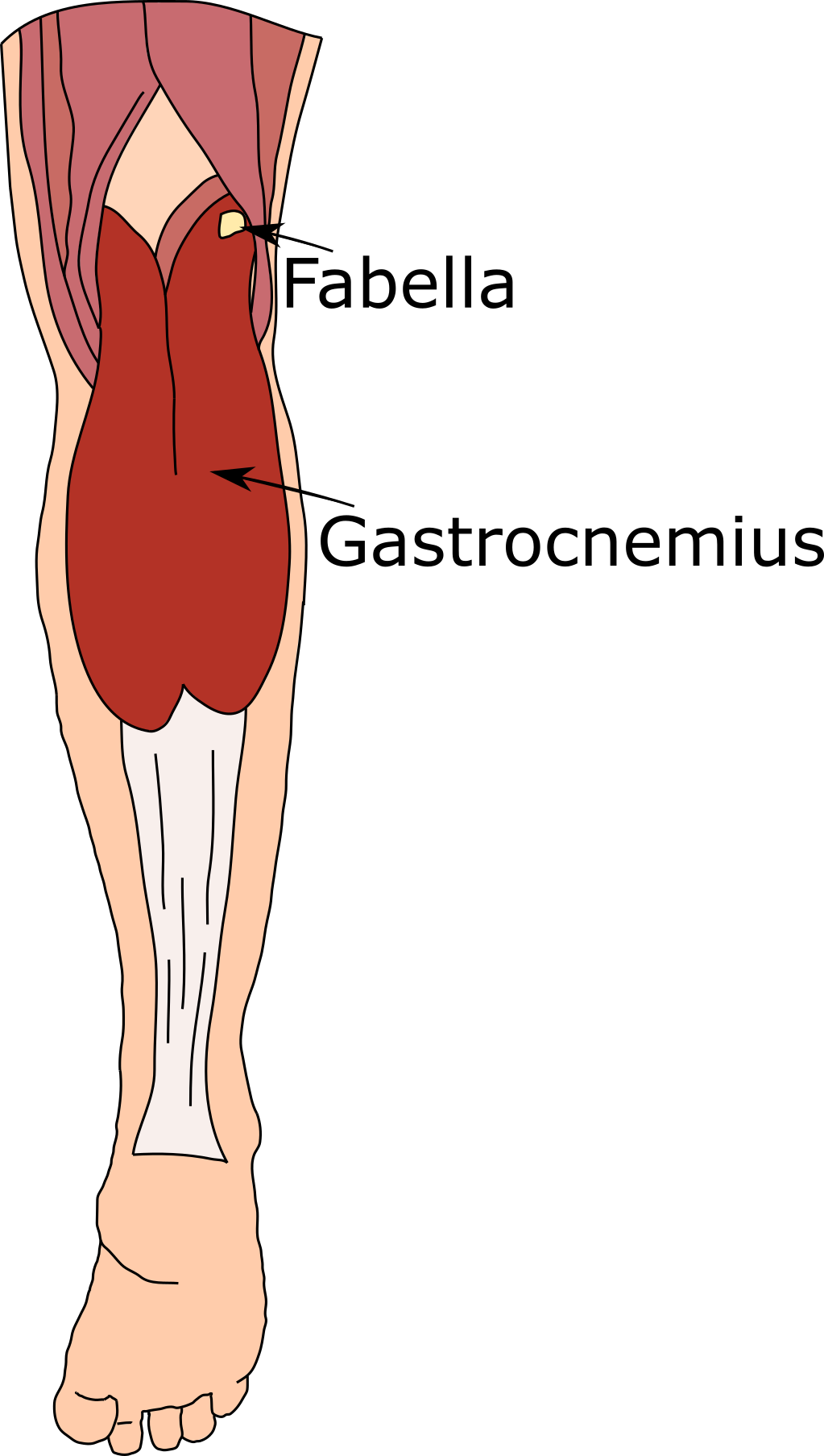
This week’s post is from Dr. Michael Bertaume, an “anthroengineer”– combining studies of anthropology and mechanical engineering perspectives. This post is about his team’s scientific paper just published here. If you would like to write for Anatomy to You, get in touch via Facebook or Twitter. The foot bone’s connected to the ankle bone,The ankle bone’s connected... Read More
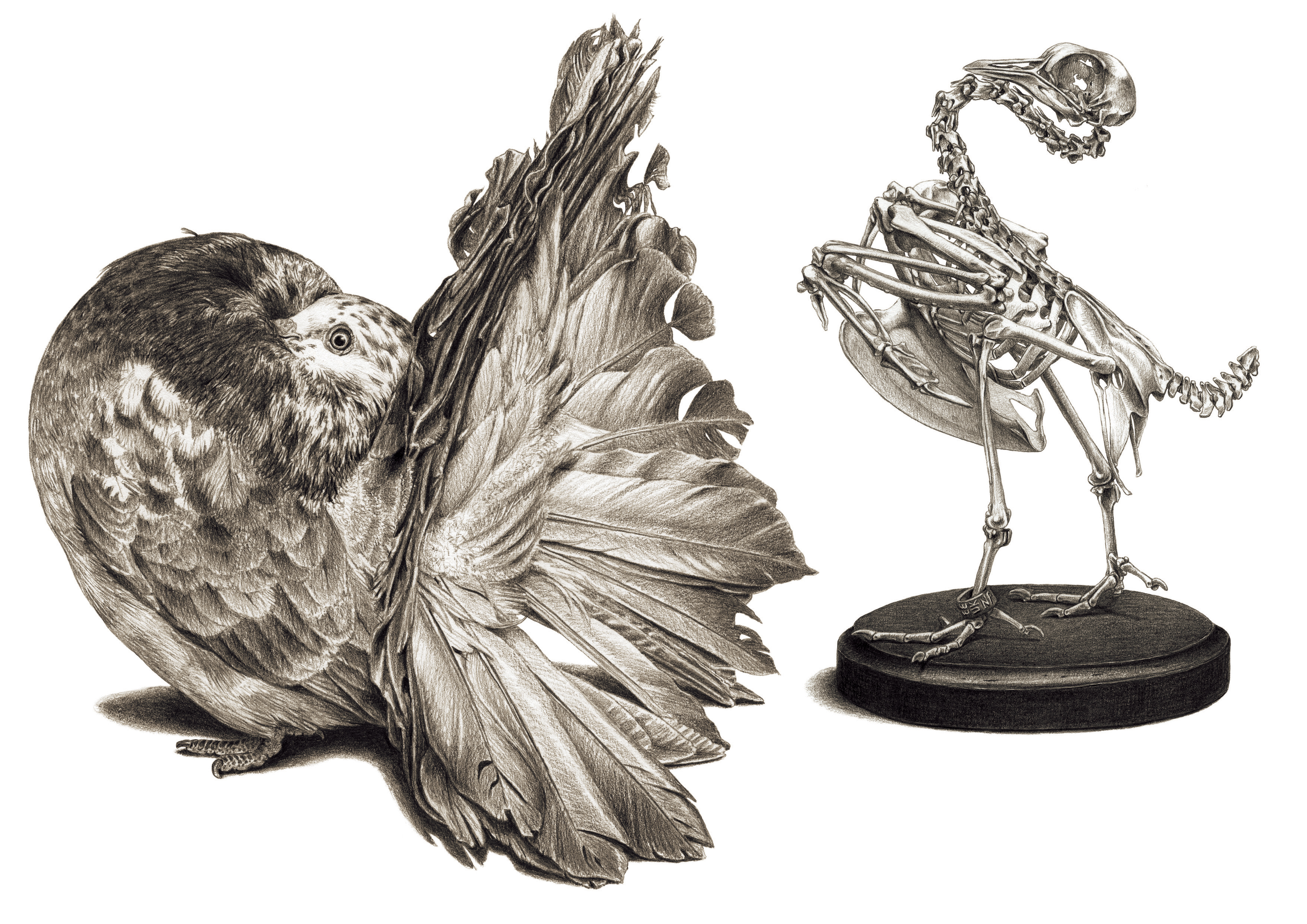
This week’s post is from Katrina van Grouw, a scientist, illustrator, author and more. If you would like to write for Anatomy to You, get in touch via Facebook or Twitter. Anyone who’s read On the Origin of Species will know that it begins with—pigeons. Domesticated pigeons. Pages and pages of them. As a teenager I... Read More
This week’s post is from Michael Granatosky, a postdoctoral scholar at the University of Chicago in the department of Organismal Biology and Anatomy (Figure 1). If you would like to write for Anatomy to You, get in touch via Facebook or Twitter. Figure 1. Michael Granatosky (left) collecting data in Brazil on the comparative energetic... Read More
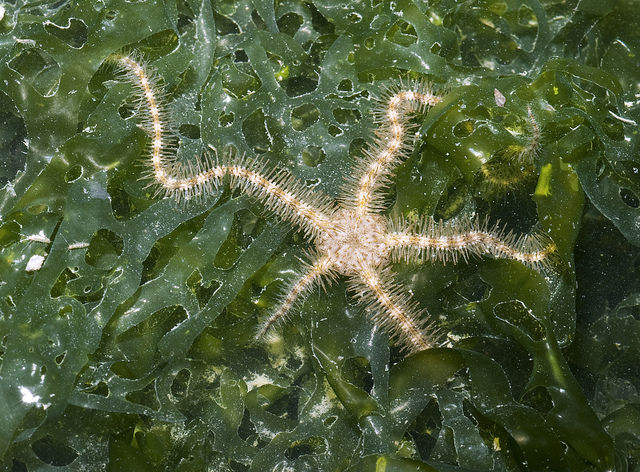
This week’s post is from Liz Clark, PhD, a biologist/paleontologist at Yale University (New Haven, USA). If you would like to write for Anatomy to You, get in touch via Facebook or Twitter. Echinoderms are a group of invertebrates that include sea stars, sea urchins, sand dollars, sea cucumbers, crinoids and brittle stars, and they re about... Read More
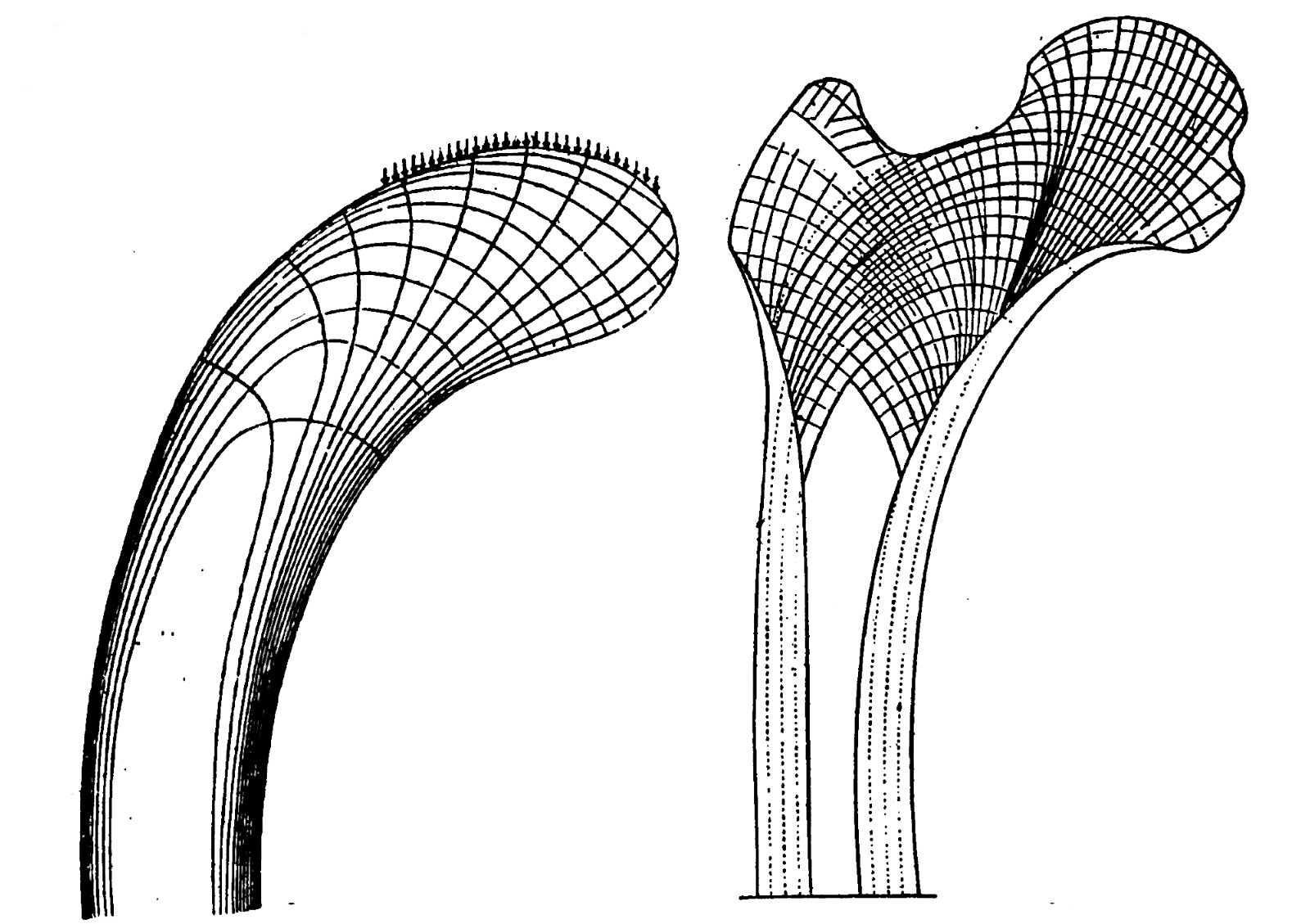
We are back after a break! And we have a nice series of posts planned already from numerous guest writers! To kick things off, let s get hip to bone structure. This week’s post is from Diogo M. Geraldes, PhD CEng MIMechE MEng; a biomedical engineer in London. If you would like to write for Anatomy... Read More
This week s post is from Lauren Sumner-Rooney, a post-doctoral researcher at the Museum für Naturkunde. If you would like to write for Anatomy to You, get in touch via Facebook or Twitter. The featured image shows a specimen of a new species of Zetela (a snail), removed from its shell. Image: Natural History Museum, Specimen: Museum National... Read More
by Eva Herbst, Structure Motion Lab, The Royal Veterinary College, UK. If you would like to contribute a guest post, please get in touch, such as on Twitter or Facebook. Fig. 1 Reconstruction of Crassigyrinus scoticus (Panchen Smithson 1990) My name is Eva Herbst and I started my PhD with John Hutchinson and co-supervisor... Read More
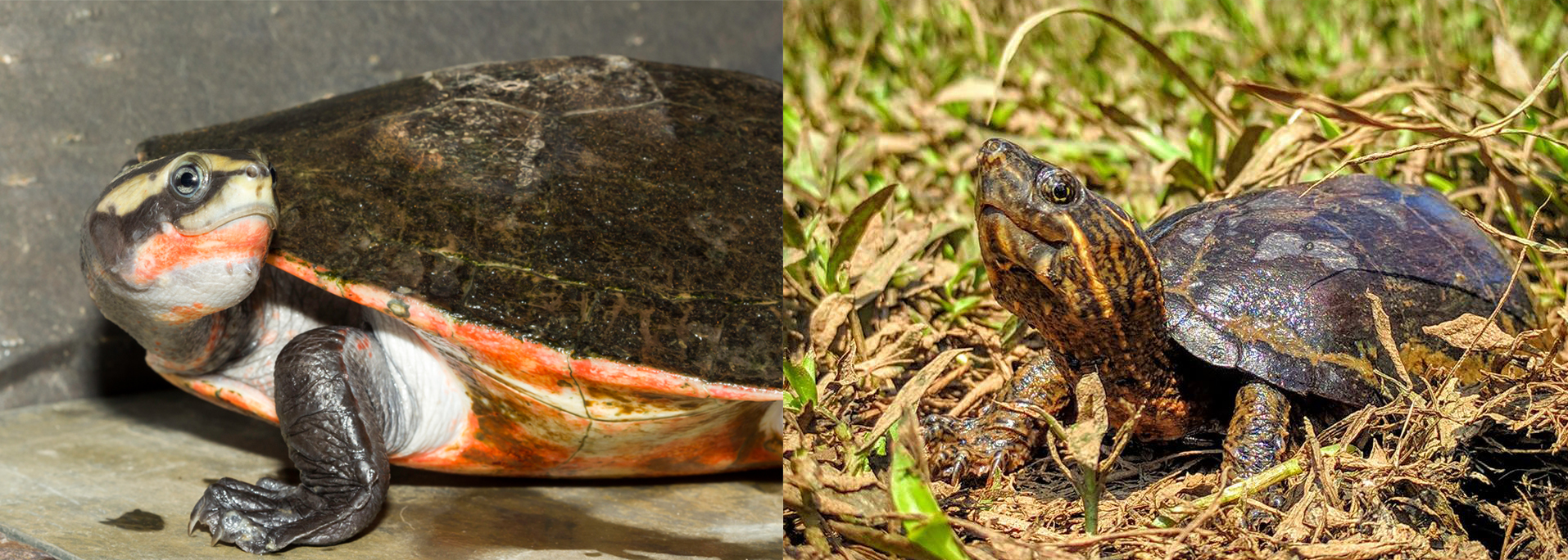
by Christopher Mayerl, Evolutionary Morphology and Biomechanics Laboratory at Clemson University (S. Carolina, USA). If you would like to contribute a guest post, please get in touch, such as on Twitter or Facebook. When you see a turtle, you automatically know it’s a turtle and not something else, probably because of its distinctive shell. However, there’s... Read More