
I wasn’t reading much lately. One of the reasons is that I probably have to upgrade my reading glasses. Another is that it’s getting harder and harder for me to find an interesting book to read, much less a good one.
So I decided to have a look at my to-be-read shelf and pick up two books, and just read them, no matter what, like I used to do about 14–15 years ago.
Actually, one of those books was sitting there for so long!
I also upgraded my bed lamp (my reading glasses can wait a little longer), so that I can see what I’m reading now.
The two books are “Anno Dracula” by Kim Newman and “Camino Island” by John Grisham, and this is what I think about them.
[As you’ll see, I read those books in Italian.]
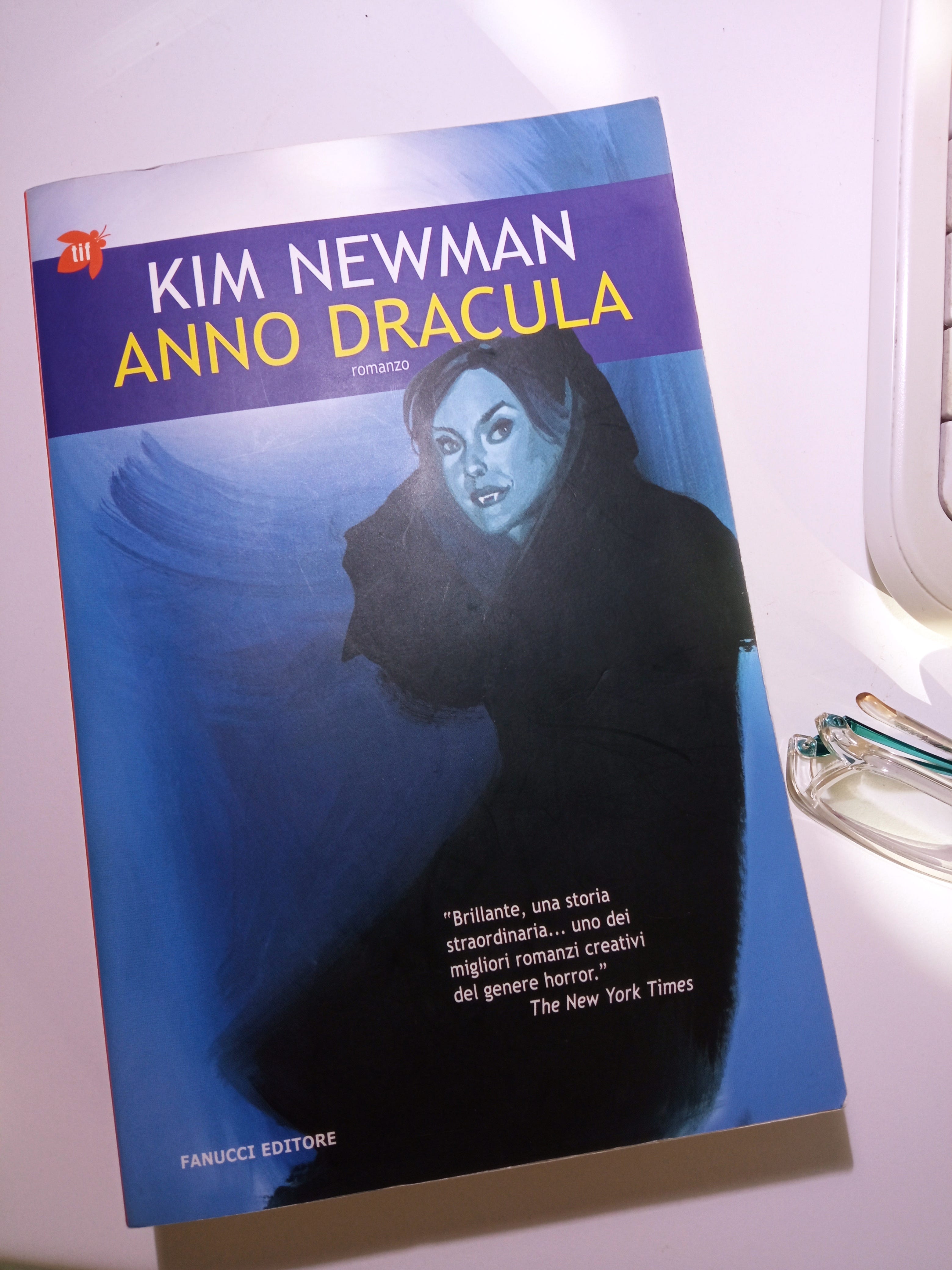
This novel can be considered in all respects a fan fiction of Bram Stoker’s “Dracula”.
It starts from the premise that the end of the story of “Dracula” is different (Dracula prevails over Van Helsing) and from there creates a sequel in which vampires live alongside the “warm” in 1888.
Yes, I know that, being a classic, these types of novels are defined as retellings and not fan fiction, but using a different name doesn’t change the substance.
That said, this is undoubtedly an excellent piece of fan fiction that anyone familiar with the story of Dracula (i.e., those who have read Stoker’s book) and a bit of all Gothic and non-Gothic literature from that period, as well as the history of the Victorian era, can only appreciate.
In fact, it is not only the famous vampire that is involved, but in “Anno Dracula” numerous characters from other famous works appear (both written and cinematic inspired by the latter), as well as several historical figures.
By the way, the edition I read (the Italian one) has a helpful list at the end of the book to check once you’ve finished reading to see if you recognised them all!
I found the story itself entertaining. Perhaps a little too slow for much of the book, but with a truly delightful acceleration at the end.
The ending is open and therefore leaves room for the sequels that were written later (it’s a novel from 1992). At the same time, it doesn’t make them absolutely necessary, as it closes the narrative arc satisfyingly.
I’d prefer not to add anything further as I believe the most enjoyable part is discovering the events as they unfold and, in the meantime, soaking up the atmosphere.
Being a horror novel, there are some rather gruesome passages, but it is up to each reader’s imagination to interpret them in the way they prefer, lingering or not on the details.
Kim Newman (who, despite the name, is a man) has certainly created a compelling world, giving it his own clear stamp, but one that fits in very well with that created by Stoker and the other authors of the Gothic genre.
I bought this book way back in 2011 for a few euros on Amazon. And it was sitting there on my shelf, maturing for all these years.
I can say that I’m happy I waited.
In a time when it seems to me that books coming out are more or less all the same based on a well-defined structure dictated by the genre, this work, almost experimental at the time, is a breath of fresh air for my thirst for blood… ahem… good stories!
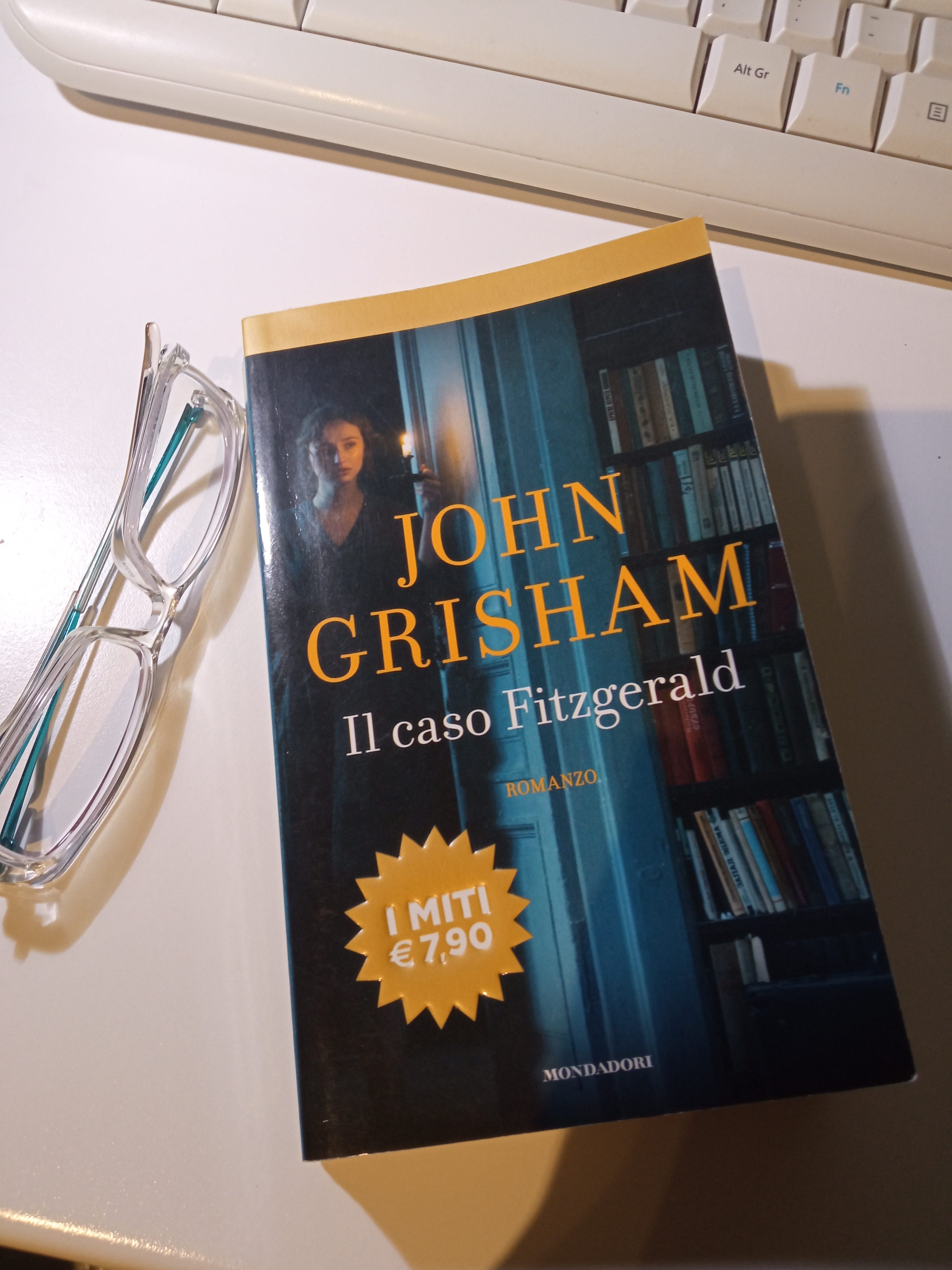
This is a novel that I believe can be particularly appreciated only by those who are writers and aspire to become (or are) novelists, preferably successful ones, or by those who are fascinated by the author’s craft.
The story is about writing and authors with their extraordinary lives. And in all of this, we find the theft of Fitzgerald’s original manuscripts and the way in which an author who has published only one novel and hasn’t really written for years, due to financial constraints, becomes a spy in a circle of friends that includes some fellow authors and other insiders to unmask the person who is keeping the stolen goods.
The funniest part of the story is precisely the romantic characterisation of this world, which bears only a minimal connection to the everyday reality of the vast majority of authors, who cannot afford to say, as the protagonist does, that they don’t want to do another job, but would rather write another book, as if this represented the certainty of obtaining a financial return from which to support themselves.
I read it with pleasure, but given the way it is narrated, stingy with pathos, I don’t know to what extent it could be appreciated by a generic reader who cares little about how books are written and how a professional (or aspiring) author lives or would like to live their life.
Comments
Nothing yet. Say the first thing.
Sign in to join the conversation.