
Big News! I just opened an Etsy shop to sell printable resources for families. Right now, there are only 2 products listed, but I have many more in the works. Stay tuned. Share with other families you know.
The two products listed are:
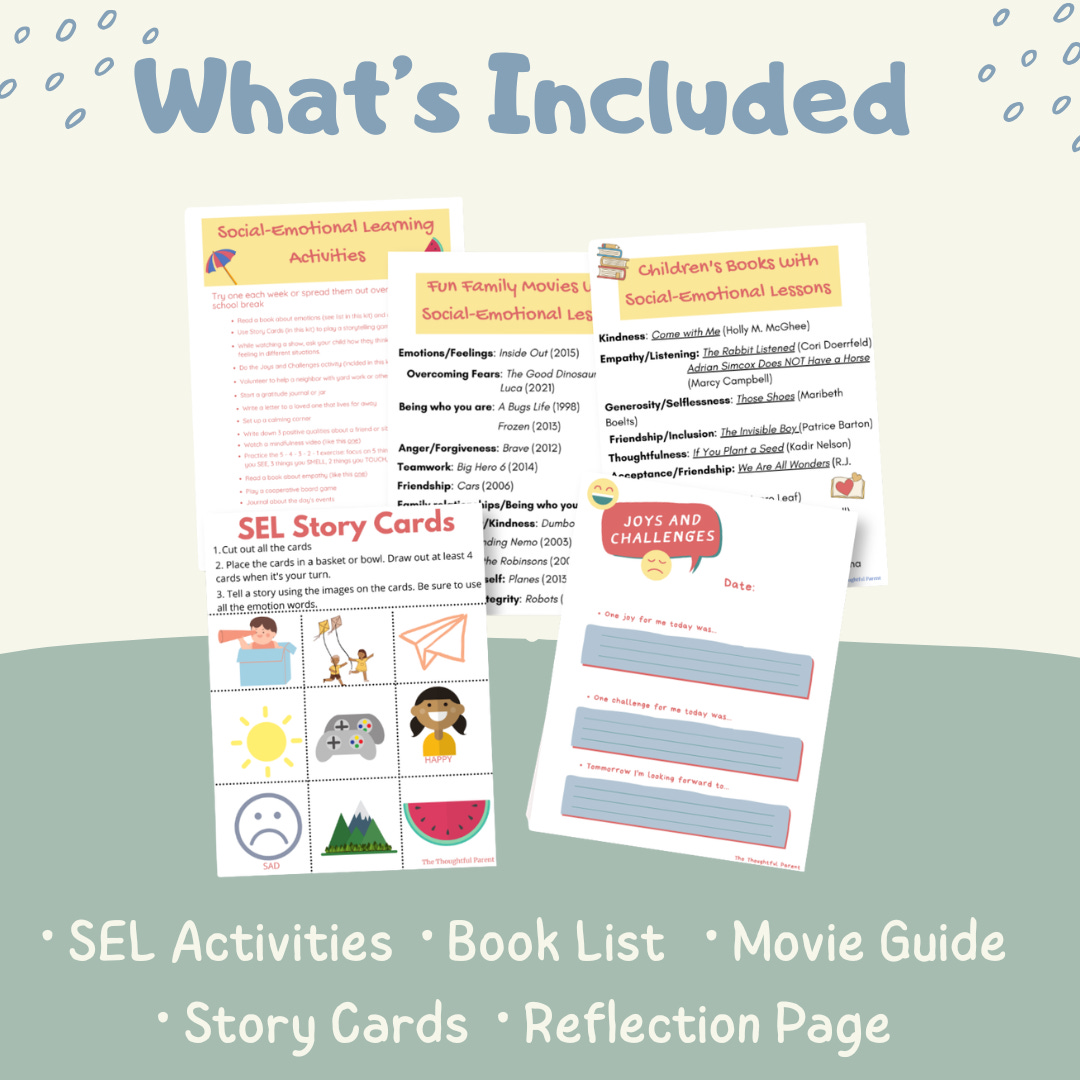
Social Emotional Toolkit (aka Emotion Camp for Kids)
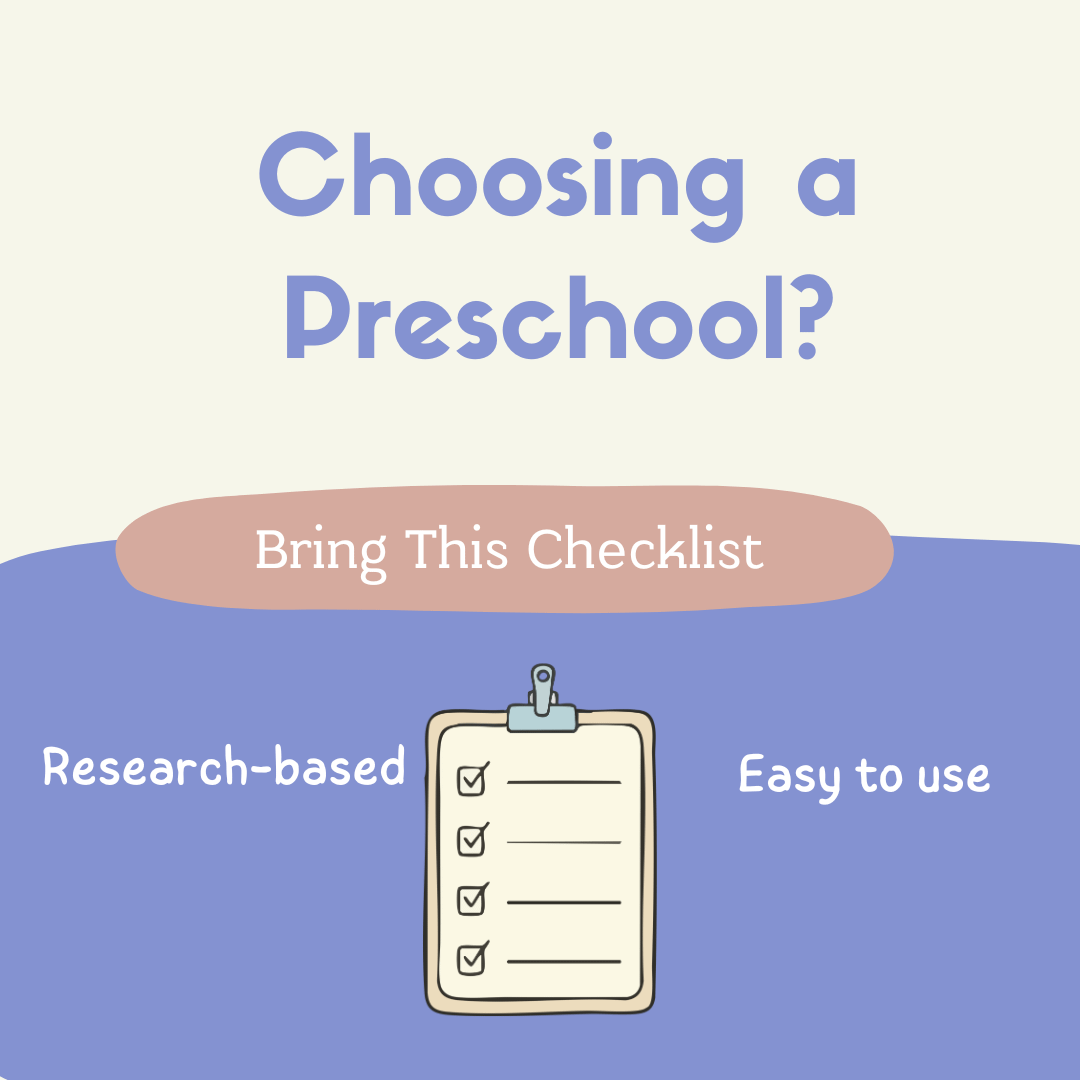
Preschool Guide and Checklist for Parents
Even bigger news! I’m adding these two resources to the paid subscriber page. If you upgrade to a paid subscription, you get access to these two products included in your subscription, along with the full library of resources.
Paid subscribers can find it at the top of the main page, with the header labeled Printables Library.
The Thoughtful Parent is a reader-supported publication. To receive new posts and support my work, consider becoming a paid subscriber.
When was the last time your child came running to you, excited about some unusual “fact” or story that “must be true” that they read online or saw on YouTube? You, having more life experience, quickly realize that this “big story” is, in fact, a fake.
This scenario makes you realize just how important critical thinking skills are in today’s world. Perhaps at no other time in history have critical thinking skills been so necessary for our children and their future endeavors. The emergence of AI has only reinforced the urgent need to foster this skill in our children.
While information is abundant in our world today, there is an even greater need for the skill of being able to carefully and critically discern the value of this information. Experts have recognized this as well. The World Health Organization has listed critical thinking skills as one of the 5 critical life skills that everyone should master, and these skills begin in childhood.
What can we, as parents, do in our interactions with our children to foster this crucial skill?

What is Critical Thinking and Why Does it Matter?
Although critical thinking is often listed among other intellectual skills that we hope to foster in our children, it is a very distinct concept. Different from pure intelligence, critical thinking has less to do with content and more to do with the quality of thought. Many scholars have adopted a definition that puts emphasis on the active process of evaluating information in a disciplined way. The ultimate goal of critical thinking is not just the intellectual process; the goal is to be able to use this evaluated information to inform one’s decisions or beliefs.
Although a person’s knowledge of a particular subject area is important in critical thinking, it’s not simply about being able to recall or recite content. Critical thinking skills are all about evaluation—being able to discern the value, relevance, or soundness of the information at hand.
From this, it’s easy to see why critical thinking skills are very necessary in our world today. In an atmosphere in which information is abundant and even overwhelming, the ability to evaluate information in a systematic way is crucial. This ability is not only important in academics and careers, but in personal life as well. Research backs up the value of critical thinking skills. For example, one study of children showed that those who participated in explicit lessons about critical thinking performed better on standardized tests (not that standardized tests are the ultimate measure of anything1). Studies do seem to indicate that critical thinking skills have to be explicitly taught to children; they don’t seem to just naturally pick them up over the course of development.
The Thoughtful Parent is a reader-supported publication. To receive new posts, a library of printable resources, and support my work, consider becoming a paid subscriber.
Comments
Nothing yet. Say the first thing.
Sign in to join the conversation.