
Having recently returned from Spain I had to write about the small castle close by to where I stayed.
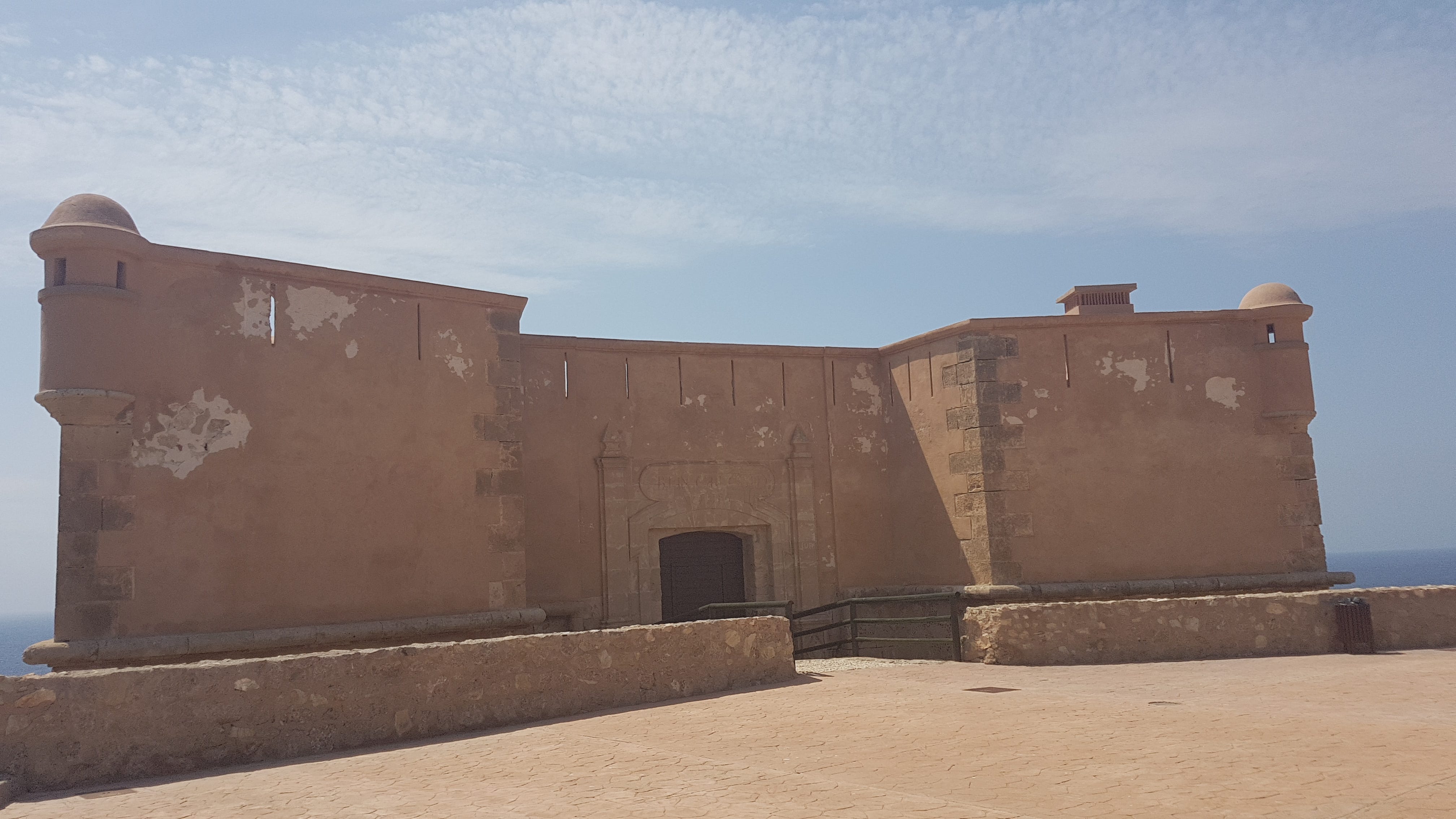
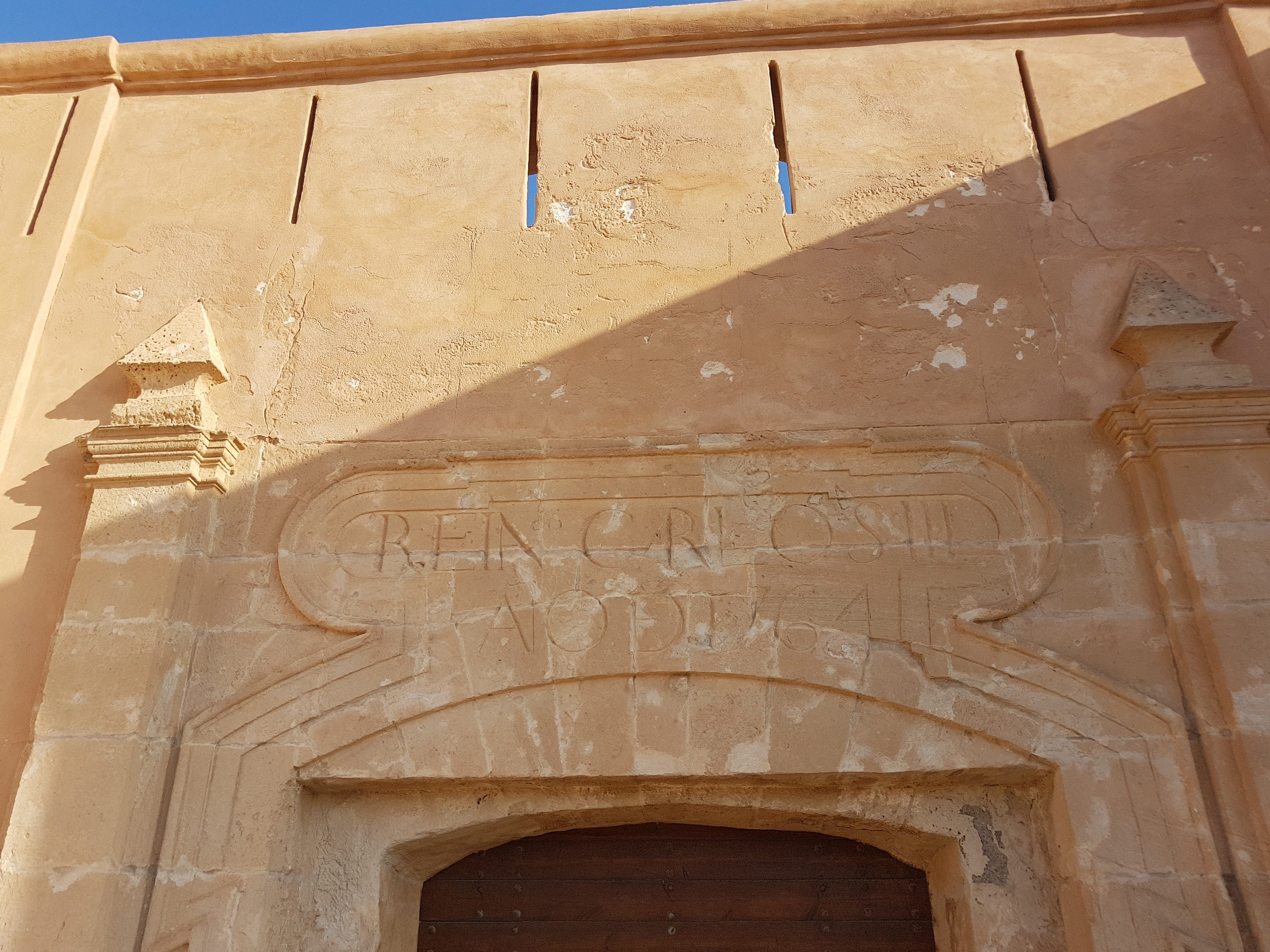
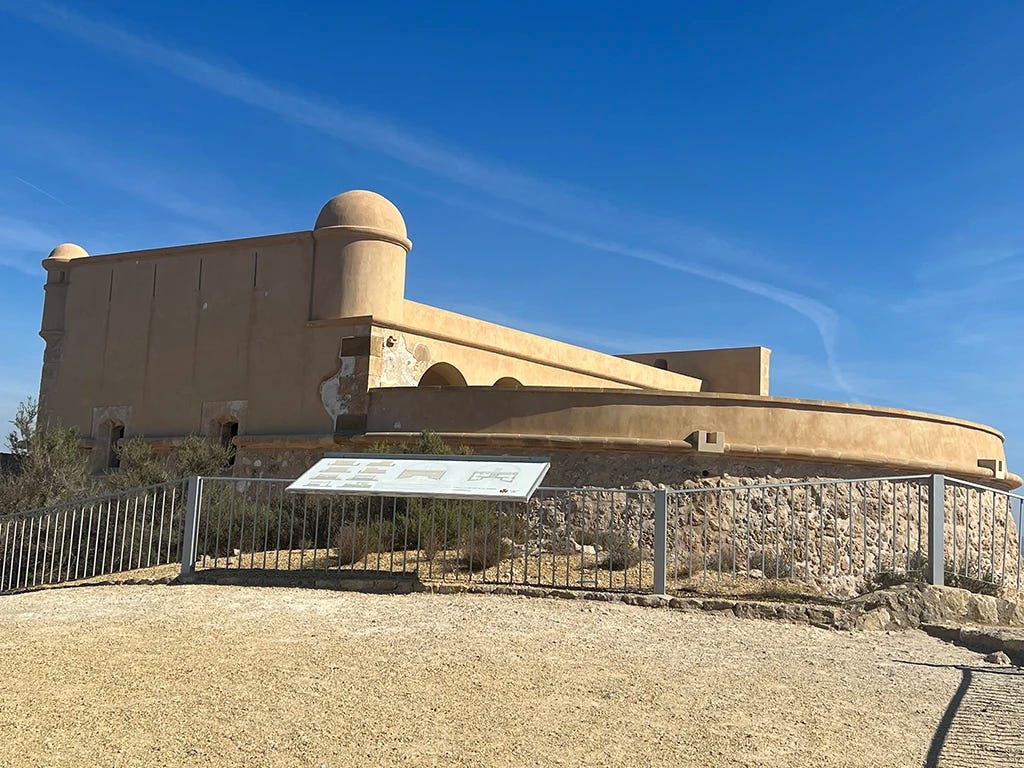
San Juan Castle, also known as Castillo de San Juan de los Terreros, or Batería de San Juan de Terreros, is a small fortress built upon the site of a sixteenth century watchtower, between 1760-1764 as part of the efforts to strengthen the Spanish coast against maritime threats including pirates. Carlos III was well aware of the threat to the Andalucian coast, and as a result ordered a string of fortresses to be constructed to defend the coastal region.
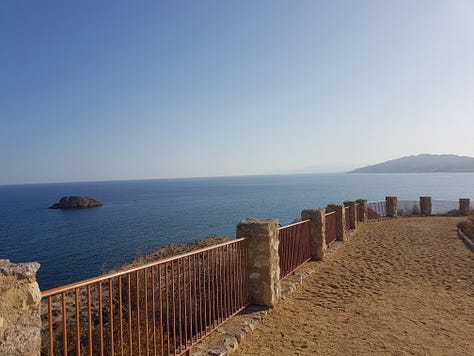
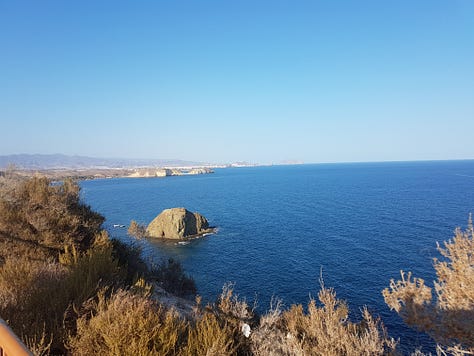
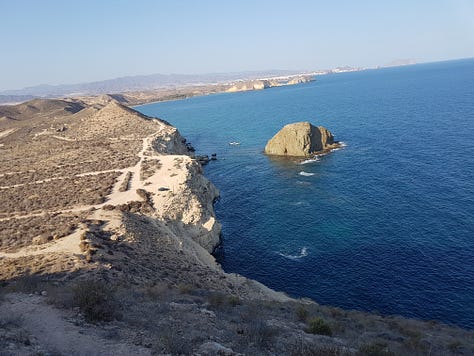
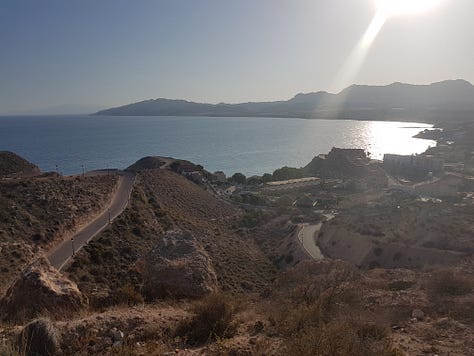
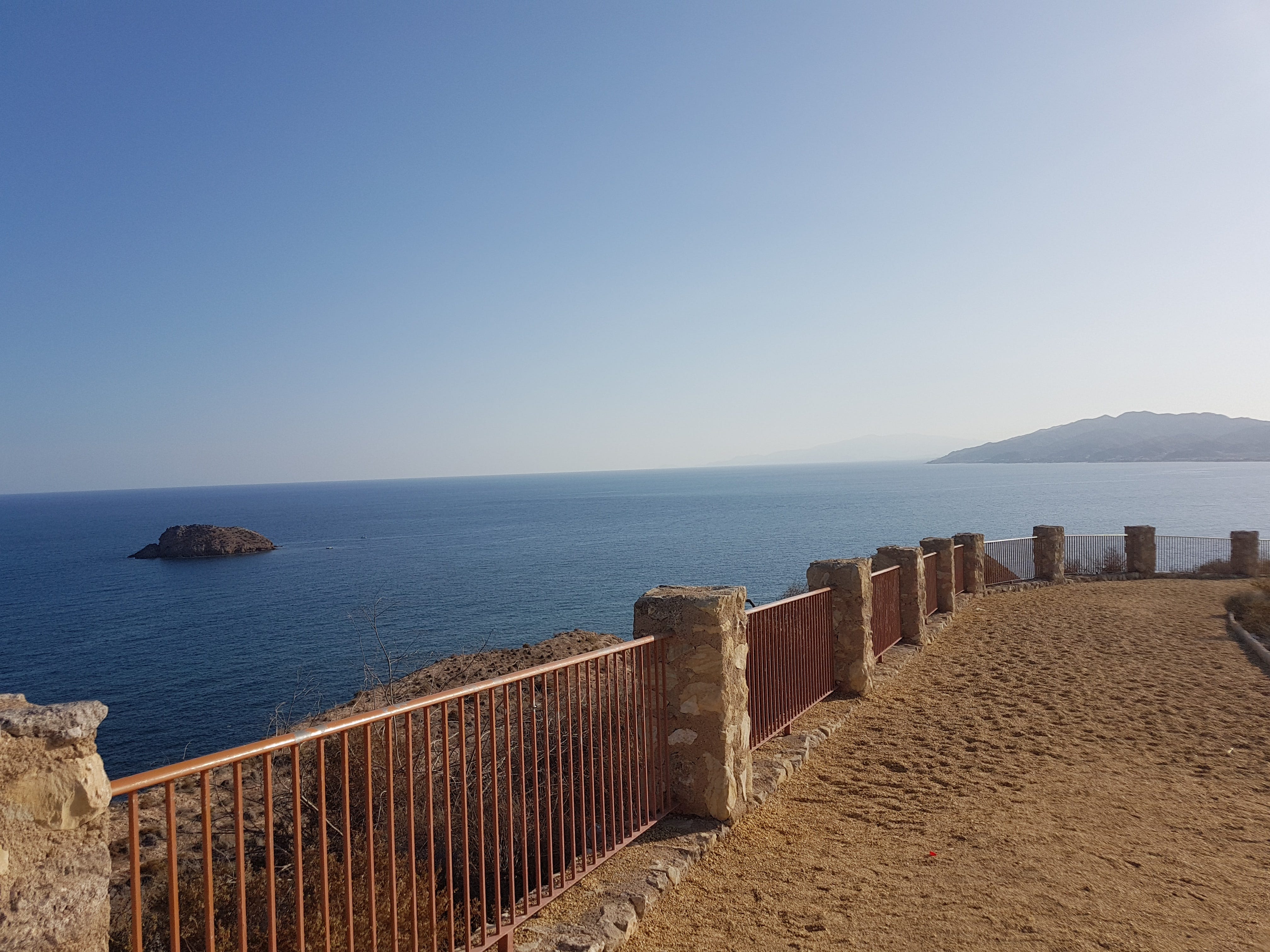
The castle sits atop a steep hill giving it sweeping views across the sea and the coastline towards Aquilas in one direction, and Garrucha in the other. It’s location is perfect for surveilling the sea for possible threats and is perched high enough to give it a defensive advantage.
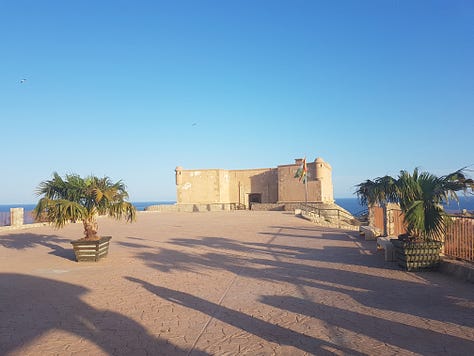
French engineer Thomas de Warluzel d’Hostel created the initial plans for the design of the castle but those plans were revised by the Spanish military architect Antonio Duce Oliveros. The existing horseshoe layout was beneficial for artillery defense and allowed for the military to ensure any naval threat could be defended with cannon batteries.
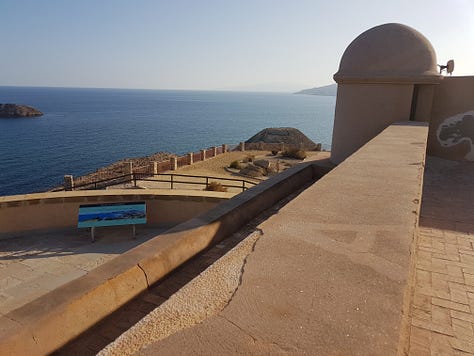
A small moat (now dry) with a drawbridge, protects the only entrance and the front wall is flanked with two semicircular bastions. The bastions gave additional protection to the fortress by providing those inside with the ability to defend both land and sea attacks. In addition to the moat and bastions, the fortress has sloped walls at the base making it difficult to scale. On entering the castle a passage gives access to the castle rooms whilst a staircase provides access to the rear of the castle overlooking the sea and a parapet that covers the upper level. The rounded side of the horseshoe faces the sea and gives visitors spectacular views across the Mediterranean, or if looking back the expansive mountains in the background.
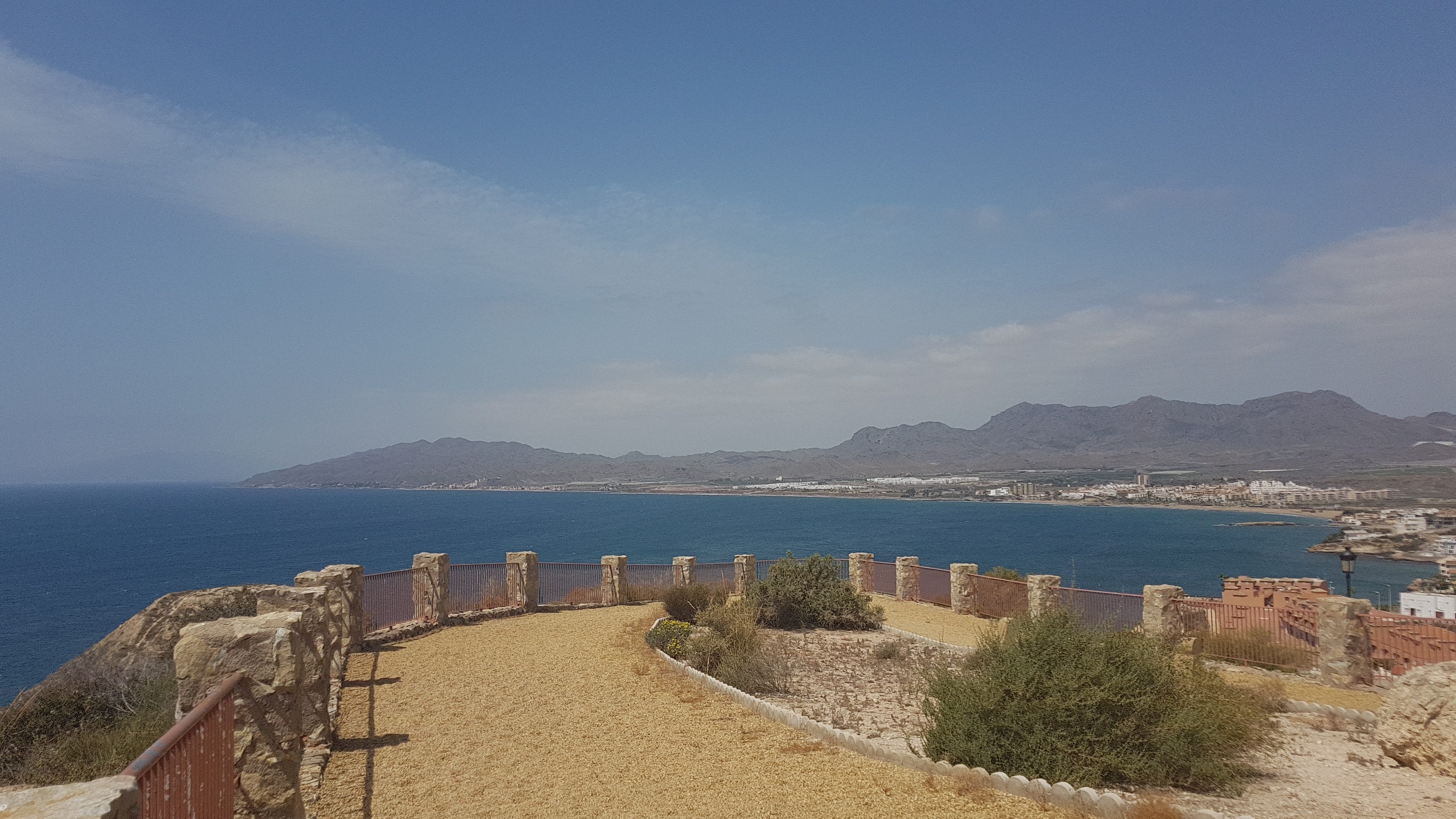
Despite it’s small size, the castle has played an active part in defending Almeria. It became part of the 1823 conflict between royalists and constitutionalists and changed hands, luckily without suffering any damage. Sadly it was then abandoned and began to fall into disrepair until it was almost ruins.
Towards the end of the 20th century, the Spanish government acknowledged the importance of the historical site and the castle has been restored. It now houses a small museum and a 3D interactive experience of the nearby Geode. The castle is open to the public for a small fee. If you don’t wish to pay you can still walk part of the perimeter and enjoy the bar/restaurant in front of the castle where you can experience the incredible views.
At dawn the sun rises close by, silhouetting the castle whilst at night the castle and the road leading up towards it are lit up. For such a small site it really is a beautiful place, well worth a visit and I am very fortunate to have been a few times now.
If you would like to know more the nearby geode please let me know and I will write a separate post about that!
Comments
Nothing yet. Say the first thing.
Sign in to join the conversation.