
On May 3, 2016, I was supposed to be flying home.
Instead, I watched on my phone, as my hometown burned, unsure if I would still have one to return to.
After a week, I still couldn’t go home; it became clear that I was an evacuee from the most destructive wildfire Canada has seen to date.
It seemed unlikely my condo would go up in flames - but it also seemed unfathomable that 3,000 structures would be wiped off the map. In the month that followed, the fire that attacked Fort McMurray became known fittingly as The Beast. It had a mind of its own, was hell-bent on taking everything, and nearly did.
Having built a life on a mountain surrounded by beautiful (potentially combustible) trees, it’s time to plan for the worst. This spring has been dry, and wildfires have started early. It’s time to apply the lessons learned from The Beast.
The red arrow is the house, the white after - is not snow
What the Beast Took
When my life in Fort Mac began, it was a big move, eased by having family friends who brought me into their home and made me feel like one of their own. We shared dinners around the table, watched TV together in the den, and poked fun at the grandparents. The house was large. A 5-bedroom with colourfully painted walls and an interesting layout. Eventually, I moved out and bought my own apartment.
That colourfully painted house was burned by the Beast.
My car spent May 2016 in the Fort McMurray airport parking lot. I’d gone to Vancouver for 5 days and expected to return May 3 - the day it all began. From an airport live cam, I watched in horror as the sky darkened. The airport hotel on the other side of the tarmac disappeared in the smoke, never to reappear.
Whether the cars in the parking lot had burned was unknown.
I received a picture from a neighbour and friend. The skies all around the condo building were dark and tinted orange by smoke and fire. You could practically feel the heat. Had I been there, on my 6th-floor balcony, I would have witnessed a new subdivision burning to the ground as emergency crews worked feverishly.
Bulldozing garages to create a fire break to slow the destruction.
When I finally returned to work, I began hearing people’s stories from the evacuation. One man’s windshield wipers melted to the windshield as they fled through the fire. Another got notifications from his abandoned car as it was incinerated. “Front left tire pressure low, back left tire pressure low.”
A dozen of the 70 people in my department lost their homes.
Returning Home
I returned on a bus from Edmonton, shedding a few tears as I got into town. It was a post-apocalyptic scene, smoke still hanging in the air.
Curt was flown to a camp north of town before I could return, and got my car from the airport. It was unscathed, covered in ash, sitting there as though nothing had happened. Red Cross provided emergency kits in buckets to anyone who needed them. They contained food rations and stuff to start cleaning up.
Crews had worked tirelessly to make Fort McMurray as safe as possible for people to return to. Grocery stores, which had spent a warm month without power, had been emptied, cleaned and restocked. Barricades had been placed in areas that were unsafe to enter. Fridges from people’s homes lined the streets, full of rotten food.
I’d accidentally left a window open in my condo, which seemed to help prevent the smoke smell from settling in. Somehow, the power to the building had never been turned off; the time on my microwave was still correct. How okay my place was while being surrounded by a charred, greyscale world made for a surreal apocalyptic feeling.
What the Beast Taught
The people of Fort McMurray were accustomed to persevering through intensely cold winters and floods caused by the spring river breakup, but this was a new challenge. The Beast had circled the town like a predatory animal, fuelled by underbrush and strong winds, lunging at homes and businesses at every opportunity. Since then, fire mitigation strategies have been put in place, and we’re taking a page from their book.
This spring on the mountain has been warmer and more snowless than any I’ve experienced so far. Two nearby communities have already had out-of-control fires that were extinguished quickly. With that in mind and the ten-year anniversary of The Beast weighing on my heart, it’s time to get serious about the fire remediation plan.
Burning Grasses and Underbrush
Curt and I have been trimming and burning underbrush since the snow melted. Taking away the most ignitable fuel, it’s surprising how readily dry grass burns. It’s also a bit cathartic following the wall of flame, that is, until the wind picks up and things get scary. Burning always requires having water on-hand and watching it closely.
Creating a Firebreak
I always hesitate to cut down trees, and the last thing I want is for my mountaintop oasis to look industrial. For the sake of wildfire prevention however, I have to make some concessions. We’ve been removing the higher risk types of trees, like Balsam Fir, while leaving fire-resistant shrubs like Ninebarks.
Storing Water and Irrigation
Keeping water totes topped up and pumps ready is crucial if a fire makes its way here. The plan is to keep some totes uphill where their water can be gravity-fed down to a sprinkler on the house, keeping things damp if we’ve been forced to leave.
Evacuation Plan
People packed some funny things in a hurry to leave Fort McMurray. This was pre-COVID, but toilet paper often made the cut while things like pants, photo albums and passports were often missed. I have a written and digital list of things to pack in case we have to go.
Starting with irreplaceable things and animals, then necessities and more expensive things. That way, between myself and Curt, we won’t miss anything or take extra time looking for something the other person already grabbed. Also on the list is moving flammable things, such as propane tanks, away from the house.
First Time Lucky
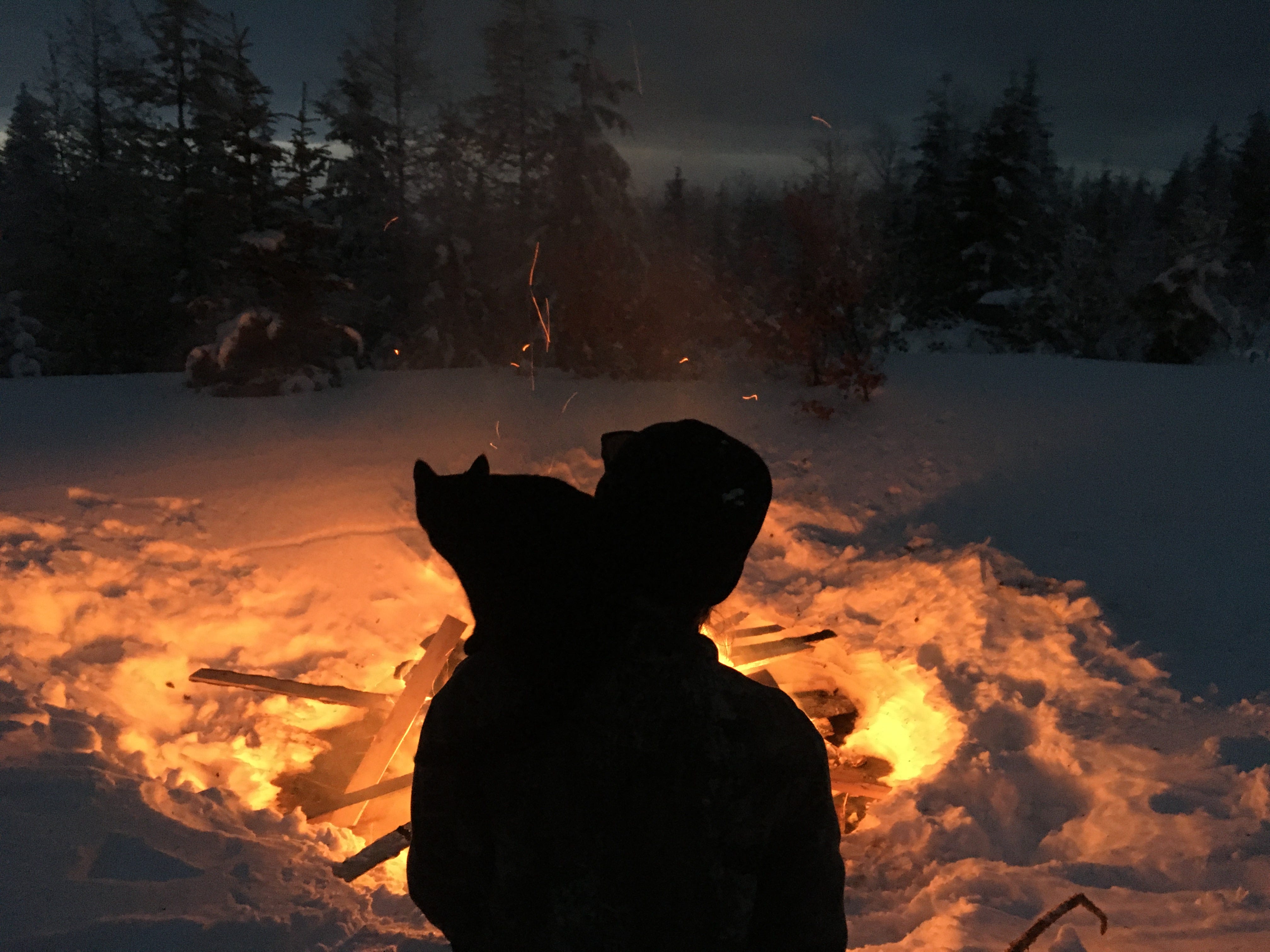
I was lucky the first time. The Beast took, but it also gave experience and insight. It showed me how quickly things can change, how little control we really have, and how unprepared I was for that reality. Though I wasn’t there when it began, ten years later, that lesson still lingers.
Living off-grid now, there’s no one coming to restore power or water if things go wrong. I have to depend on myself in a way I didn’t before. This time, I’m not relying on luck. I’m preparing for the possibility that I might have to leave again, and doing what I can to make sure there’s something to come back to.
Comments
Nothing yet. Say the first thing.
Sign in to join the conversation.