
Preschool Parade: A celebration of books, activities, and ideas for parents of young children by Author Amy Houts
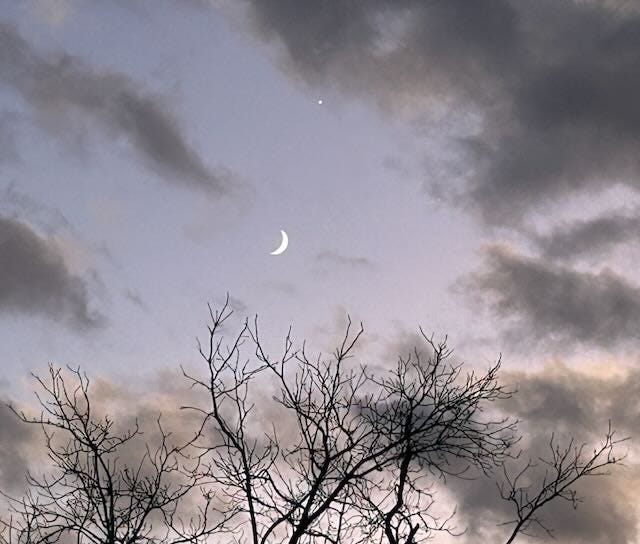
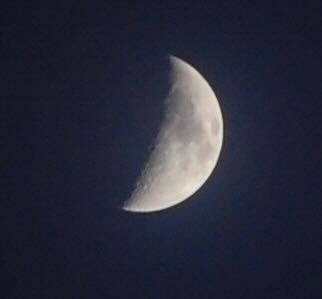
When my husband, Steve, taught the Moon phases in 7th grade science, his students learned all the correct terminology for each phase including names like waxing gibbous. For preschoolers, start by naming just a few, the full Moon, half Moon, and crescent Moon, and add others as children grow. For young children, show them patterns in nature. Observing the Moon is a perfect example. It’s visible almost every day, and you can track its changes.
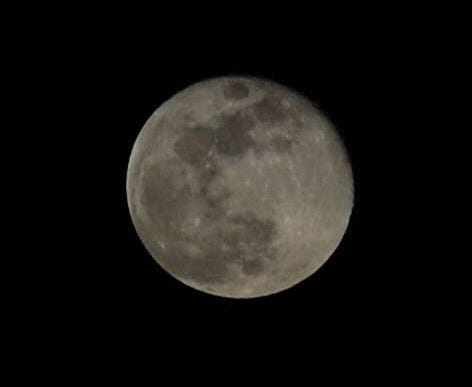
MOON FACTS
Here are some basic facts about the Moon to teach young children.
· The Moon looks like a light shining in the sky, but the Moon doesn’t make its own light.
· The Sun shines on the Moon. The light you see is from the Sun.
· The side of the Moon that faces Earth is lit up.
· The portion of the Moon that is lit up changes with each phase.
· The Moon looks different every night for about 30 days; then the cycle repeats.
· A full Moon is a circle. That’s when the Moon looks like a face called the “Man in the Moon.”
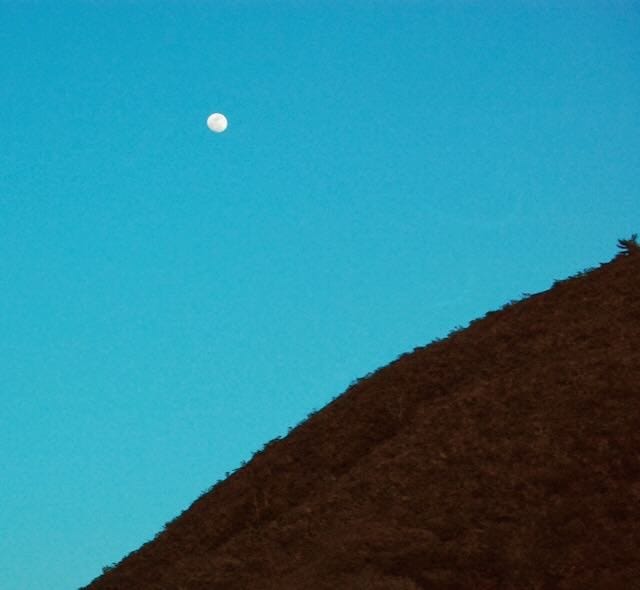
· Sometimes you can see the Moon during the day.
· About once/month you can’t see the Moon at all. This phase is called the new Moon.
ACTIVITIES:
1. Shine a flashlight in a dark room. Only part of the room is lit up. That’s like the sun shining on the Moon. Part of the Moon is lit up.
2. Take a photo of the Moon every night for a month. Observe how it changes.
3. Draw pictures of how the Moon changes.
ACTION RHYME
Have you noticed how light the sky is when there’s a full moon? Here’s an action rhyme that compares the Moon to a nightlight to say and do with young children.
NATURE’S NIGHT LIGHT
By Amy Houts
I see a little nightlight (Place thumb and pointer finger close together for “little”)
Shining way up high. (Stretch hands above head)
It helps me see in darkness, (Hand above eyes, palm downward)
Glowing in the sky. (Point to sky)
Sometimes the light is friendly (Point to corners of your smiling mouth)
Grinning ear to ear. (Smile. Note: Like a crescent moon)
Sometimes the light plays hide and seek. (Place hands over eyes, then remove)
How can it disappear? (Palms up, shrug shoulders)
I asked Mom for a nightlight (Point to self)
She plugged it in the wall, (Point to wall)
So I don’t have to worry (Sweep finger back and forth)
If the Moon is big or small. (Hands wide apart, palms inward; then place thumb and pointer finger close together for “small”)
TWO UPCOMING HOLIDAYS RELATED TO THE MOON PHASES
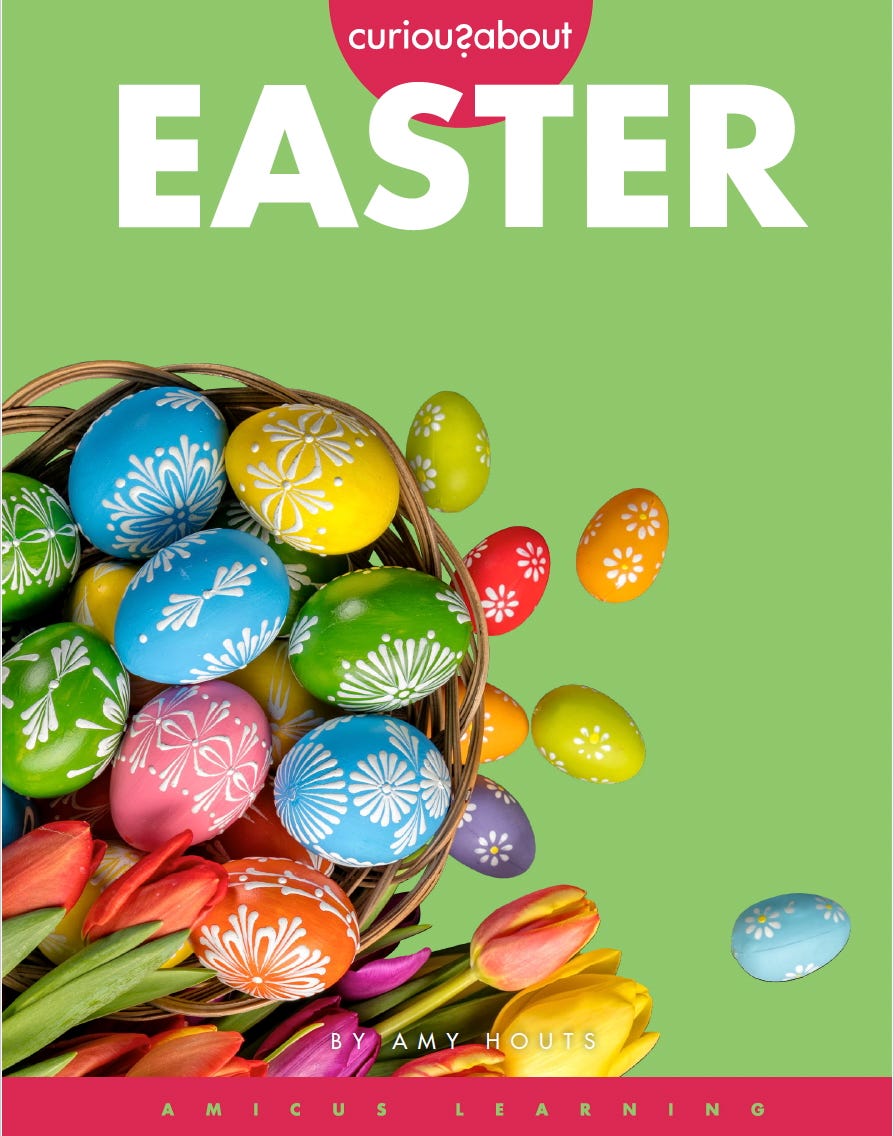
Did you know the dates of some holidays depend on the Moon phases? The Christian holiday of Easter is the Sunday after the first full moon after spring starts (the spring equinox). This year, Easter is Sunday, April 5th. The Jewish holiday of Passover begins on the 15th of the Hebrew month of Nisan, the first full moon after spring starts. This year, Passover is April 1-9th. Easter and Passover are often celebrated near or on the same date. The Last Supper, Jesus’ final meal with his disciples, was a Passover Seder. Find out more about Easter in my new book, Curious About Easter. Enter the giveaway below! See the Amazon listing here.
Enter the Giveaway here.
Curious About Easter: Why do people celebrate Easter? Spark kids’ curiosity with questions and answers about Easter’s significance, history, and celebrations. Readers will discover what makes Easter a special spring holiday, the story of Jesus’s resurrection, and how people around the world celebrate. Packed with fascinating “Did You Know” facts and infographics for visual learners, this book is perfect for young readers eager to learn more about Easter. A “Stay Curious!” feature encourages kids to keep asking questions while doubling as a mini media literacy lesson on research skills. Includes table of contents, glossary, further resources, and index.
BOOK NEWS!
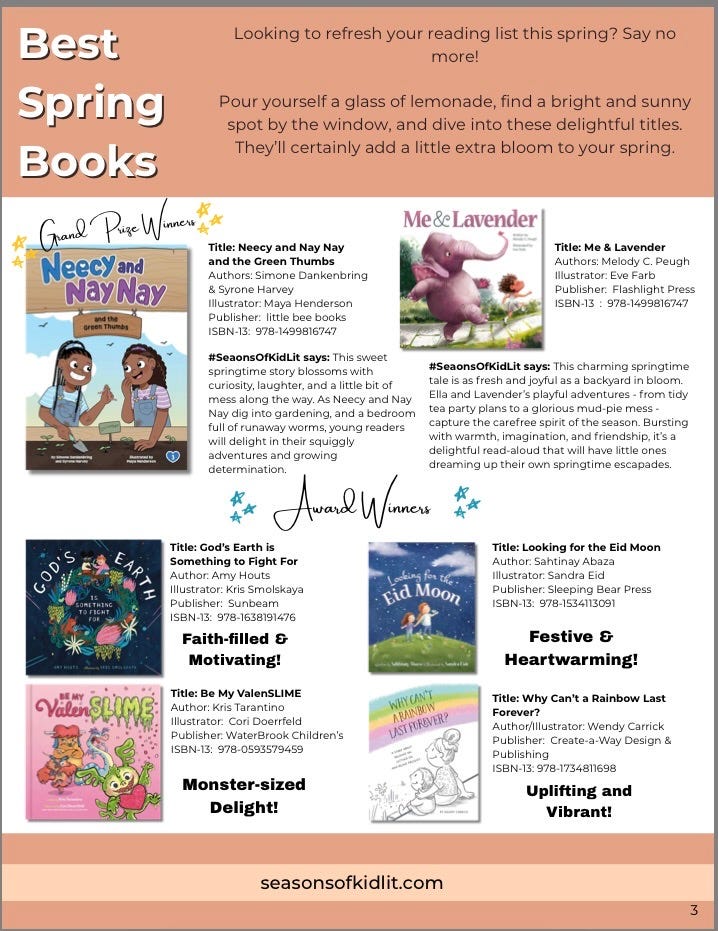
God’s Earth is Something to Fight For, my Earth Day book from a faith perspective, won an award! I hope this helps to spread the message God calls us to care for the Earth God created!
#AuthorLife Did you know? Authors with more followers are awarded more contracts, so if you would take a minute to follow me on Instagram @AmyHouts, or click here. Thank you!
Amy Houts is the author of 100+ picture books for children. To find out more about Amy, visit: Linktr.ee/amyhouts.
No posts
Comments
Nothing yet. Say the first thing.
Sign in to join the conversation.