
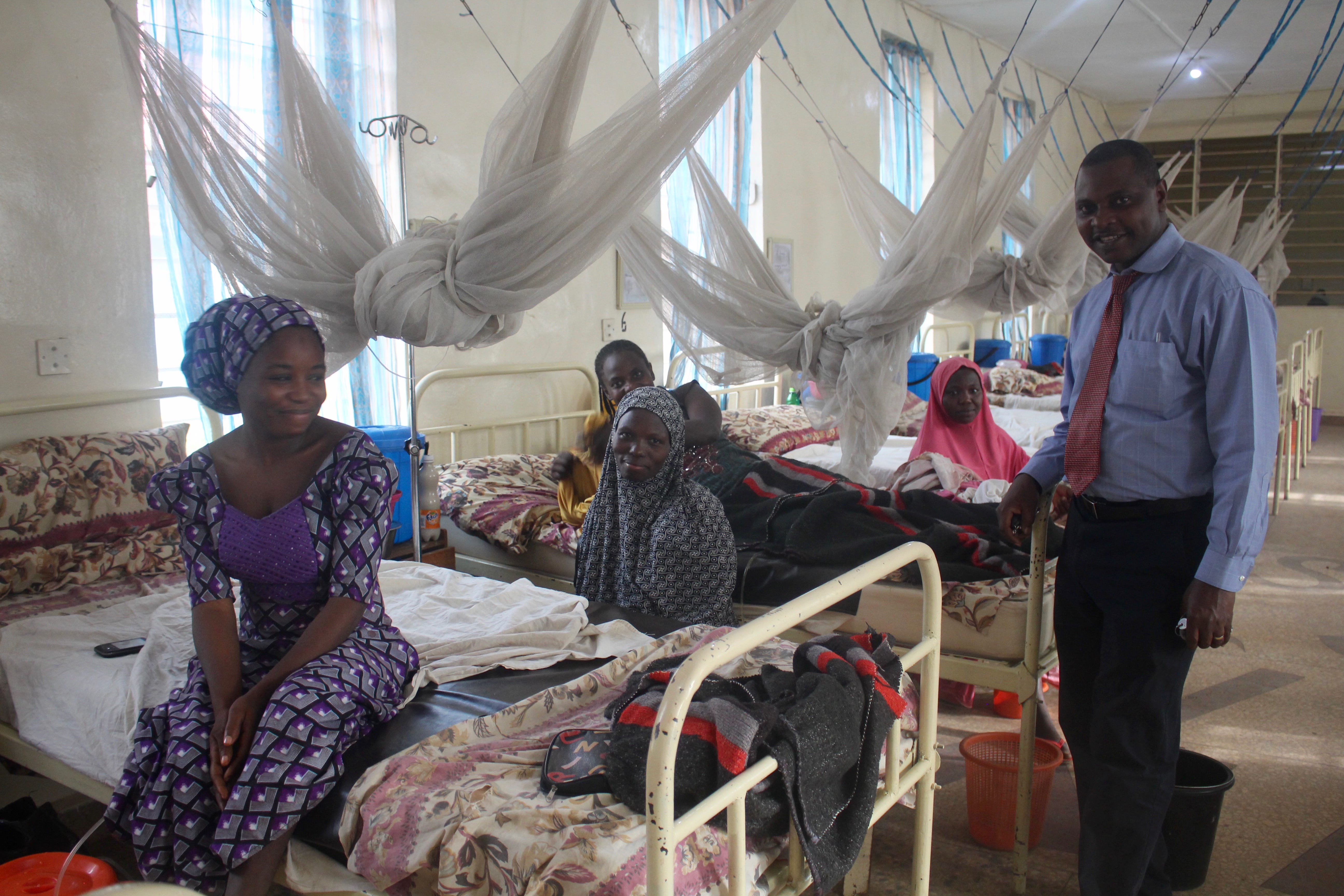
When Zainab Sani went into labor, her husband refused to take her to hospital. They lived just three miles from a health center in Bauchi State in northern Nigeria, but her husband said he didn’t have the money to pay the hospital fees and, besides, he said, the other wife in their polygamous marriage had been able to deliver at home with the help of a traditional birth attendant.
Eventually, Sani, who was a teenager at the time, got to the hospital with the help of her stepmother. When the doctors told her the baby was too big to deliver naturally, her father paid for a caesarean section. But, by then, her baby was dead.
“It was miserable, horrible because I was leaking urine all the time and I did not know how to handle it. People were always pointing fingers at me saying, ‘See that lady who is leaking.’”
“Soon after, I started leaking urine,” said Sani, now aged about 36.
She had developed fistula, a tear in the vagina or rectum caused by prolonged obstructed labor, which, if left untreated, can lead to uncontrollable leakage of urine or feces. Described as a “silent” condition, it can lead to women being thrown out of their homes, ostracized from their communities and unable to work. Sufferers often end up alone and living in poverty.
About 500,000 women and girls live with obstetric fistula worldwide, a drop from two million two decades ago, and 97 per cent of them are in sub-Saharan Africa and the Asia Pacific, according to the United Nations (UN). UNFPA launched a campaign to end fistula by 2030 in 2003, but lack of political will and funding is preventing all women from being treated, they say.
During the six years or so that I lived in Africa and Asia, I tried to make covering it a priority. I was lucky that when I worked for one news agency two editors (both male and one of them wonderful) encouraged this and I was able to go to the conference of the International Society of Fistula Surgeons (ISOFS) when it was held in Uganda's capital Kampala, attended a camp there and then also travelled with UNFPA to see survivors in the country’s east at another one. I also wrote about it when I later travelled to Nigeria and Bangladesh. But once I was told (by a female editor) that it would be hard to commission stories on it as it wasn’t seen as an emergency issue, sadly.
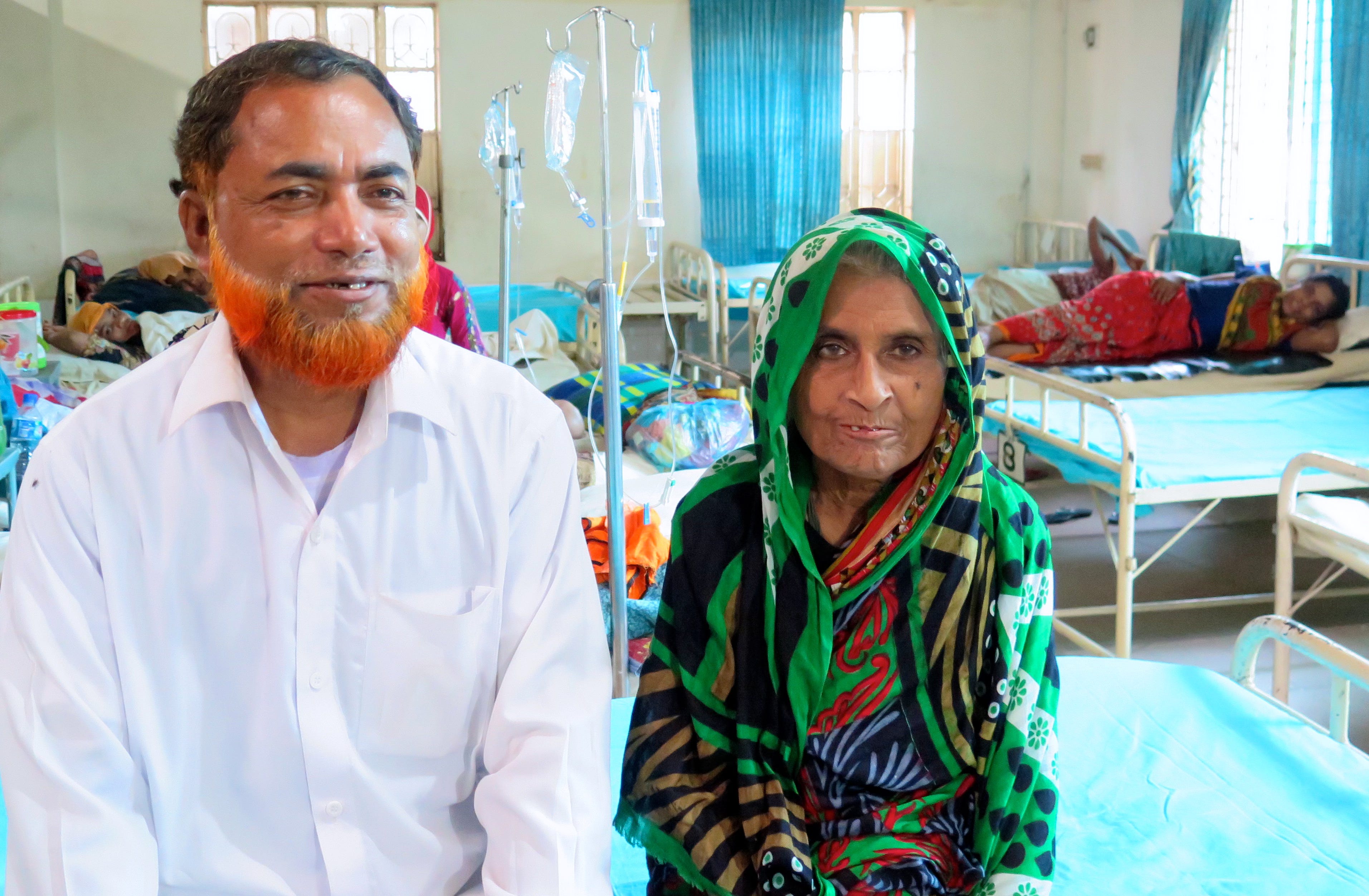
In Bangladesh though, I met one woman, Fatema Khatun, who had suffered from fistula - one of the greatest ignominies a woman can endure and accepted it as her fate - for 45 years. In the end, it took just 37 minutes for a surgeon to give her back her life.
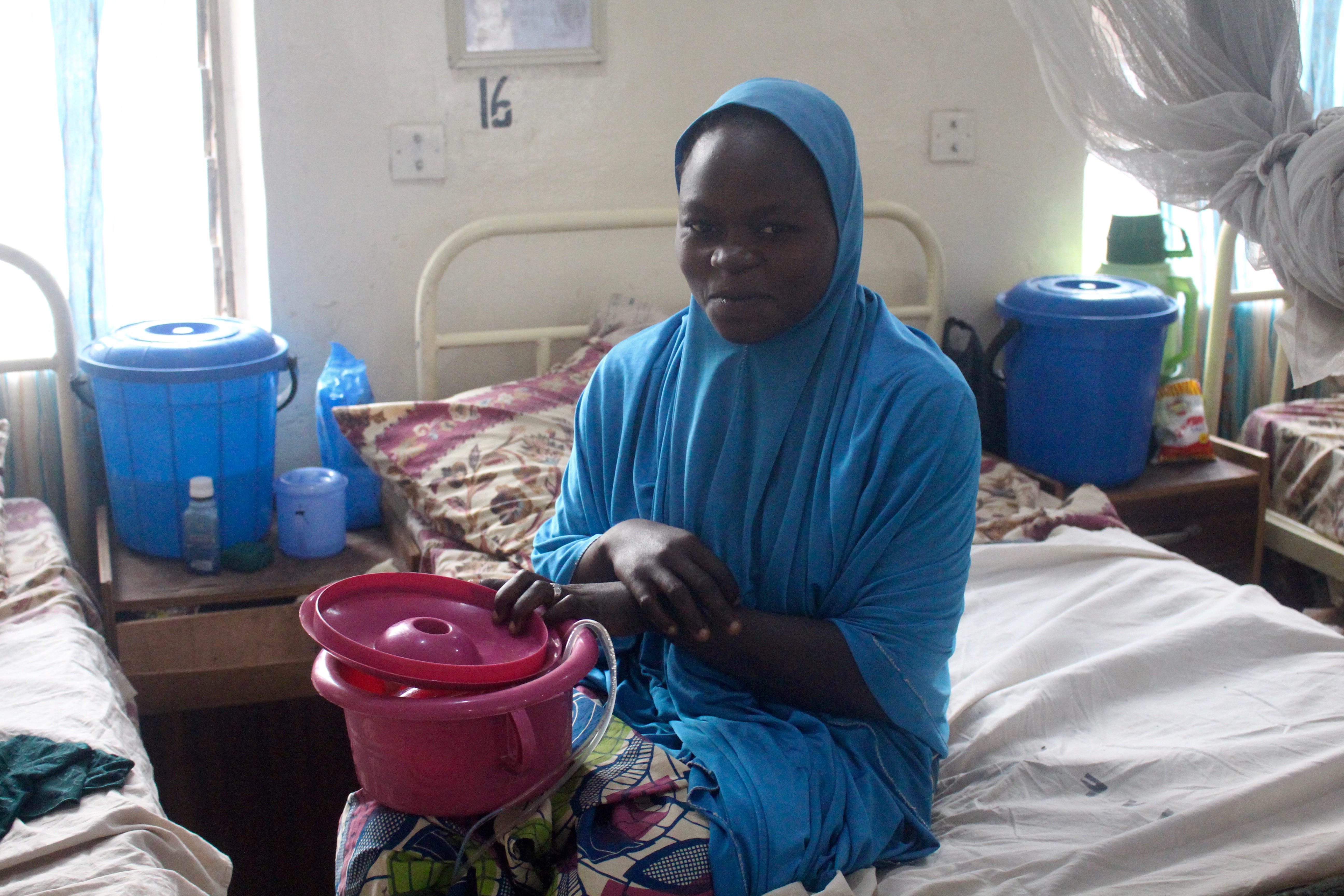
In Nigeria, Sani’s husband divorced her when he discovered she had fistula. “I was very distressed. I cried and cried,” she told me.
After more than a decade of living with the debilitating condition, she too finally found relief at Evangel Vesico-Vaginal Fistula Center in Jos, a city in Nigeria’s Middle Belt region, with the help of Dr. Sunday Lengmang.
Considered one of the world’s leading fistula surgeons, Lengmang has specialized in fixing obstetric vesicovaginal fistula – a tear between the bladder and the vagina. It’s the kind of fistula Sani suffered from, and often considered inoperable.
Many of the women at Evangel have already undergone several unsuccessful operations by the time they reach Jos. Some have come from the northeast, the heart of Boko Haram’s vicious insurgency, which Lengmang said has “definitely increased the incidence of fistula in Nigeria.” The condition can also be the result of rape.
Most fistula can be repaired by surgically closing the tear. But obstetric vesicovaginal fistula is so severe the only way to treat it is with a procedure called urinary diversion, which changes the route that urine takes from the kidneys out of the body. The surgeon cuts the ureters – the tubes that drain urine from the kidney to the bladder – off the bladder and connects them to the large bowel, allowing urine and feces to come out together. It’s a high-risk operation, and isn’t always successful.
Evangel, founded in 1992, is one of the few facilities in Nigeria that offers urinary diversion, and Lengmang, at the time that I met him in 2017, had used the procedure to treat obstetric vesicovaginal fistula more times than any other surgeon in the world.
The majority of the women he treats “married young and had fistula from the first delivery,” he said. “They are depressed, divorced, have been divorced several times and remarried several times.”
“This is their last hope,” he told me.
As part of the treatment, Evangel also offers psychological counseling for fistula sufferers.
Nigeria does not have reliable estimates on the number of fistula cases. The country has not been able to mobilize the resources to support robust surveys required to collect the data. But according to Fistula Foundation, it has the most cases of anywhere in the world, with about 114,000 women suffering from fistula and 12,000 new cases developing each year.
Dr. Steven Arrowsmith, medical director for the Foundation, which provides funding to allow Evangel to carry out free fistula repairs, said there were no evidence-based figures on what percentage of those fistulas are inoperable. Lengmang estimated it was about one percent.
For a long time, Sani thought she was part of that one percent.
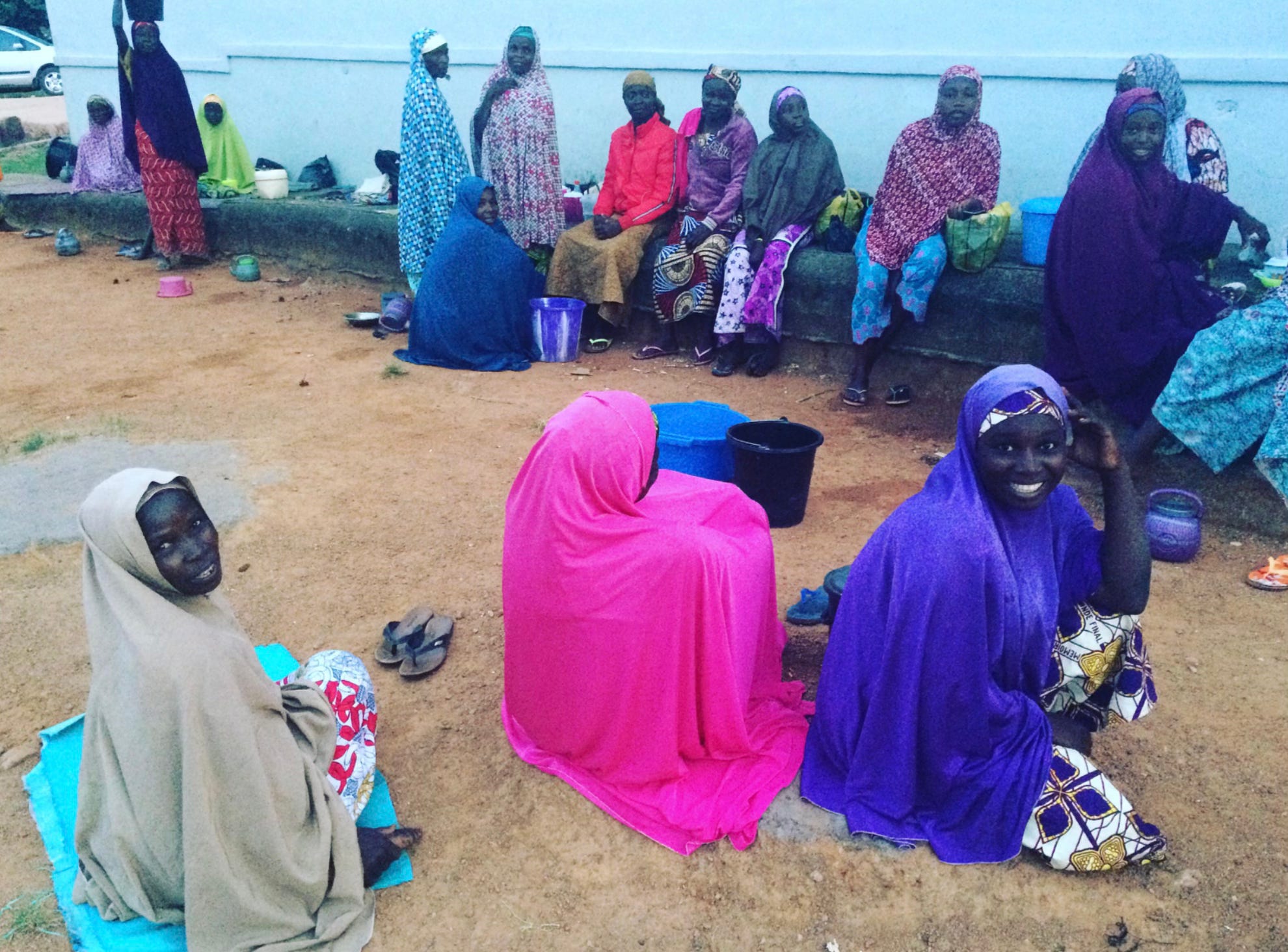
With no husband and soon abandoned by her father and stepmother because her condition was seen as too much of a burden, Sani went to Kano, where she stayed in a center for women living with fistula.
But whenever she stepped outside the center, she faced the same stigma she suffered at home. “It was miserable, horrible because I was leaking urine all the time and I did not know how to handle it,” she said.
“People were always pointing fingers at me saying, ‘See that lady who is leaking.’”
About a year after developing fistula, Sani had surgery at a fistula center in Kano. But the operation was unsuccessful because she had a bladder stone.
Lengmang says a fistula may fail to close after surgery due to infection, the hardening of the tissues around the tear – a condition called severe fibrosis – or the presence of a bladder stone.
After her failed operation, Sani gave up on the idea that she would ever be cured. She resigned herself to soaking up her urine with towels, a trick she learned from other sufferers.
It wasn’t until she met a woman whose fistula had been deemed inoperable by doctors in Kano but had been repaired at Evangel that Sani dared to hope.
Sani had two operations at Evangel – during the second one, her bladder stone was removed and the fistula closed. The operation took about two hours and was “quite complex,” said Lengmang.
“Since the surgery I’m feeling a lot better, and hopeful that I’m going to be dry,” she told me.
She later attended a Freedom Ceremony at Evangel, where fistula sufferers gather to support each other.
The name of the event highlights how a single surgery can be transformative for women who thought they were confined to a life of isolation and poverty.
“Now they have healed, some of their husbands will start loving them, they will come back to reconcile,” said Katherine Bala, a social worker at the hospital.
“These women are free.”
Thanks for reading and I hope you found this insightful. When we need more news coverage - and not just hot takes - more than ever and more coverage of the global South, especially on this platform, for the next while I’m looking back at some of the stories I’ve reported on from all around the world. Stay tuned!
Comments
Nothing yet. Say the first thing.
Sign in to join the conversation.