
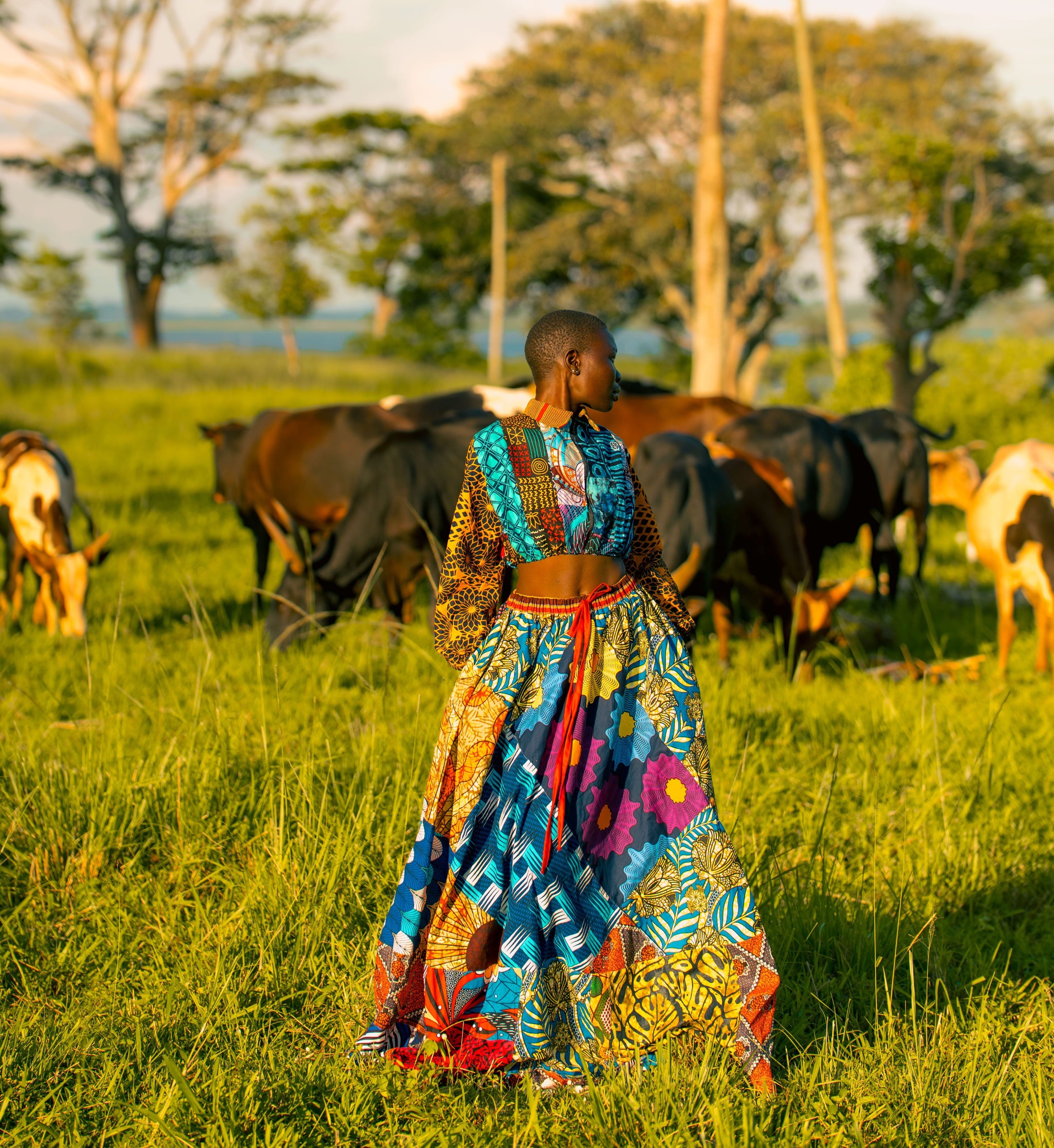
When Ugandan farmer's daughter Rose Akurut became engaged to a man from a village far from her own, her parents could not be more thrilled. But the dowry she would bring -- cows, goats and cash -- soured the marriage and brought dark clouds over the partnership, a story repeated by many others in the east African country.
"I was very, very happy. Now I'd also benefit, the cows would come," said her mother Anna Amiti, 50, referring to the bride price or dowry, enshrined in Ugandan law, that the family received from their son-in-law.
"We told him, 'show us your strength, so that you actually can take care of her,'" added her father John Okodel, 66. He had given his wife's family nine cows when they married decades ago, in the eastern Ugandan region of Bukedea, some 240 kilometres (150 miles) east of the capital.
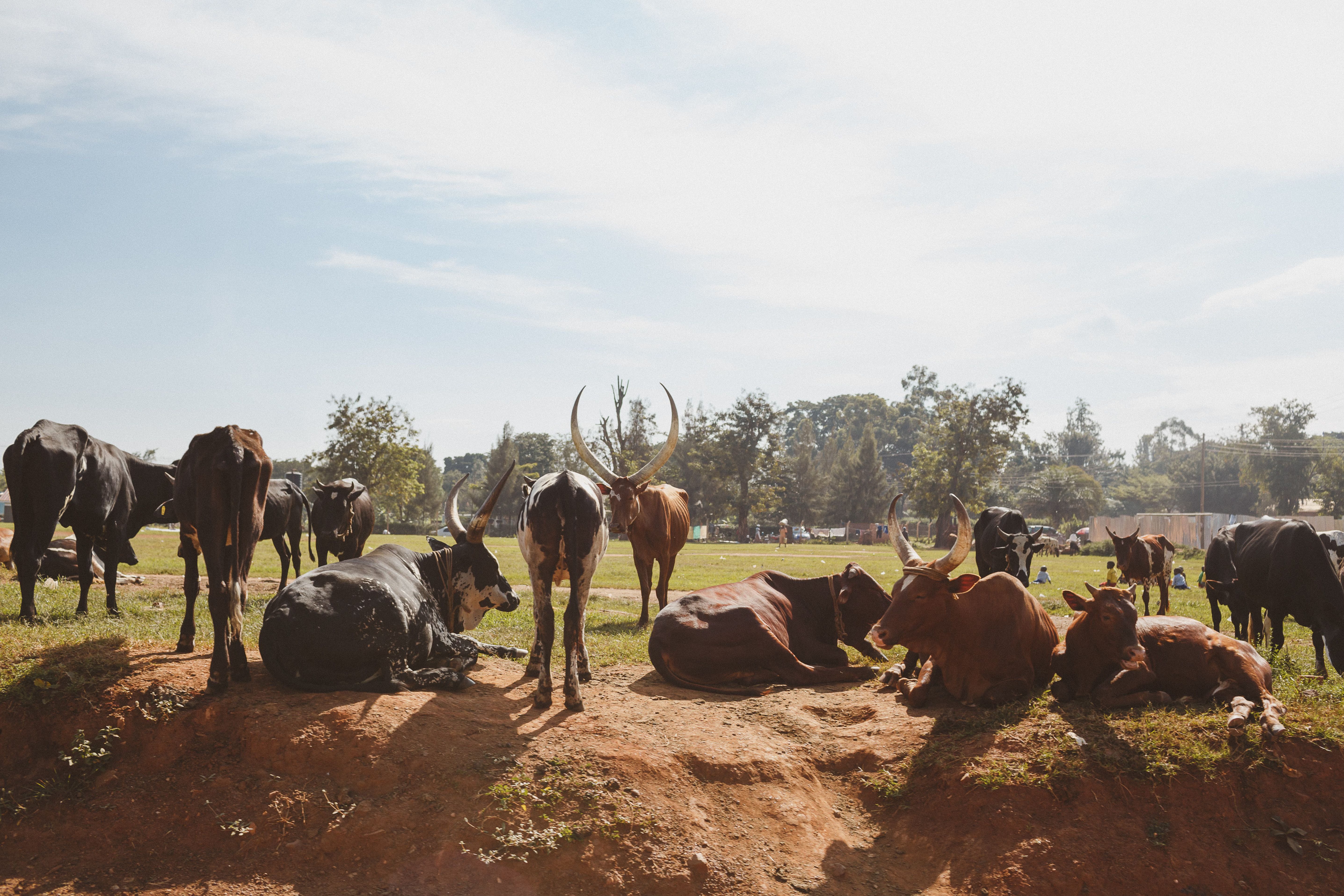
So for their daughter's dowry, Amiti and Okodel requested six cows, four goats and 400,000 Uganda shillings (109 dollars, 91 pounds) in exchange for their daughter's hand in marriage. After some bargaining, they received four cows, four goats and 200,000 shillings (54 dollars, 40 pounds). Cattle can cost as much as several hundred dollars, the equivalent to months of work for an average Ugandan.
In Uganda, as in many other African nations, the custom of the groom or his family paying a sum of money or property to the parents of the bride upon a marriage has long been considered a cultural "appreciation".
Some groups in Uganda also gift banana wine, traditional dress, meat, and even vegetables and paraffin. But in recent years the practice has turned marriage into a "business", forcing girls as young as 14 to wed, fuelling and "trapping" women in violent relationships and financially crippling men, according to local women's rights group MIFUMI. They launched a landmark case seeking to have the practice declared optional by a court in 2007.
As he repeatedly battered his wife, causing blood to ooze from her ears and leaving her with permanent damage, he would yell “my cows” in the local language.
Six months after they married, Akurut's husband began beating her. As he repeatedly battered his wife, causing blood to ooze from her ears and leaving her with permanent damage, he would yell "my cows" in the local language.
"I used to think I would have to endure this -- because after all the dowry was paid -- but it reached a level I could no longer endure," recalled Akurut, 26, who eventually fled back to her parent's home with her three daughters and two sons.
According to research conducted by MIFUMI, at least 84 per cent of Ugandans believed there was a direct connection between domestic violence and the bride price.
In two years in Bukedea alone in 2014 - 2015, the charity saw 10 cases of women treated by their husbands as "property in the name of culture" and locked into abusive marriages, said program manager Dina Atim.
Many more are scared to go to the authorities for help, and even when they do, action may not be taken, she added. "People are commercialising marriages, denying children school, and arranging marriages early because they can get something," Atim said.
"Women are taken as property." Dowry payments encourage men to view their wife as a financial asset.
"It contributes to violence," Atim said.
Attitudes are very slowly shifting. In June 2015, the eastern Ugandan district of Butaleja passed its own law making it a crime to demand payment of or refund of bride price, or to deny a woman burial on account of non-payment of bride price by the man. Another area, Tororo, repealed a 1964 by-law that legalised the payment.
But MIFUMI have also been fighting in court for a more dramatic step: to ensure the practice is made "voluntary" across the nation. A 2007 Constitutional Court petition launched by the charity and 12 individuals argued that the dowry portrayed women "as an article in a market for sale" amounting to "degrading treatment".
In 2010, the court upheld the payment, ruling while the bride price played a role in some domestic abuse cases and women being treated as "inferiors", this was no justification for a "blanket prohibition".
But the petitioners then appealed in the Supreme Court, and say if it does not rule in their favour, they will explore other legal avenues. (Court cases in Uganda can drag on for years, or get “lost” in the system, but at the time of writing this, and it’s hard to even find out if this case was heard. But in June 2015 though, Uganda’s Supreme Court stepped in, banning the refund of the bride price if a marriage ends in divorce).
Today, sitting with her children in the dirt in front of the family home, a grass-thatched hut, Akurut says she feels guilty.
“I’m a double burden.”
"I'm a double burden," she said, explaining that her parents had reluctantly paid back what they could of the dowry, and were now also supporting her and the children. Okodel feels "so bad" about the physical and "economic violence" his daughter suffered.
But even after all Akurut has been through, her mother Amiti still supports paying a bride price, viewing it as payment for the cost of education of your children.
Campaigners like Atim know they have a long fight, saying the custom is so "culturally entrenched" they must also work to prevent domestic violence, as well their legal challenge.
"We hope that with time, we'll get there," she said.
For more information on the brice price see here. Thanks for reading and I hope you found this insightful. When we need more news coverage - and not just opinion - more than ever and more coverage of the global South, especially on this platform, for the next while I’m looking back at some of the stories I’ve reported on all around the world. Stay tuned!
Comments
Nothing yet. Say the first thing.
Sign in to join the conversation.