
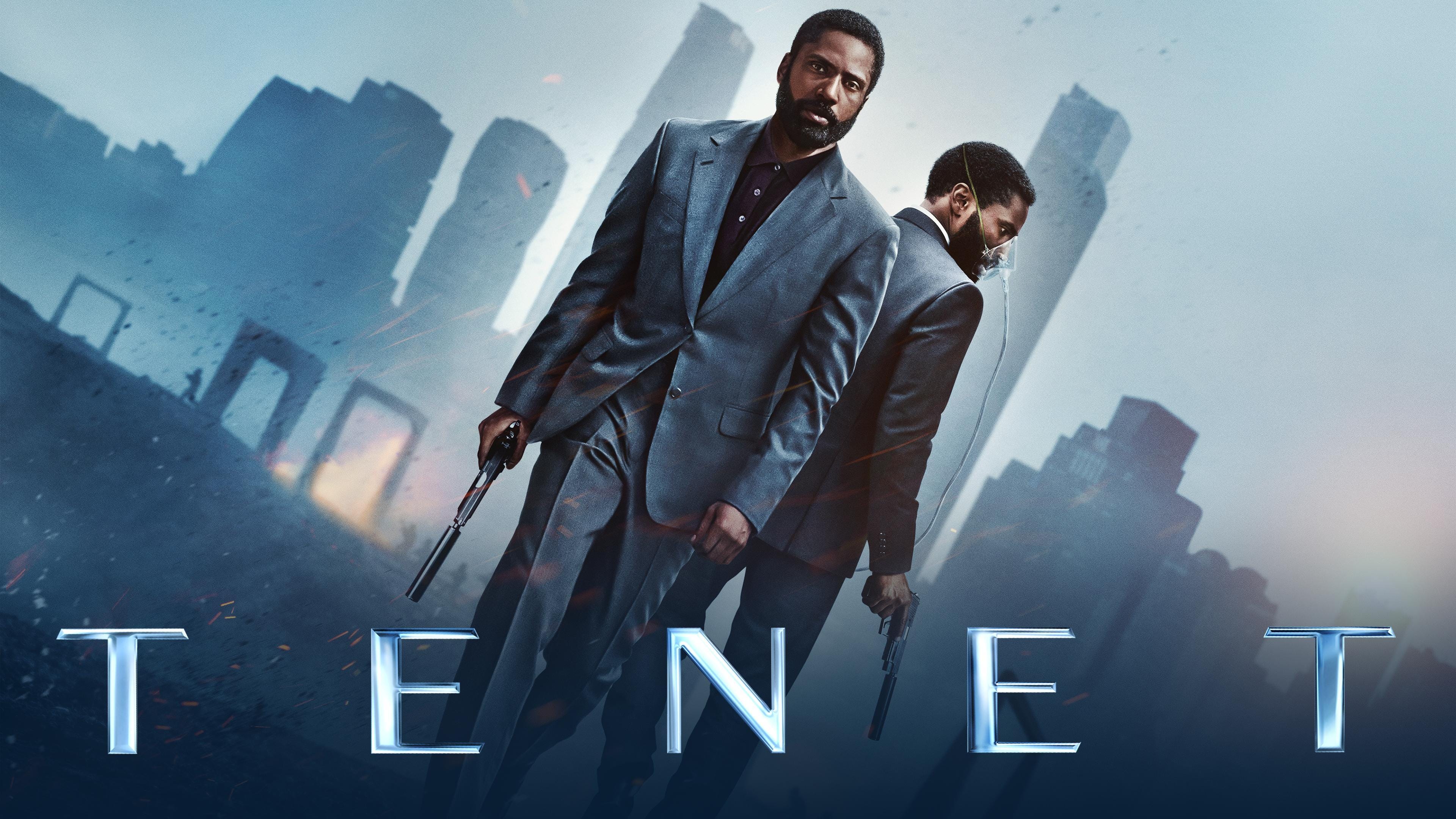
When Tenet released, much of the conversation revolved around whether people actually understood it.
People debated inverted bullets, entropy reversal, temporal pincers, and whether the film was too cold or too complicated to connect with emotionally. Entire diagrams were created just to explain individual scenes.
But I think most discussions around Tenet missed the thing that makes the film genuinely fascinating. Because beneath all the mechanics, Tenet is not really about time travel…
…It is about determinism.
More specifically, it is about the terrifying possibility that the future already exists, and that human beings are simply moving through events that were always going to happen.
The film tells you this repeatedly. “What’s happened, happened.”
At first, the line sounds reassuring, almost practical. But the deeper the story unfolds, the more unsettling the phrase becomes. Because Tenet is not presenting time as fluid or changeable. It presents time as fixed.
The characters are not altering history….they are fulfilling it. And once you realise that, the entire emotional meaning of the film changes.
This idea fascinated me while creating The Sorceress at the End of Time (‘Sorceress’).
Not the mechanics of inversion or espionage, but the emotional implications of determinism itself. The idea that the future may already exist somewhere ahead of us, and that people continue loving, sacrificing, and searching for meaning anyway.
Where Tenet approaches determinism through systems, causality, and espionage, Sorceress approaches it through memory, fate, and emotional distance. But both stories are interested in the same core fear:
What does it actually mean for us…if destiny is real?
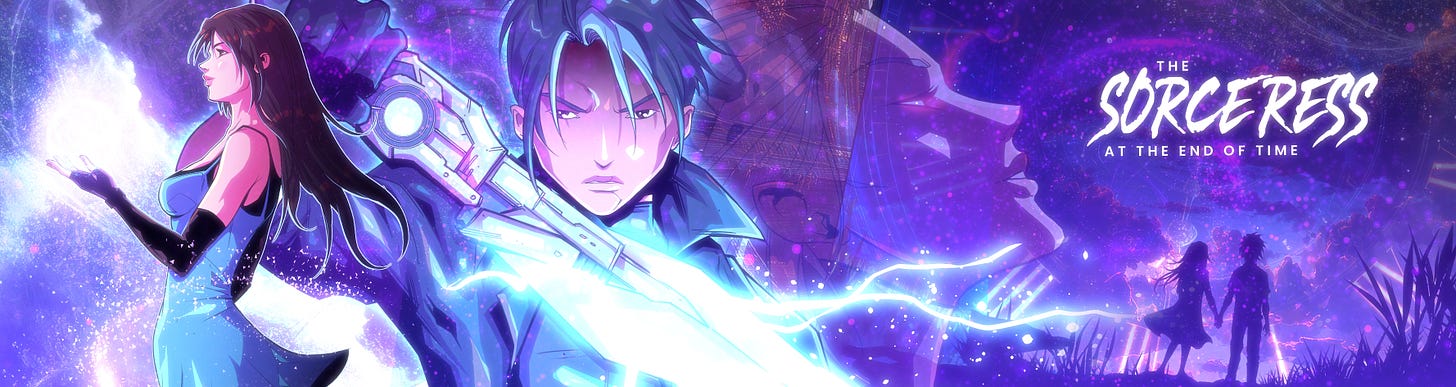
If you enjoy stories like Tenet, or my analysis in this article - you might want to check out my latest graphic novel: The Sorceress at the End of Time. Currently live on Kickstarter.
Neil and the Emotional Weight of Inevitability
Neil becomes the emotional centre of Tenet once you understand the full structure of the story.
For most of the film, he appears calm, witty, and strangely detached from the chaos unfolding around him. But by the ending, we realise he has been carrying the emotional burden of inevitability long before the Protagonist understands what is truly happening.
For the Protagonist, their friendship is beginning. For Neil, it is ending.
That reversal transforms every earlier interaction between them. Conversations that initially felt casual suddenly become loaded with hidden melancholy. Neil already knows where events lead. He already understands the cost of the path they are walking.
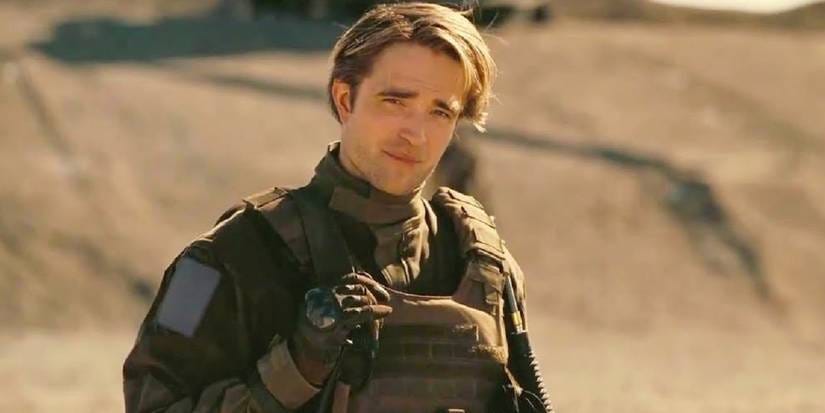
And yet he continues forward anyway. That is what makes him tragic - he acts without regret, only acceptance. There is something deeply human about that idea. The understanding that certain outcomes may be unavoidable, while still choosing loyalty in spite of them.
This is one of the key differences between Tenet and many traditional time travel stories. The film never really indulges in the fantasy that destiny can be escaped through cleverness or emotional force. Instead, it asks whether meaning can still exist inside inevitability.
Neil’s answer is yes.
That idea shaped some of my approach to Sorceress as well, although emotionally the stories feel very different. In Tenet, inevitability feels cold and existential. In Sorceress, inevitability feels melancholic and intimate. The focus is less on systems and more on the emotional pain of moving toward outcomes that characters may already sense are waiting for them.
But both stories are ultimately interested in the same tension, which I distilled into one core idea for Sorceress:
if destiny cannot be changed, do our choices still matter?
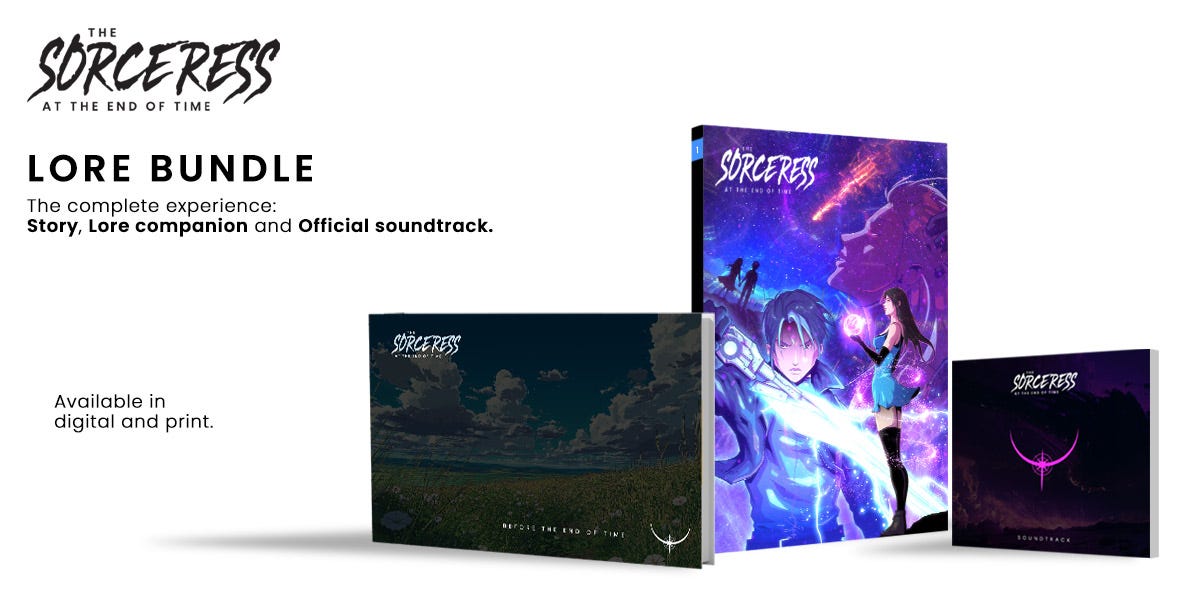
If you enjoy stories like Tenet, or my analysis in this article - you might want to check out my latest graphic novel: The Sorceress at the End of Time. Currently live on Kickstarter.
The Illusion of Control
The Protagonist spends most of Tenet believing he is reacting to events around him. By the end, he discovers he orchestrated many of them himself. He is not outside causality…he is a core part of it.
And that revelation reframes the entire narrative: because the story stops being about preventing the future, and becomes about participating in the inevitability of it.
This is one of the reasons Tenet feels emotionally unusual compared to more traditional science fiction. There is very little triumph in the film. Even its victories feel predetermined. The characters move through events almost like people uncovering memories rather than shaping outcomes.
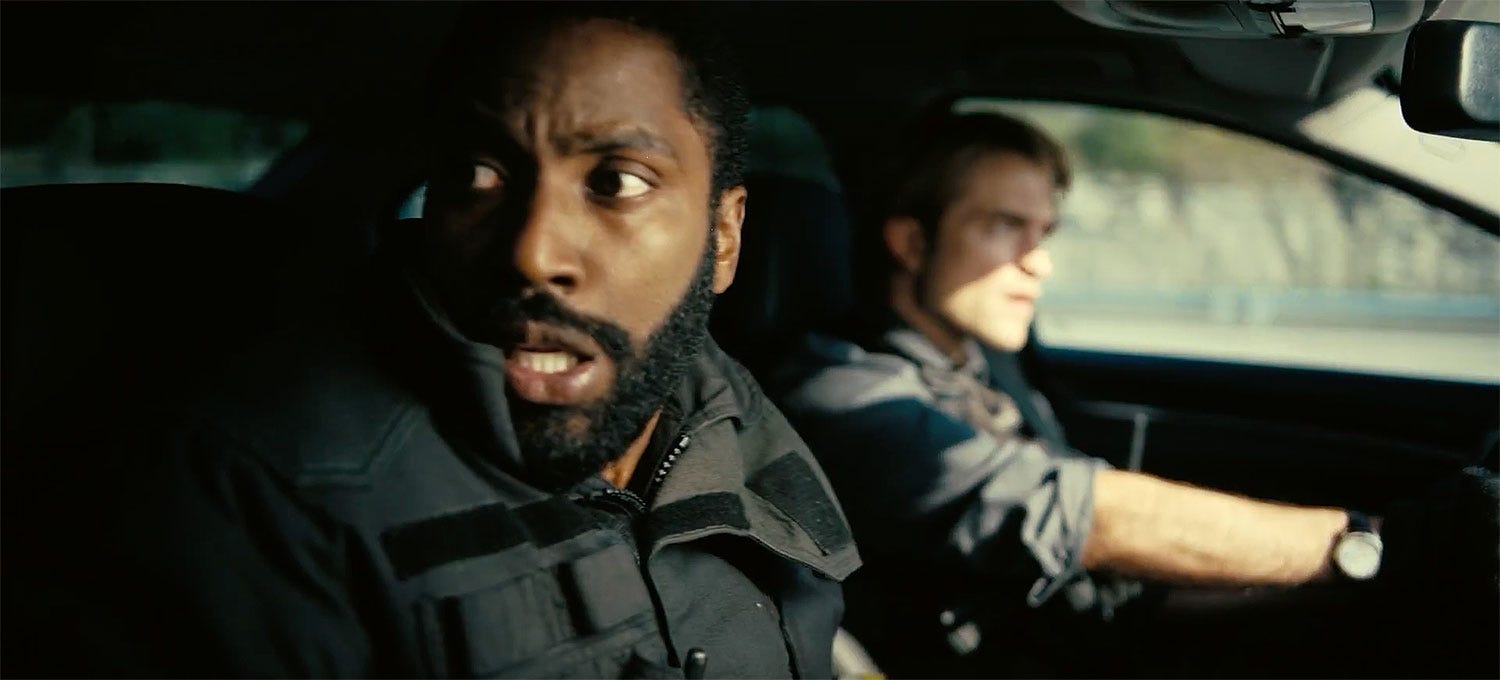
The future casts shadows backward through the narrative.
I think this is also why the film feels so emotionally distant to some viewers. Most stories teach us to associate agency with emotional satisfaction. We want characters to overcome destiny. We want human will to triumph over inevitability.
Tenet almost purposefully denies us that. Instead, it suggests something more unsettling: Perhaps free will is not the ability to escape fate, but simply the ability to define who we are within it.
And that idea, is one of the thematic foundations behind Sorceress too.
The story constantly circles the tension between inevitability and emotional choice. Characters struggle with the possibility that events may already be written into history, while still desperately trying to hold onto meaning, identity, and connection.
Because even if destiny exists, human emotion still feels real.
Love still feels real. Loss still feels real. Fear still feels real.
And perhaps that emotional reality matters more than whether the ending can actually change.
Why Deterministic Stories Stay With Us
I think deterministic stories resonate because they externalise something many people already feel subconsciously about life itself. In hindsight, life often appears strangely inevitable.
Relationships feel destined only after they happen. Entire chapters of our lives seem to point toward moments that had not happened yet. We look backward and construct narrative from chaos because it helps us emotionally process time.
The future already exists. The ending is already waiting somewhere ahead. And yet people still continue forward anyway.
They still love, sacrifice and search for meaning.
That is why deterministic stories rarely feel nihilistic when they are done well. In fact, they often become strangely hopeful. Because they suggest meaning was never dependent on escaping fate in the first place.
Perhaps meaning comes from something smaller and more human than that: The choices we make while moving through it.

If you enjoy stories like Tenet, or my analysis in this article - you might want to check out my latest graphic novel: The Sorceress at the End of Time. Currently live on Kickstarter.
Comments
Nothing yet. Say the first thing.
Sign in to join the conversation.