US needs to find outbreaks before patients do
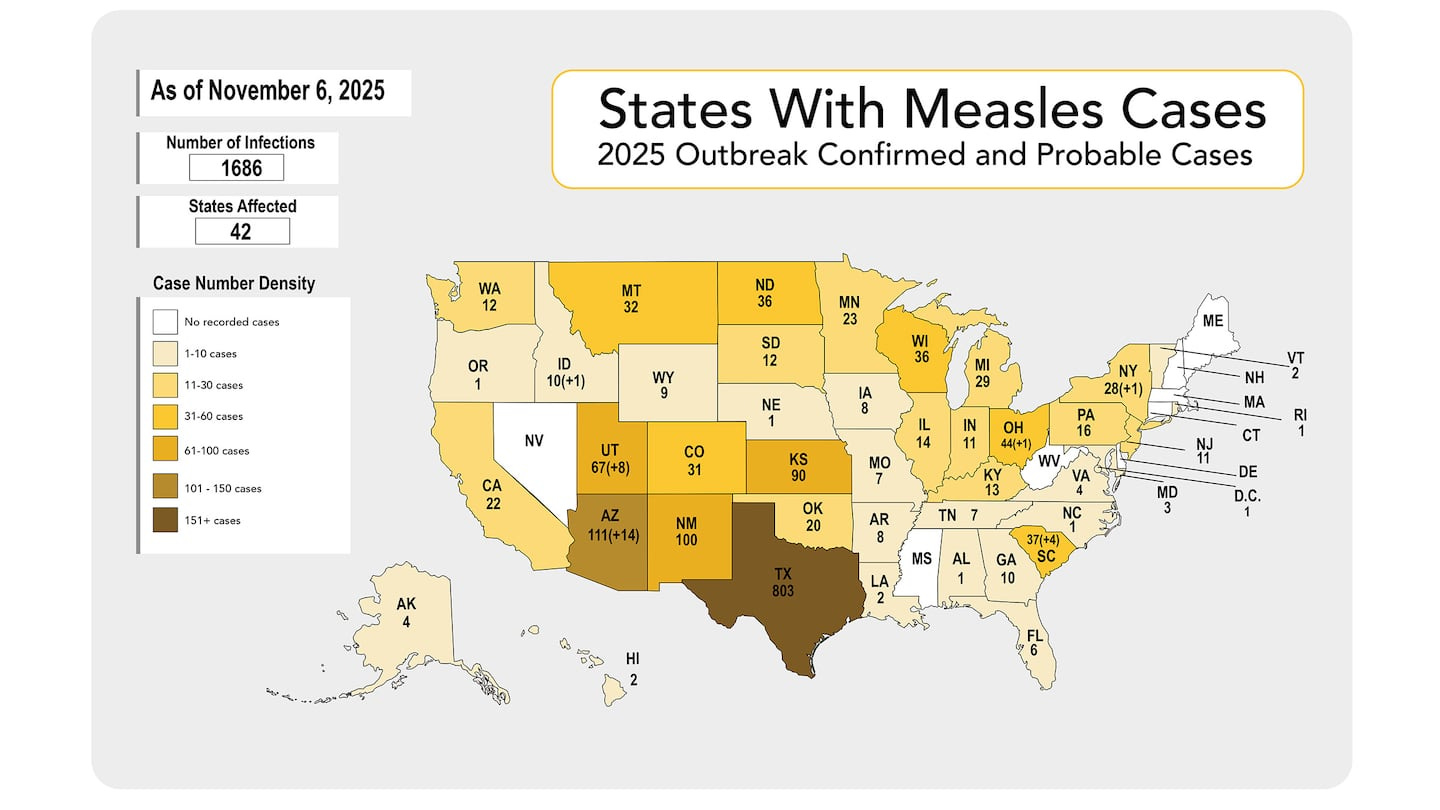
The cyclospora outbreak reveals a public health system that often detects threats only after people are already ill.

Dr. Ashish Jha unpacks the key issues influencing your health right now, guiding you through this moment in personal and public health.
Subscribe:.rss.atom.json.md.m3u.pls
Live Last read · last published · next check
Saves to your Listen queue, to pick up on another day or another device.
The cyclospora outbreak reveals a public health system that often detects threats only after people are already ill.
Celebrating this job growth hides an expensive administrative bloat.
I had the great honor earlier last month to join colleagues from around the world at the Vatican, advising the Pontifical Academy of Social Sciences on building resilience to the effects of climate change.
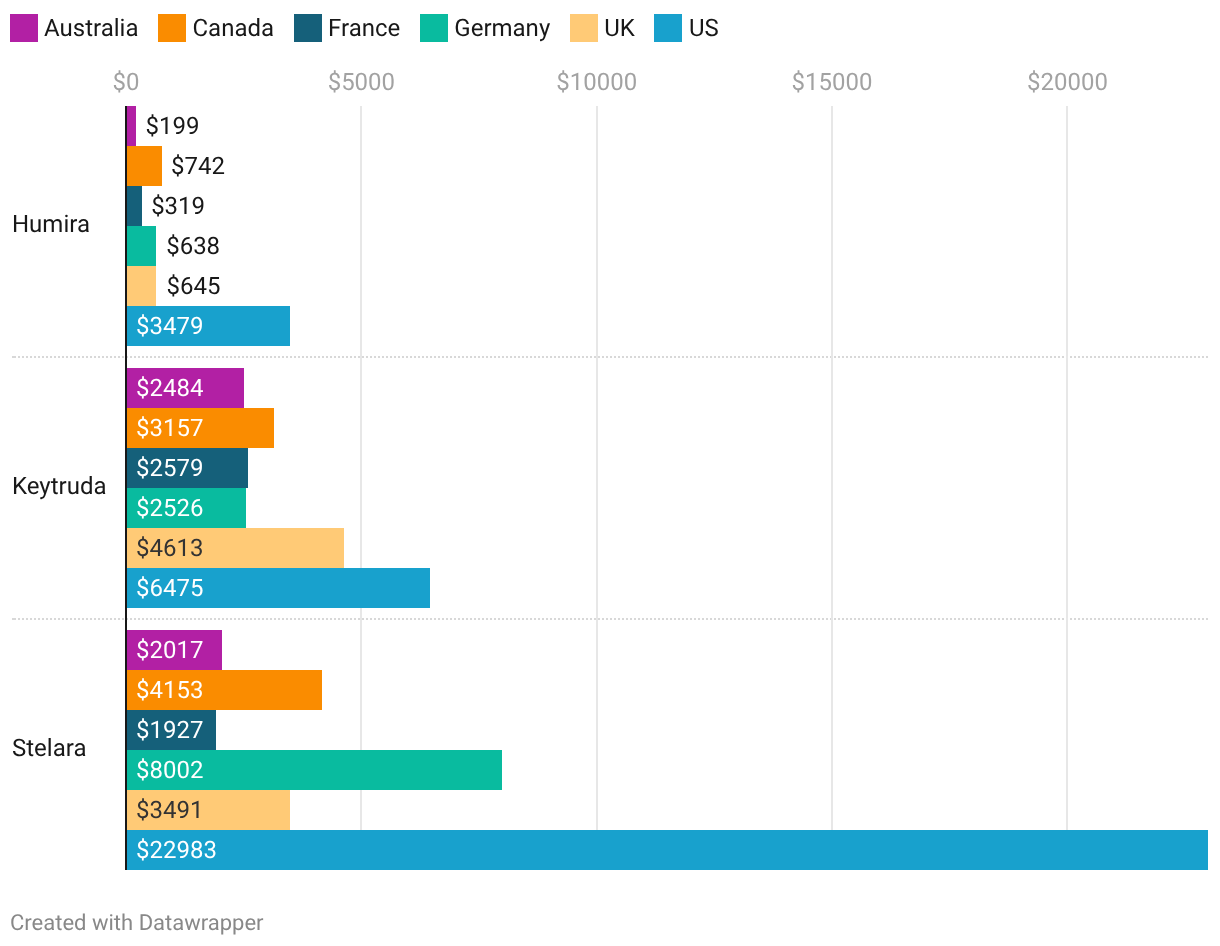
The gap between US drug prices and those abroad is not a market outcome — it is the result of deliberate political and regulatory choices.
The cruise ship outbreak reveals how vulnerable the United States remains to infectious diseases despite lessons from COVID.
You have probably been reading about the hantavirus outbreak linked to the expedition cruise ship MV Hondius — with 9 confirmed cases and three deaths.
Letting nurses, pharmacists, and AI handle routine care could make the system cheaper and more efficient.
High deductibles and flawed incentives are pushing prices higher while leaving patients less protected.
My op-ed in The Washington Post on how AI enhanced my medical training and judgement
Prior authorization has become a barrier to care rather than a safeguard against excess.
My talk with The Washington Post’s Megan McArdle on high healthcare costs and what we can do about them.
A pathogen released intentionally or accidentally could be worse than Covid-19
Value-based care works when physicians lead and take real accountability.
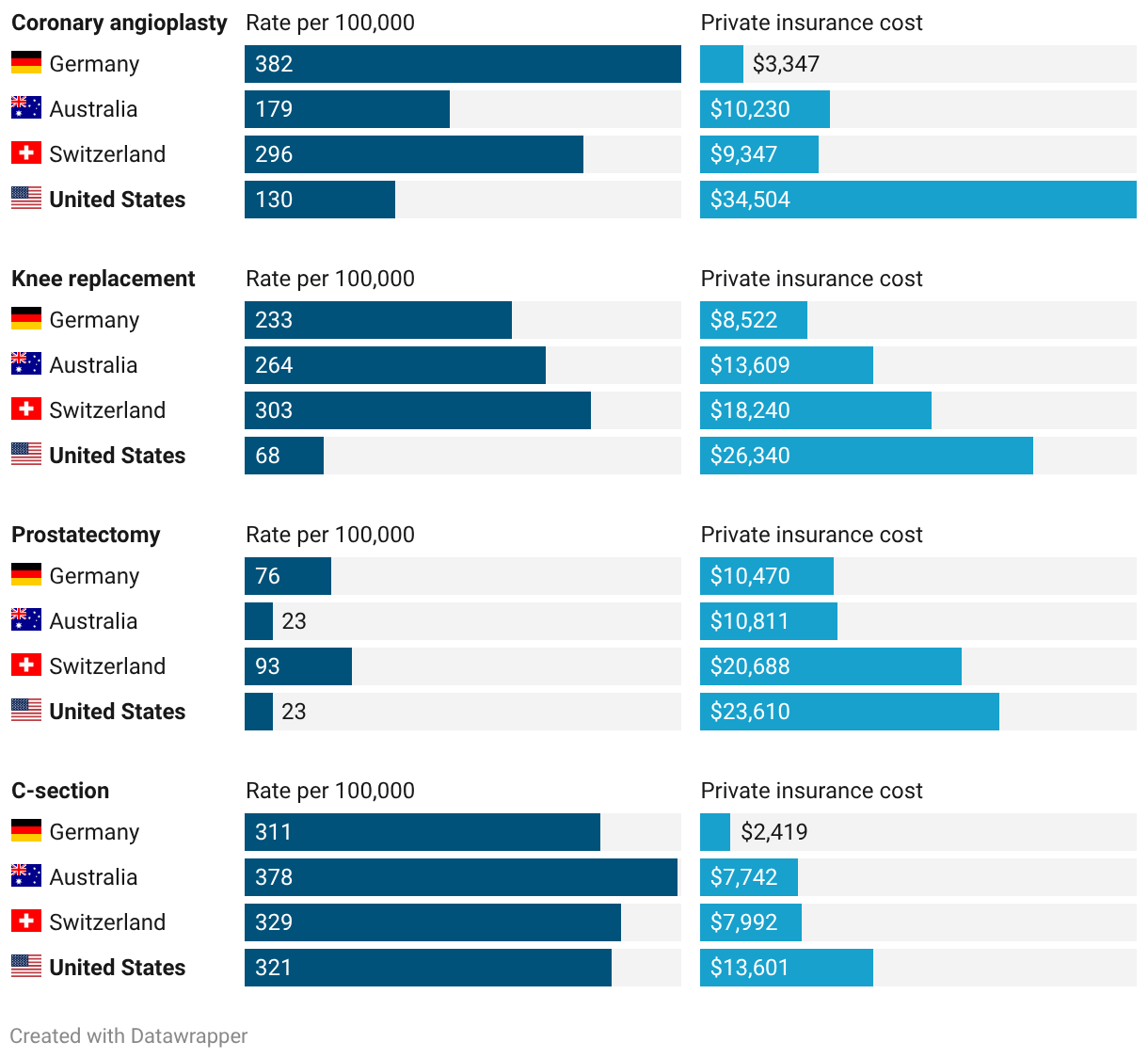
$22,000 for a $11,000 surgery? No excuses—just market power. Cap the price.
From payment distortions to certificate-of-need laws, government rules often reward consolidation and block new entrants. Reforming them would spur competition and lower costs.
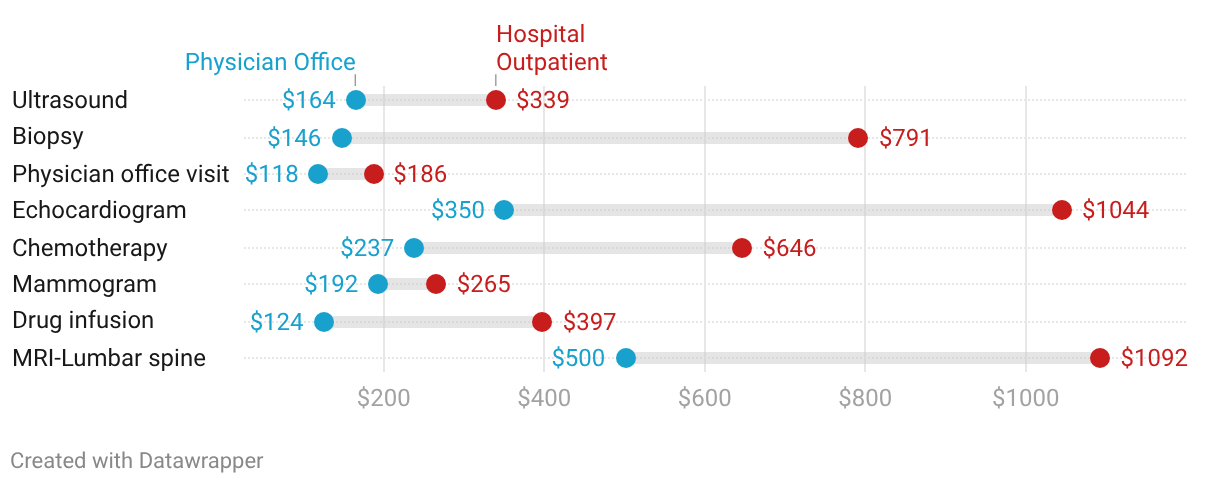
Bigger health systems promised efficiency. Instead, they delivered higher prices and fewer options for patients.
Washington keeps arguing over who should pay the bill while ignoring what’s driving costs in the first place — a policy failure decades in the making.
As this tumultuous year draws to a close — and especially during this season of thanksgiving — it’s important to recognize the contributions that deserve gratitude.
Short answer: No.
I’m sure a lot of you have been told this in your childhood.