
In what languages do you write?
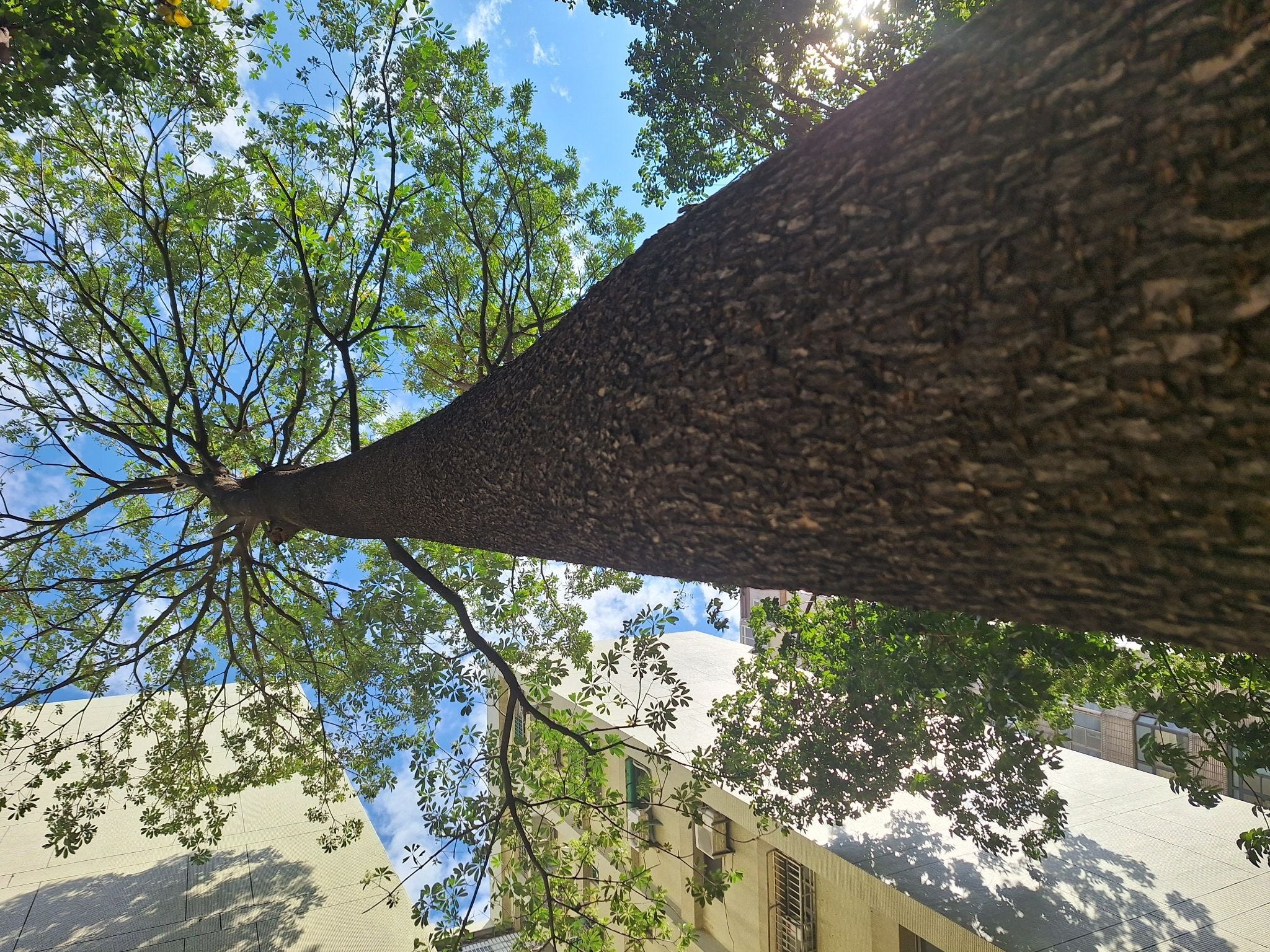
Photo: A landscape of trees in Taiwan
In a poem by Nayyirah Waheed, she writes: “remember, / you were a writer / before / you ever / put / pen to paper. / just because you were not writing / externally / does not mean you were not writing / internally.”
If this is so, then perhaps we are always writing.
If writing does not require pen on paper, then what languages do we use when we write internally?
Sometimes the hardest part of suffering is simply the absence of vocabulary to name it. It is like what David Whyte shared in a conversation: “The language we have in that world is not large enough for the territory that we’ve already entered.” (From “Seeking Language Large Enough”- On Being with Krista Tippett)
With that, I wonder: If and when a language is not large enough for our writing, what other languages can we seek shelter in?
I believe in the body as a multilingual space, that if we can see language in the most imaginative sense, we inherently share a kinship with many languages. If we like to dance, our muscles speak the language of dance. If we like to wander barefoot, our skin might be fluent in the language of wet grass. If we like to bathe our face in sunlight, our body knows the syntax and lexicon of light and warmth.
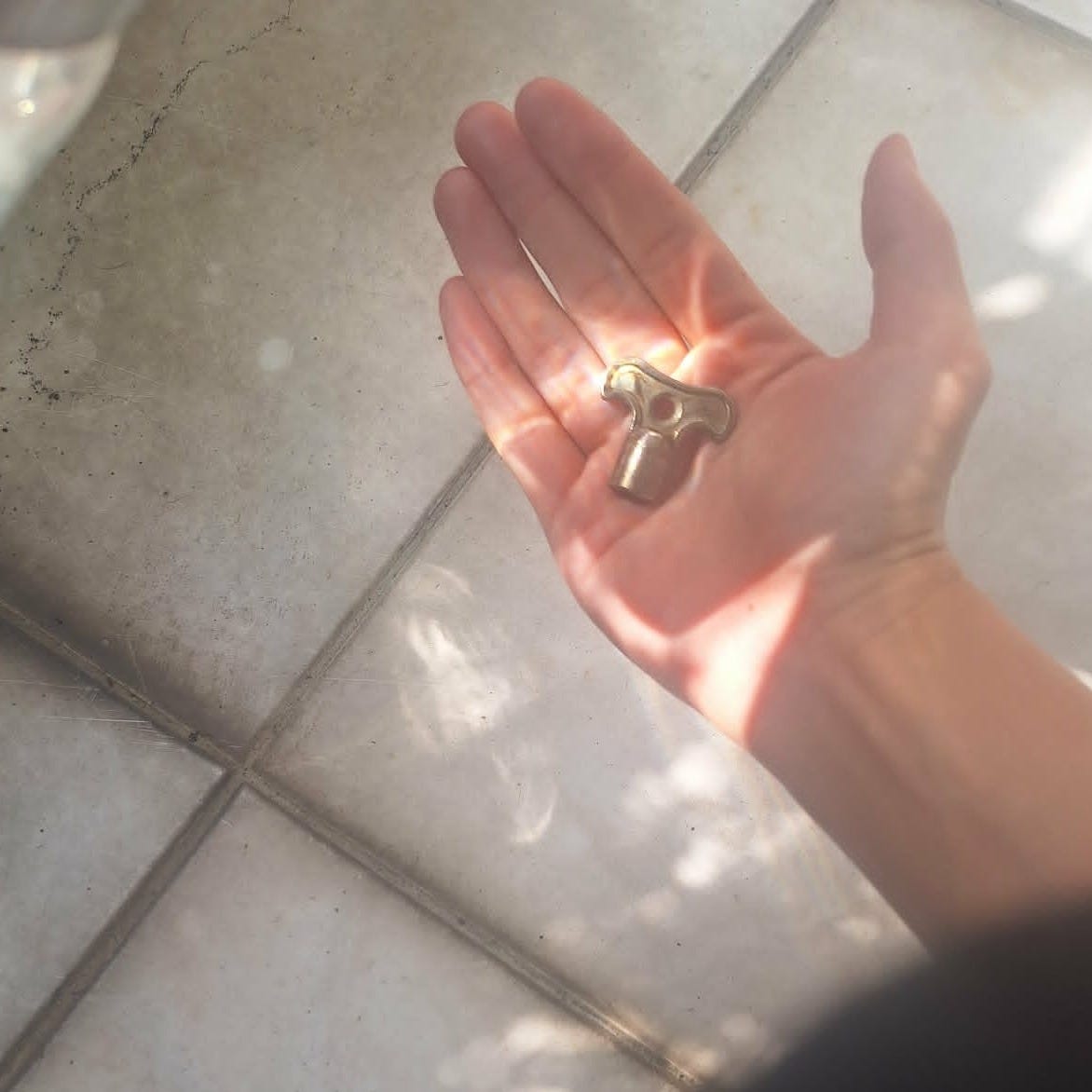
There are so many forms of language. In How the Light Gets In: Writing as a Spiritual Practice, Pat Schneider mentions how nursery rhymes and music, as her childhood language, were needed when she wrote about her first love, her brother.
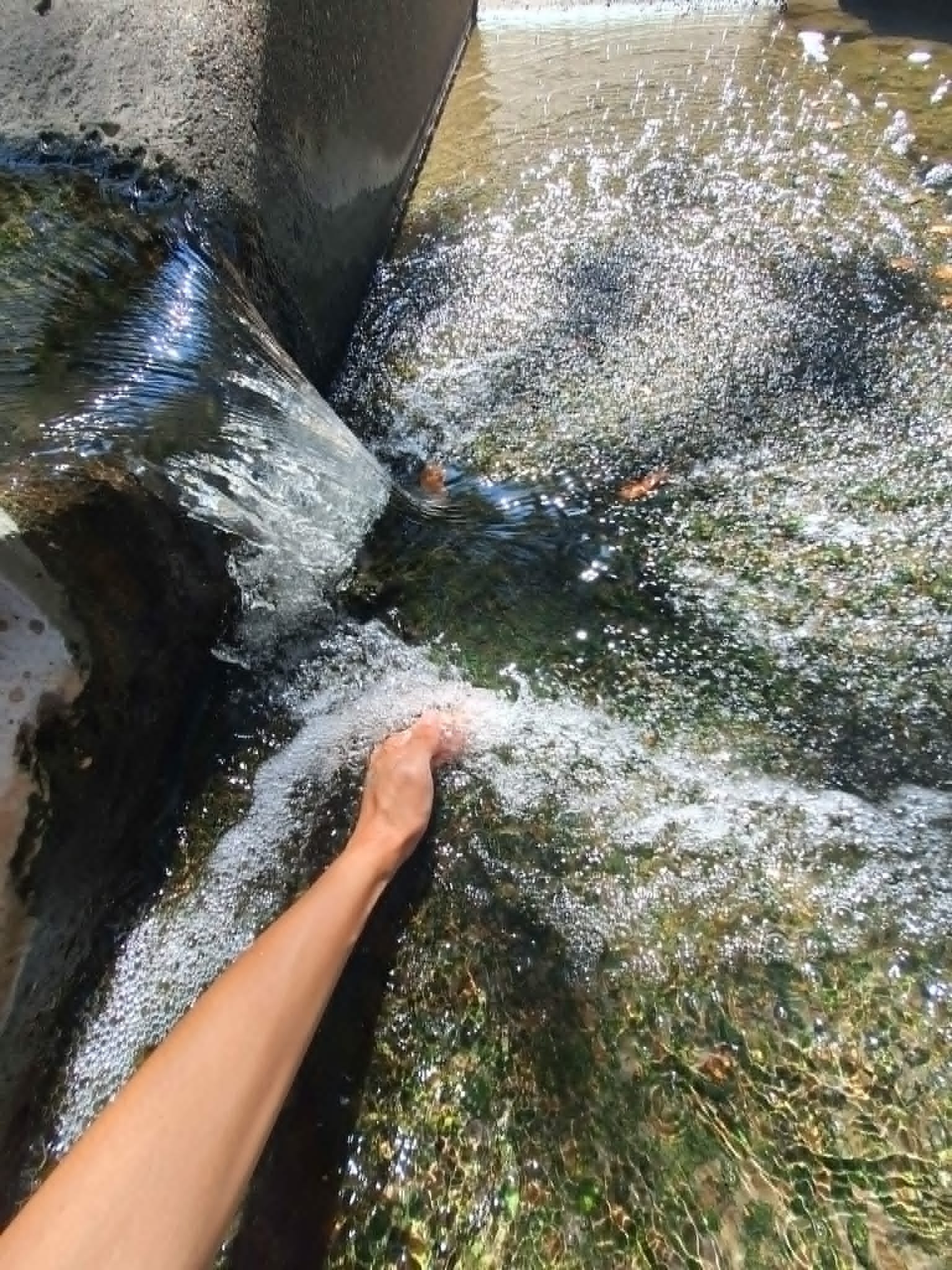
In ‘The First Water is the Body,” from Postcolonial Love Poem, Natalie Diaz, writing on rivers, offered me relief from a nameless grief of writing in a second language in a foreign land:
“When Mojaves say the word for tears, we return to our word for river, as if our river were flowing from our eyes. A great weeping is how you translate it. Or a river of grief...
“We carry the river, the body of water, in our body. I do not mean to invoke the Droste effect-this is not a picture of a river within a picture of a river.
I mean river as a verb. A happening. It is moving within me right now…
“John Berger wrote: True translation is not a binary affair between two languages, but a triangular affair. True translation demands a return to the preverbal…
“We must go to the place before those two points-we must go back to the third place that is the river.”
As a member of the Amherst Writers and Artists (AWA) community, I appreciate how many facilitators lead writing workshops with different landscapes and forms of writing. When we write alone with others, we are touched by the language of silence. Quiet and nutritious. Within silence, the geography of solitude is allowed to surface its own truth. Layer by layer, word by word.
Writing invitation:
What has touched you in the past day? Or what have you touched? Write into your memory. You can write about how the lights, the colors and landscapes touch your eyes, how smells touch your nose, how sounds touch your eardrums, how objects touch your skin, and how feelings touch your heart…
Write for a soft five minutes, as a warm-up. Make a list of things or write in detail - whatever feels right for you.
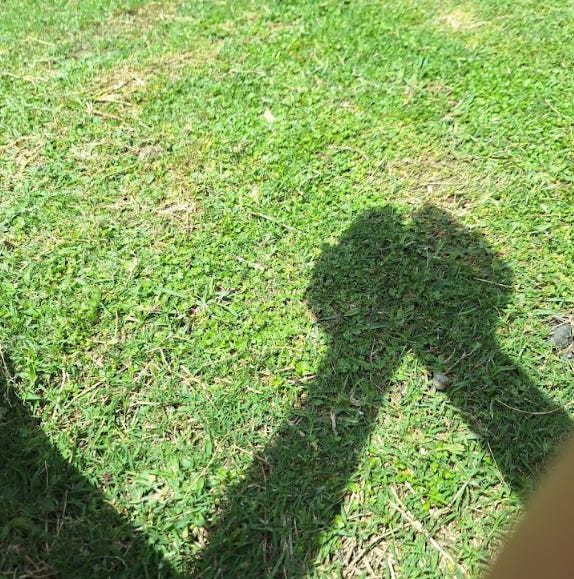
As “How are you?” can be a tired and vague question, “What have you touched?” or “What touched you?” becomes my way of greeting and welcoming people.
This is also how I prepare myself for a longer write. I interview my body and name its memories, to arrive in the present.
What do you do before you begin writing? I imagine you have your own wise practice of how to arrive into a co-presence with your writing?)
In Ann Basting’s book Creative Care: A Revolutionary Approach to Dementia and Elder Care, she shares the importance of asking “beautiful questions.” Beautiful questions can be sensory and imaginative and invite deep conversations. One of the stories she shared is about a woman responding to the question, “If your feet could talk, what would they say?” The woman shared how her feet would love to visit the cemetery for her late husband and parents. The conversations led to a profound understanding of one’s life, needs, and histories.
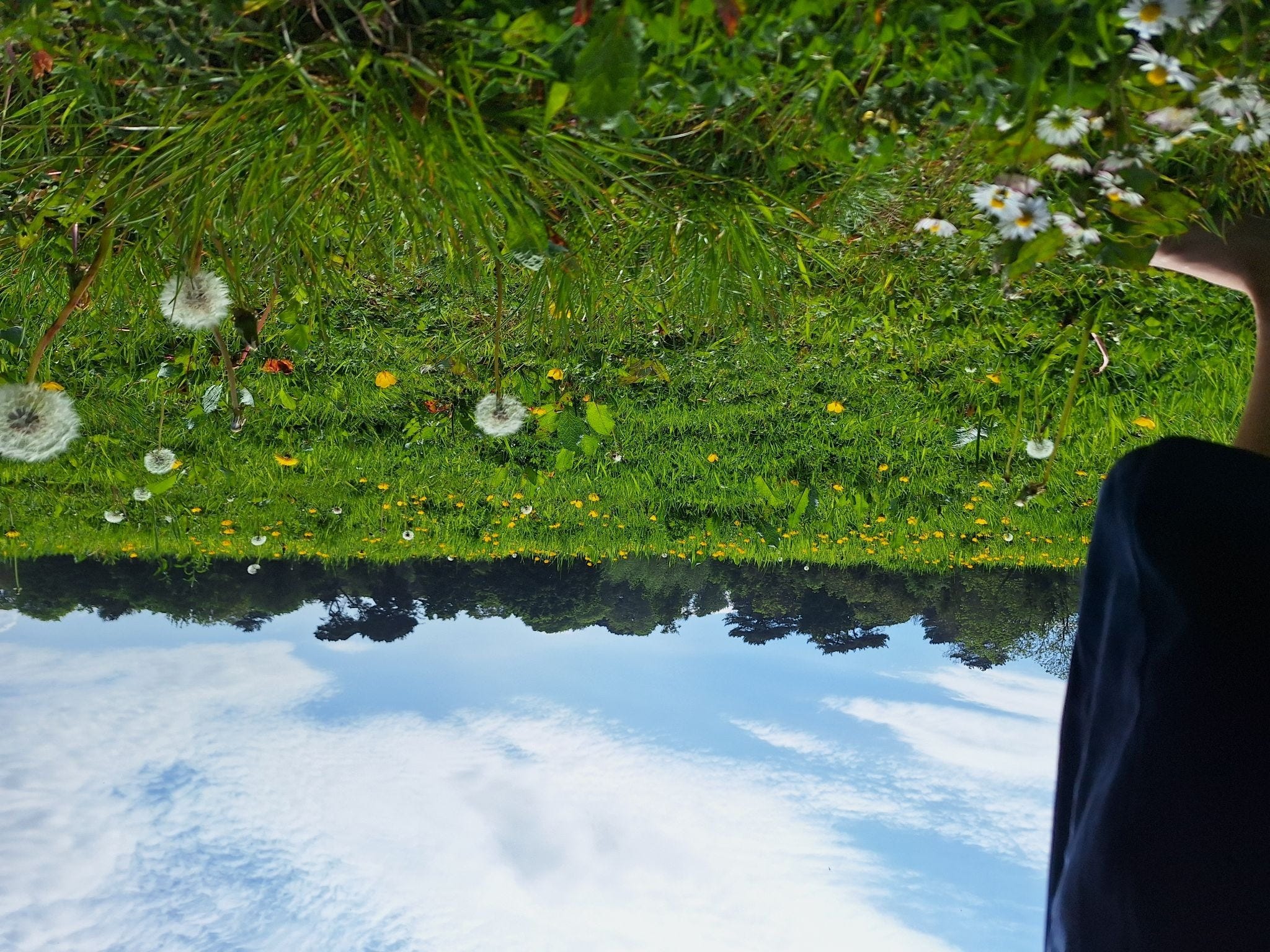
Before I write, I bury my head in my knees to be touched by the world upside down, to remember the fact that gravity is holding all of us, not letting us drift away.
And sometimes, when I am lost in my brain space, unable to decide among ideas and memories, I feel a keen sense of despair rising, and I have to seek shelter in the language of touch.
I wander into landscapes through Mark Nepo’s writing: ❍Excerpt from “Presence and Absence,” Book of Soul by Mark Nepo:
In the morning, the sun is climbing over the tired shoulders of night, making silk of the treetops…I enter a street I’ve known for years and sit on a bench and meet whatever life comes my way with no attempt to name it, to judge it, to rescue it, or to push it away…
I let the bird looking for food touch the part of me that’s hungry. I let the cloud about to rain touch the part of me that’s cloudy.…I let the light on the iron bench warm the part of me so in need of light.
I rise from the bench and go down another street. I’m beginning to touch the world again.
❍ With that, here is an invitation to wander:
Follow the line “I rise from the bench and go down another street. I’m beginning to touch the world again,” and take a wander (a small walk) for a soft 15 minutes.
It could be in your room, to a corner of your desk, or through your neighborhood. You’re welcome to bring a small piece of paper with you. Let the landscape touch you.
When you return, write about this journey:
What has touched you in the outer landscape?
What part of your inner self did you allow to be met? (Just as Mark Nepo writes: “I let the bird looking for food touch the part of me that’s hungry.”)
You can also write with imagination about a character’s wandering.
Here are some examples:
I let the giant trees touch the part of me so in need of the ancient and the large.
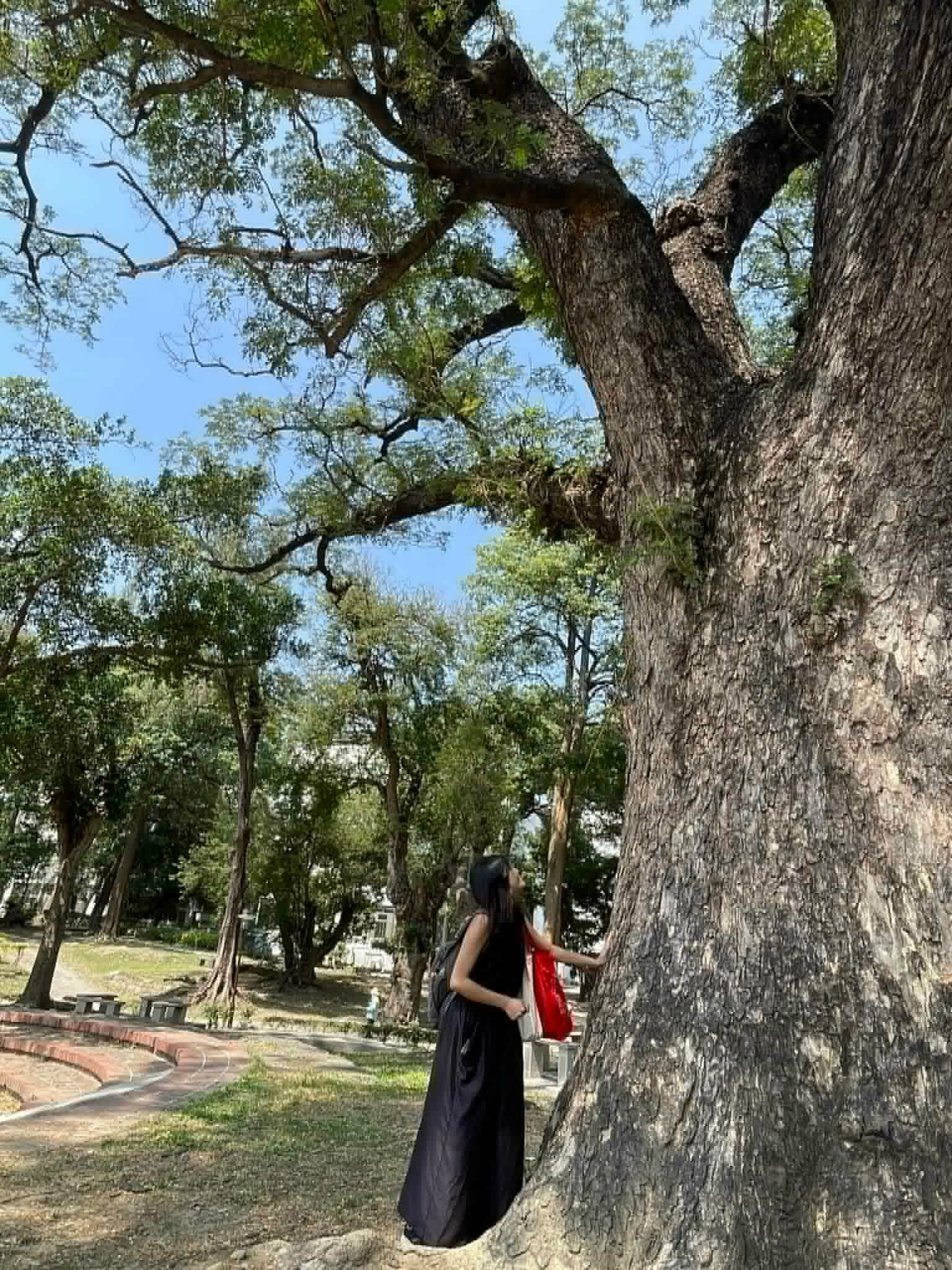
Photo courtesy of Yung Hsin Kao
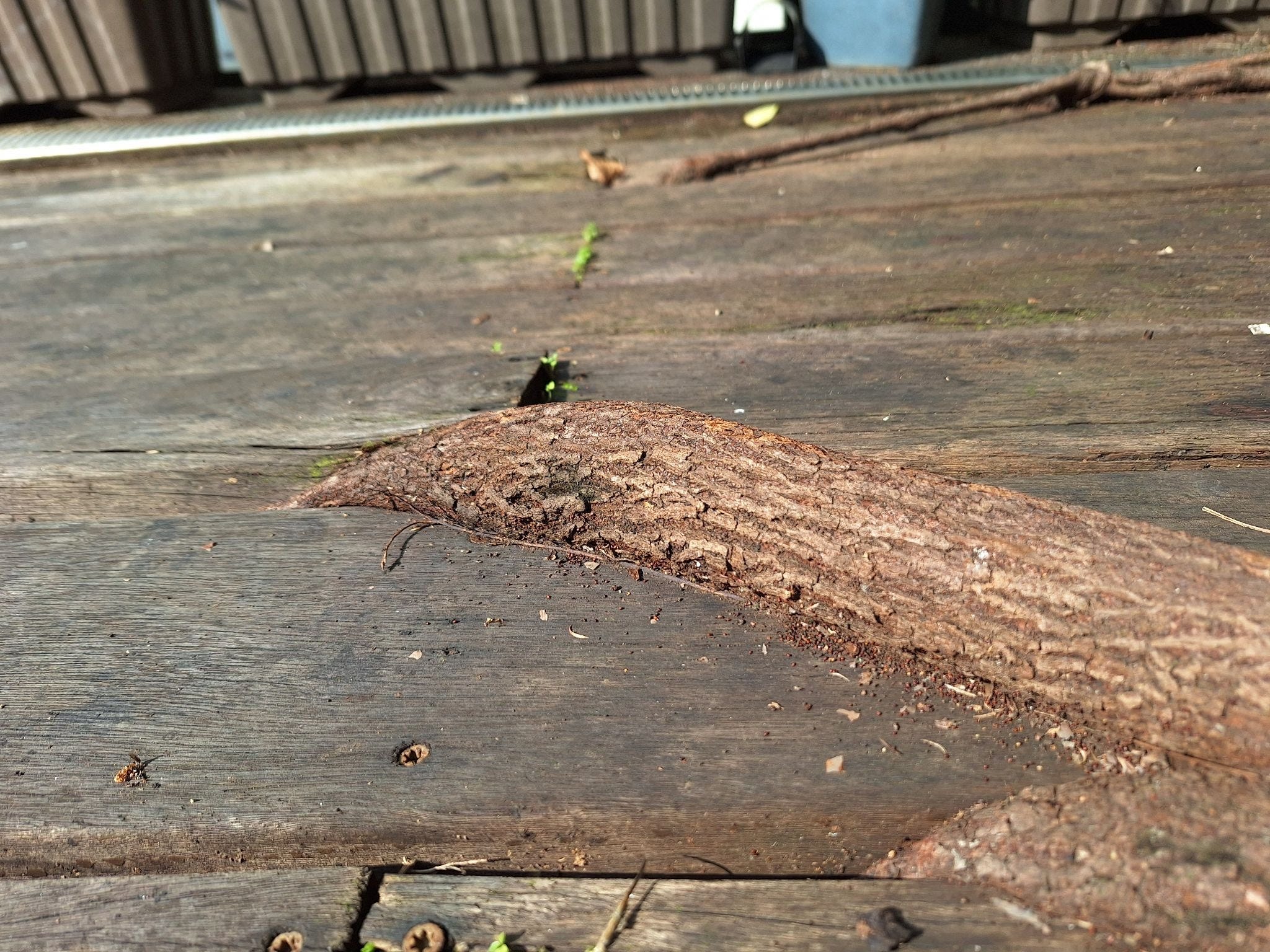
I let the tree trunk growing through the wooden floor touch the part of me that realizes: Isn’t our pain made of the very same ingredients as we are?
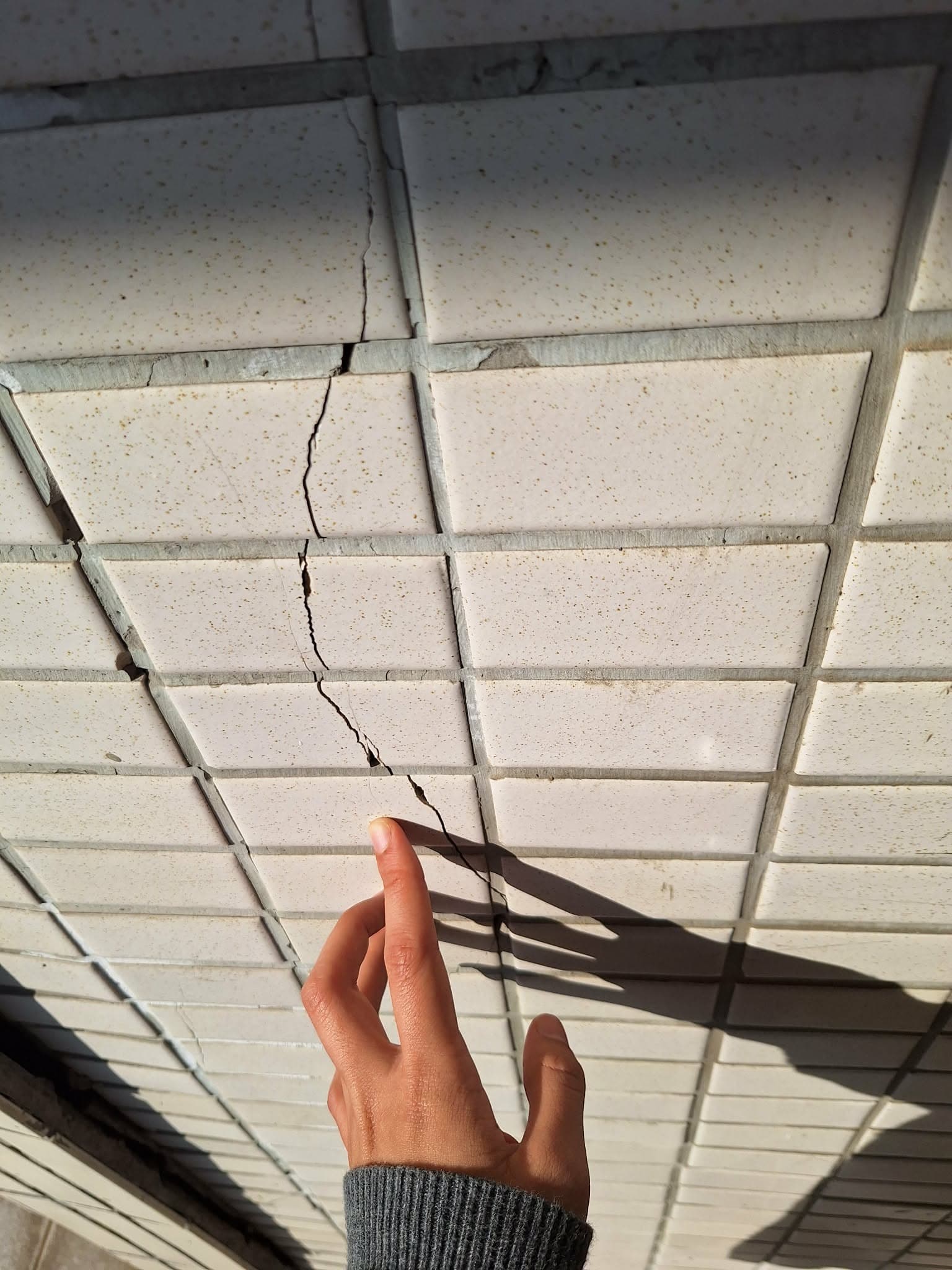
I let the crack in the wall touch the part of me that is so in need of stillness, and I feel how my back gradually warms in the winter sun, as long as I stay a little longer.
I want to celebrate writing with these words from John O’Donohue: “What amazes me about landscape, landscape recalls you into a mindful mode of stillness, solitude, and silence, where you can truly receive time.”
Ocean Vuong cited Roland Barthes in On Earth We Are Briefly Gorgeous: “Two languages cancel each other, beckoning the third.” If we apply this to writing, we can always return to our mother tongue, which is the body, the sense of touch, and the landscapes around and within us.
Etel Adnan wrote in Night: “Dear soul, / I’m telling you / you live not in / me, / but around, / in a circle, / a cloud.” The vocabulary of our presence lies in the vast landscapes that surround us, that hold us. And I hope, along with our communities, that we enjoy writing, and enjoy remembering how the landscape is here, always here. A crack on the wall, a wind across the back of the neck, a grass through the cement.
Let this be the case for our writing:
Let the wind write the wind, let the cracked walls write the cracks.
It wants to write itself if we let it touch us.
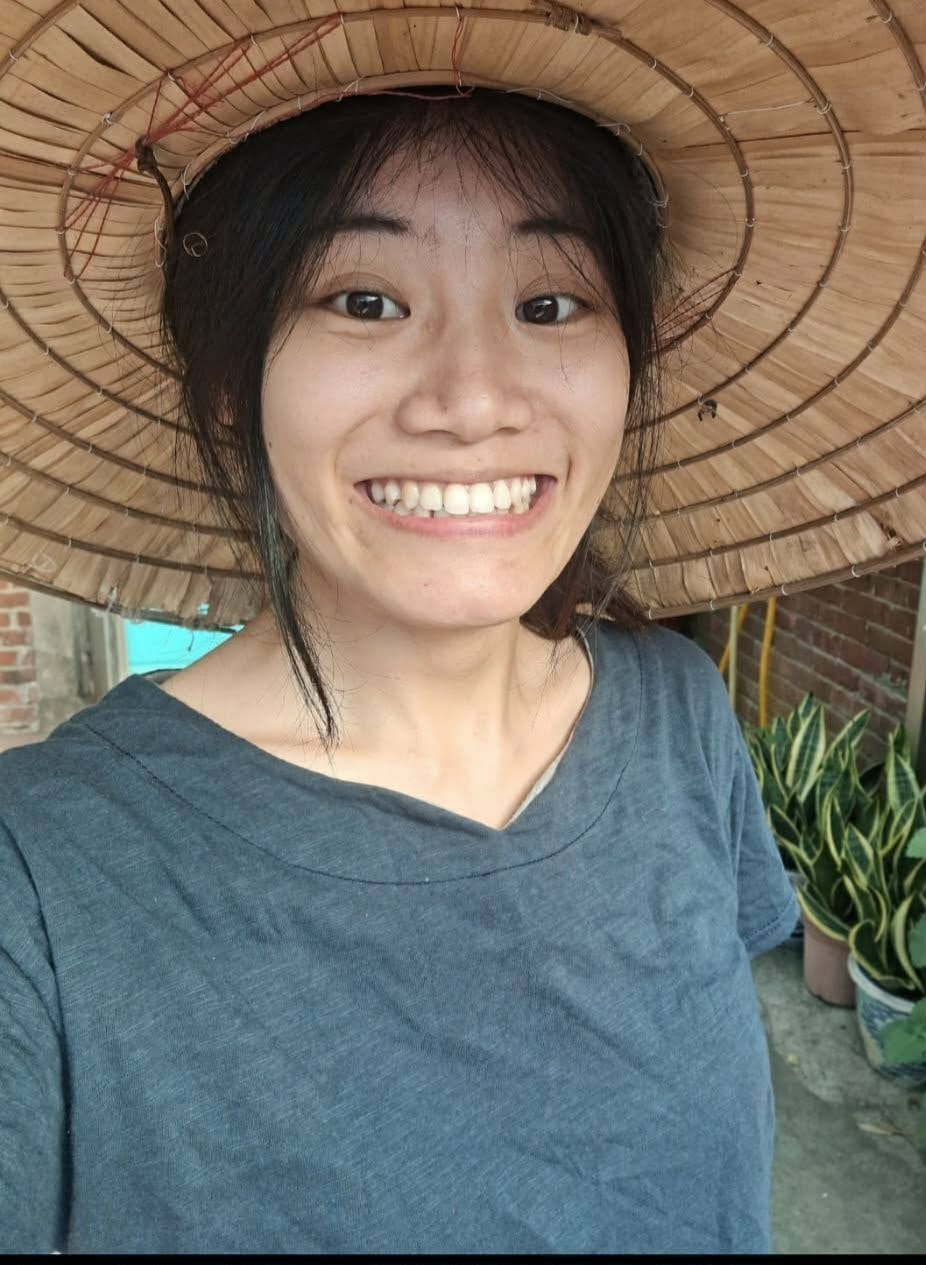
I-Chia Chiu writes on the land of Taiwan. Nourished by the practice of dance, theatre and teaching artistry (MFA in Playwriting, UT Austin), she values embodied practices. She is honored to be a certified Amherst Writers and Artists’ facilitator. Learning from the facilitators who have walked before her, she re-imagines ways to share presence with participant-writers who live with or through experiences of trauma and survival. She invites playful and meditative reflections on language, food, and nature.
She invites you to join her in online gatherings of wandering & writing—a nomadic practice where she draws poems for and with you.
Join us for a free introduction to the AWA method and workshop on September 10 at 5 pm EASTERN.
And watch for news on the AWA September retreat.
And…Next Online write is September 12 at 1 pm Eastern with Melissa Lombardo.
Thanks for reading Writing Alone and With Others! This post is public so feel free to share it.
Comments
Nothing yet. Say the first thing.
Sign in to join the conversation.