
On Saturday morning, around 9am, I landed in Athens and gathered my luggage and what remained of my sanity after a full 20 hours of travel and took a cab home.
This sounds very ordinary when I say it now, but that feeling of a homecoming, something I’d been longing for, was a full eight years in the making and snuck up on me when it happened.
On September 3, 2018, I quit my job to travel the world for a year. That’s when I officially left the United States, though at the time I thought it would just be a year-long break before returning to the well-worn tracks of my old comfortable life. But I fell in love with too many things on that trip — freedom, a different way of living, Greece — to go back.
And so, slowly slowly, I started building another life.
I started hopping between Greece and non-Schengen countries in Europe because I didn’t have residency, and then got stuck in Croatia for a year during Covid (a detour but a wonderful and life-changing one). I was a digital nomad until 2022 when I applied for my Greek digital nomad residency permit, which ironically allowed me to move here full-time. On May 30 last year, I finally completed the purchase of my apartment in Athens, and finished the renovations in October.
And now, finally, I have a real home to return to again, for the first time in eight years since I left the US.
I felt it fully when I got out of that cab from the airport on Saturday, bleary-eyed from lack of sleep and desperate to get into a shower and then onto my couch to stretch out my tired body. But it hit me this was the first time I’d been to the place I grew up and then home — because now that I really have one in Athens, I don’t say I’m going home when I’m going to Boston anymore.
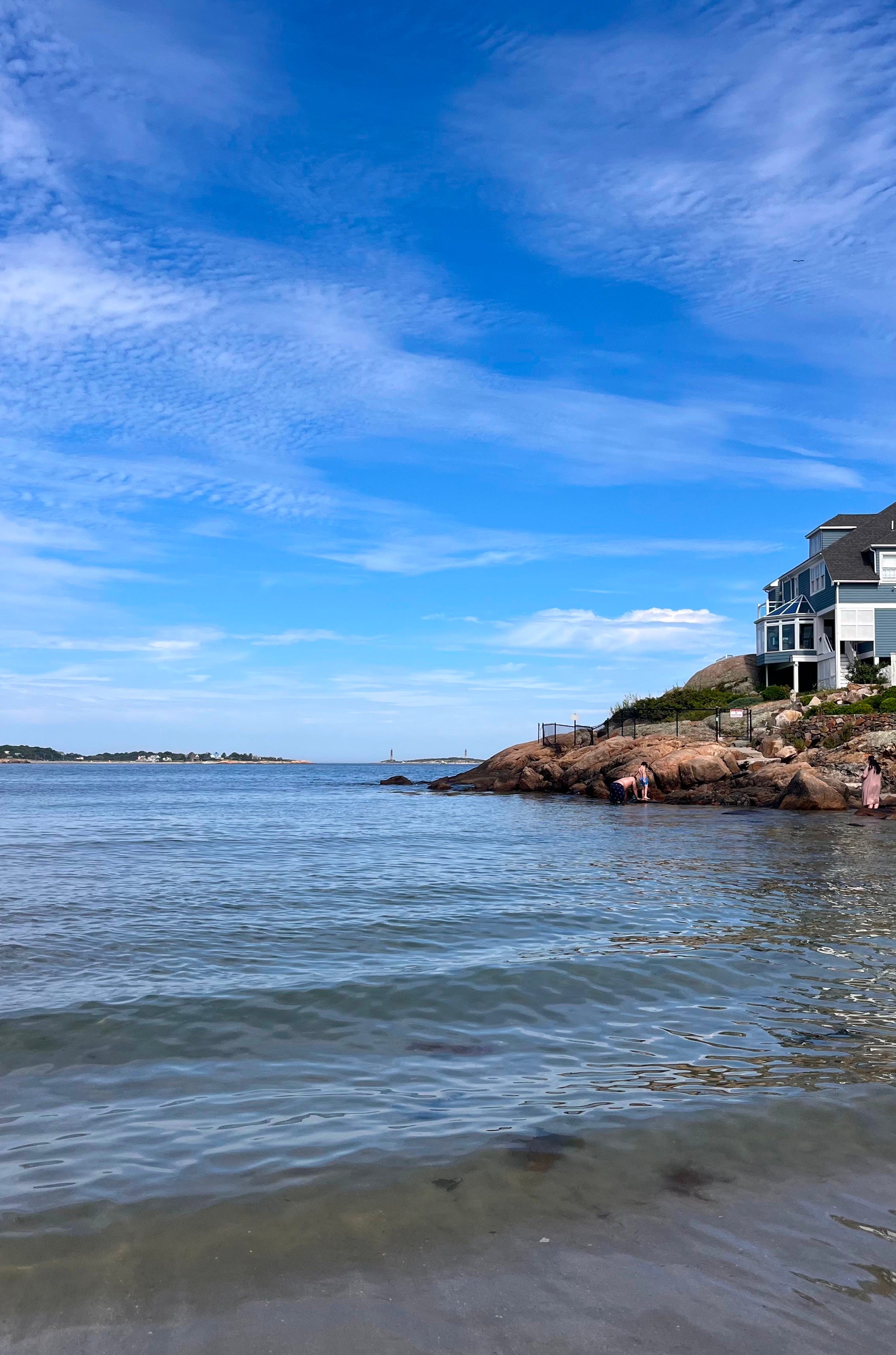
And even though I’ve worked so, so hard and patiently and persistently to make that new life in Athens happen, and I love it really deeply, it is also a complicated feeling. One that is very hard to understand unless you’ve lived it yourself.
So on Sunday, I went to a matinee of the new Odyssey movie, which I hadn’t seen until then. I adore the epic poem (I love anything ancient, and especially anything from ancient Greece) and I’ve read Emily Wilson’s translation at least half a dozen times. I’m reading it again right now. And my love for it has deepened as I’ve gone far, far away from the place that was my home and all the people in it and so have redefined what home is for me.
What I love about the poem is that Odysseus is a complicated man (a poem just telling you how great this guy is would be deadly dull) and that it describes not only a complicated journey home, but the complications of what home means, and homecoming, and the simultaneous longing for it and realization that it is not at all a simple thing when you’ve been away a long time.
Because when you leave, the place you left changes. You change. The people there change too. And suddenly, or slowly, you find yourself feeling both like a stranger and also like an old version of yourself that you’d almost forgotten. There is a deep sense of relief — speaking your native language without feeling guilty or having to slow it down, understanding every single cultural nuance without thinking about it, hugging the people you love and miss — and an ever deeper sense of being an outsider too.
I’m constantly reminding myself now not to stare at people (even if I like their outfit? Ok fine, in America this is rude and in Greece it’s a compliment). To not ask all the questions I want to ask. To soften my advice and my directness about my opinions. To not say “I’m waiting my friend” or “I’m going for a bath in the sea” or “Bye, little kisses!” because now part of my brain is stuck in a different language, different alphabet, different structures of grammar and thinking and behavior.
In Greece I will always be American, and I really am always American. I smile too much and I wear my gym leggings to the grocery store when I’m really tired and I sleep with the air conditioning on at 21 degrees and I still have to look up what 21 degrees Celsius is in Fahrenheit.
But in America I don’t feel so American anymore. I hate drive-throughs. I refuse to eat most of the generally dreadful bread. I don’t smile enough at strangers who smile at me because now I find it reflexively strange. I don’t know why everyone goes to bed at 9:30pm. And so I’m just in between places, in a way I didn’t know I would be when I made this move.
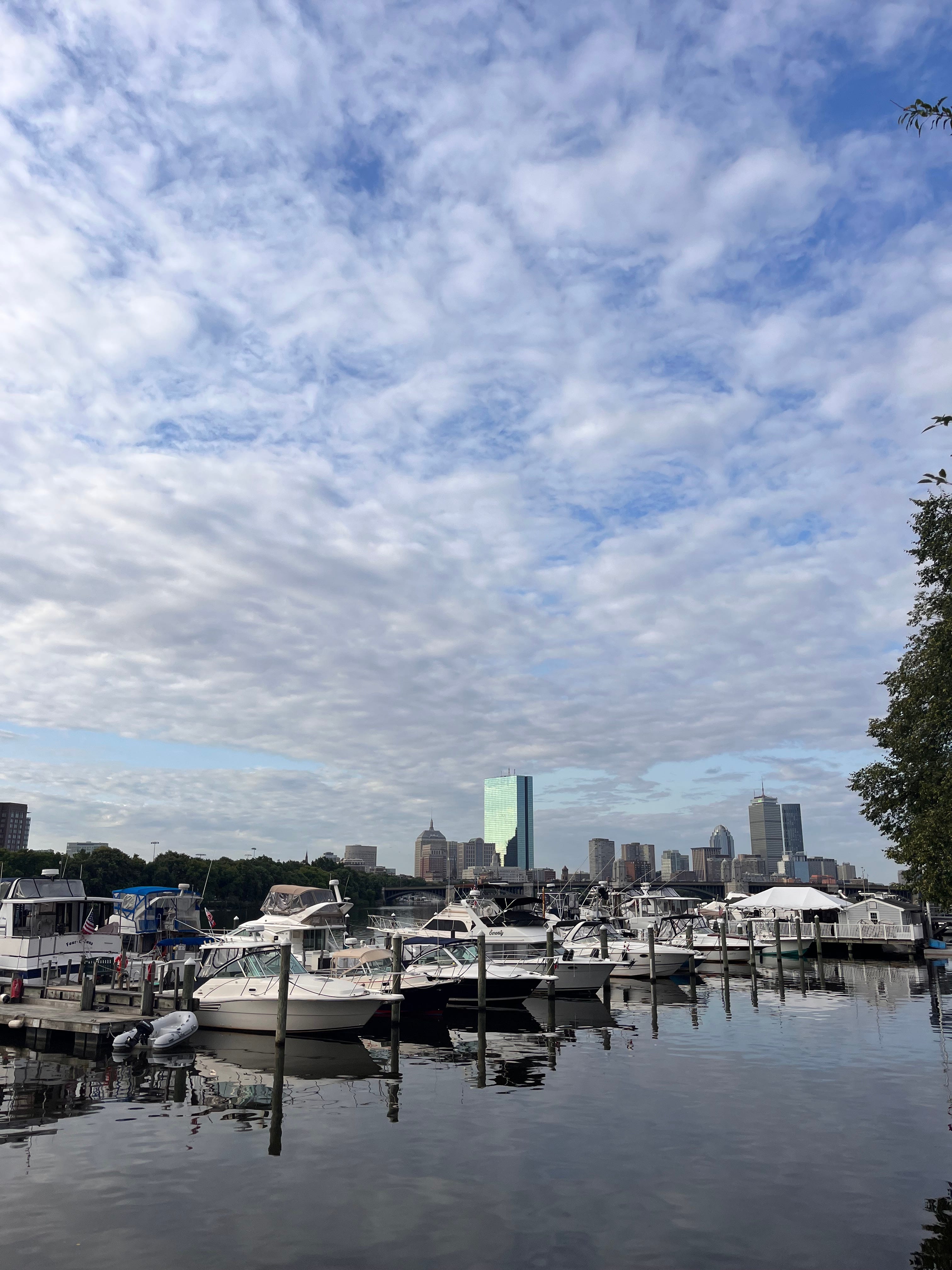
So I understand Odysseus both wanting to go home, and also finding a lot of ways to not actually get home in a reasonable amount of time. (I have learned his lesson though and I’m terribly careful to not offend Poseidon, god of the sea and horses and earthquakes.) And when he gets home, it’s not so simple as the movie version makes it.
As I sat in my reclining lounger in the theater, fighting a silent war with the man next to me over our shared armrest (he won the battle but I put mati on him and thus won the war) (beware of hubris and vengeful blue-eyed women)) and listened to Matt Damon explaining basic plot points over and over in case you missed them the first three times, I thought to myself, this movie is very American. Maybe it’s because I saw it in the space of that transition, from homeland to new home, during a terrible bout of jet lag and sleep deprivation. Maybe I would have enjoyed it more if I knew less about the poem and the world of Ancient Greece and also of people and their fascinating complications and the intricacies of decisions and life and fate.
Because in the movie, Matt Damon is just a decent guy trying to do the right thing always and get back to his home and the wife he loves in a straightforward way. Yes, the obstacles he encounters are complicated (although the women are not, they’re mostly hot asexual therapists or an asexual but sympathetic witch), but his aim and his desires are simple. He never even desires a woman that is not his wife, never tells an unnecessary lie, never stops squinching up his face like Dunkin screwed up his order at the drivethrough when he has a Sox game to get to but feels bad complaining to the tired cashier. Penelope just wants him back — no weeping for the geese killed by the eagle in her dreams. And then they sail happily off into the sunset.
How dull.
The Odyssey is the story of a complicated man — a great soldier and a cunning strategist, who loves a story and a lie and a plan and a plot, who is wily and loves his own wiliness, who has wisdom and also some of that most dangerous of Ancient Greek vices: hubris.
Athena loves Odysseus and is his champion because of that cunning and curiosity, not just because he is courageous. That’s also why we love him. (And why I adored Emily Wilson’s review of the movie in the London Review of Books — highly worth a read, whether you loved the movie or not.)
And as anyone who has lived in a place different from where they were born and raised knows, homecomings are not as simple as Matt Damon’s — pet your sweet dying dog, cut down a few objectively bad guys (RIP to Robert Pattinson, the only person having fun in the movie), pull some arrows out of your back, and get on a boat to parts unknown with your glowing wife and your sweet but cowardly son. Everyone is happy, the only emotions felt are joy and relief, the end is concrete and distinct, the boat is sailing in calm seas with a light and steady wind.
This is not really how homecomings go, in Homer’s day or in ours. Homecomings are complicated. Relationships are complicated. Complications are interesting, and compelling, and not something you need to write away.
Νόστος is Greek for the return home.
Νόστιμο means delicious in Greek, but the root also comes from νόστος — it is delicious because it tastes like home, like you food you know and grew up with. Like a Dunkin iced coffee for me (no it’s not good and it might not even be coffee, but on a summer morning in New England next to the ocean it tastes like the best parts of my old life).
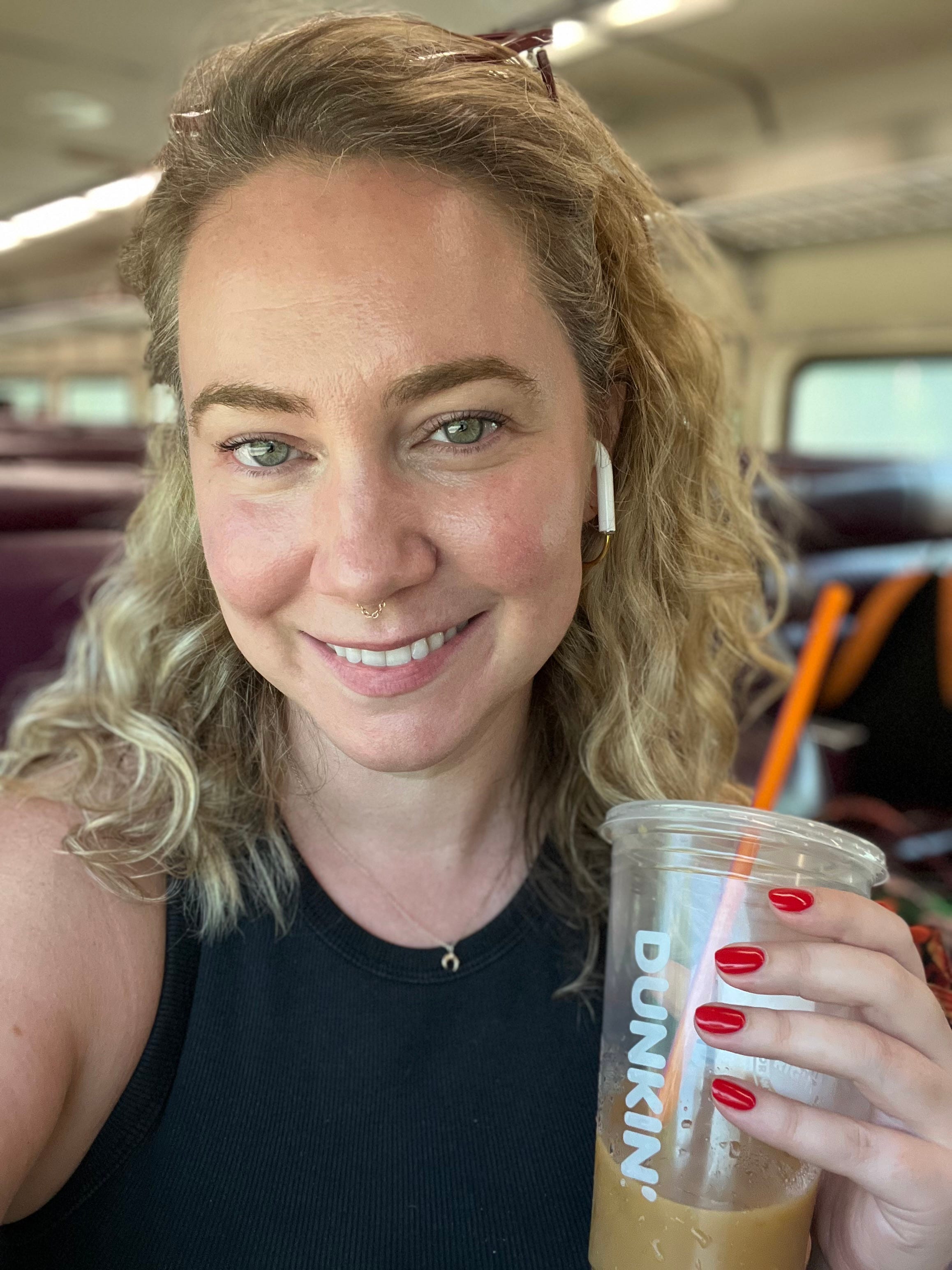
When I come back to Boston, I see my nieces and nephews growing taller and more independent and into the fascinating and very different people they all are. I see the many ways the country I left has changed, and I see in myself how differently I look at it now. I feel how much my life is elsewhere, and also how much of me will always be American, no matter if I never move back again.
When I come home, now fully meaning back to Athens, I delight in this little home I’ve made fully my own, sitting on the sunbed on my balcony listening to Lana del Rey and drinking a freddo espresso sketo and eating a tiropita while the cicadas scream and the swallows wheel in the impossibly blue sky above me.
I am here fully, I am always a little bit somewhere else too. That is painful, and it is beautiful, and it’s something Homer understood more than two millennia ago. And even if the movie didn’t get that, I’m so glad we still have a poem that does.
thank you for reading! if you would like to support me with a subscription, for less than a coffee a month you can help me write more content where I make too many Dunkin references (I already miss it)! or you can buy me a coffee, or share my work to help me grow. a thousand thanks!
No posts
Comments
Nothing yet. Say the first thing.
Sign in to join the conversation.