

For anyone following politics, it’s no secret that Graham Platner has been dogged by multiple scandals. First came questions over a tattoo resembling a known Nazi symbol. Then came allegations from multiple women describing aggressive behavior. At a campaign event in Maine, one voter even asked him if he had any more secrets. He said no. Days later, sexually explicit text messages he had recently sent became public.
Now, Platner is facing allegations of sexual assault. His accuser claims he violated her while heavily intoxicated. On its own, for some, that might be difficult to evaluate. But Platner has admitted in the past that he used alcohol to cope with PTSD and blacked out on multiple occasions. If that’s true, it raises the possibility that he may not remember the alleged assault, even if it occurred.
In the midst of all this, voters on the left are struggling with how to respond. Politically, Platner aligns with their anti-Israel, pro-worker, and progressive values, values that have historically made candidates targets for media attacks and political smears.
But two things can be true at once.
Is he being targeted by the media? Almost certainly. They’ve never been friendly to populist and progressive candidates.
But are the allegations and scandals surrounding him true as well? Probably.
Oh Wait…
Less than 0.5% of readers financially support this independent work. That means this type of analysis only exists because a small number of people believe there’s value in looking beyond the headlines and asking harder questions.
So if you want political writing that goes beyond the talking points and propaganda, consider becoming a supporter.
Be one of the first 100 subscribers and lock in just $6 a month for an entire year.
Thanks again for all your support.
Now back to what I was saying…
The political context only makes things more complicated. Platner’s race in Maine has been framed from the beginning as a partisan political fight. His seat is one Democrats need to win if they hope to regain control of the Senate. That’s likely why the Democratic Party rallied behind him early, with endorsements from Bernie Sanders, Ro Khanna, and Elizabeth Warren. However, Khanna has already withdrawn his endorsement, and it’s safe to say others may follow his lead.
Which brings us to the real question. As more allegations emerge and political allies begin distancing themselves, many on the left are asking whether Graham Platner ever deserved their support in the first place.
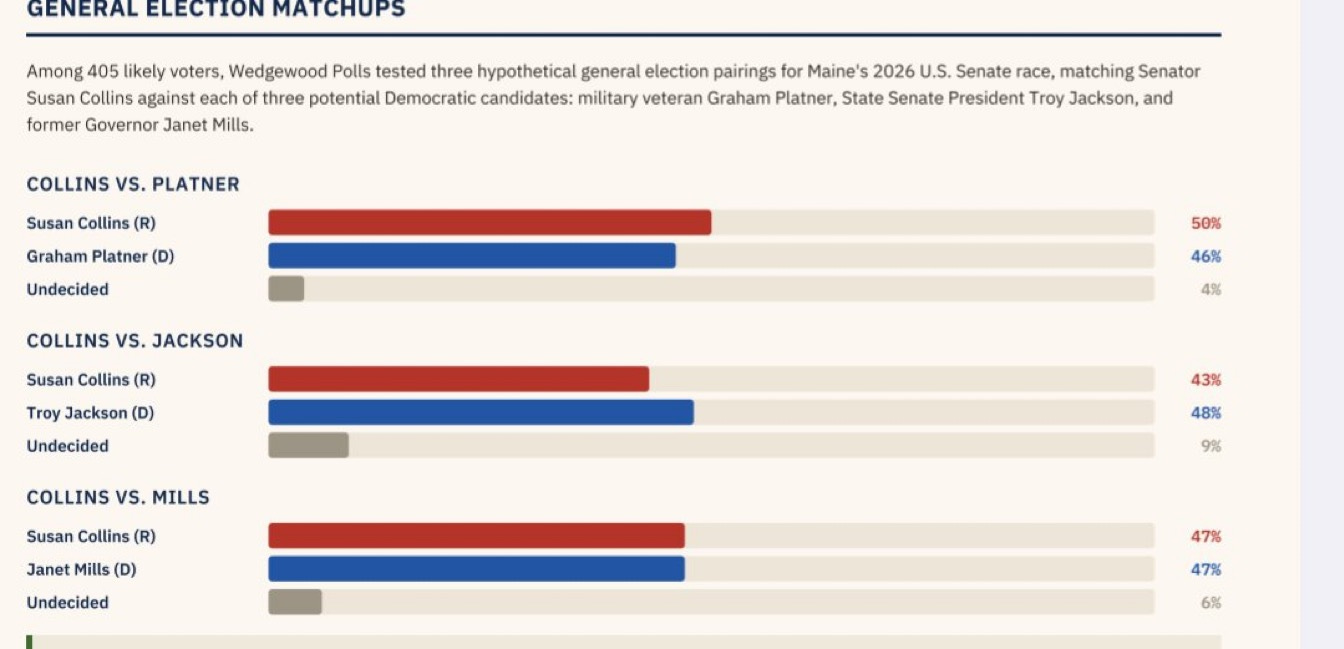
For many Democrats, the political reality is already becoming clear. Before these latest allegations became public, Platner was in a statistical tie with his Republican opponent, Susan Collins. Now, he trails her in the latest polls. Considering he appears to be a magnet for scandals (and this is unlikely to be the last) many are calling on him to step aside.
On a personal note, he also faces the possibility of losing not only a Senate seat, but, one can assume, his marriage as well. That reality has many pundits anticipating his withdrawal from the race.
To add to this fuckery, there’s also a looming deadline. Platner has one week, until July 13, to decide whether he’ll drop out. Democrats then have only until July 27 to replace him on the state’s ticket. It’s hard to see them replacing him with anyone nearly as progressive in their messaging. Janet Mills, the former governor of Maine, is one of the Democrats being floated as a replacement, but she lacks both Platner’s progressive message and the excitement surrounding his campaign. As a result, many see Democratic chances as dwindling.
To be clear, replacing him with a progressive candidate is essential if Democrats want any real chance of defeating Collins. But that doesn’t mean Susan’s without her own vulnerabilities. Despite her reputation as a moderate Republican, she’s voted with Trump roughly 95% of the time. Also her campaign has faced its own scrutiny over fundraising and outside influence, including questions about her husband’s lobbying ties to a pro-Collins super PAC. Add in the rumors surrounding her own marital affairs, and needless to say, her hands aren’t clean.
Possible outcomes….
But what many leave out of this situation are the Maine voters caught in the middle of this battle. They’re older and poorer than the average American. The median age in Maine is 45 years old, with nearly 25% of the population being over the age of 65. With a median household income of $76k compared to America’s $83k, this is a population that actually needs their government to somewhat function at the end of their lives.
They rely on programs like Medicare, Medicaid, and Social Security, and given this administration’s austerity policies, there’s a hunger on the ground for something different.
But I’m skeptical they found that person in Platner.
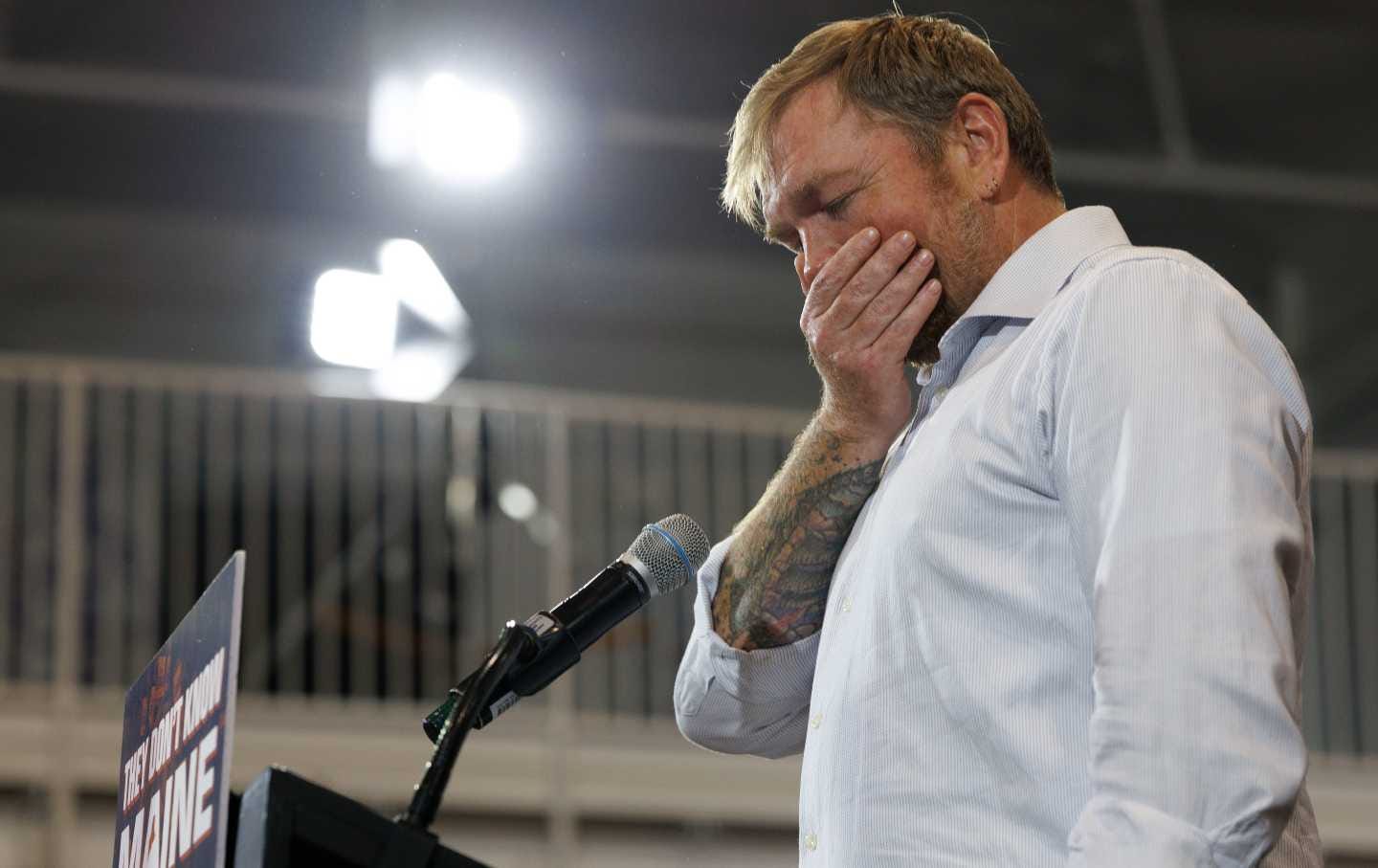
Although he claims to be anti-war and anti-genocide, he’s also said he supports making Maine a shipbuilding hub for the military, two positions that don’t naturally fit together. I also find his backstory difficult to reconcile. While he openly discusses how PTSD from his military service nearly ruined his life, he has stopped short of fully rejecting American militarism.
So I struggle to see how someone with this background and history can convincingly present himself as a champion for struggling Americans. But admittedly, I may hold politicians to a much higher standard than many of his supporters do.
And I’m highly aware that some people reading this will simply see Platner as a way to combat Trump’s power and to fight back against his authoritarianism. I understand that position, even if I question whether someone like Platner is up for that fight.
Afterall, fighting Trumpism should mean opposing the broader values and actions that Trump and his administration represent. It should include fighting against racism, xenophobia, homophobia, sexism, and misogyny. Which is why the argument that Platner should be held to the same low standard as Trump feels contradictory.
With that said, I also find no use in shaming voters or telling people who they should and should not support. But corruption among our politicians is a major problem, and given Platner’s flaws, I find it difficult to believe he will withstand the pressures of Washington.
I also don’t see his victory being the catalyst for significant change within the Democratic Party. As one leftist put it, even if they do regain power, expectations should remain low for the “Status Quo Empire” to strike back. Especially when it comes to issues like poverty, workers’ rights, climate change, or the fight over data centers.
But that doesn’t mean all hope is lost. The fact that people in Maine are hungry for populist solutions like Medicare for All and anti-war policies is a positive takeaway, regardless of their support for a deeply flawed candidate.
The media will likely frame this as a loss for the left, but I don’t see it that way. The bigger story is that people are still searching for something beyond the political establishment. They’re still looking for an alternative to the status quo, even if the political system is not yet ready to deliver it.
Comments
Nothing yet. Say the first thing.
Sign in to join the conversation.