
In my data science conceptualist era.
The biggest hurdle in data science was maths and pedantry of the code. So, let’s say you have a brilliant hypothesis and a clean dataset, but you spend most of your time fighting a SettingWithCopyWarning in Pandas or try to find a bug in a window function.
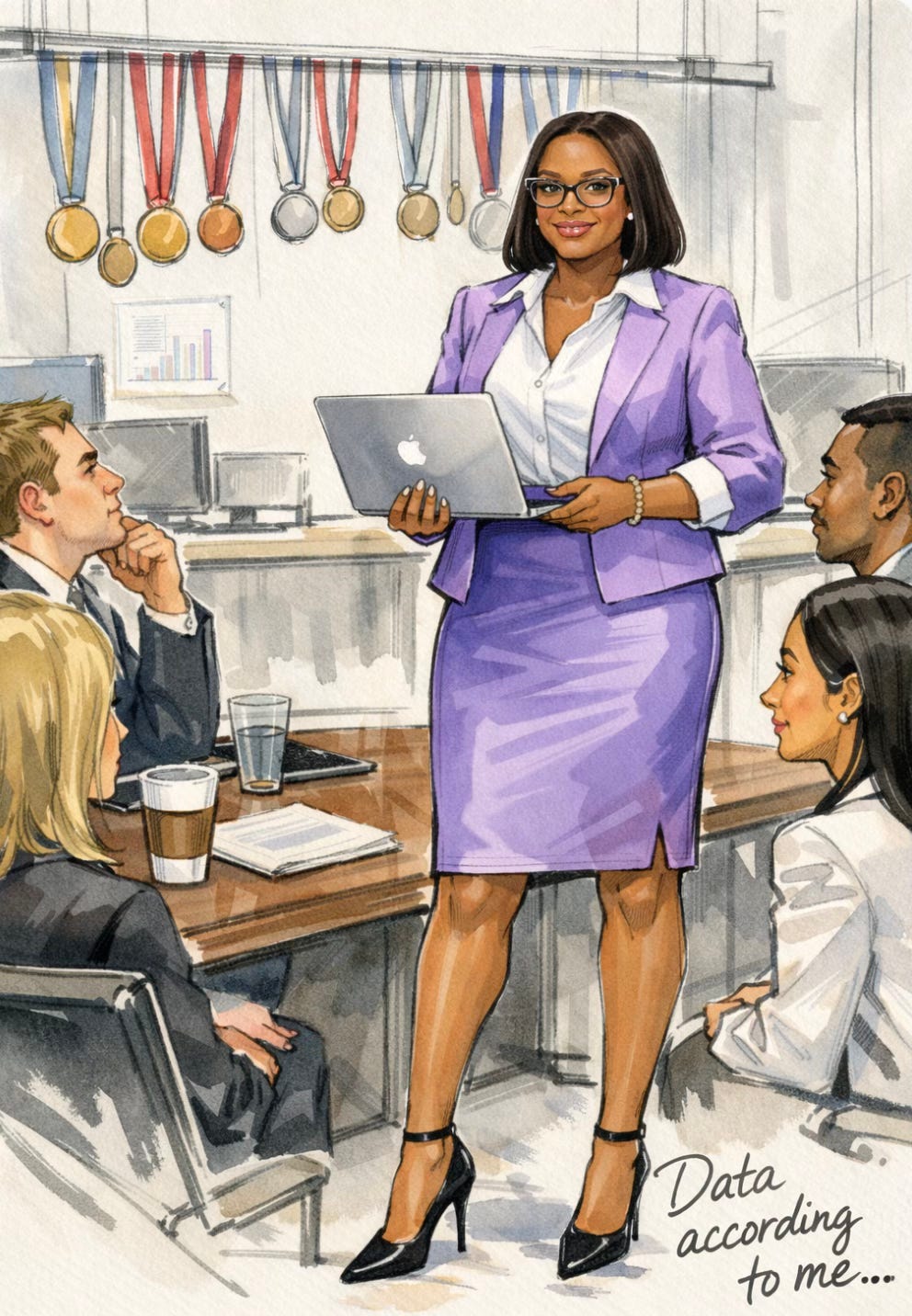
You’ve read about how AI is making some tech skills obsolete, but this article is not about that.
At one point, we were like translators. Our value was tied to our ability to speak the machine’s language fluently enough to get an answer before the deadline.
I think the era of the “Syntax Error” is ending, and we are so deep in the age of vibing. Last year, almost every “tech” person had a vibe-coded app, and if you didn’t, that’s fine — and i’m side-eyeing you.
A lot has changed about what it means to be a data scientist.

“Vibe Coding” still feels “lazy” to me, but i can agree that it’s about shifting your focus from the how to the what.
Again, everybody in tech is talking about AI agents, and they should. Those things are insane.
With modern AI agents, the mechanical act of writing Python or SQL is now such a chore. So, if you can describe the logic clearly, the machine can handle the boilerplate.
Think of it like the evolution of photography. We moved from manual chemical mixing in darkrooms to digital sensors. The “soul” of the photo, which was the composition, the lighting, the timing - didn’t change, but the technical barrier to entry did. And if you’re a chronic selfie taker like me, you will appreciate this evolution.
In this new era and workflow:
The “How” (Commodity): Writing loops, CSS styling, basic regression syntax, and API boilerplate.
The “What” (Premium): Business logic, data ethics, experimental design, and knowing which questions make an impact in the boardroom.
As the technical barrier drops, the aesthetic barrier rises.
This article is about aesthetics :)
I’ve been tinkering with some fancy prompts, and now i’m very much productivized. I’m in my product-and-design era.
You see, everything is moving so fast now that everything that glitters is now gold. **burying my face **
Code is easy to generate, and i agree. But who’s going to review all the AI-generated code? The same engineers that AI is supposedly replacing.
Aesthetics - the “product” of a data scientist (the dashboard, the report, the web app) has to be exceptional to stand out, something fancy and catchy.
Shining. Bright. Glitters. Gold.
Taking inspiration from companies like Apple and Stripe, the next generation of data tools will prioritize “high-design.”
And, to follow their footsteps, i am amused at what prompt it took to even get the cover photo for this article. I tweaked, edited, reedited, retweaked, untweaked, and unedited a foundation prompt by AI Meets Girlboss and 45 minutes later, i had a story.
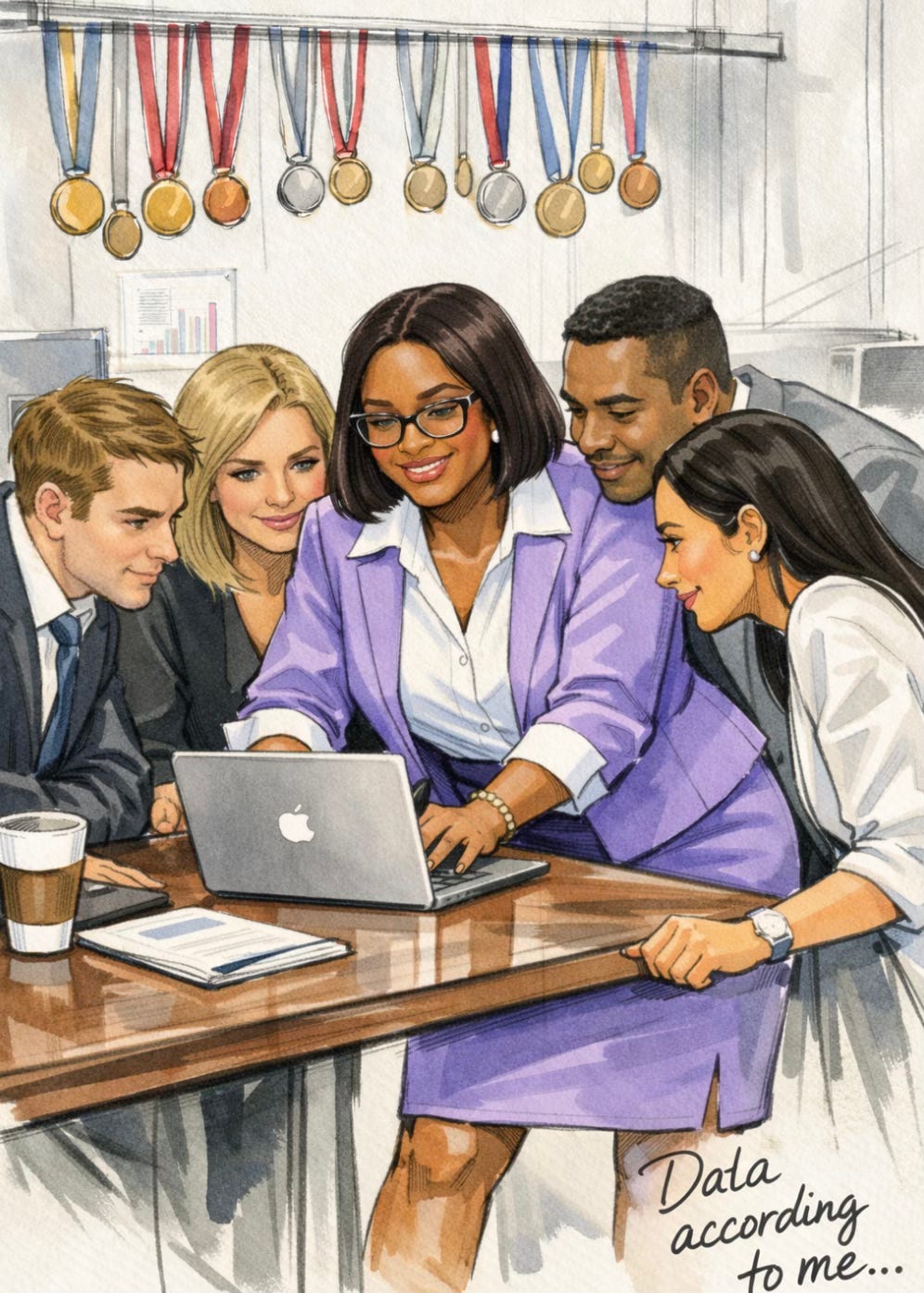
A technical insight is only as powerful as its delivery.
If your data story looks like a cluttered spreadsheet, your audience will treat it like one. Bored and glanced over.
Clean lines, intuitive UX, and minimalist visualization aren’t “extra” anymore. Everybody is a minimalist now - well, except you just want to be colorful — and these are the core of how we communicate facts within the noise.
So, if everyone can generate a linear regression model in thirty seconds, how do you stay indispensable?
Validate that logic like a cult: You are still a coder, so leave it up in your title, but you’re an editor too. Check those AI-generated Python and intuitively know if the merge logic is sound.
Narrative design: I know in a previous article, I said the data speaks for itself, but it doesn’t have to. You are the one who connects the statistical significance to the quarterly goal. Make it a story, add some drama to it, make it bold, make it like a tyler perry show. Keep us glued to our seats.
Experimental speed: Use the time you saved on debugging to run some more experiments. High-velocity curiosity is the new “10x developer” trait. High velocity is the new cool.
KISS: Keep it simple, smart, and stylish. these are your competitive advantages.
The future of data science belongs to the Conceptualist. It belongs to intriguing, captivating, how-did-you-do-that designs.
For now, it’s safe to stop worrying about memorizing library documentation. Start focusing on the “vibe”, the high-level logic, the design of the user experience, and the integrity of the question.
When the syntax is solved, all that’s left is the brilliance of the idea. The Tyler Perry effect.
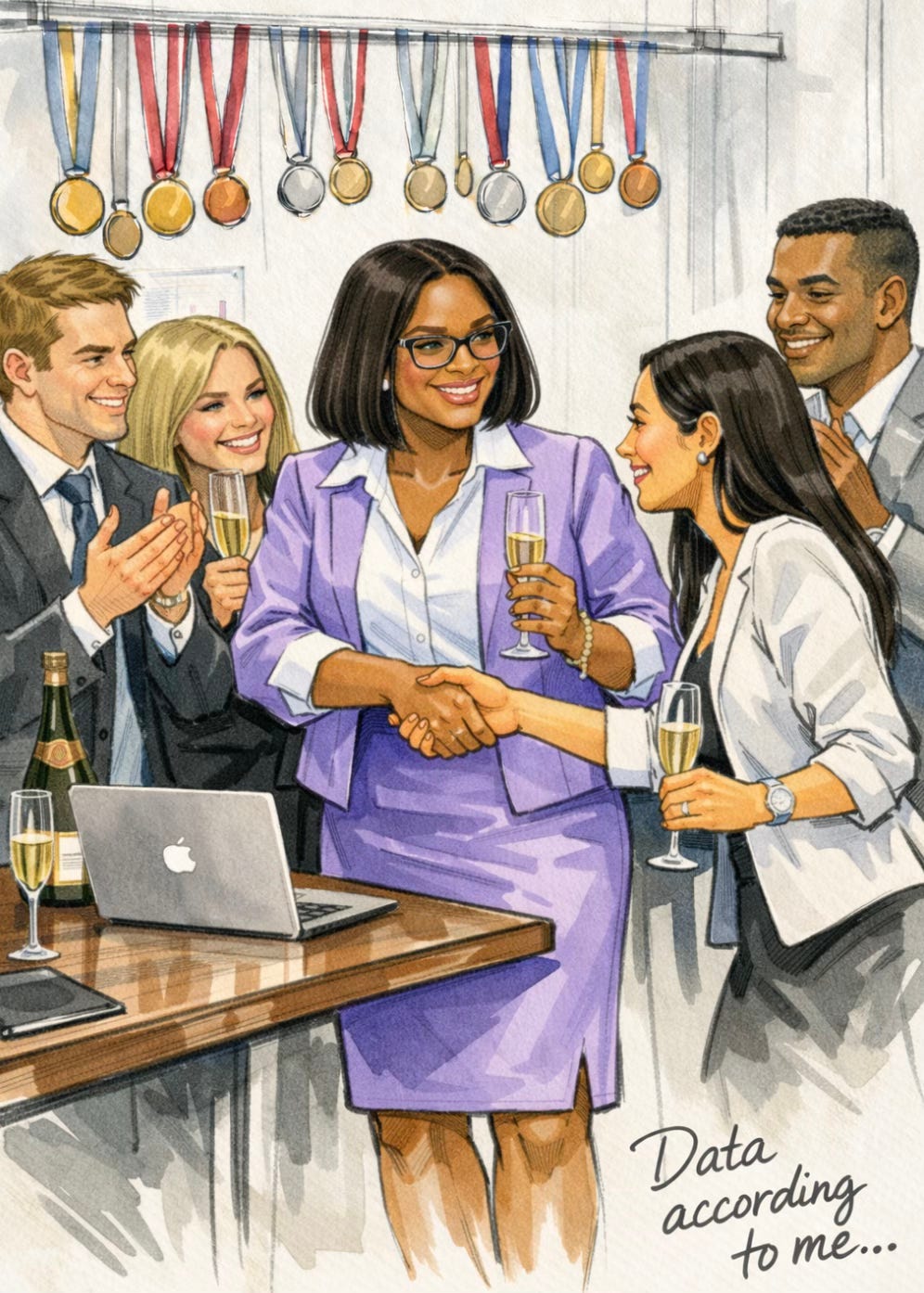
Champagne in the boardroom? Maybe corporate ain’t that bad. Cues in Michael Scott.
Adios amigas x
Enjoyed this? I’m currently building a series of data tools using an entirely AI-orchestrated workflow.
Subscribe for the drafts, failures, design choices and finished product.
Up next on data according to me will be Intro to Git vs GitHub.
ICYMI
🔗 Biz and whimsy: https://linktr.ee/amyusifoh
🔗 Free design toolkit: dashboard design toolkit
Data Scientist⬩ Spreadsheet advocate ⬩ Freelancer ⬩
Comments
Nothing yet. Say the first thing.
Sign in to join the conversation.