
While making my new movie, Lost Cause, I documented the process and wrote a series of essays that examine and reflect on every facet of making, marketing and distributing an independent film in America at this critical and challenging moment. I have been editing and slowly releasing these essays one-by-one over the past few months, and will continue to do so at least through the end of 2026.
Read the Prologue (on the challenges and opportunities of the current movie landscape)
Read Chapter 2 (on budgeting, fundraising, pitch decks and personal debt)
Chapter 3 (what you are reading RIGHT NOW) was going to focus specifically on casting. However, as I started outlining the essay, I realized it would be more useful to look at the four feature films I have cast and made, because each one illustrates a slightly different approach to the process.
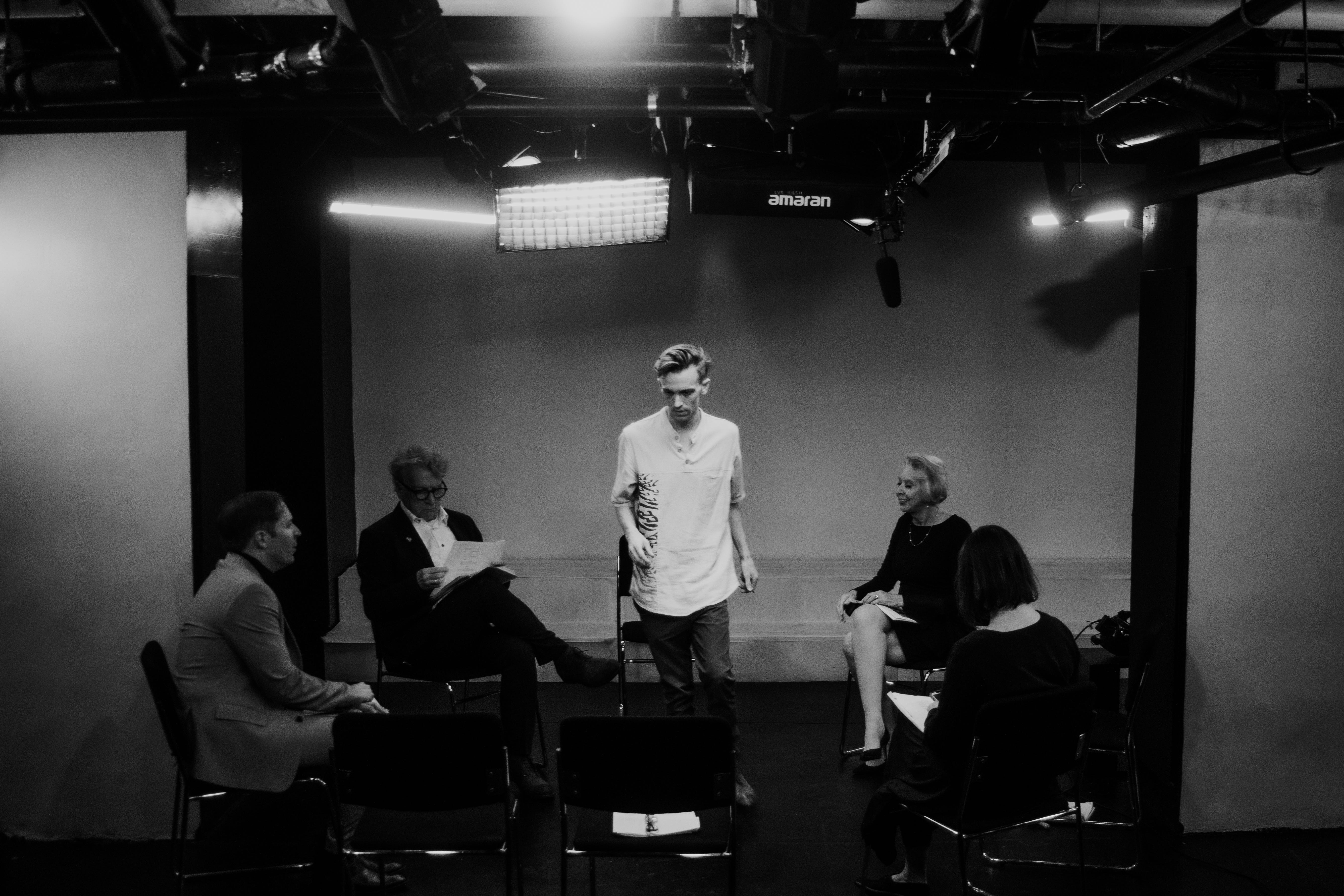
I have produced four features, two of which I also wrote and directed. All four films were made on shoestring budgets, usually for $100k or less. The casting process for each film differed based on the distinct needs, limitations and style of the project and director.
These four approaches exhibit different strategies and pathways for filmmakers to consider when casting their own projects.
Before you get started, there are a few key questions to ask yourself about your movie. Answering them will shed light on how to approach the casting process.
This question has both creative and practical implications, and all should be considered when deciding which is right for your film.
I think all great performances boil down to one thing: is it believable? If you buy it, it works. I think it’s that simple.
Trained actors and non-actors are both capable of giving great performances. But different projects (and different roles) have different requirements.
Generally speaking, non-actors add an energy to the film that is raw, unpolished, grounded and “real”. They aren’t really “acting” so much as being themselves and bringing their real-life experiences to the film (usually).
Trained actors elevate the material and bring a level of nuance and complexity to their performances. They are constantly making choices. Their bodies are finely-tuned instruments, and they know how to play ‘em.
So, what type of movie are you making? How do you want it to feel? What sort of energy and approach fits best with the story you are telling?
Consider the specific challenges of the roles and the scope of the production. Non-actors require more takes on average to get to the magic one. That means you shoot fewer scenes each day and principal photography takes longer. Non-actors may seem more affordable on the surface, but that is not always the case.
Also, consider the script. Are there long monologues and/or dialogues? Is the language heightened? Are the beats particularly nuanced and complex? Are any of the scenes going to be shot as long takes?
Different scripts have different demands. The talented and compelling teens in Raising Victor Vargas would not be as good in a Shakespeare play, and celebrated Shakespearian actor Mark Rylance would be unbelievable — not in a good way — in Victor Vargas.
So when considering trained or untrained actors for your project, think about the script, the roles, how you want your film to feel and the resources available to the production. Remember, you can always cast trained actors in some roles and non-actors in others. Just make sure to be intentional and deliberate and have a good reason behind every decision.
Connected to the above question is: will you work with union (SAG-AFTRA) and/or non-union actors? I’m not gonna write a lot about SAG because there is already a ton of good info about this on the web (and right on their own website). I will simply say I have worked with SAG on all four of my films, and it has been totally pleasant and easy every time. They have different tiers with different rates and terms based on the budget and prospects of the project. There is a micro-budget agreement for projects less than $20,000 and an ultra low-budget (ULB) agreement for projects less than $300k. I believe there are also short film and new media agreements as well, though I have never looked into them personally.
All four of my features have been under ULB agreements (and I am actively exploring the micro-budget agreement for future projects). On ULB projects, you can work with both SAG and non-SAG actors, but you are required to pay your non-SAG actors at least the union minimum day rate.
When you hear the phrase “working for scale”, it means working for whatever SAG has determined to be the minimum day rate based on the size of the budget.
The ULB minimum rate for an actor, as of 7/1/25, is $249 per day. The production is also responsible for contributions to the union’s Pension and Health (P&H) Fund, which is approximately 21% of whatever you’ve paid the actor (so if $249 per day to the actor + then about $50 per day to P&H). There are also employer taxes which should be considered when budgeting.
Almost every good film actor I know is in SAG. Take that for whatever it’s worth.
Comments
Nothing yet. Say the first thing.
Sign in to join the conversation.