
💡 I am not a doctor, nor do I have formal medical training. These are personal notes from my journey to understanding my physiology as an aging man.
It is critical to become your own health advocate. Western medicine often focuses on treating sickness, not optimizing health. If you ask your doctor about some of the information below, they may raise an eyebrow and say, "Okay..."—and you’ll wonder, why didn’t they bring this up sooner?
Consider all notes below as intrigue for your own journey, to be discussed with healthcare professionals.
You’ve got your bloodwork, and now you’re staring at a bunch of numbers. Maybe some are low, some are high, and you’re wondering, what now?
I’ve been there. I spent months piecing together what mattered and what was noise. Here’s what actually made a difference—things I wish I had known sooner.
Before even thinking about treatments, you need to fix the basics. This isn’t about generic "get more sleep" advice. This is about what actually helped me feel better, stronger, and dialed in.
I used to take random supplements, thinking they’d help. Turns out, I was deficient in vitamin D and magnesium—two things directly tied to testosterone production. If you’re low, fix it.
Eating more red meat and eggs boosted my energy almost immediately. Cholesterol is the building block of testosterone.
Cutting out processed garbage (seed oils, excess sugar) wasn’t a "diet thing," it was a hormone thing. Less inflammation, better hormone function.
Carbs: If I went too low-carb, I felt like crap. Testosterone needs insulin to function properly. I started cycling carbs, and my energy came back.
Chronic stress killed my testosterone. I didn’t even realize it was happening because I thought pushing through exhaustion was "honorable."
Cortisol and testosterone are in opposition—if one is high, the other is low. I was drinking too much caffeine, sleeping like shit, and wondering why I felt off.
Solution? Intentional stress control: cold exposure, deep breathing, cutting out excessive stimulants, and ensuring healthy communication with my partner.
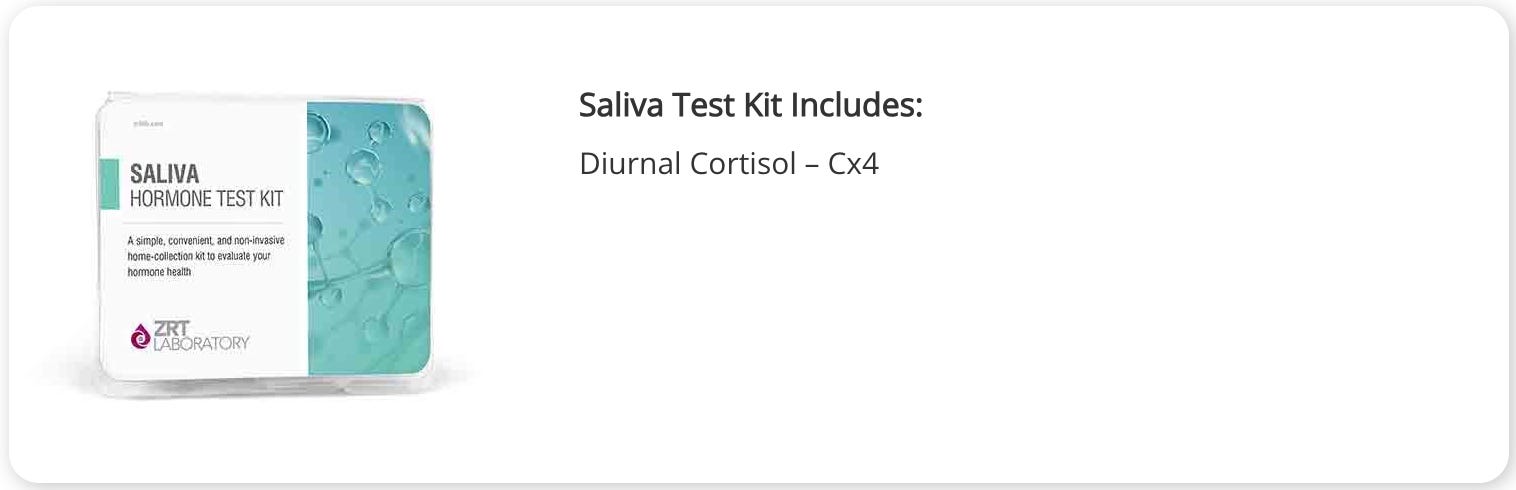
This was the test my PCP gave me; it comes with 4 vials, you spit in them throughout the day: https://www.zrtlab.com/test-specialties/stress-hormones/
You don’t need a cabinet full of pills. Most supplements are garbage, but a few actually made a difference.
Vitamin D3 + K2 – I was deficient. Within weeks of supplementing, I felt better. Get tested first. And make sure it has K2 in it.
Magnesium (Glycinate or Threonate, currently taking Aspartate and Oxide) – Helped my sleep, which in turn improved my recovery.
Zinc – I didn’t realize how crucial this was until I started researching. If you sweat a lot or train hard, you’re probably low.
Creatine Monohydrate – Not just for muscle. Helped with cognition and general energy levels.
Ashwagandha – Lowered my cortisol. This was noticeable.
Tongkat Ali & Fadogia Agrestis – Some people swear by them. I tested both and saw a slight difference in libido but not much else. I stopped these.
Here is the supplement I take that makes it convenient to get magnesium and zinc before bed. https://amzn.to/4hjIbHw
If you’ve fixed everything else and still feel like something’s missing, you might need medical intervention. I was hesitant, but I learned that not all treatments mean shutting down your natural production.
This is the nuclear option. It works, but once you’re on, you’re likely on for life.
I personally have avoided this and will for as long as possible, so I explored other options first.
Pros:
Restores testosterone levels, improving energy, libido, mood, and overall quality of life.
Enhances muscle growth, strength, and fat metabolism.
Improves bone density and reduces the risk of osteoporosis.
Can boost confidence and mental clarity by addressing hormonal imbalances.
Provides consistent testosterone levels when monitored and dosed properly.
Reduces symptoms of hypogonadism, such as fatigue and low libido.
Can improve sleep quality and reduce symptoms of sleep apnea in some cases.
May help with depression and mood disorders linked to low testosterone.
Cons:
Requires lifelong commitment for most men, as natural testosterone production may further decrease.
Can suppress natural production of testosterone by shutting down LH and FSH.
May increase red blood cell count, leading to potential complications like polycythemia.
Risk of side effects like acne, hair loss (via DHT conversion), and water retention.
Requires regular injections or other administration methods, which can be inconvenient for some.
Potential for aromatization to estrogen, which may require managing estradiol levels.
Needs ongoing medical supervision and periodic blood tests to monitor markers like hematocrit, estradiol, and PSA.
Possible increase in prostate-specific antigen (PSA), which requires monitoring for prostate health.
Instead of replacing testosterone, this stimulates your body to produce more naturally.
If you have secondary hypogonadism (brain isn’t signaling properly), this can be a game-changer.
I noticed a difference within weeks: better energy, better mood, more drive.
Pros:
Increases natural testosterone production by stimulating LH and FSH release.
Helps maintain natural fertility (sperm production).
Non-steroidal, so it doesn’t suppress the hypothalamus-pituitary-gonadal axis (HPG axis).
Useful for treating secondary hypogonadism (low testosterone caused by brain signals).
Oral administration (no injections required).
Cons:
May cause mild side effects like headaches, nausea, or mood swings.
Can take time to build up effects (not an instant fix).Not as potent as HCG for quickly increasing testosterone.
Requires monitoring to avoid over-stimulating the testes or causing hormonal imbalances.
Potential for elevated estradiol levels (may need to pair with anastrozole).
Used alongside TRT to maintain testicular function.
If you’re considering TRT but want to preserve fertility, this should be part of your discussion with a doctor.
Pros:
Stimulates natural testosterone production in men.
Can aid in fertility treatments for both men and women.
Helps preserve lean muscle during weight loss.
May boost energy and libido.
Used in some weight-loss protocols for appetite suppression (when combined with a calorie deficit).
Supports reproductive health by mimicking luteinizing hormone (LH).
Generally well-tolerated when used as prescribed.
Cons:
Requires injections, which may be uncomfortable or inconvenient for some.
Potential for hormonal imbalances or side effects like mood swings or headaches.
Effects on appetite vary and may increase hunger in some individuals.
Risk of injection site reactions (e.g., redness, swelling, or pain).
Can be costly, especially with long-term use.
May require close monitoring and regular doctor visits.
Can cause mild bloating or water retention in some cases.
If you’re producing too much estrogen, it will cancel out testosterone’s benefits.
Be careful with this; it lowers estrogen based on DOSE; and a drastic swing in estrogen can make you hate your life (trust me).
Pros:
Reduces estrogen levels by blocking the enzyme aromatase (prevents testosterone-to-estrogen conversion).
Can prevent or reduce gynecomastia (male breast tissue growth).
Helps maintain a higher testosterone-to-estrogen ratio.
May improve symptoms of high estrogen (e.g., water retention, irritability).
Works synergistically with testosterone-boosting therapies (e.g., HCG, enclomiphene).
Cons:
May lower estrogen too much, causing joint pain, fatigue, or mood changes.
Can negatively affect cholesterol levels and bone density if overused.
Requires precise dosing to avoid imbalances.
Long-term use can suppress healthy estrogen levels necessary for cardiovascular and bone health.
Requires a prescription and regular blood tests for monitoring.
Also, consider DIM; it gets rid of excess Estrogen. https://amzn.to/40YhGli
Boosts Growth Hormone & IGF-1 – Stimulates the pituitary gland to increase natural growth hormone (GH) and insulin-like growth factor 1 (IGF-1), which support muscle growth, recovery, and fat metabolism.
Enhances Sleep & Recovery – Increases deep sleep quality, which aids in muscle repair, cognitive function, and overall recovery.
Increases Appetite & Nutrient Absorption – Significantly boosts hunger by mimicking ghrelin (the hunger hormone), making it useful for muscle gain but potentially leading to unwanted fat gain if not managed.
Pros:
Increases growth hormone (GH) and IGF-1 levels, supporting muscle growth and recovery.
May improve skin, hair, and nail health due to enhanced GH levels.
Supports better sleep quality and recovery.
Can increase bone density over long-term use.
No injections required – oral administration.
Can assist in fat loss indirectly by improving muscle mass and metabolism.Helps with injury healing due to GH stimulation.
Cons:
Can significantly increase appetite, which may lead to overeating or unwanted weight gain.
Potential for water retention or bloating.
May cause lethargy or tiredness in some individuals.
Risk of increased blood sugar or insulin resistance with prolonged use.
Possible mild side effects like headaches, tingling sensations, or joint pain.
Long-term safety is not fully established due to limited studies.
Not approved by regulatory agencies like the FDA for non-medical use.
Focus on your bloodwork first. Don’t guess. Numbers don’t lie.
Cut the fluff. If something isn’t moving the needle, drop it.
Don’t rush to TRT. It’s powerful, but there are other tools to explore first.
Manage your stress. I ignored this for too long. It matters more than you think.
Supplements help, but only if you need them. Most are junk. Find what works for you. Focus on the simple basics.
Get Bloodwork Done – If you haven’t yet, order the full panel from Part 1.
Fix Your Lifestyle – Nutrition, stress, and recovery are non-negotiable.
Test Supplements One at a Time – Don’t throw everything at the wall.
Consider Medical Options If Necessary – But do your research.
And Be Willing To Talk About This With Other Men.
If you’ve made it through The Hormone Journey, congrats. You now know more than 99% of men.
💡 Your health is in your hands. No one will optimize it for you.
Download the Complete Guide.
No posts
Comments
Nothing yet. Say the first thing.
Sign in to join the conversation.