
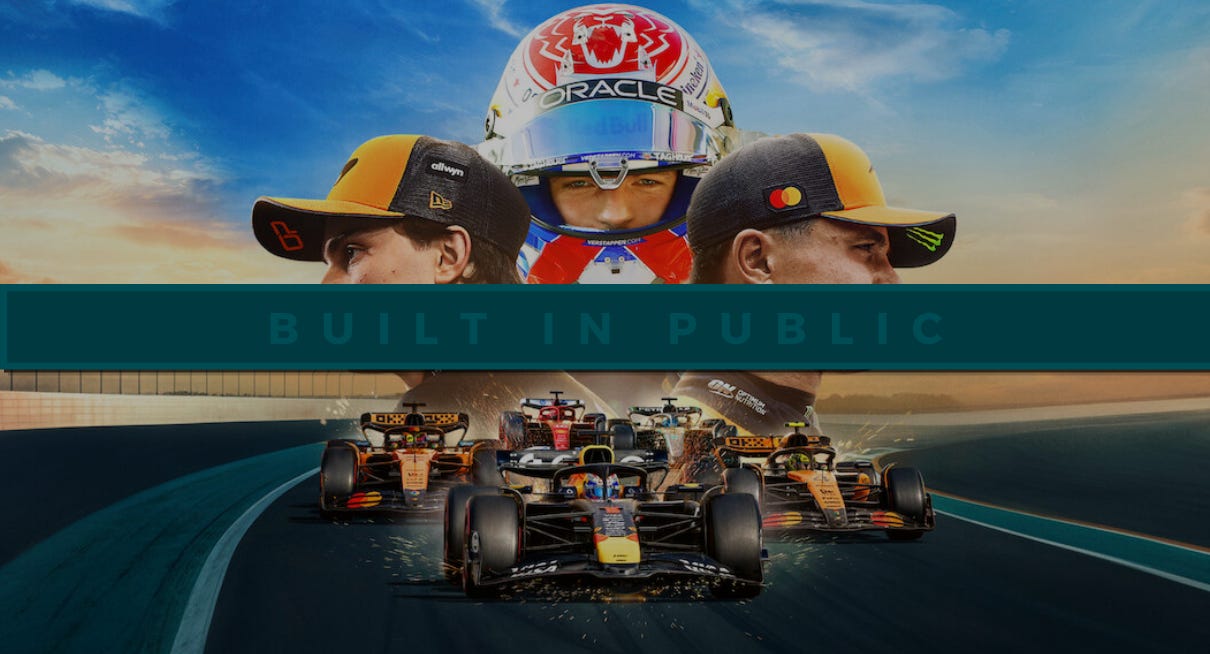
There is a version of athlete storytelling that lives in press releases, box scores, and post-game interviews, one that moves quickly, covers what happened, and serves an important function in how the sports media ecosystem operates. What streaming has added over the last several years is a different layer to that ecosystem, and I think it has expanded how audiences understand athletes in ways worth paying close attention to.
The clearest example is Formula 1: Drive to Survive. When Netflix launched the series in 2019, F1 had a loyalty problem in the United States. The audience skewed older, younger viewers were not engaging, and the commercial infrastructure around the sport reflected that stagnation. Drive to Survive reframed the sport entirely by leading with character rather than competition, turning drivers into personalities with ongoing storylines and putting the human dynamics behind the helmets at the center of the story rather than treating them as an afterthought to race results. A Nielsen analysis found that more than 360,000 viewers who had not watched F1 in the latter part of the 2021 season began watching F1 races in 2022 after first watching Drive to Survive, and F1 fan growth in the U.S. tracked at approximately 10% over the three years following the show’s debut. The emotional investment the series built in its characters was enough to convert new viewers into fans who kept returning to the live sport.
That outcome has repeated itself across sports and across platforms. Simone Biles Rising, the four-part Netflix docuseries that followed Biles through her comeback ahead of the 2024 Paris Olympics, is one. The series opened with a person dealing with the aftermath of one of the most scrutinized decisions an athlete had made in recent memory, giving audiences sustained access to a version of Biles that complemented everything the press had covered about her over the years. The series earned a PGA Sports award, two Critics’ Choice Documentary awards, and a Critics’ Choice Real TV award, and was nominated for an Emmy for Outstanding Documentary or Nonfiction Series. Those are production accolades, but they also reflect an audience that responded at scale to a format that gave them an extended, uninterrupted window into an athlete’s experience.
Netflix’s Untold series, now in its fifth year, has built an entire documentary franchise around the same underlying premise, covering lesser-known or more complicated chapters in sports history through first-person accounts and archival access that work alongside the broader media coverage those stories have received over time. Ahead of the 2026 Winter Olympics in Milan, Netflix released a series on the ice dancing circuit produced by the same team behind Simone Biles Rising, while ESPN launched On the Edge, following top-ranked Alpine skiers in the lead-up to the Games. The approach across all of these productions reflects the same understanding, which is that giving audiences a reason to care about the person before the event arrives makes the live competition carry considerably more weight when it begins.
What I find myself thinking about when I look at all of this from early in a career in sports public relations is the question of what sustained access actually produces for an athlete’s public identity. The documentary format works because it gives audiences something extended and relatively unguarded, a kind of storytelling that sits alongside the faster-moving press cycle and does something different within it. A well-constructed hour of documentary footage with the right level of access can deepen how the public understands someone in ways that complement everything the traditional media coverage around that athlete has already built.
For anyone working in communications, that is worth understanding as part of the broader picture. According to Nielsen’s 2025 Tops of Sports report, streaming hours for sports documentaries reached 16,937 million total viewing minutes in 2024, up from 4,709 million in 2021. The audience appetite is large and has been growing steadily, which means long-form storytelling is now a meaningful part of the environment that sports communications professionals are operating in.
The more useful question for anyone working in this space is what the success of this format reveals about what audiences are actually looking for when they engage with athletes. The numbers suggest that people want enough context about who someone is to feel like the outcome of a competition means something to them personally, and building that kind of connection has always been the underlying goal of good sports communications. What streaming has done is create another format for reaching it, one that the industry is increasingly learning how to work with.
You can also read this issue and subscribe to Built in Public on LinkedIn: Built in Public
Built in Public is a newsletter where Amani Marie documents her growth as a young sports public relations professional in real time. It focuses on what she is learning, what she is observing across the industry, and the people and work that stand out.
Some issues will examine moments in sports and how they are communicated. Others will reflect on career development, access, and what it takes to build in this space over time.
This is intended to be a space for learning, sharing perspective, and tracking progress along the way.
No posts
Comments
Nothing yet. Say the first thing.
Sign in to join the conversation.