
On Wednesday, the New York Times podcast was about Somalia. A country most people I know don’t care about. It’s hard to. It’s far away. On the other side of the world. Their problems don’t affect me. Famine? Drought? Isn’t it just normal there? Why does the news talk about people so far away on a different planet? My gas prices are going up. Inflation is going up and my paycheck is definitely not going up. Gotta cut costs.
I’m there. I know. We all have our difficulties. My complaints these days are about a screaming toddler and my utilities raising three times while my working rate has stayed the same for the past five years. I get it.
But this podcast gave some harrowing figures that may make us care, just a bit.
In the Somali border town of Doolow, where aid agencies have long clustered because of repeated droughts and displacement, the World Food Programme (WFP)—the United Nations agency responsible for delivering emergency food assistance, and where I worked earlier in my career—maintains thirteen warehouses that are normally filled with food aid for communities across the region.
Why? Because Somalia has spent decades getting hit from every direction. Armed conflict. Repeated droughts. Climate shocks. Entire rivers drying up. Families losing the cattle that represented generations of savings. Earlier this year, the United Nations warned that 6.5 million Somalis, roughly one-third of the country’s population, were facing emergency levels of hunger.
This was all before the dismantling of USAID, whose funding helped keep those warehouses full of life-saving food for years.
Why USAID?
Let’s zoom out for a moment.
Built in 1961, USAID was the United States’s primary foreign aid agency. After World War II, countries came together with a simple idea: if we wanted fewer wars, fewer disease outbreaks and less human suffering, we needed to work together on a global scale. The United Nations was created in 1945 and, through agencies like UNICEF and WFP, began building a humanitarian system designed to help prevent and respond to these crises. Countries then created their own aid agencies and funding mechanisms to support that work.
USAID became the American arm of that effort. It helped fund emergency food aid, vaccination campaigns, clean water systems, education programmes, maternal health services and disaster response in some of the world’s poorest and most unstable places. Not because America is uniquely generous, but because for decades there was a general understanding that a more stable world benefits everyone.
And it worked. Has worked.
In 1950, roughly 23 percent of children died before reaching age five. Today that figure is about 3.6 percent. Global extreme poverty has also fallen dramatically, from roughly half the world’s population in the middle of the twentieth century to less than 10 percent today.
Think about that. Millions of children who would have died in previous generations now survive. They go to school. They become parents. They build businesses. They live.
The aid system wasn’t solely responsible for those achievements, but it was absolutely part of them.
When the warehouses go empty
Earlier this year, Trump and Elon decided to cut it all. USAID is “TOTALLY UNEXPLAINABLE... CLOSE IT DOWN!” and that “USAID is a criminal organization” that “needs to die.”
Yes. Those are real quotes.
Those thirteen warehouses in Somalia? Twelve of them are completely empty. There is food in one and no pipeline to refill it.
Humanitarian aid is not free. If there are no funds, there is no procurement of food. No distribution of food. No diesel for trucks. No nutrition centers. No early screening for malnourished children. No pipeline working in the background to keep people alive.
The one remaining warehouse is full of Plumpy’Nut, a peanut-based nutrition paste used to keep severely malnourished children and pregnant and breastfeeding mothers alive. According to the warehouse director interviewed in the podcast, even that supply will be gone by July.
And when there is no food, what happens first? Well, adults have more reserves. They can survive on less for longer. Children cannot.
The numbers are disgusting. UNICEF hospital wards in Mogadishu have seen severe malnutrition cases double. Doctors describe babies requiring feeding tubes and oxygen simply to stay alive. They estimate that one-third of the severe cases they are treating could have been prevented if children had been screened and treated earlier. But 205 health and nutrition centers across Somalia have already been forced to close.
Most of these families are cattle ranchers, some nomadic. They don’t want aid. They don’t want dependency. They want rain. They want their livestock. They want their old lives back. But the droughts killed much of that, so they move to camps to survive. And survival increasingly comes through aid.
A place I remember
From 2017 to 2019, I lived in Ethiopia and worked for UNICEF. On one of my work trips, I traveled to this region of the world, but on the other side of the border. To Dolo Odo, Ethiopia, to the refugee camps there supporting Somalis who had crossed over in search of safety.
I went there to interview refugees about the importance of continuing education for children who had fled their homes, and how UNICEF’s programmes were helping them. I don’t know the details, but I’m sure some of those education programmes are being cut now, because you’ve gotta feed children before you let them learn. Right?
The one thing they were proud of, like most ranchers, was their livestock. Their camels. Their goats. Their cows. They told me the numbers, each one’s name, where they normally fed them and took them. Their animals weren’t possessions. They were identity. Family history. Wealth. Security. And in the camps, none of them had any livestock left. Livestock is always the first thing to die.
And then came the Iran war
Now we have an oil crisis because human beings decided to attack one of the most strategically important places on earth. Roughly one-fifth of the world’s oil and a third of major fertilizer supplies pass through the Strait of Hormuz. When that route is threatened, everything becomes more expensive. Gas. Fertilizer. Food. Humanitarian aid.
So now, with massive cuts to foreign aid and twelve of thirteen warehouses standing empty, the cost of shipping and distributing what little aid remains has risen dramatically. UNICEF was already trucking water to drought-stricken communities. Then diesel prices rose. Suddenly, fewer trucks could run.
Why should we give a fuck?
If this is just one example in Somalia, what is happening globally?
Here is my logic. When people starve, they need to survive. Parents will do anything in their power to save their children. They move. They beg. They become innovative. They do whatever the fuck it takes. And when you add millions of parents with starving children to the equation from several countries…
… you create chaos.
For the sake of argument, let’s take empathy out of the equation because, well, it appears many of our leaders already have. Let’s only think about the repercussions for their own citizens. And I’m mainly talking about the United States here.
First, disease outbreaks spread fast. When you don’t have aid funding and when oil prices skyrocket, there are fewer funds for soap, water systems, preventative medicines, vaccination campaigns, disease surveillance, treatment centers and protective equipment. Look at what has happened historically in places where health systems collapse. Disease does not respect borders. It never has.
Second, people migrate. They are not going to sit quietly in villages and starve. They will move toward opportunity, toward food, toward safety. They will come to wealthier countries. They will ask for help, look for jobs, and find ways to survive. And if the argument is about taxpayer money, cutting aid doesn’t save it. It just changes where it gets spent. Helping a family survive in their own community is often far cheaper than dealing with the consequences of mass displacement years later.
Third come the economic repercussions. Those countries dealing with this firsthand—Somalia, Sudan and DRC—absorb the shock first. They become unstable first. But where does the rest of the world get its resources from? Its minerals? Its crops? Its labor? I drove past thousands of coffee and barley fields in Ethiopia supplying multinational companies like Starbucks and Heineken. I saw factories producing clothes sold throughout the West. The global economy is interconnected. A collapse somewhere eventually becomes a problem somewhere else.
Oh, and a fourth way it will affect you. Or maybe not. I said let’s take empathy out of the equation, but let’s not forget the cost of watching suffering and doing nothing about it. Of seeing images of children with bony arms and swollen bellies and knowing we could help, but choosenot to. Or maybe that’s not a cost at all. Maybe the news will just stop showing us those images. Maybe they’ll disappear from our feeds, our televisions and our conversations, and then we won’t have to think about them anymore.
The great unraveling
My mind keeps returning to the humanitarian aid budget. According to the podcast, global humanitarian funding reached roughly $43 billion in 2022. Last year it had fallen to around $28 billion. And it is still falling.
For decades, the aid sector has slowly begun shifting away from what we call emergency response—food aid, refugee camps, disaster relief, keeping people alive during crises—and into what we call development. In this context, development means helping governments build systems they can eventually run themselves. A lot of the work UNICEF does today is called “capacity building,” where they train teachers, strengthen health systems, help governments collect data and deliver services. It is an exchange of knowledge and skills designed to make countries less dependent on aid in the future.
Yes, perhaps some of these programs are harder to explain to an American taxpayer. Why are you funding teacher training in another country when your own school system is struggling? Why are you supporting government systems somewhere else when your roads have potholes?
But if those countries never build the capacity to educate children, prevent disease, respond to droughts or create jobs, they remain dependent on emergency aid forever. Capacity building is an attempt to stop needing aid.
But when I look at the global aid budget now, I suspect much of that work is about to disappear. The money shifts to feeding starving children because starving children cannot wait.
So we are going in reverse. Child mortality will rise. Development slows. Progress slows. Some countries, yes, will continue moving forward because they no longer need much outside support. Others will not.
Human decisions
The journalist in the podcast said something that stuck with me. He had covered tsunamis, wars and natural disasters. He had seen horrors around the world. Yet what he saw in Somalia felt different because it wasn’t an act of God. It wasn’t a wave. It wasn’t an earthquake. It wasn’t a drought alone.
It was the result of political decisions. Human decisions.
The mother in Somalia didn’t decide to close a health center. The child on oxygen didn’t decide to cut an aid budget. The rancher who lost fifty cattle didn’t decide to disrupt one of the world’s most important shipping routes.
But they will carry the consequences.
So, humanitarian aid?
It will still exist. There will always be emergencies. There will always be droughts and wars and people needing help. For a while it felt like we were making progress. Maybe fewer people would need emergency aid because more countries could stand on their own.
Maybe other countries will step up. But that’s a lot of stepping up to do. The United States wasn’t the only donor. But it was the largest by far, often providing around one-third of all reported humanitarian funding globally.
But maybe we are not there yet. Because when budgets get tight, when food prices rise, when politicians need someone to blame, the easiest thing to cut is the support for suffering you cannot see.
And Somalia is very far away.
____________________
Resources:
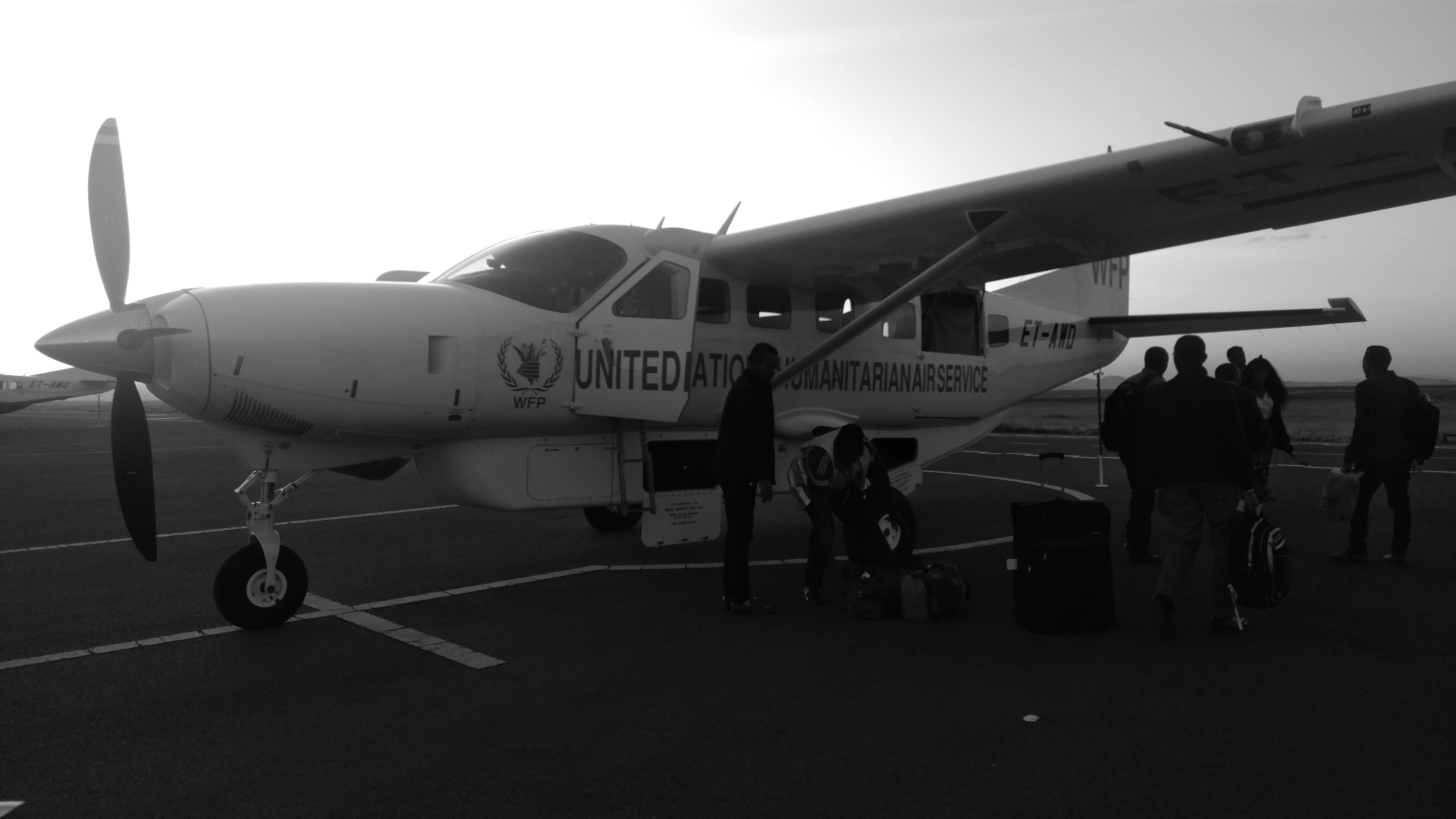
The UN plane I took to visit Dolo Ado, Ethiopia on the Somalia border in March of 2019.
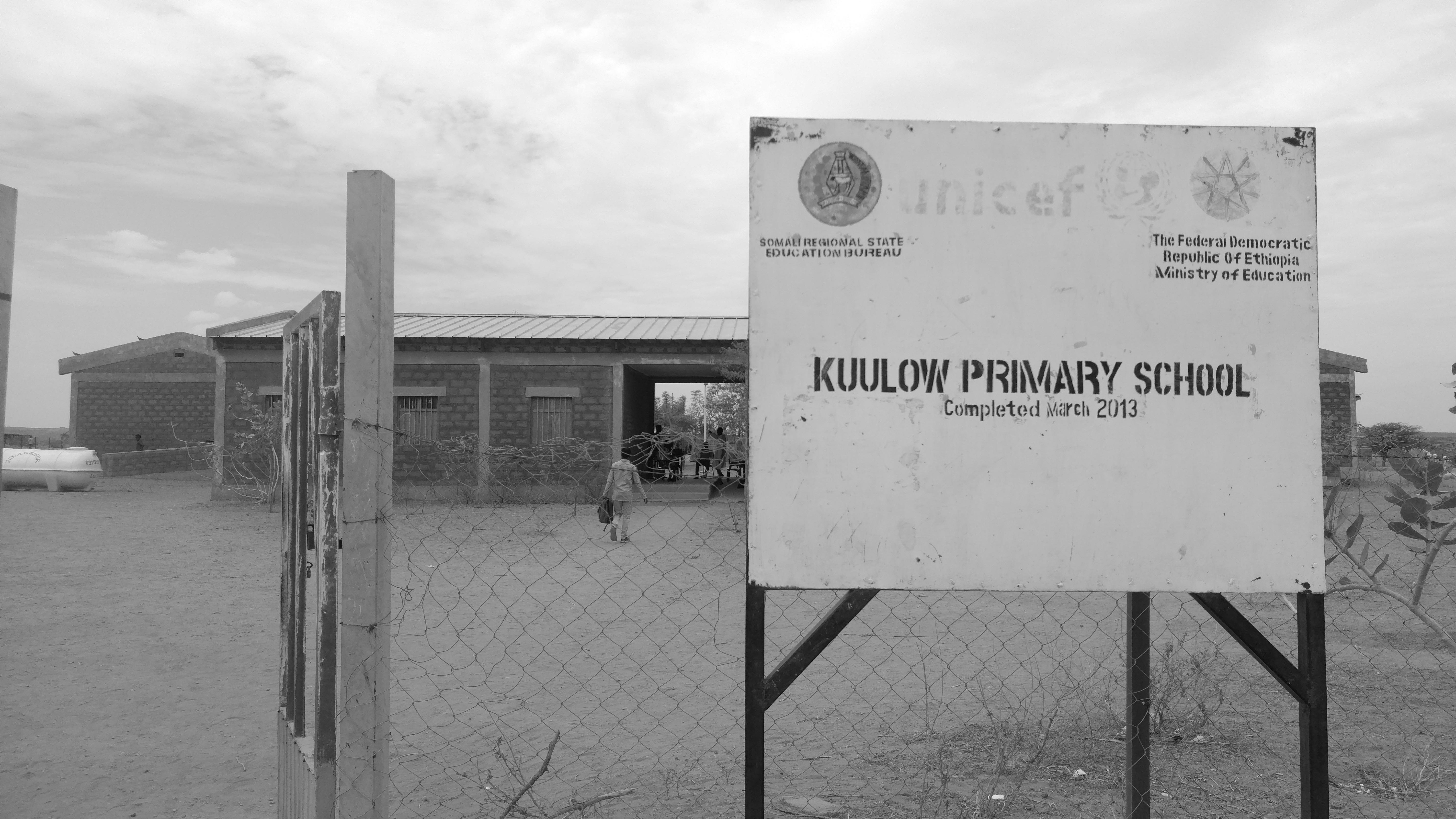
One of the schools for refugees (internally displaced Somali Ethiopians, as well as Somalians from Somalia) in Dolo Ado, Ethiopia that I visited in 2019
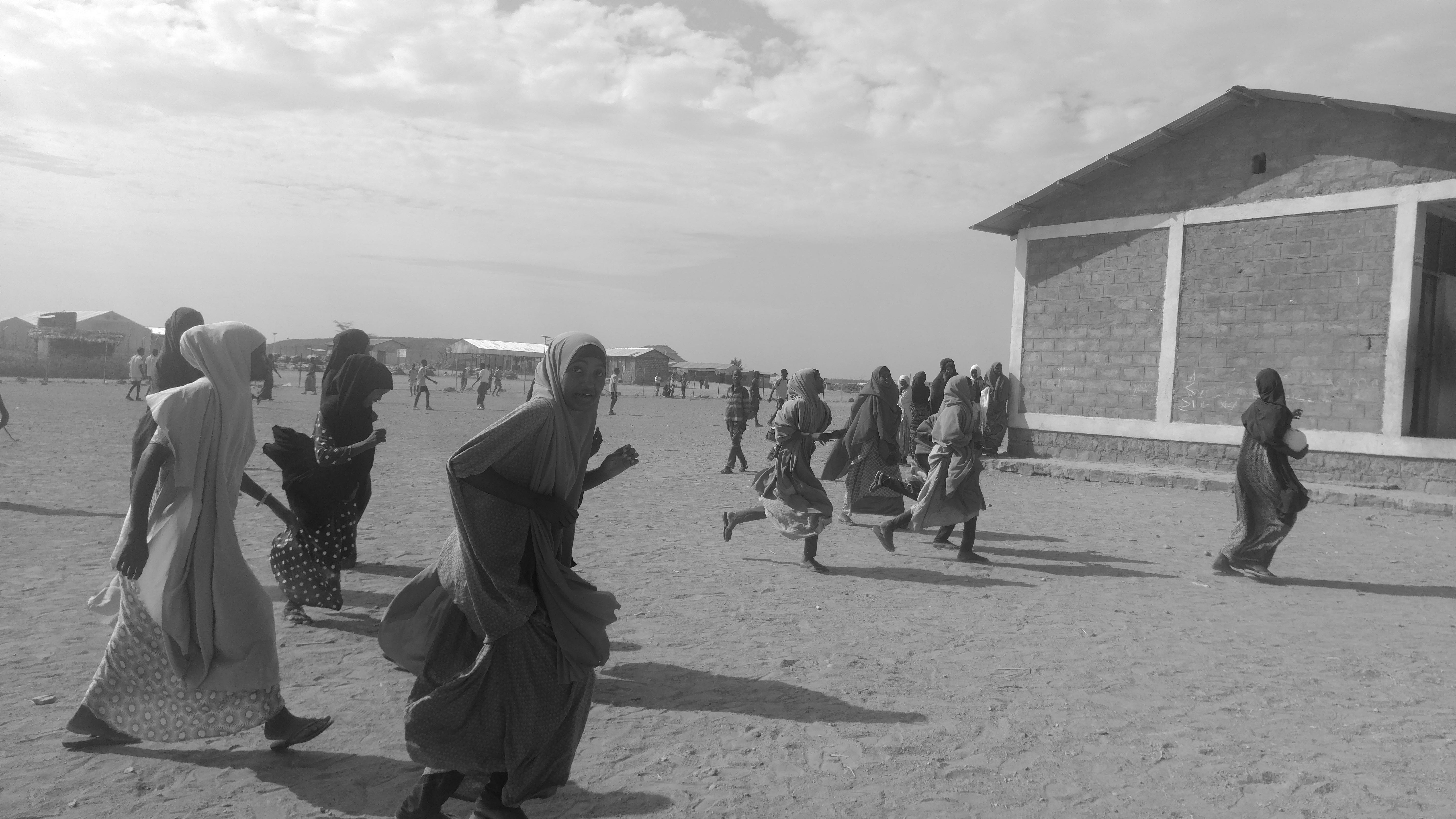
Children at the school in Dolo Ado
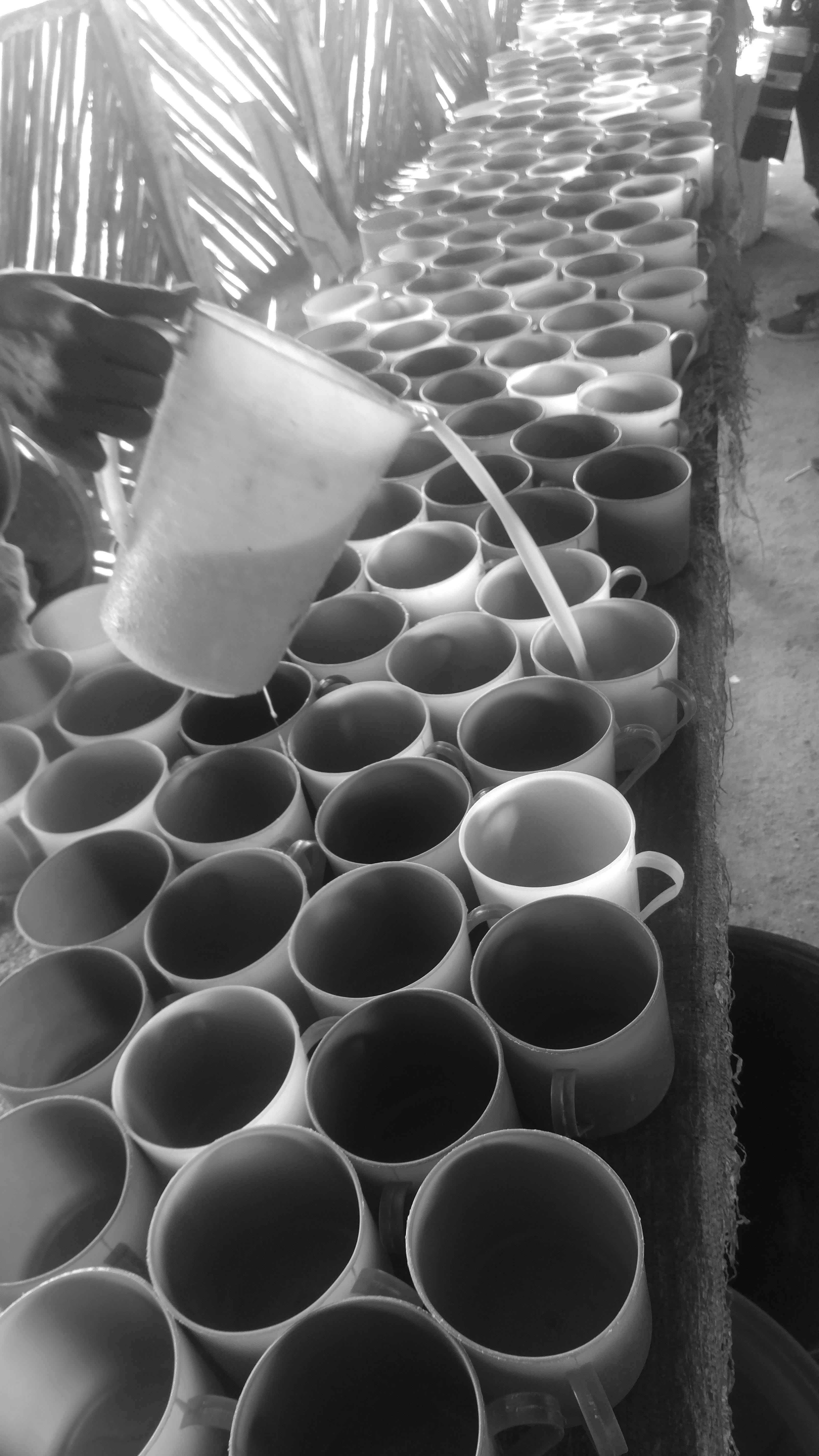
School feeding by WFP at the school I visited in Dolo Ado (porridge in plastic cups)
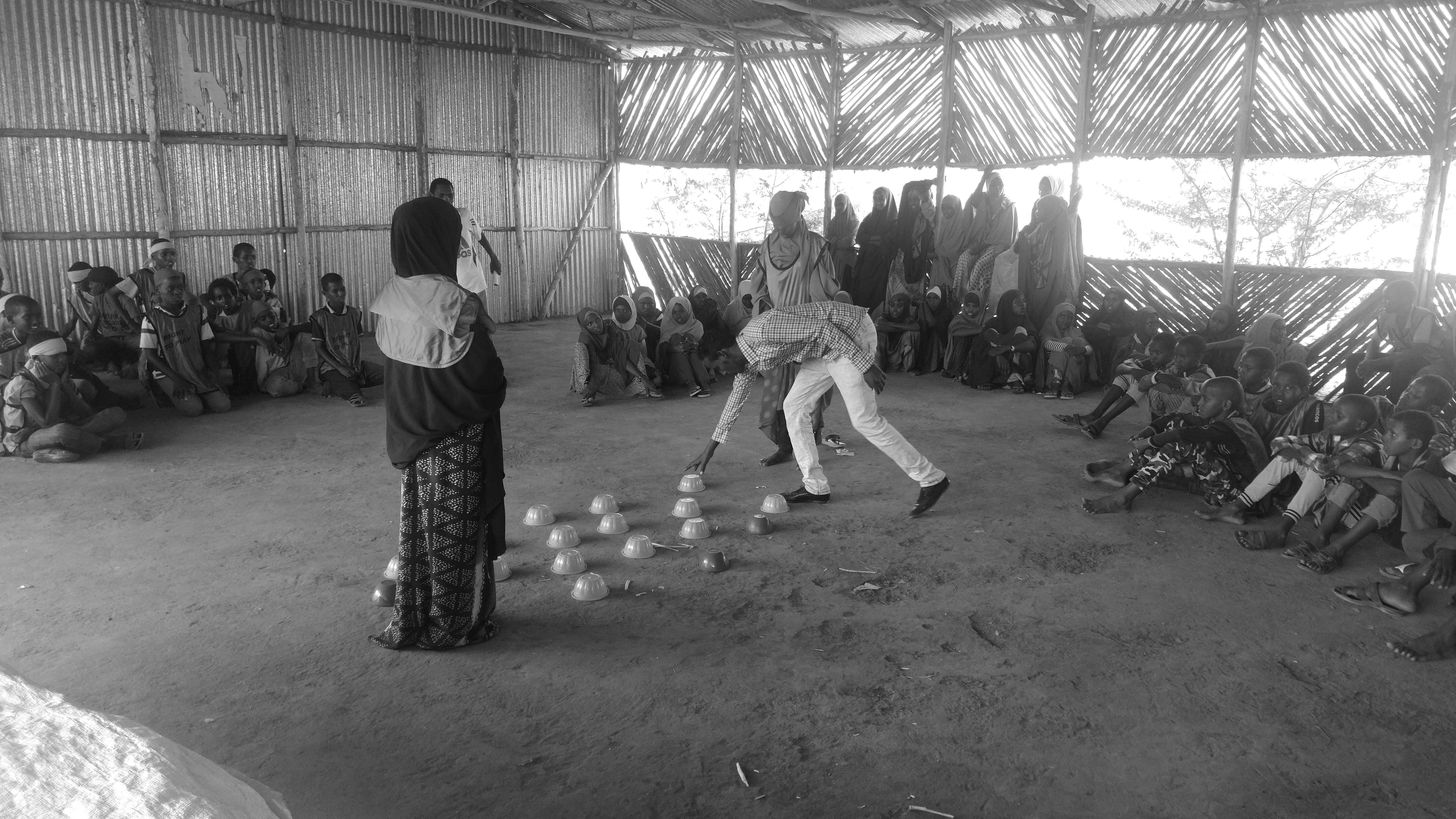
Education activities at a UNICEF-supported school in Dolo Ado refugee camp
Comments
Nothing yet. Say the first thing.
Sign in to join the conversation.