
In high school, I told myself a small, persistent lie – one that I’d continue to repeat for years as if repetition alone could will it into truth. I’ll get over it.
I’d apply it indiscriminately: to grades that disappointed me, to failed relationships that unraveled, to friendships that expired. I believed, with a kind of naïve optimism, that time would perform some quiet magic – that one day I would wake up untouched by the things that once split me open. After all, time heals all wounds.
Now, years later, sitting with the high school friends I grew with instead of away from, the lie exposes itself. When my former best friend from 11th grade is mentioned, my throat tightens, as if suddenly swelling from an allergen. The bitterness returns, familiar and sharp. I’m suddenly transported back to AP Lit, asking her why she hadn’t returned my texts. She tells me it’s because I was a shitty friend.
Still, to this day, I’ve never heard a sentence spoken with so much venom.
My ears ring so loudly I can’t hear whatever justification follows. My face burns and I feel like everyone is staring. My hands shake, palms clammy and slick with sweat. I walk to my next class nauseous enough to believe I’ll throw up in the hallway. At seventeen, I learned how words can sever you and how long they can live in the body after the moment passes.
For a long time, I believed “getting over it” meant waking up one morning and feeling magically okay. I would no longer resent the text that went unanswered. I would no longer feel a dull ache when certain names surfaced. But maybe that nausea I felt at 17 didn’t completely dissipate in the way I thought it would. Instead, it transformed and softened into something bearable. I used to think being “over it” meant no longer thinking about these people who once (and still) defined chapters of my life. But I do think about them. I still remember the stomach knots, the stirred anxiety, the numbing depression. Memory doesn’t obey the rules we set for it.
Over time, I’ve learned that healing isn’t linear in the way I once hoped it would be. Some days, I feel unrecognizably far from the person I used to be. Other days, I regress into her. I feel the heartbreak I thought I healed. The stomach ache I thought I remedied. I think about those initial days that follow after losing someone – a friend, a lover, a family member. The mornings when applying mascara feels impossible because I keep crying it off. The afternoons spent horizontal, staring at the ceiling, feeling sickeningly sorry for myself. The nights replaying every conversation, every fight, wondering if scorched earth is all I have left now. Eventually, I learned how to apply mascara again. I returned to productivity. I slept through the night. The pain dulled, and sometimes I noticed that and felt guilty, as if healing was a betrayal. As if temporarily forgetting meant I didn’t care enough.
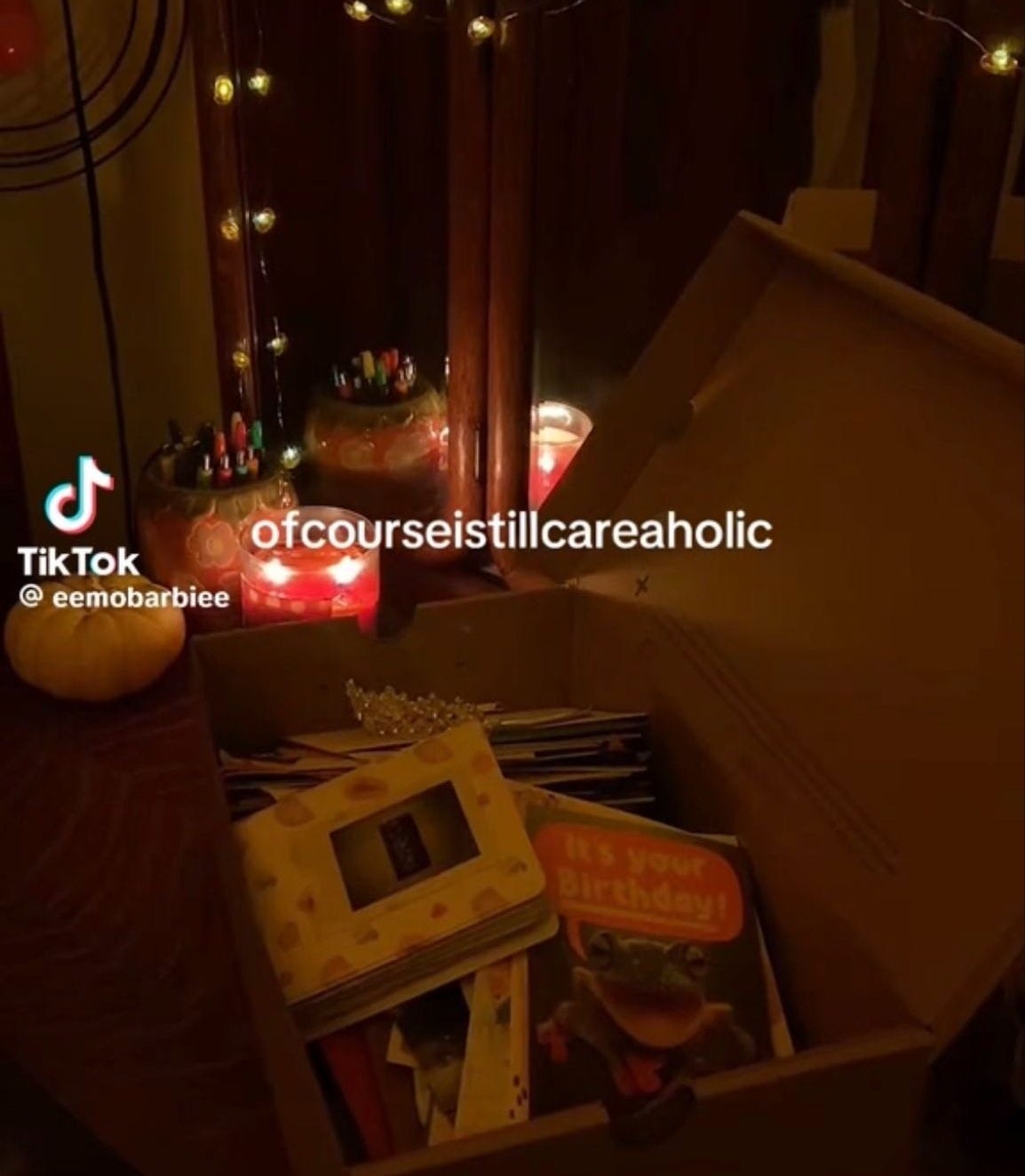
I’m deeply nostalgic. Maybe more than most. I’ve kept every note, every mixtape, every book that’s been gifted to me, even the ones I’ll never read. It’s not as if I keep a shovel eager to exhume old wounds, but I apologize far too often for “beating a dead horse.” If I’m not careful, I can lose entire afternoons wandering down Memory Lane.
I think about the intimacy I’ve shared with past friends and lovers: the honest nights confessing thoughts I didn’t know existed until I said them aloud, the silent comfort of someone carrying burdens I couldn’t, the laughter so hard my cheeks felt like steel, the reassurance of a thumb rubbing circles against my hand, the future plans made because how could we ever fathom living separate lives? It’s always been difficult for me to accept that after touching my bare skin and hearing my naked thoughts, these tender moments were only ever temporary.
I memorized eye colors. Shirts worn religiously. The way curls fell. Phrases people coined. I have never forgotten them; they’ve simply gone dormant, waiting to reemerge when I catch a glimpse of them again. In another person. Or in myself.
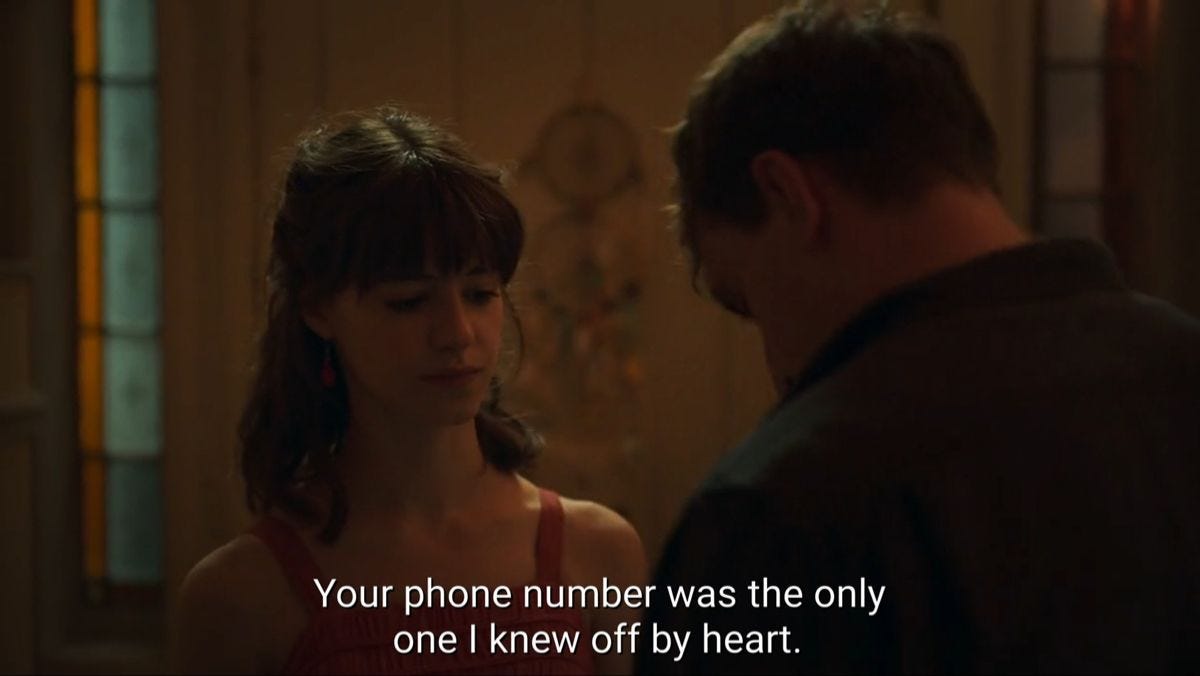
I think about how relationships don’t just shape our lives – they shape our self-perception. We’re all mirrorballs, reflecting the people we’ve loved, lost, hated, and held onto. We mutter a phrase of a former friend or make a joke, realizing the person who would have laughed the hardest is someone we no longer speak to. I’ve never been someone who moves on easily. I think about people I no longer speak to nearly every day – not emotionally, sometimes just factually. A passing thought. A quiet curiosity about how someone is doing. And I wonder if that’s what “getting over it” actually looks like. Maybe it’s melancholy dissolving into something softer. Neutrality instead of erasure.
We place so much pressure on ourselves to follow a healing timeline. To truly be unfazed as if grief, love, and memory are appointments we’re expected to outgrow on a schedule. But isn’t it stranger to fake pleasantries with people who once treasured your entire being? Maybe this part of myself – the one I keep praying will fade – isn’t a flaw at all. Maybe it’s the strongest part of me.
And maybe it’s okay to mutter, “Of course I still care.”
If you’d like to support me and my writing, you can consider buying me a coffee :)
Comments
Nothing yet. Say the first thing.
Sign in to join the conversation.