
We stand at a fragile crossroads between reality and hope. Political Islam continues to exploit the cracks in our society, spreading lies that seek to divide us. What happens far away doesn’t stay there. It filters into our neighoods, our campuses, our faith communities, and even our media — shaping how America talks about Jews, about Israel, and about truth itself.
Even in the shadow of uncertainty, we hold onto fierce hope. On Monday, the remaining hostages are expected to return home at 12 p.m. Israeli time. President Trump will arrive in Israel simultaneously, having brokered Phase One of the Peace Plan — a plan that includes the return of twenty living hostages, the release of roughly 2,000 terrorists from Israeli jails, the implementation of a withdrawal line, and the continued flow of humanitarian aid into Gaza. These steps are monumental, but they are not the end of the story.
The first phase of the peace plan begins with something deeply human — the return of twenty living hostages and the bodies of those who were murdered. These are not just numbers or diplomatic milestones; they are names, families, and souls. And when the cameras are off, they will continue to wake from the hell they just endured.
In Judaism, returning a body to the ground is sacred. It allows the soul to begin its final spiritual journey and the family to begin the process of mourning. In a war defined by dehumanization, restoring this basic dignity is both a moral and national imperative. For two years, Israeli families have lived in suspended anguish — waking each morning with the same prayer: bring them home. The return of even one hostage represents the restoration of humanity against an enemy that sought to erase it. This moment, while laced with unbearable grief, is a sacred beginning — a sign that the Jewish spirit remains unbroken.
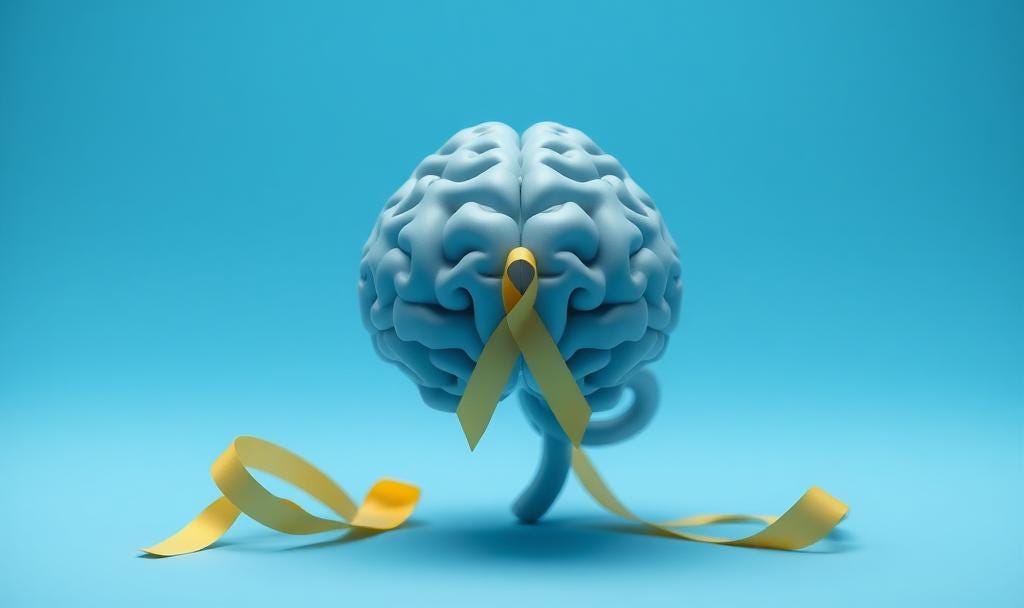
Israel today is a nation under the weight of collective trauma. From the survivors of the massacre to the families of the fallen, from the soldiers defending the borders to the civilians who carry on daily life amid constant alerts, there is not a single person untouched by October 7th. A tsunami of PTSD has swept through Israeli society. Therapists on the front lines are treating an entire population in shock. The trauma of captivity, of witnessing barbaric acts livestreamed to the world, cannot be undone by politics. Healing will take time, patience, and truth — truth that rejects the propaganda attempting to rewrite the events of that dark day.
Even as Phase One of the plan unfolds, many questions remain — questions that Israel, as a sovereign nation, is navigating with care. Experts, diplomats, and military leaders are working through the complex realities of governance, security, and disarmament, while analysts around the world rush to comment and predict outcomes. These questions are about more than policy; they are about doing what is right. Real peace requires accountability.
In this moment, I return to basic truths:
The cycle of violence must end, not merely pause.
Standing for life is never extremism; it is moral leadership.
Clarity is not division — it is the foundation of unity.
We must safeguard our communities here in the West, because this war has breathed new life into forces determined to fracture our nation from within.
This is not the end.
The real work begins now — to hold leaders accountable, to prevent bad actors like Zohran Mamdani from gaining political access, to dismantle the BDS movement and its NGOs of hate, depoliticize children’s curriculums, build broader coalitions grounded in truth, and to transform hope into lasting peace.
For those who wish to support the survivors and families affected by this war, there are Israeli organizations on the front lines providing mental health care and PTSD treatment. Contributing to these outlets is a tangible way to honor the hostages’ return and invest in the long road of healing:
NATAL – Israel Trauma and Resiliency Center: A leading nonprofit specializing in trauma treatment and resilience for victims of terror and war. NATAL offers multidisciplinary treatment and support to direct and indirect victims of trauma.
Donate to NATALMetiv – The Israel Psychotrauma Center: Israel’s leading expert in trauma, providing treatment, training mental health professionals, and supporting communities to help children and adults cope with varying levels of trauma.
Donate to MetivEnosh – The Israeli Mental Health Association: The largest mental health organization in Israel, providing critical support to tens of thousands of individuals and families affected by trauma.
Donate to EnoshBrothers For Life: Founded by injured Israeli veterans, BFL empowers wounded soldiers through peer support, medical assistance, financial aid, and community engagement. Their PTSD Project offers tailored support for those struggling with the invisible wounds of war.
Donate to Brothers For Life
The real work begins now. - AR
Comments
Nothing yet. Say the first thing.
Sign in to join the conversation.