
Lately, I haven’t really been feeling ✨called✨ to write. So naturally, I got addicted to posting on TikTok. And now, as the dopamine rush from my cat going viral softly subsides—while most of my other posts stay squarely in 400 view jail—I come crawling back to ye olde Substack with a little stream of consciousness for you because why not.
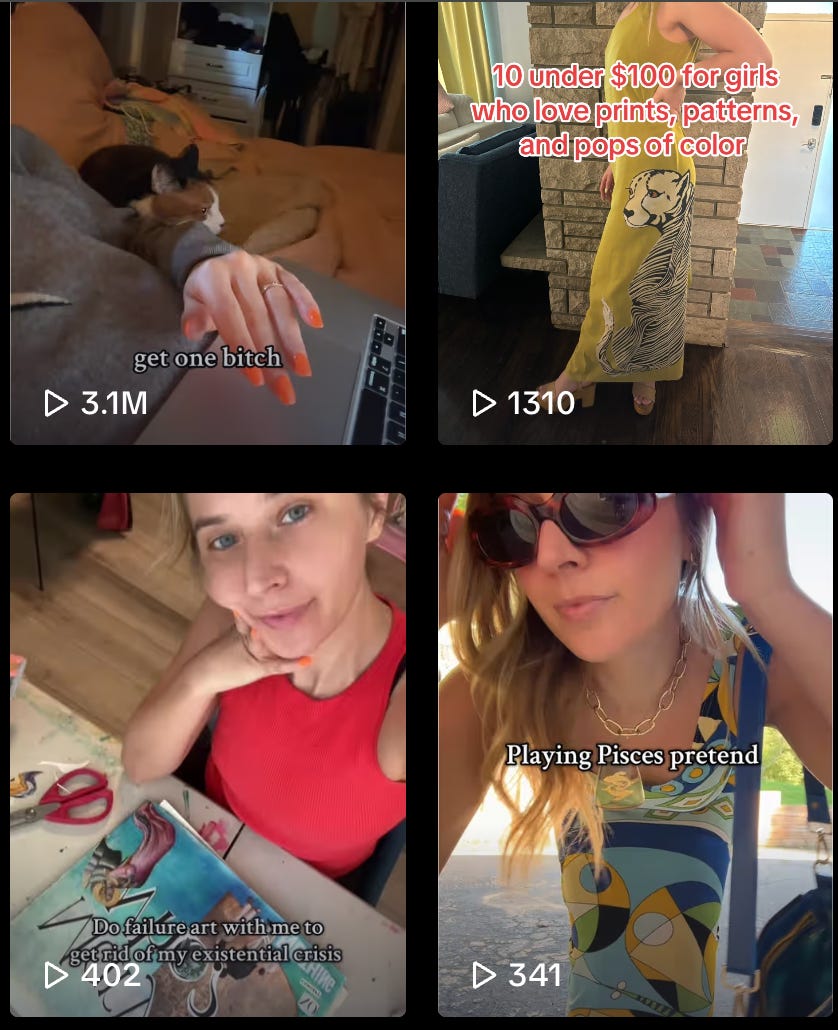
I’ve recently gone to a place of woo-woo recently trying to figure out what to do with my life. Do not recommend. Because the more I go inward to find my why, the more confused I become about my identity and how I want to show up in the world.

In reality, I know what I want. But do I have the drive? The expertise? The talent? Proof that I’m not just basing my goals on lifestyle envy? I don’t know. I sure as hell don’t have a plan. And the tarot, astrology, and philosophy aren’t going to do that part for me. Maybe that’s why I keep going back to the what and the why to ruminate.
To make matters more confusing, I’ve been pretty set on the idea of not having children my whole life until now. So that’s fun!
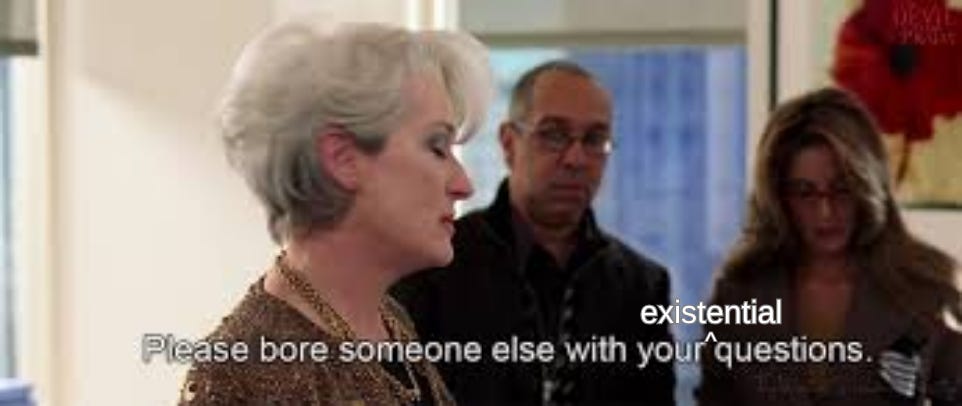
Speaking of Devil Wears Prada, I was inspired by internetanthropology on TikTok to start looking into why some pop culture, media, and styles resonate with me and why some do not. And as the now-expert, here’s a quick breakdown on the strategy behind the upcoming sequel and their incredibly off-putting BTS promo:
This movie is happening because nostalgia sells in late-stage capitalism. Why else do you think Backstreet Boys are doing a summer residency at The Sphere?
Postmodernism, or, the Cultural Logic of Late Capitalism. James Frederic, 1991.
But people walking into the film with high expectations based on the magic of the first film will be utterly disappointed.
Expectation Disconfirmation Theory. Richard L. Oliver, 1993
The marketing team knows this, which is exactly why they’re waterboarding us with all these production snaps instead of simply waiting to wow us with real marketing. Because the more we see these early glimpses, the more familiar it feels, the more we start to like it.
Mere Exposure Effect. Robert Zajonc, 1968.
I mean, I was never not not going to see it. So I have no choice but to stan.
On the flipside, an equally passionate but un-researched rant I’ve been going on lately is all about the Cool Girl trend. Why has she seemingly replaced It Girl as the aspirational archetype marketed and sold to women via corporations and small creators alike? Let’s dive into a little herstory to find out.
The Cool Girl and all her variants were exposed in Gillian Flynn’s iconic novel Gone Girl in 2012, and later on our screens in 2014.
“Men always say that as the defining compliment, don’t they? She’s a cool girl. Being the Cool Girl means I am a hot, brilliant, funny woman who adores football, poker, dirty jokes, and burping, who plays video games, drinks cheap beer, loves threesomes and anal sex, and jams hot dogs and hamburgers into her mouth like she’s hosting the world’s biggest culinary gang bang while somehow maintaining a size 2, because Cool Girls are above all hot. Hot and understanding. Cool Girls never get angry; they only smile in a chagrined, loving manner and let their men do whatever they want. Go ahead, shit on me, I don’t mind, I’m the Cool Girl.”
In this era, being earnest was in. I think this monologue had something to do with it.
It Girl-dom was tame in this millennial-driven time compared to the early 2000s, when party culture was rampant with rowdy women to proudly wear the title. But we still had up and coming celebrities pushing the boundaries of what it meant. Lady Gaga, Alexa Chung, Rihanna, Gigi Hadid, etc.
But as millennials aged out of the spotlight and our nonchalant Gen Z counterparts began to take center stage—Pick Me Girl was named and demonized. Effort, in any capacity, became cringe.
It Girl, always a little extra, didn’t stand a chance. Coolness—being effortless and unknowable—is now the way.
But there’s a difference between trying to look effortless and it happening naturally because you feel good about what you’re wearing. And also wearing something because someone else told you it’s cool vs. making that observation yourself. I fear most self-proclaimed Cool Girls are doing the former.
Here are some other things that I can’t stop thinking about lately in pop culture:
The concept of Matt Rife as the owner of the Warren estate and legal guardian of the Annabelle doll.
The concept of Ghislaine Maxwell being moved to the same low security prison as Elizabeth Holmes and Jen Shah.
The concept of being in a love triangle with two brothers AKA the plot line of The Summer I Turned Pretty—a show so bad, yet so dazzling that I’m now reading the young adult novels upon which it was based.
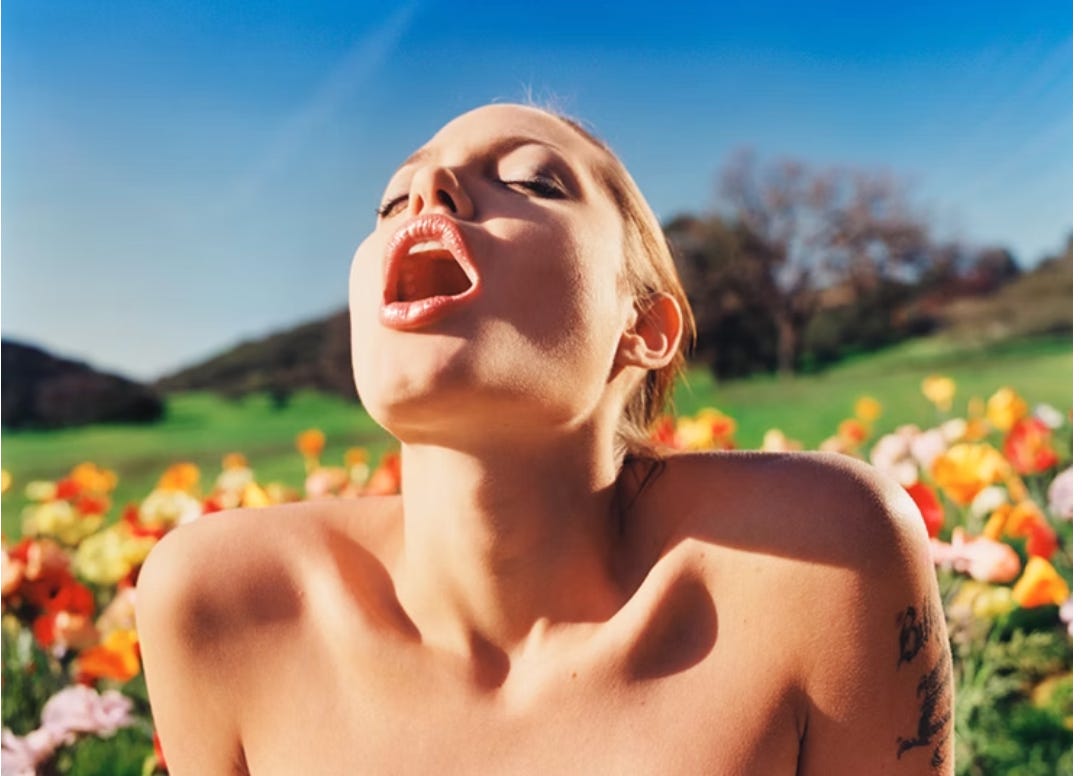
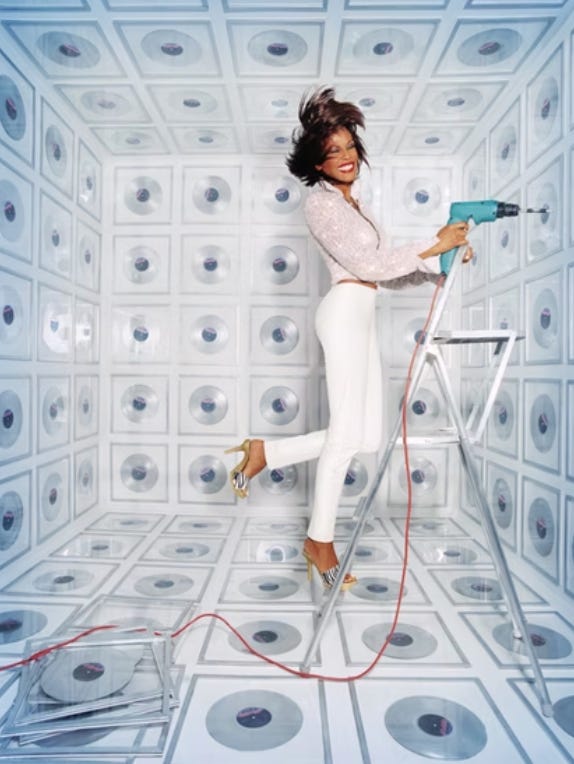
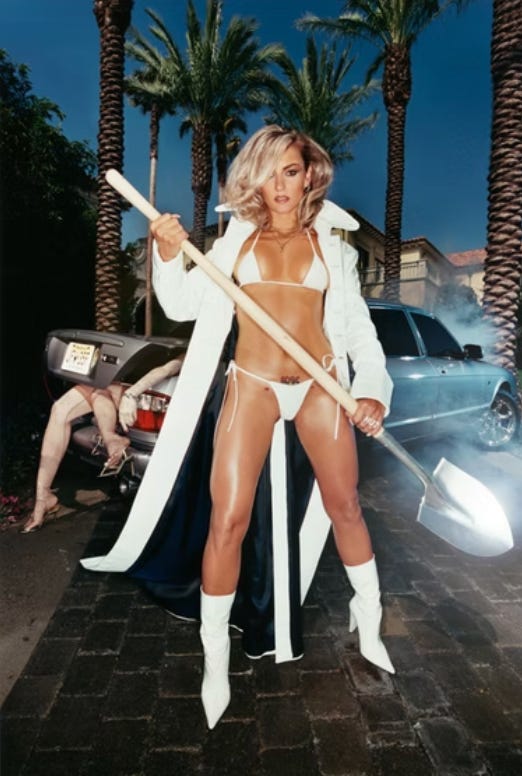
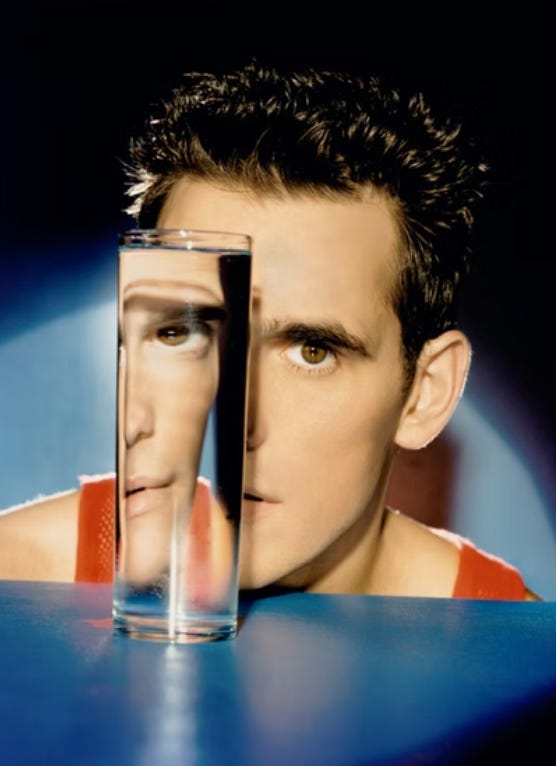
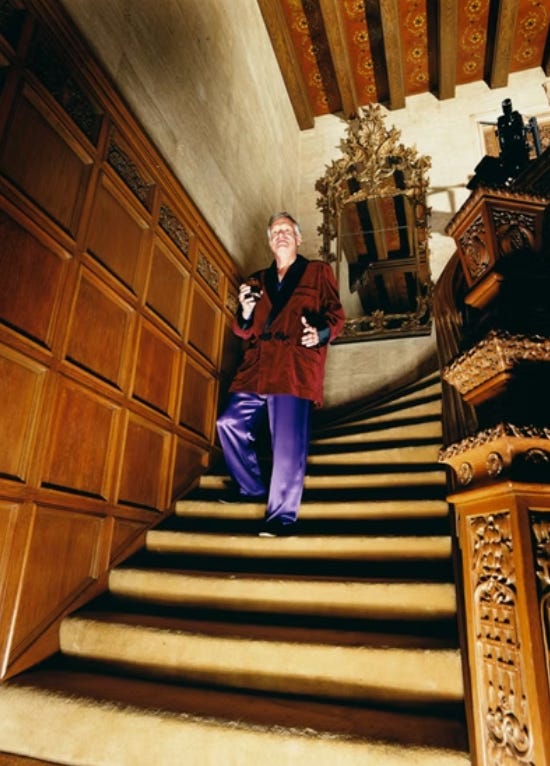
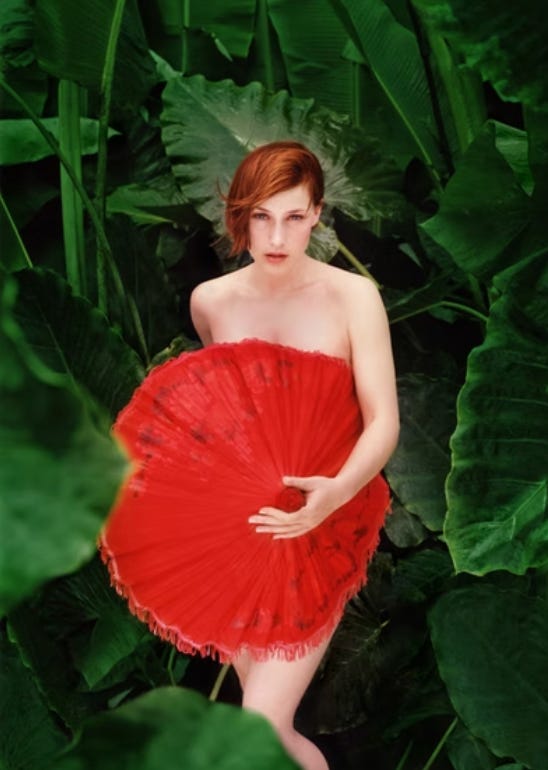
I realized that while I’m quite into art, I’m not really knowledgeable about it. So I’m attempting to learn more about the artists I’m drawn to—their style, influences, impact, etc. Starting with one of the few photographers I know by name, David LaChapelle.
Known for his kitschy love of pop culture and surreal sets, I’m particularly drawn to his portraits. They’re provocative and often fantastical, but surprisingly intimate and human. Which is your favorite?
No posts
Comments
Nothing yet. Say the first thing.
Sign in to join the conversation.