
0:00
-1:43:15
A discussion running from AI to Left-Handed Magic and a Latinized Kabbalah to the Cognitive Revolutions in biological history6 and AI Model Collapse

I would like to thank Leo M.J. Aurini for taking time out of his day to share a podcast with me and sit down for an interview. He engaged with me in some fascinating discussions regarding the Kaballah, Artificial Intelligence, the modern Cultural Zeitgeist, and more. Please tune in. Links to the additional content are below, as is a link to:

My YouTube channel (where the conversation is also hosted)
Leo (or Davis) Aurini’s YouTube channel
The following are additional links to related material that we discussed during the course of the podcast. I highly recommend examining several of them if you have the inclination or time.
Frontier Culture and Cowboy Mystics
American Superiority: A Lonesome Frontier Culture
·
Jul 4

Many years ago, I engaged with a series called “The Mythology of the American West,” where I was presented with an interesting analysis: the divergence between the words “Lonely” and “Lonesome.” According to the discussion, “Lonely” holds a decidedly negative connotation. Lonely means that a person feels cut off, separated from others, and socially isol…
Unified Model Collapse Theory
To Be Hero X, the first set of popular works that approaches social media as a real philosophical force of human culture.
The Book Theurgia
The work of John Carter in coining the term Sand Demon to describe AI systems.
The work of Feral Historian who is one of the most interesting internet cranks out there, though most of his work is on youtube under his youtube channel (of the same name) where he produced an excellent review of Camp of the Saints.
The book Starmaker as a post-materialist form of spiritualism in the way that it approaches the question of divinity over galactic time scales.
The book Camp of the Saints as the most important piece of dystopian fiction of the late 20th century.
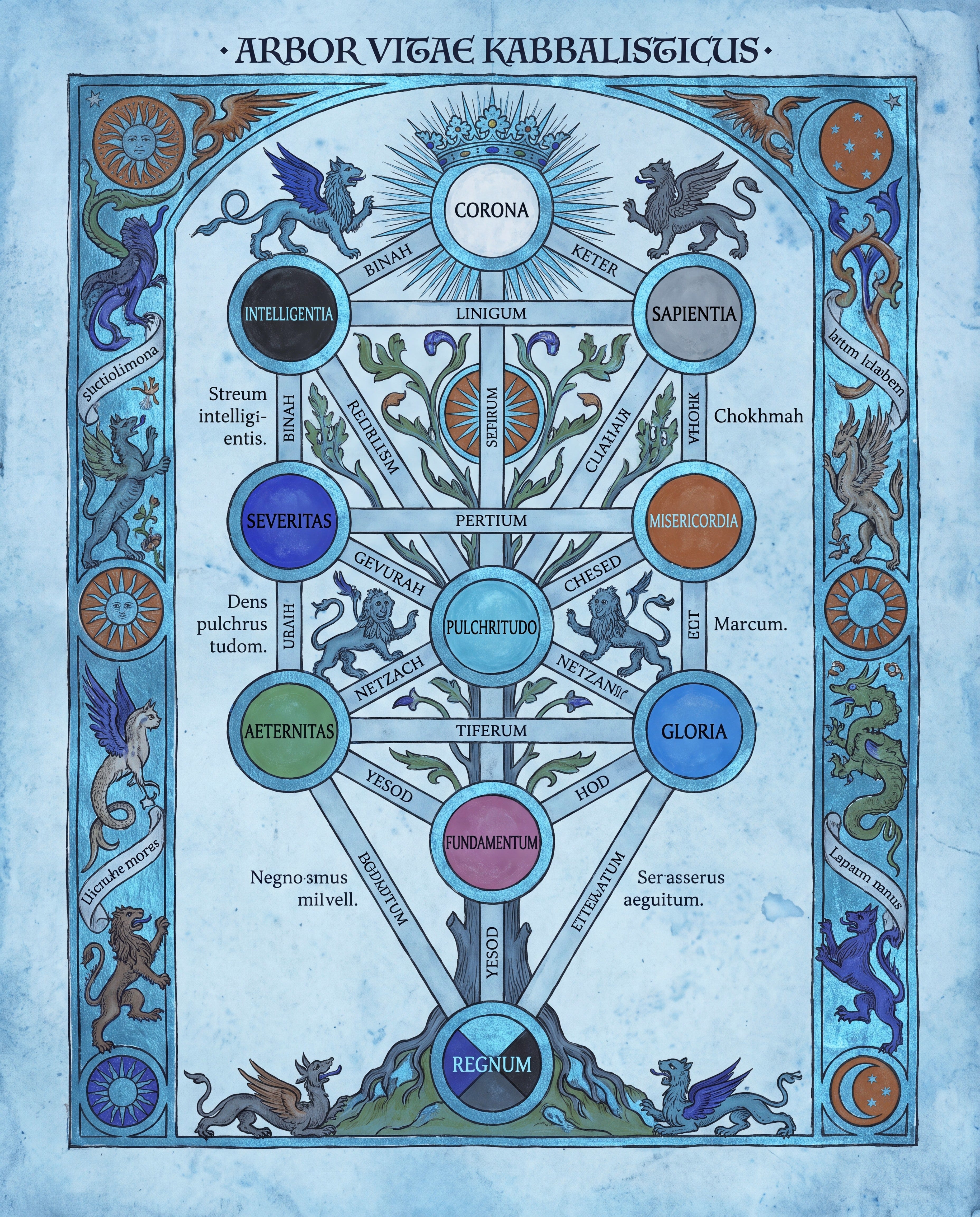
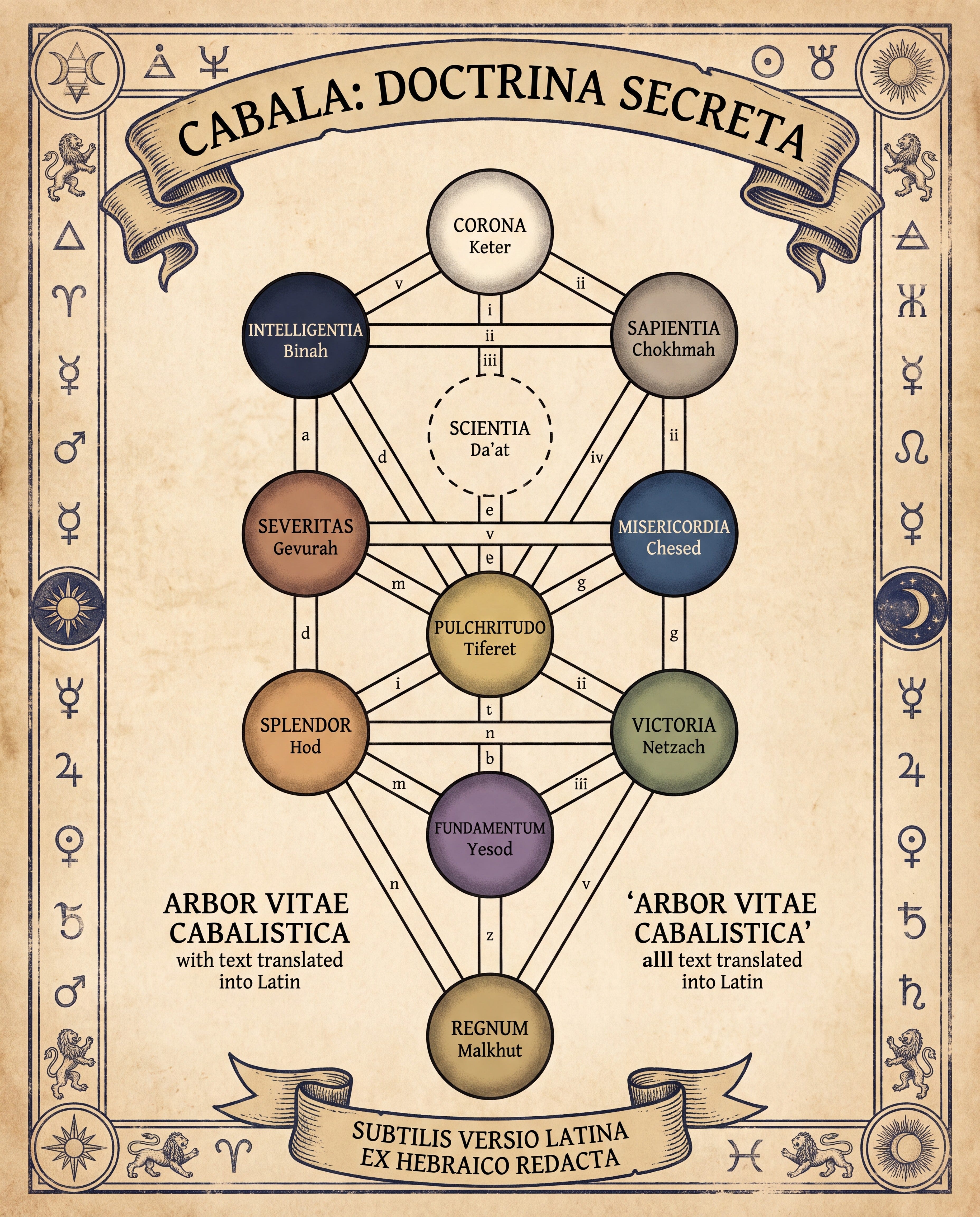
These two images were generated during the conversation discussing latinized translations of the traditional Kaballah.
Comments
Nothing yet. Say the first thing.
Sign in to join the conversation.