Quarter-End Is a Tail Event
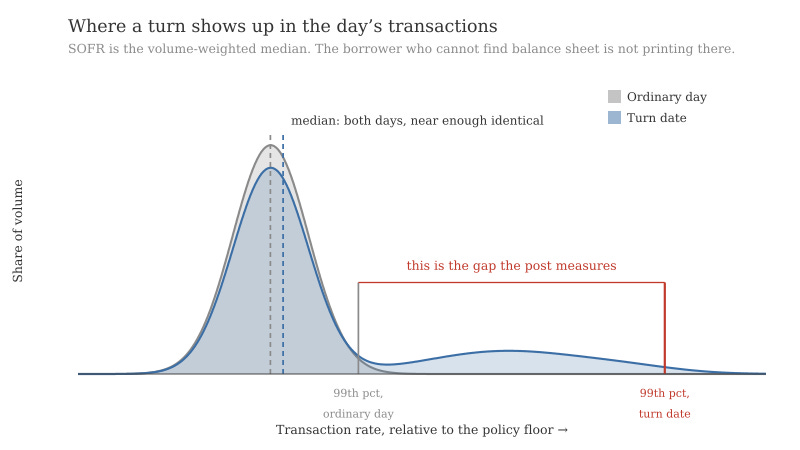
[WITH CODE] Quarter-end funding pressure measured in the tail of the SOFR distribution rather than the middle

A curated newsletter featuring recent academic papers on financial markets, economics, and quantitative finance.
Live Last read · last published · next check
[WITH CODE] Quarter-end funding pressure measured in the tail of the SOFR distribution rather than the middle
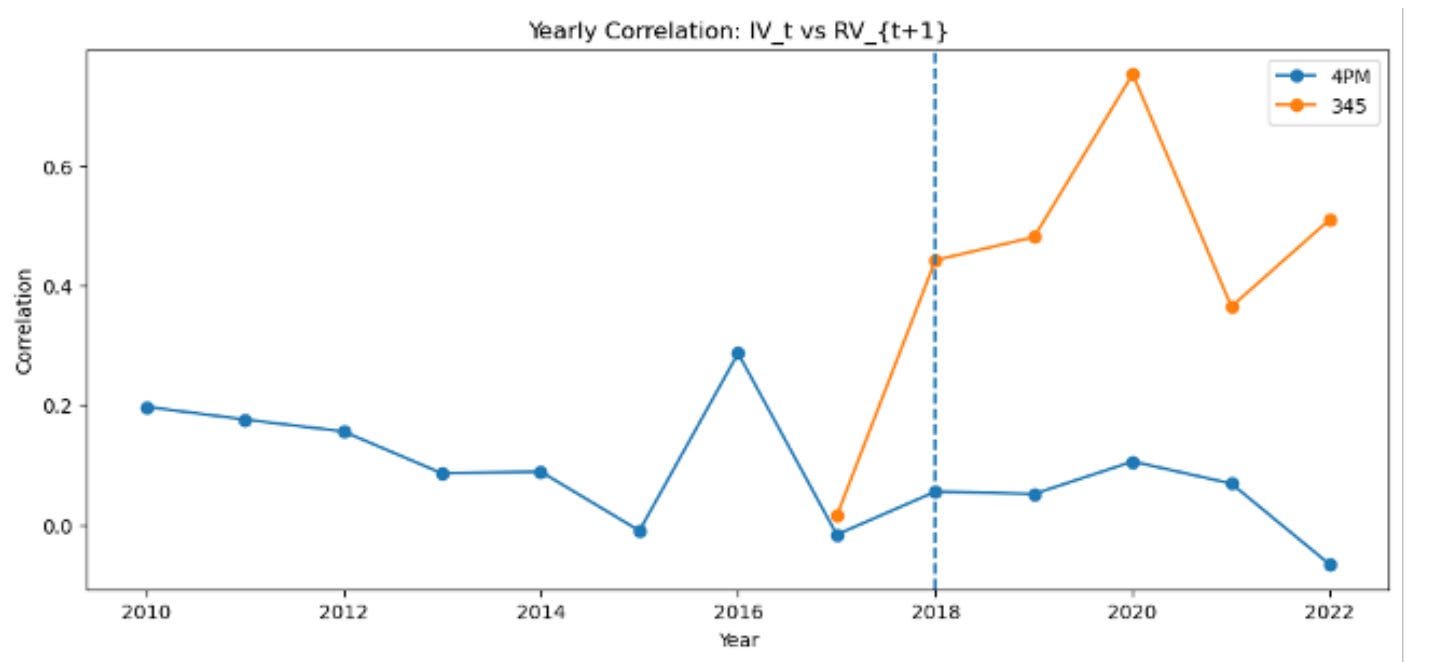
Closing-bell volatility measurement failures, repo borrowing inelasticity, compute-network funding fragility, and ESG ratings versus carbon performance
[WITH CODE] During the 2024 election, a $4 billion prediction market moved next-day returns in bank stocks, the dollar, and Treasuries. A deep dive into what it actually reveals.
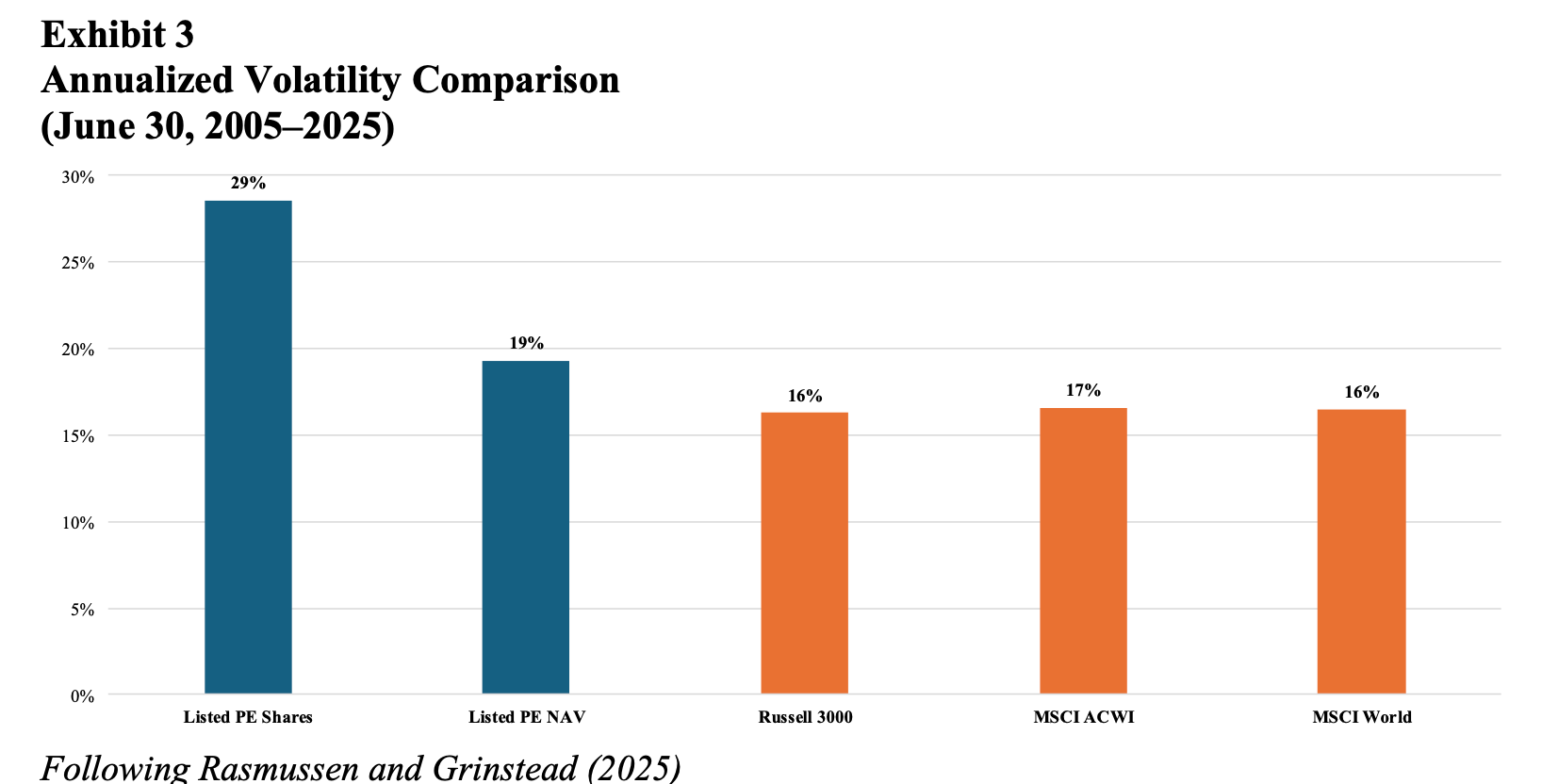
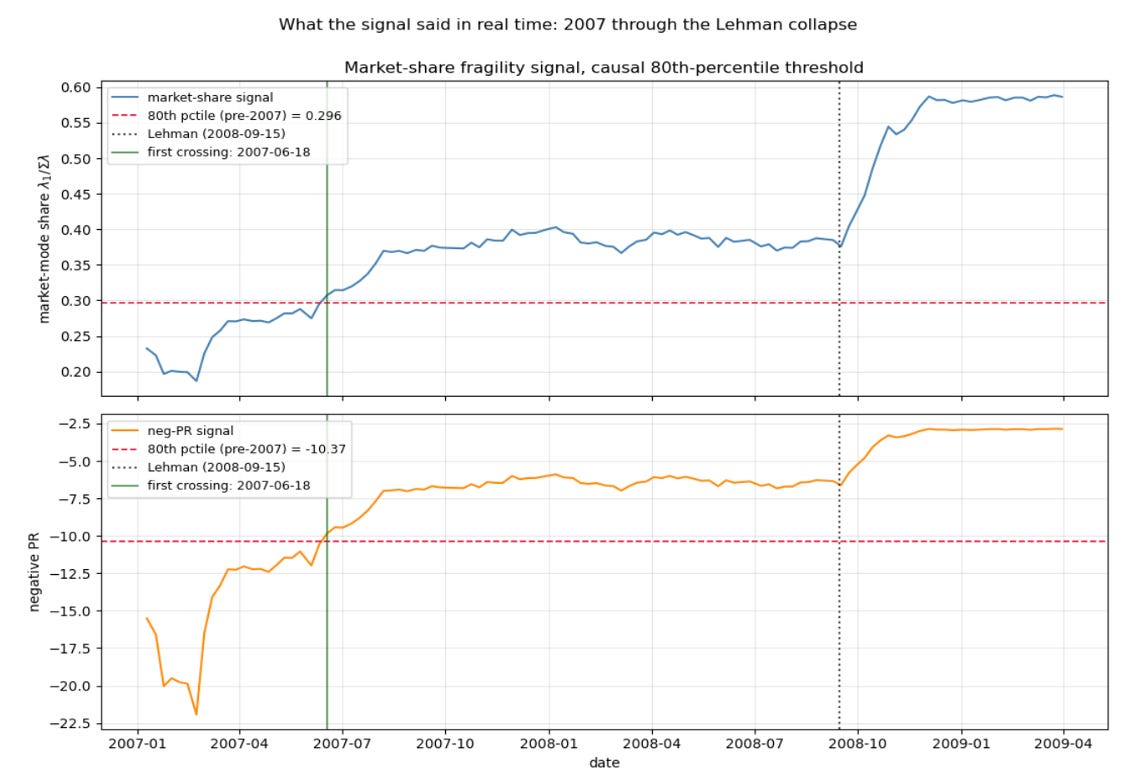
A breakdown examining private equity valuation illusions, decoupled market volatility parameters, optimal constrained pairs trading, and topological early-warning crash signals.
[WITH CODE] Twenty years of the G10 carry trade returned nothing. The average is hiding two regimes, and only one of them is worth holding.
Multifractal option mispricings, dealer inventory constraints, climate attention bond premiums, and language model signals under frictions
Exploring the spectral collapse of the equity cross section across the 2008 and 2020 crashes.
Hello! If you have been reading Alpha in Academia for a while, you will know that the Thursday posts tend to go a little further than the weekly paper summaries. Sometimes I implement a strategy. Sometimes I replicate a result, work through a model, or find that an interesting idea does not quite survive contact with the data. This page is where all of that work lives. I have also included the…
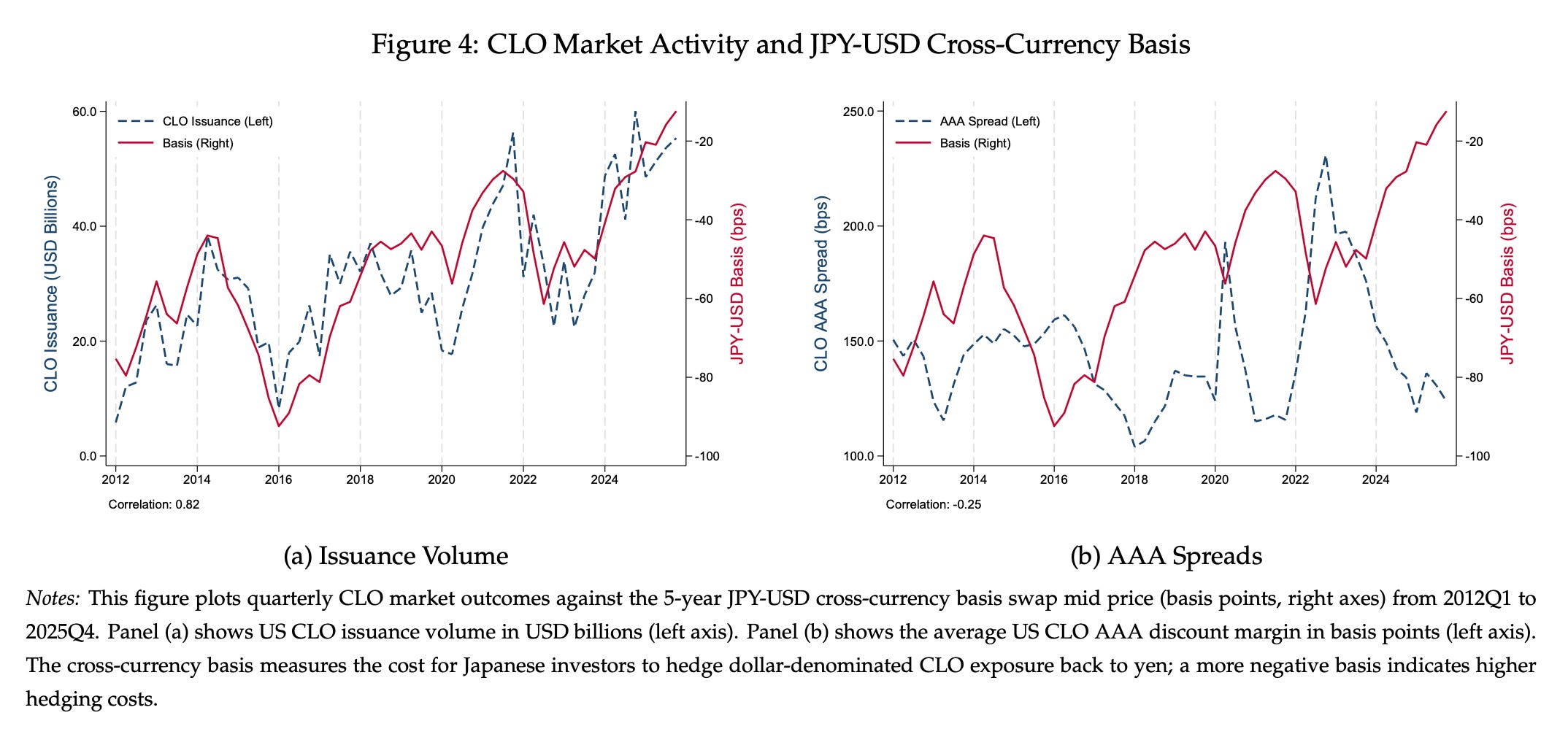
A dive into how non-equilibrium market dynamics, foreign funding spillovers, and machine learning nuances are reshaping quantitative trading and options pricing.
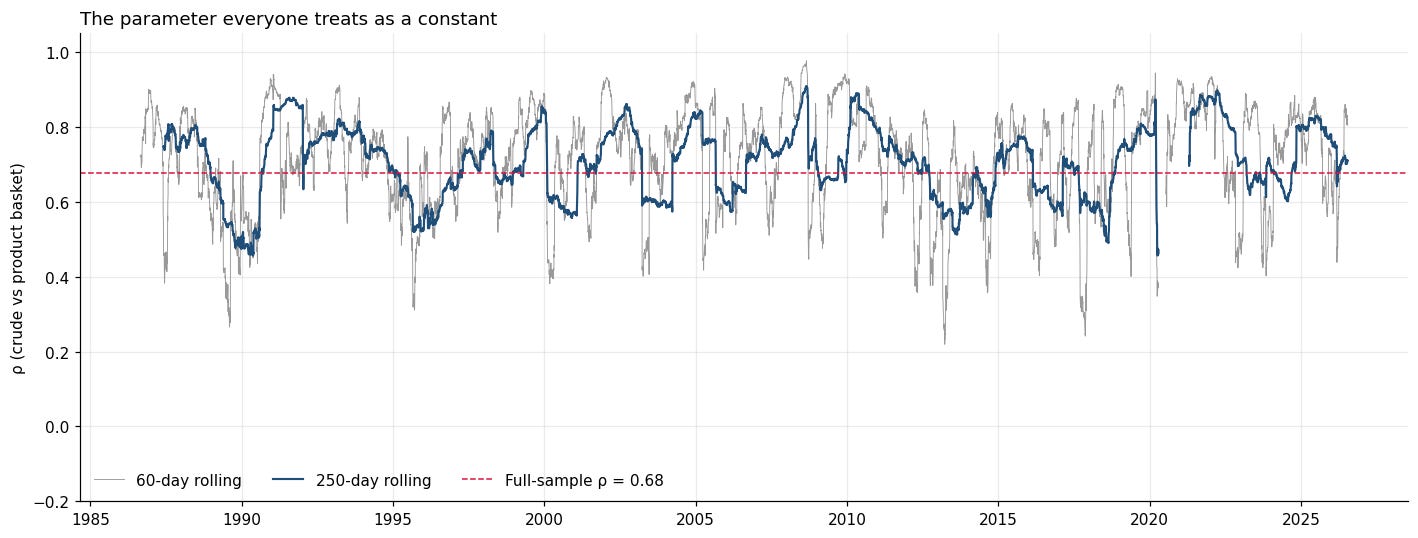
[WITH CODE] The same spread option, the same volatilities, the same everything, but worth drastically different prices depending only on a number you cannot look up.
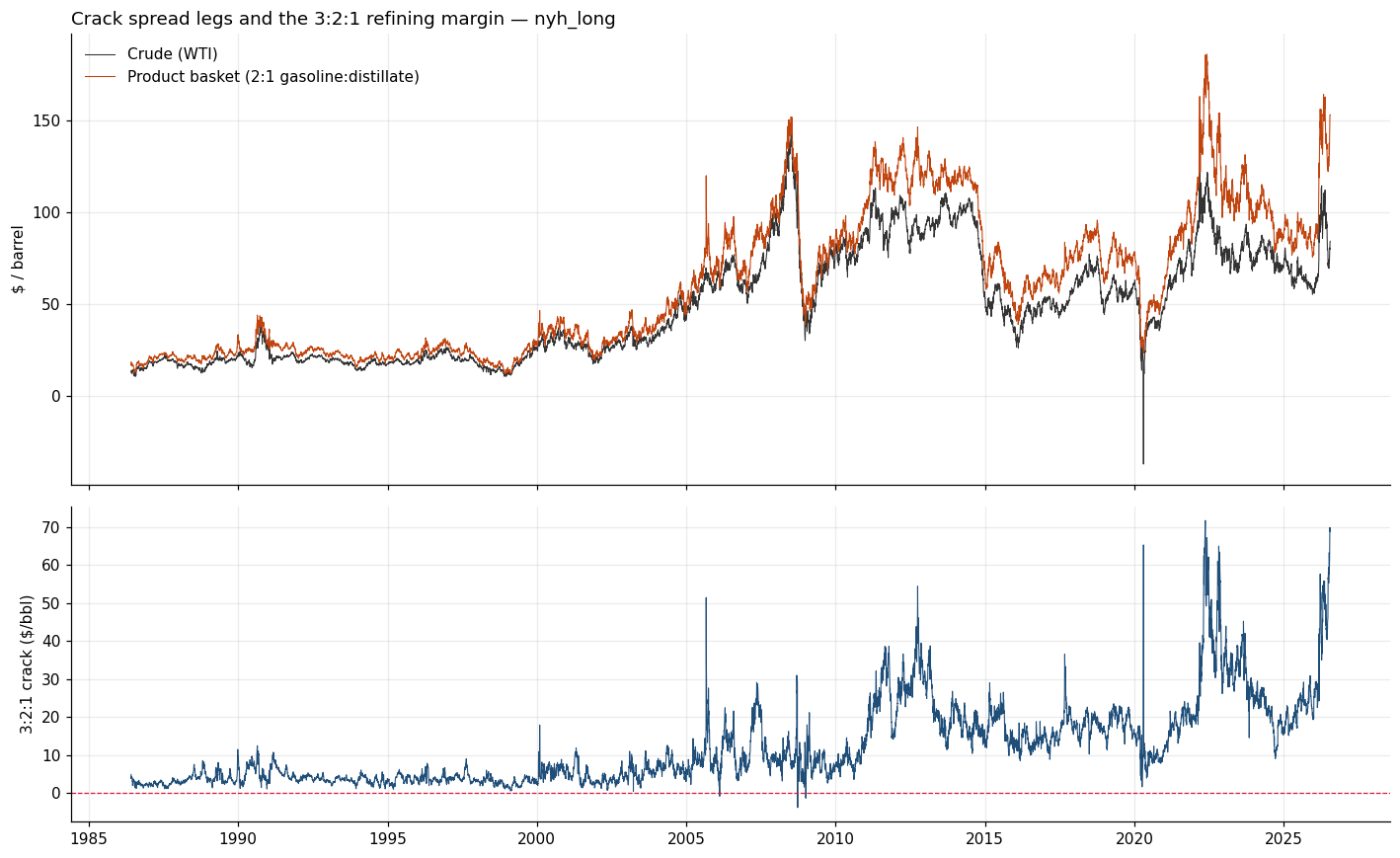
[WITH CODE] Black-Scholes cannot price the difference between two assets. Here is what actually can, tested against forty years of refining margins.
Bending currency-hedge triggers, corporate bond dealer signals, prior-anchored factor stability, and nonlinear oil tail forecasting
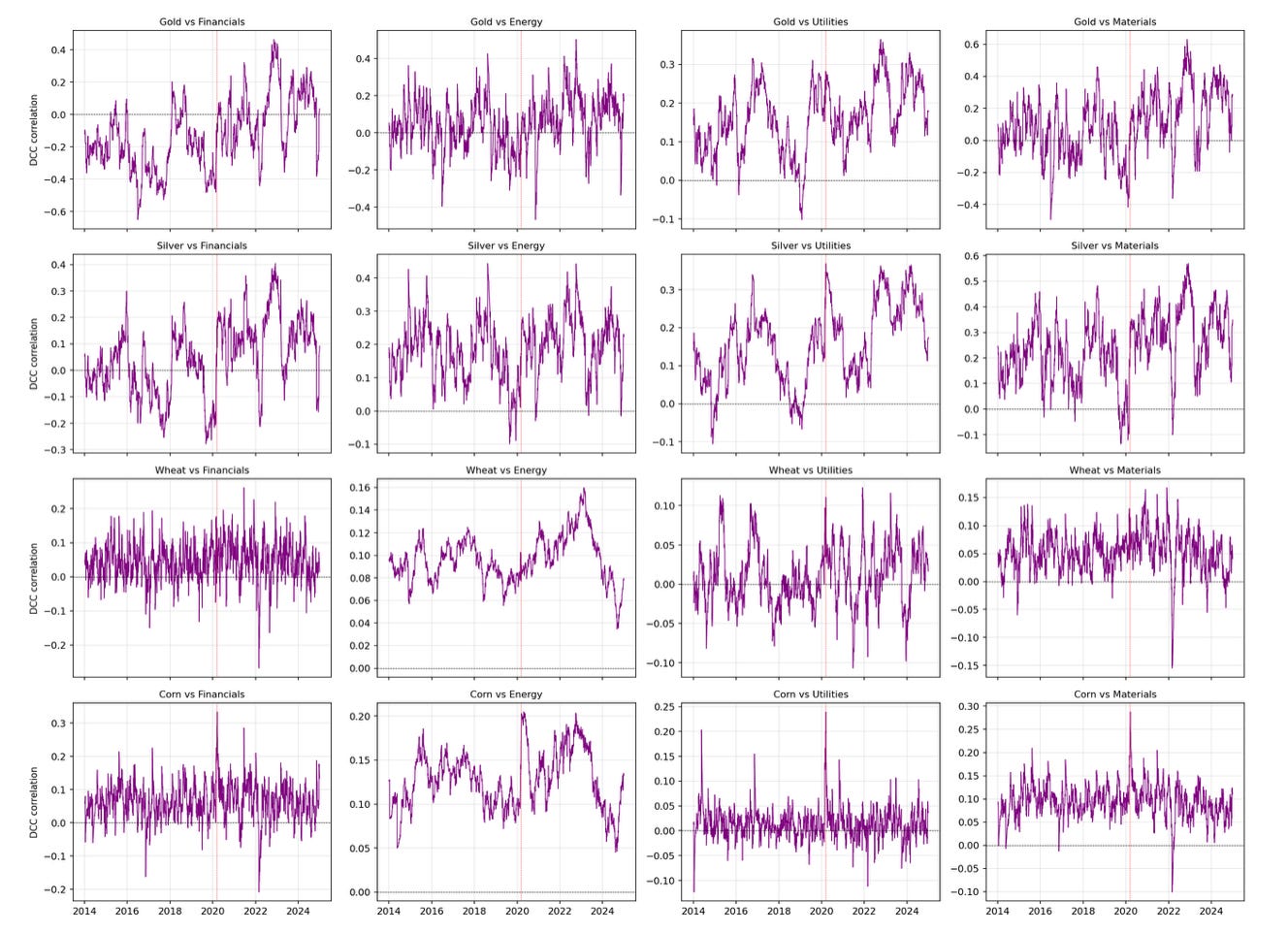
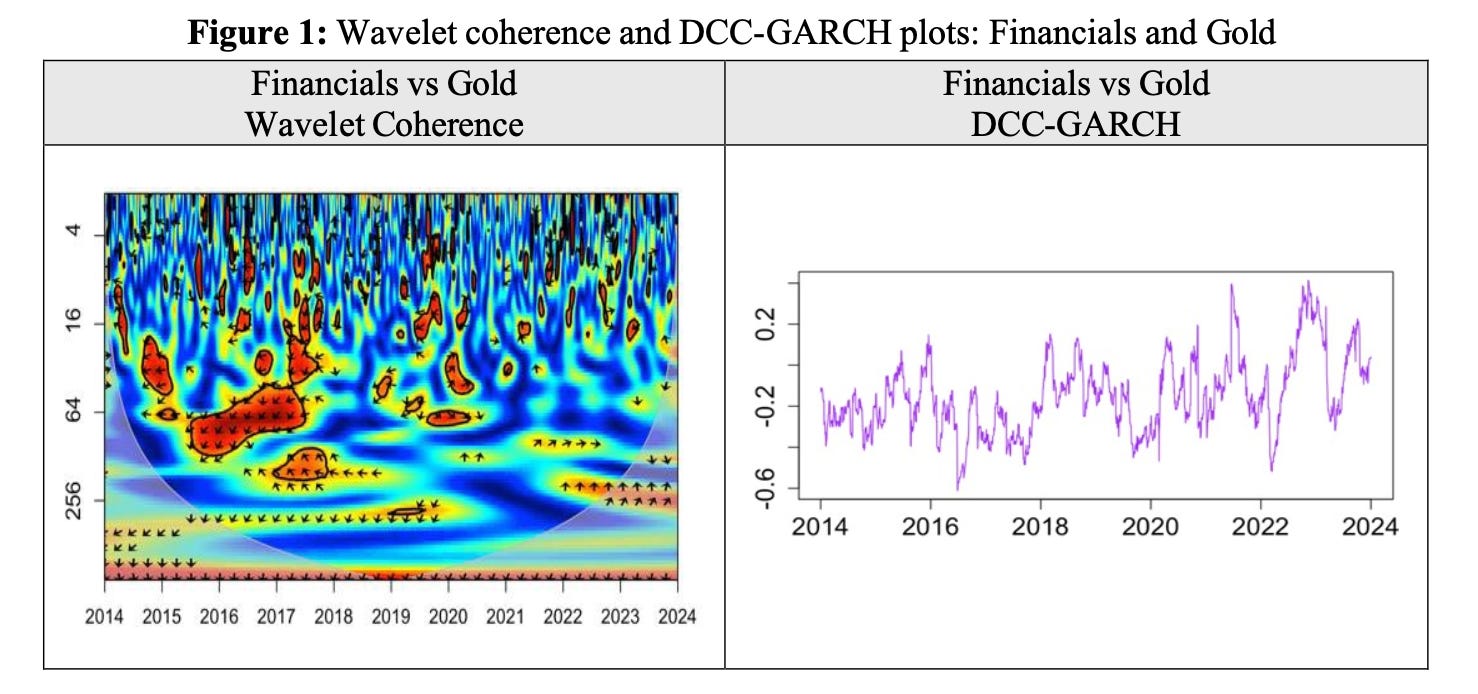
[WITH CODE] A DCC-GARCH check on gold, silver, wheat, and corn against four US equity sectors, 2014-2024.
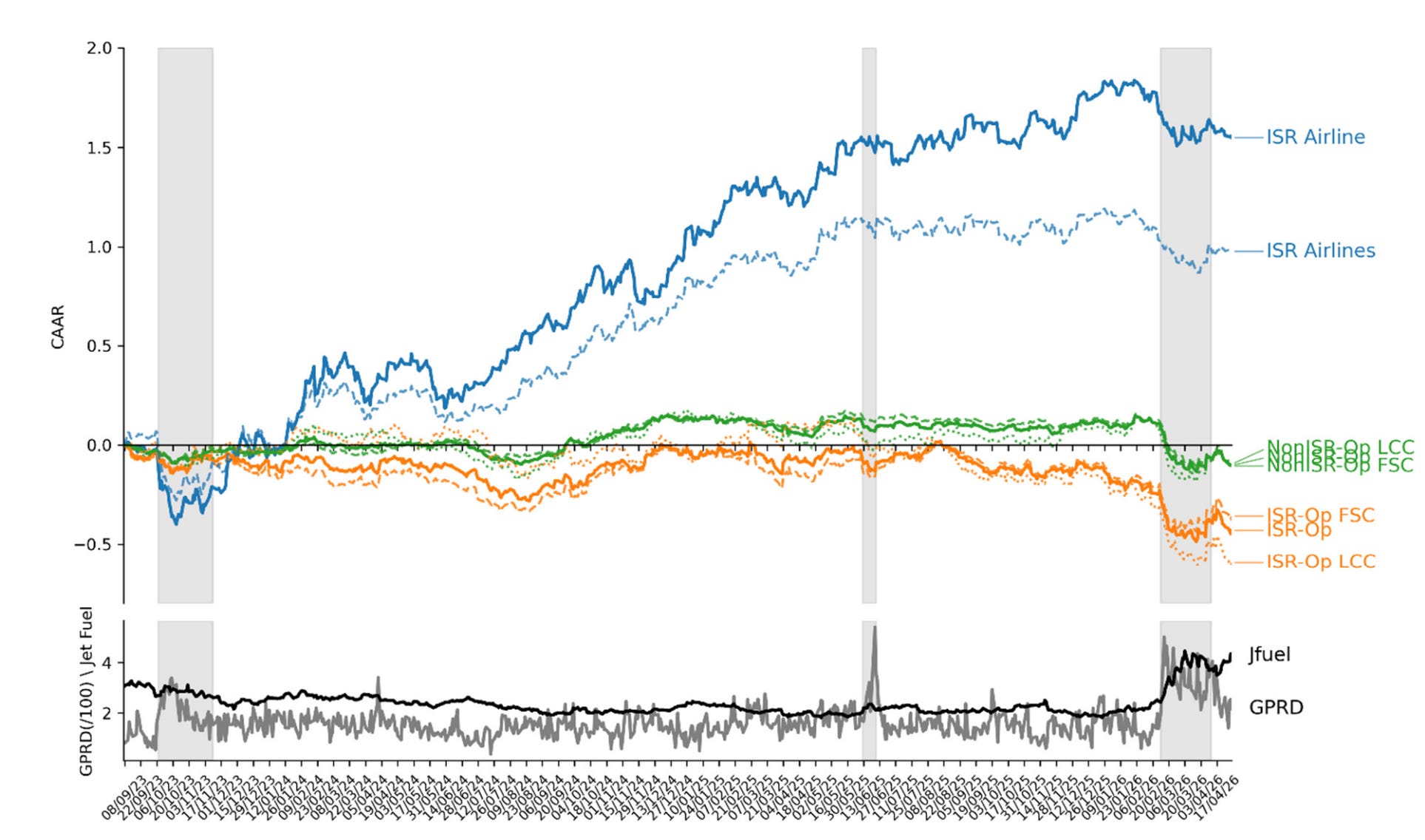
When markets stop behaving the way we assume: gold's hedge quietly failed, bond futures spreads hide real costs, stock prices are flashing a crisis signal, and sanctions slowed arbitrage.
How machine learning finds a private company's public twin, why uncertain forecasts make long-term rates overreact, what the VIX quietly leaves out, and why bond indexing only works at large scale.
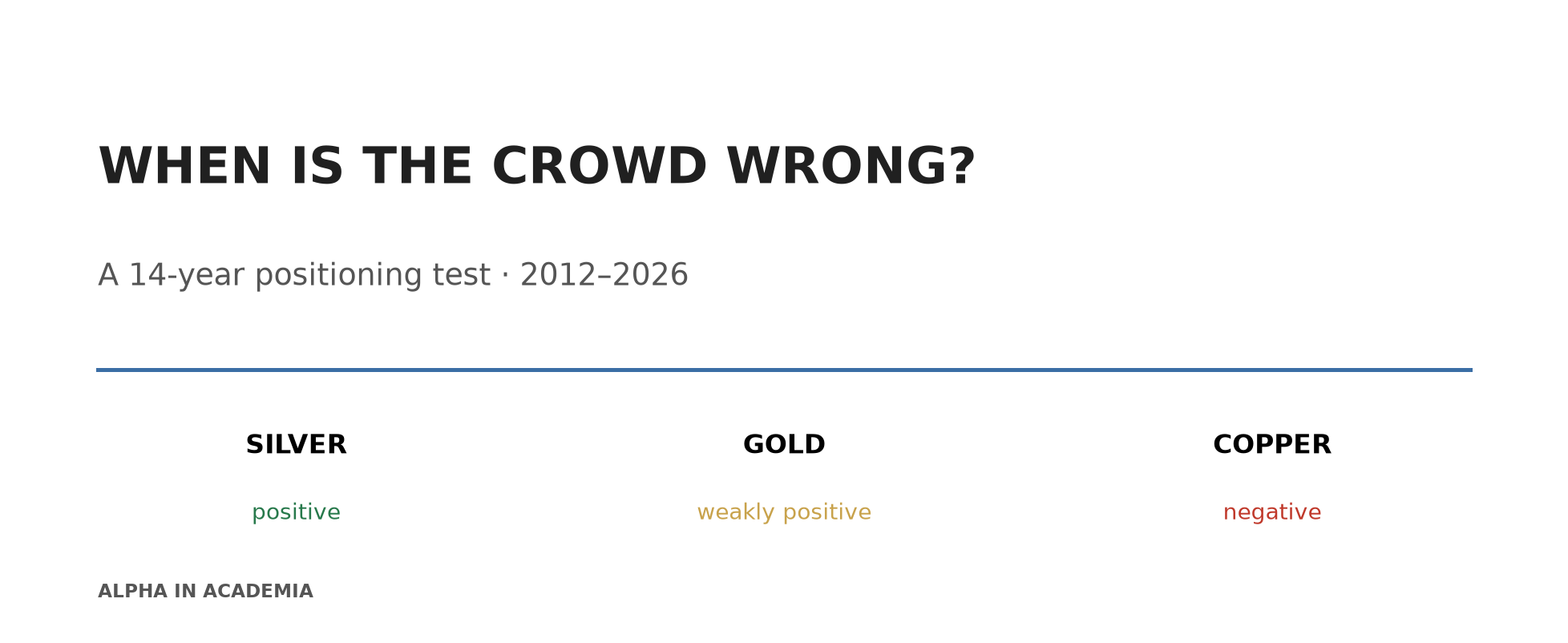
[WITH CODE] A 14-year test (2012–2026) of the "Managed Money" positioning signal across silver, gold, and copper.
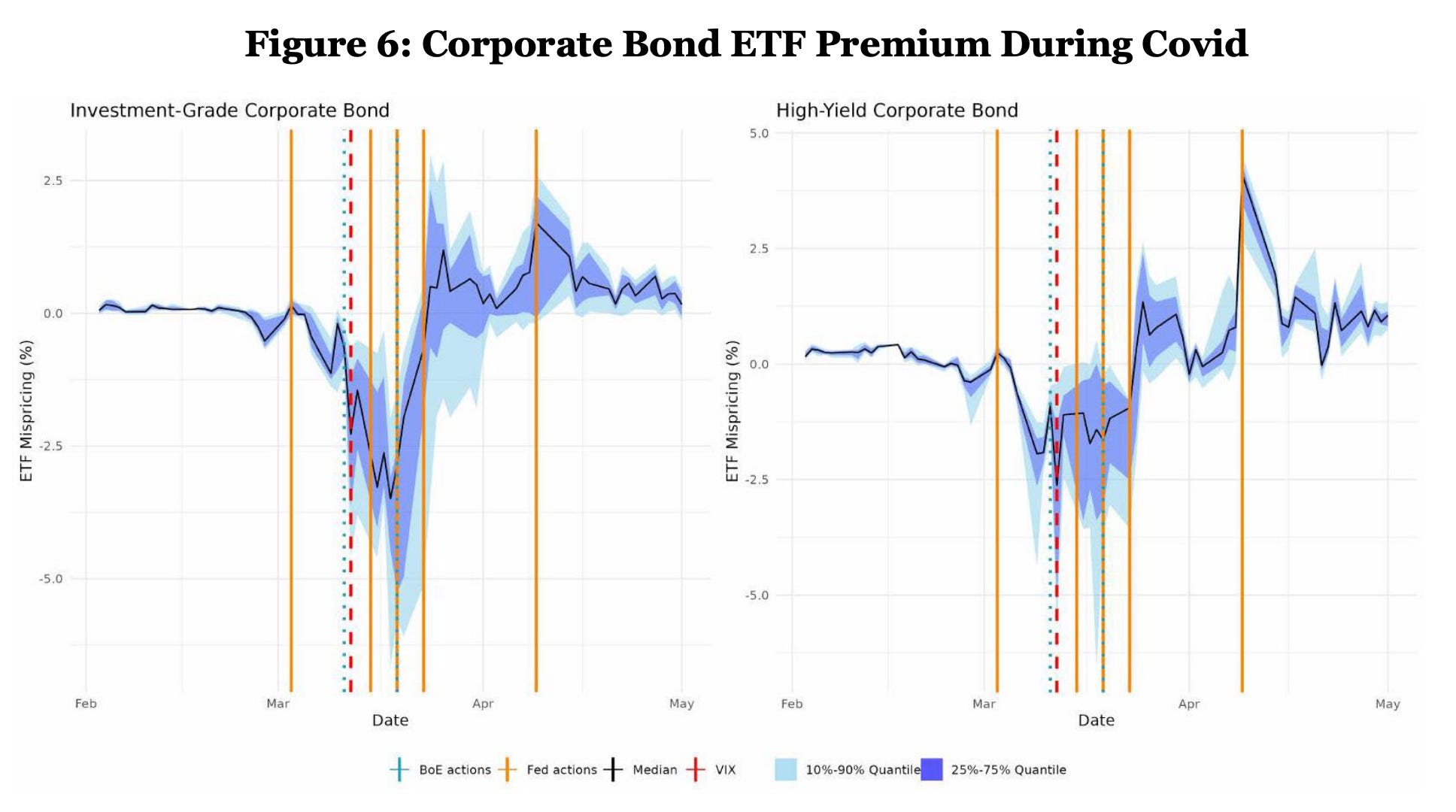
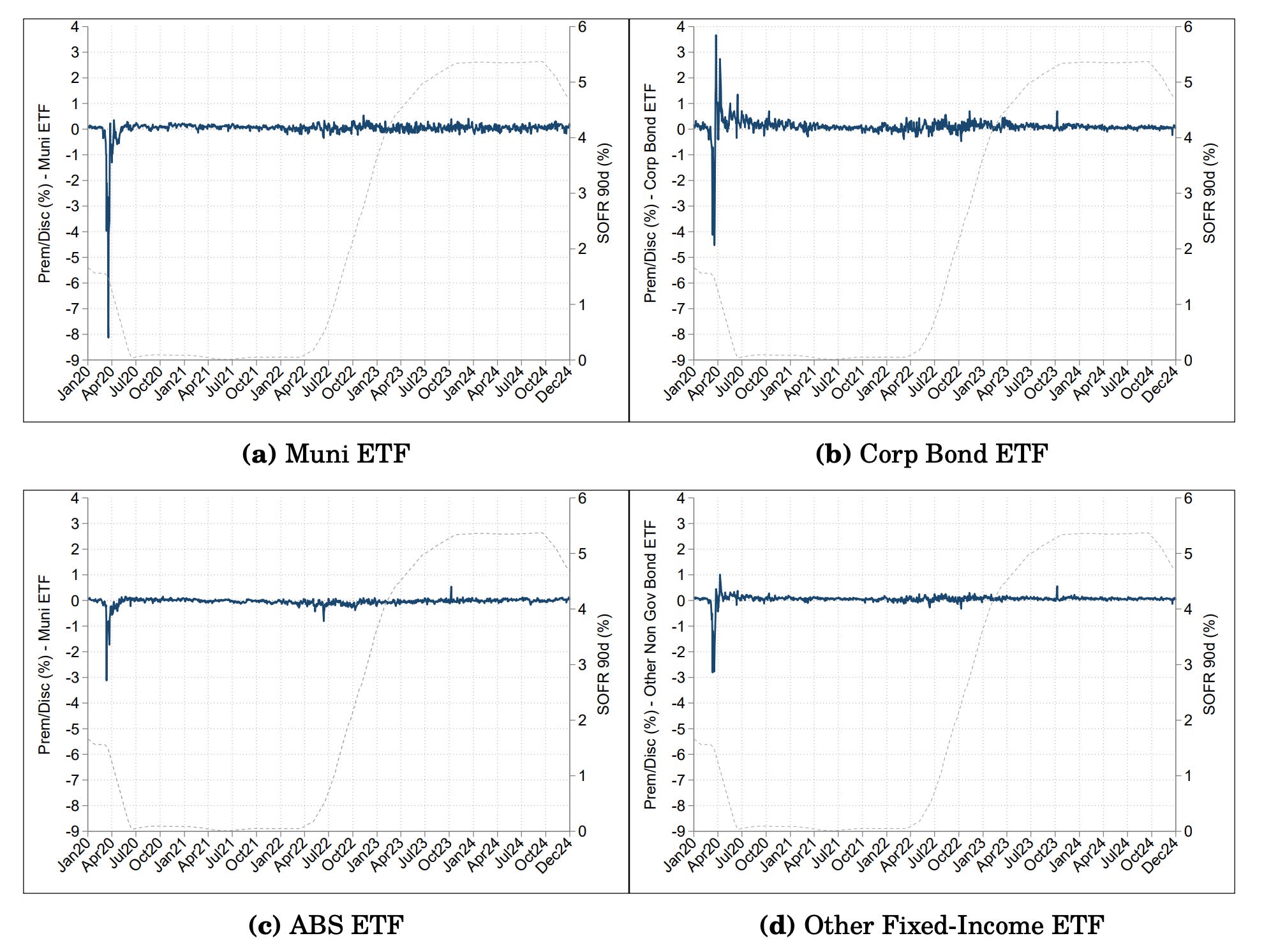
Adverse selection break-even traps, content-specific investor disagreement, bond ETF redemption fragility, and inherited regional risk appetite
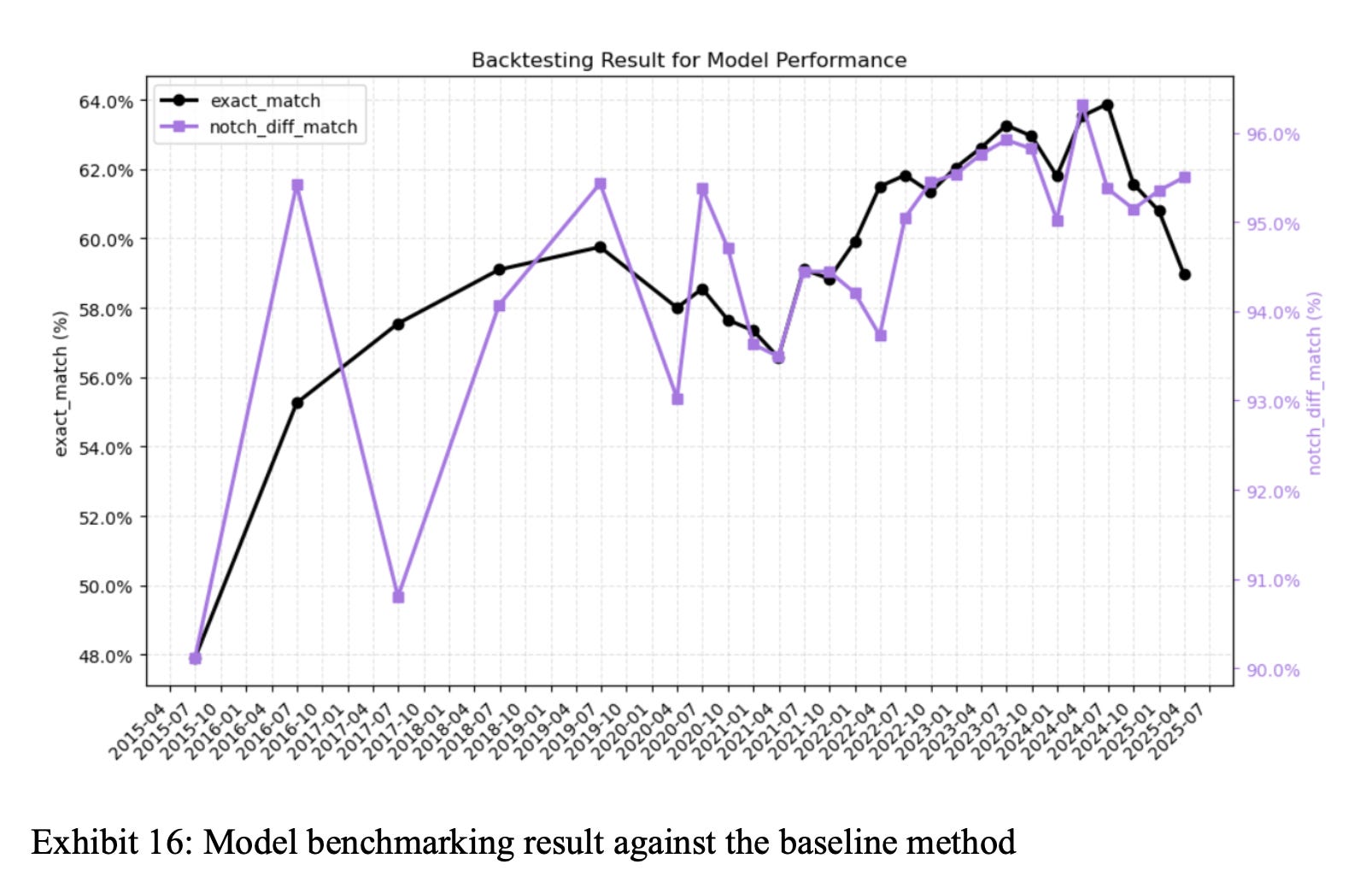
The Probability Difference statistic is an interesting forecasting idea, but this implementation does not establish a small-cap or large-cap predictive edge.
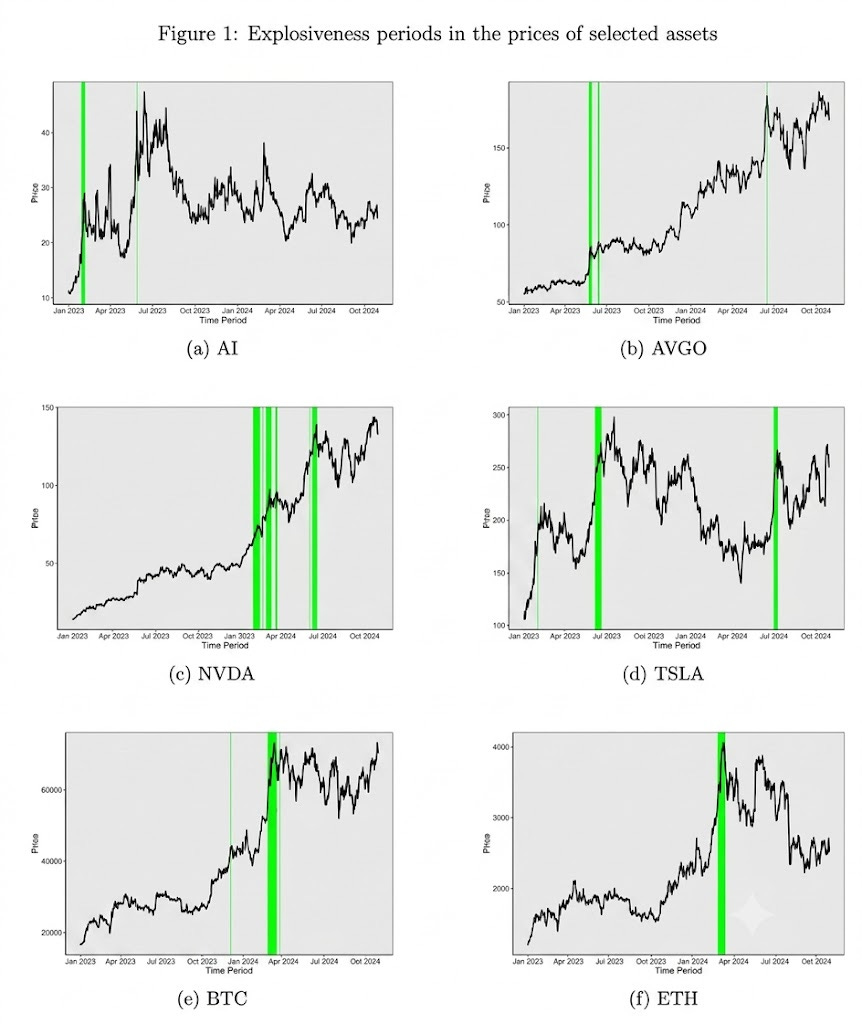
An exploration of modern market microstructure and behavioral anomalies, spanning institutional order flow tracking, retail-driven cross-asset bubbles, small-cap predictability, and hidden liquidity.
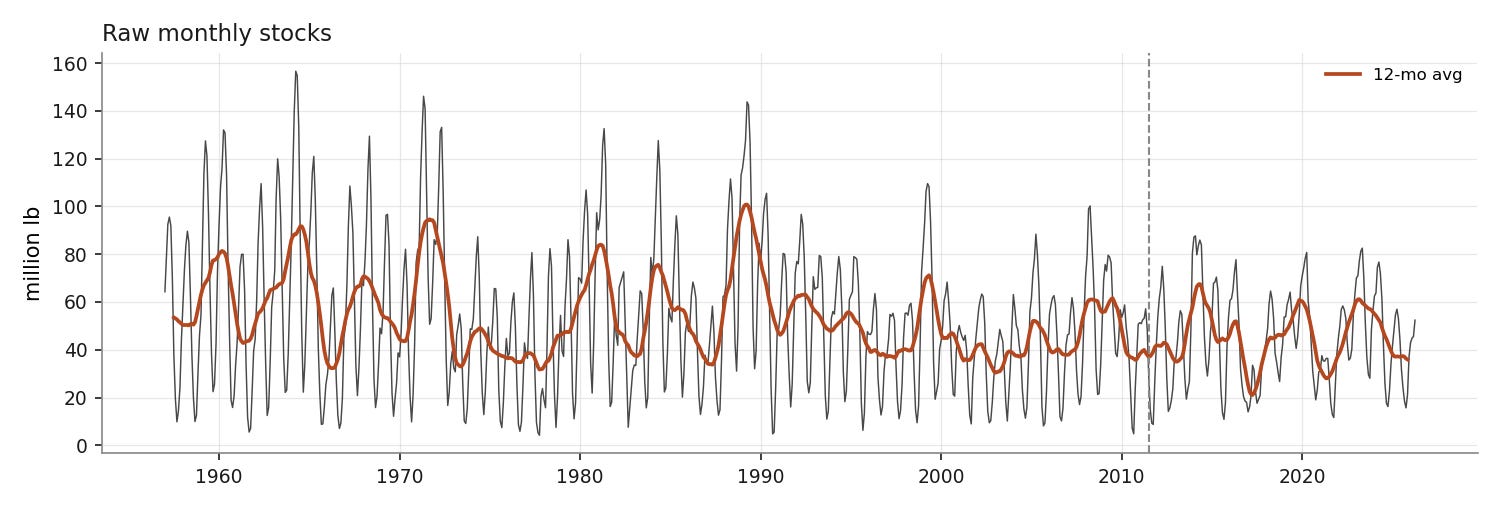
A statistical autopsy of one of America's most famous futures contracts, using USDA cold-storage data.
Global trading venue immunity, backtest edge survival, China's municipal guarantee erosion, and sequential geopolitical risk learning
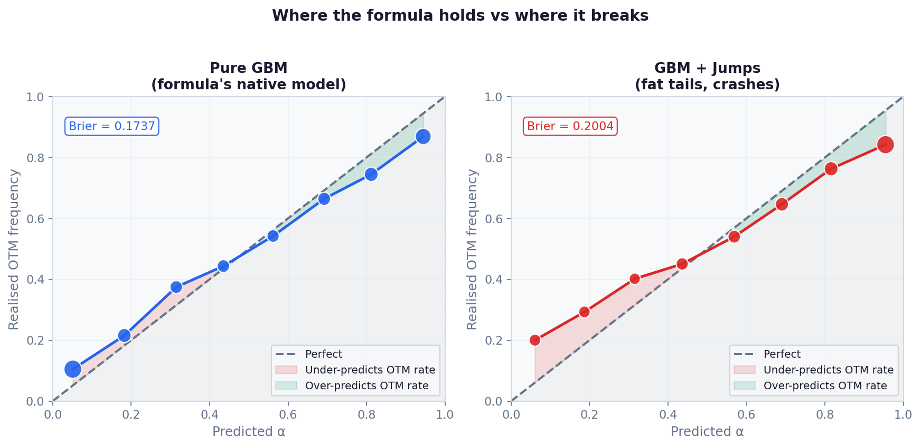
[WITH CODE] The Full Probability Distribution of a European Call Option at Expiry: Derivation, synthetic stress test, and what it tells you about your position.