
I have a habit of writing about my upbringing from time to time, so if you have read much of my work, you probably already know that I grew up in a very rural area, in a very conservative family, in a very religious home, going to church three or more times a week, and attending a private Christian school… not the fancy kind. Though much of my life today has changed, I feel like I learned a lot of valuable life lessons during that time, lessons that I carry with me to this day, lessons that were probably not the intended message of the curriculum or the sermon or the lecture where I learned them, but lessons nonetheless.
“By their deeds you will know them. Does a man gather grapes from thorns or figs from briars?”
Matthew 7:16
That verse sticks with me: By their deeds you will know them. Or, in other versions of the Bible, you will know them by their fruits. It was the focus of many a sermon I sat through, and spilled from the lips of plenty of members of my church community growing up. The accompanying message for the congregation was usually that by being good Christians, by being true and righteous and living one’s life in service of God, that non-believers might take note of these differences, might become curious about Christianity, might choose to follow God themselves. I’m not sure that was the point of the Bible verse, but I’ll get to that later. In any case, it’s a decent message in itself: Be so good that people can’t ignore you. Be so kind that people feel inspired. Be so giving and gracious and honest and loving that others follow your example. I mean, yeah, I can get behind that kind of message. As you might imagine, however, some of the most vocal reciters of the verse were the ones doing the most unhinged things in the name of their belief system. Spreading rumors about people, judging others in the community, being rude to others inside and outside of the community, chastising people for making different choices and living their lives differently. It was unhelpful, off-putting, and certainly counterproductive if the goal was to inspire others to want to follow the same path.
By contrast, the people in my church community who did inspire others, who did make the greatest impact on me personally were the ones who were truly kind, who were warm, who were welcoming and thoughtful and open-minded, who put more energy into embodying tolerance, generosity, and forgiveness than into enforcing rules, policing behavior, and amplifying their own righteousness. They were people who led full lives outside of church, who were educated on matters both theological and scientific, both spiritual and secular, both scriptural and cultural.
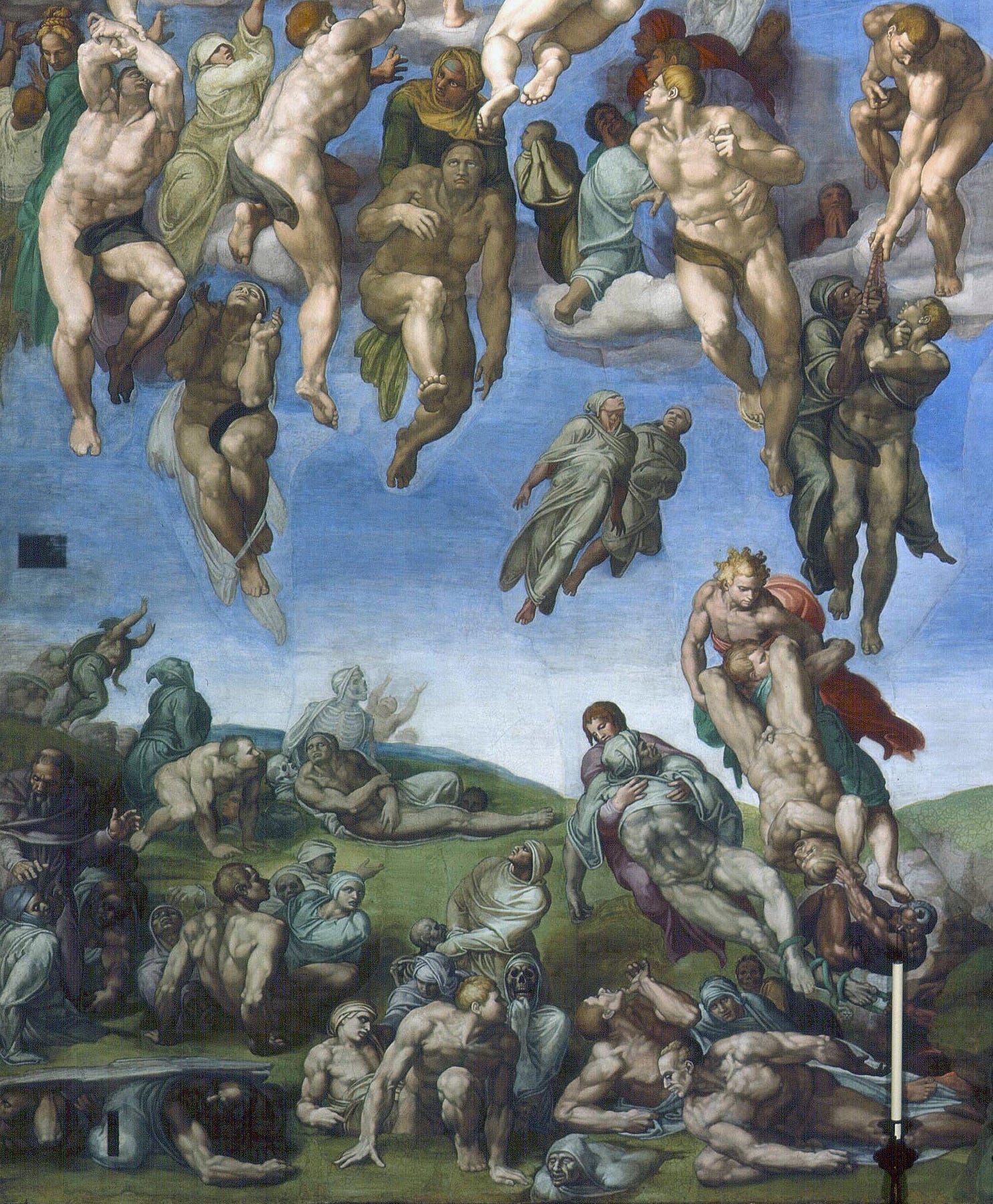
I don’t mean to make this a piece focused on Christianity or organized religion, and certainly am not intending to pass judgment against anyone in those communities, but I do think there is a lesson to be drawn from those experiences that can be applied to essentially any other community. We are all vulnerable to falling into the trap of focusing on rules and repercussions over community and collaboration and, yes, this applies just as much to the nudist and naturist community as it does to any other community or special interest. When we stray from the substance and values and passion for the philosophy of the movement, nudists and naturists have a tendency to fall back on the rule. Don’t do this. Always do that. Never do this, that, or the other, or else you’re not a real nudist! The rules and expectations are important, don’t get me wrong, but the nudist and naturist community is not going to make the positive impact on the world that it would like to by nagging one another about proper towel use and debating whether people with piercings and tattoos are “real naturists,” or denigrating people who choose to use their nudity or their body for other purposes than non-sexual, social, nude recreation. That just ends up looking like bossy meddling and doesn’t communicate to the outside world the culture of acceptance, enlightenment, body freedom, and personal liberation that the nudist and naturist community prides itself on.
At the risk of sounding preachy, I think the same “by their deeds you will know them” mantra applies just as aptly to nudists and naturists as it does to the Christian community, but not in the way that the pastor of my childhood congregation taught it. In my very humble opinion, it’s not about being different for the sake of being different. It’s not about being so totally blinded by and immersed in our own community-derived expectations and rules and dogma that we catch sideways glances from people who don’t belong to our community.
Instead, it’s about being whole and complete people. I’m not saying “don’t be weird,” because I think there’s something very important about letting ourselves be weird and admitting that our niche interests (like running around naked with friends and strangers, for example) are weird, and that it’s OK to like things that society sees as weird. What I’m saying is that the best way to represent the nudist philosophy of body acceptance, equality, appreciation for the nude body, and the ideals of personal liberation is not to be so totally enveloped in our community that we conflate our internal community behavior expectations with the purpose and passion of the movement itself. It’s not supposed to be about judging or degrading others, or rejecting the world around us, is it? The best way to be a great nudist or naturist is to be a great person outside of this community, to be well-rounded, well-read, well-informed about each other and our neighbors, to be curious and welcoming and thoughtful, to develop other interests and engage with other communities. It is about doing good things, being good to others, and seeing the good in the world, all while also carrying a perspective that visibly, outwardly celebrates human diversity, the human body, and the many ways that we as humans can enjoy and embrace our own nakedness. Be enlightened and interesting and trust that being the best version of yourself will let your unique perspective on human nudity shine as well.
Gosh. I hope that didn't come across as a judgment in its own right, I just really feel that we are the best advocates for our community and this movement when we are, first and foremost, good citizens. It’s not a “don’t be weird” thing, and it’s not about being perfect or “normal.” It’s about letting our many deeds speak for themselves, not letting ourselves get caught up in judgment. And I truly believe we can do that - I think we as a community of body-accepting, liberated, tolerant people can be better about how we embody those values. I can be better, too!
And on that note, I’m going to go enjoy the rest of my Labor Day weekend, and I hope you do so as well!
Comments
Nothing yet. Say the first thing.
Sign in to join the conversation.