
In my other life as a tech futurist, I wrote about digital twins when they were first emerging, before AI made such things fait accompli. It is one of the technologies that anchor Incarnate, even if it isn’t mentioned explicitly like avatars and social media.
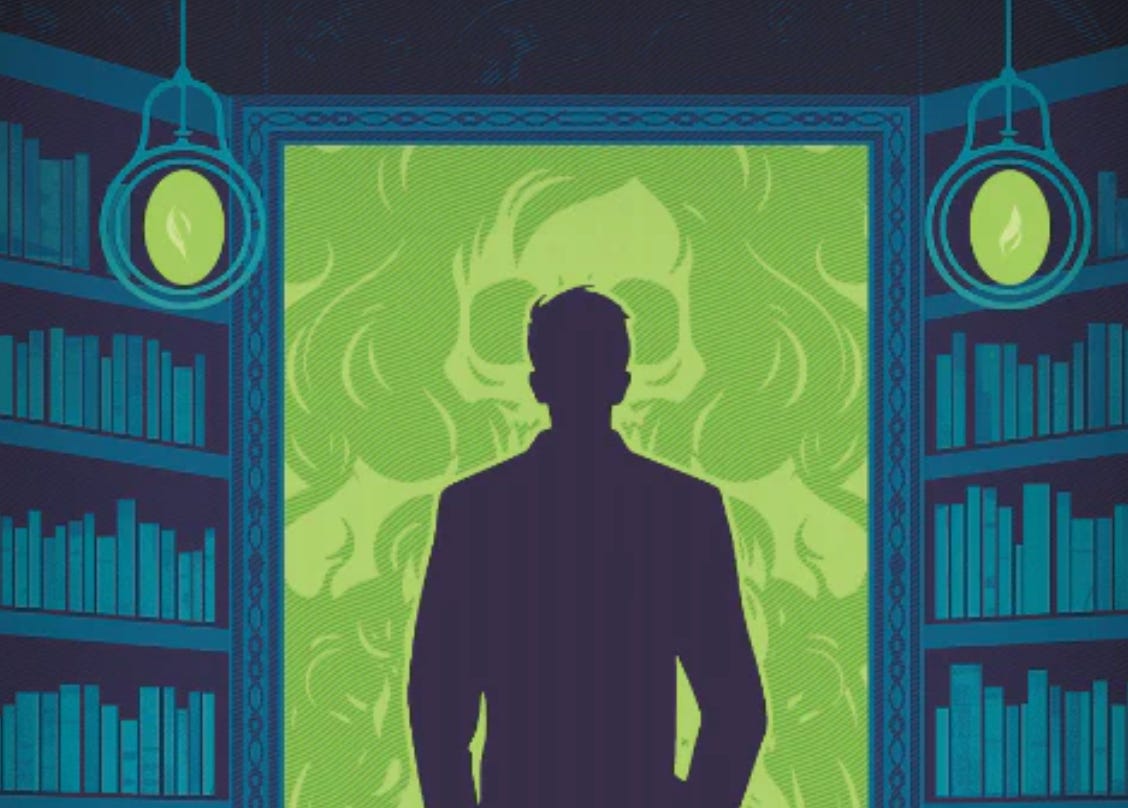
A digital twin is just what the name implies: a replica of a thing—person, place, object or process—that only exists in a virtual form. There have always been models, but the key difference is that a digital twin is not a static thing but is continually updated with data. It’s been around in one form or another for decades but really came into it’s own in the late 2010s as a way for designers and engineers to optimize products and processes: imagine you are in charge of managing a power grid, and imagine how much easier it would be if you had a replica of that power grid optimized with live data. Or, being a surgeon and having a precise digital map of a patient you can study before a complex surgery.
They’re used for designing, prototyping, production, operations, maintenance, and service and make all these things easier and cheaper. What’s not to love? Another example of how technology can be used to make our lives better.
It got me thinking of how useful it would be for everyone to have their own digital twin. Take health. Not long ago, tech pushed the promise of personalized medicine, with doctors using your DNA and other data to tailor more effective treatments. Medicine is not one size fits all (although it’s often administered that way), and the idea was that using this data, doctors could figure out which treatment gave you the best odds of success.
That sounds good, right? A version of you with no soul, no skin in the game (so to speak), that has no say in how you live your life. Or is it their life, too, since whatever you do to yourself affects them? Which takes us to The Picture of Dorian Gray: Dorian’s portrait starts out as his digital twin but then it takes on a life of its own. Their lives diverge but are tied together. Is he one man split in two, or two men conjoined like twins, each fighting for supremacy?
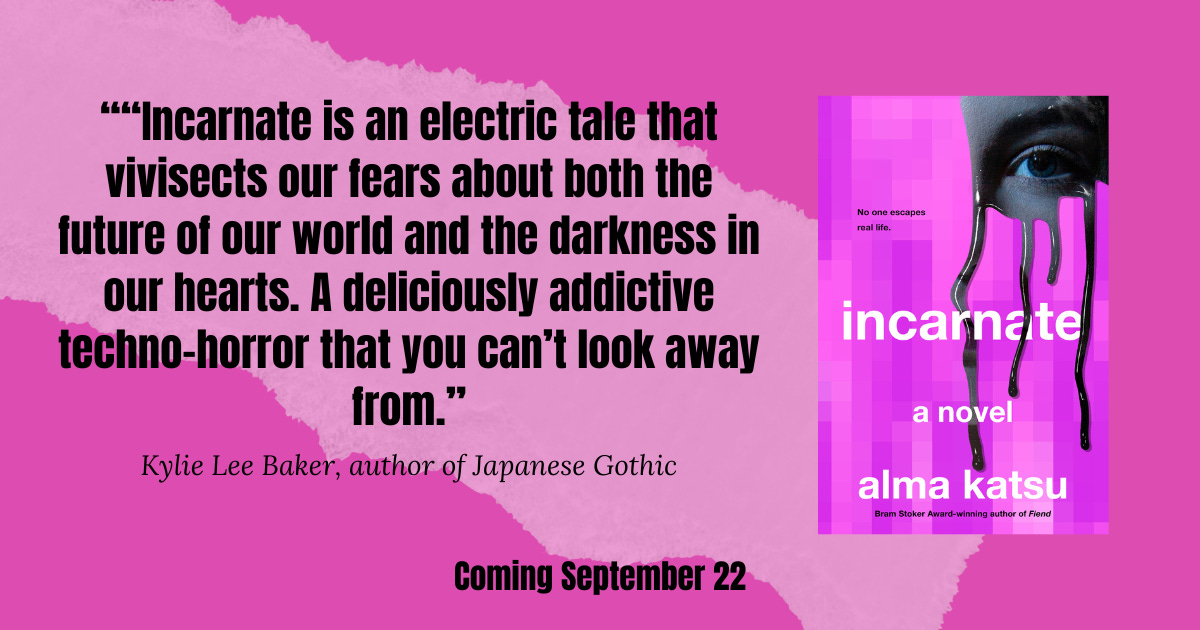
In Incarnate, the main character Dorothy Wagner creates a fake person, Isabella. In the beginning, they are not twins. Isabella is everything Dorothy is not but wishes she could be: beautiful, charming, confident, and most of all: popular. And before long, Dorothy is changing, becoming more like Isabella, the internet mantra of “fake it till you make it” taking on a whole new meaning. Hopefully, the novel makes the reader think about social media’s effects on us. It’s one thing if you’re super confident and know yourself well, another thing if you’re young or impressionable or insecure. Does social media help us discover our true selves or does it persuade us to turn into something we’re not?
Eventually, all this wanting takes Dorothy to a very dark place, begging the question of whether Dorothy was like this all along, or if Isabella is responsible? Another take on the age-old question: are we born evil or are we made that way?
Incarnate is about questioning technology. Are social media and technologies like AI changing us, altering what it means to be human, or are they only enablers, helping to birth something that was in us all along?
Comments
Nothing yet. Say the first thing.
Sign in to join the conversation.