
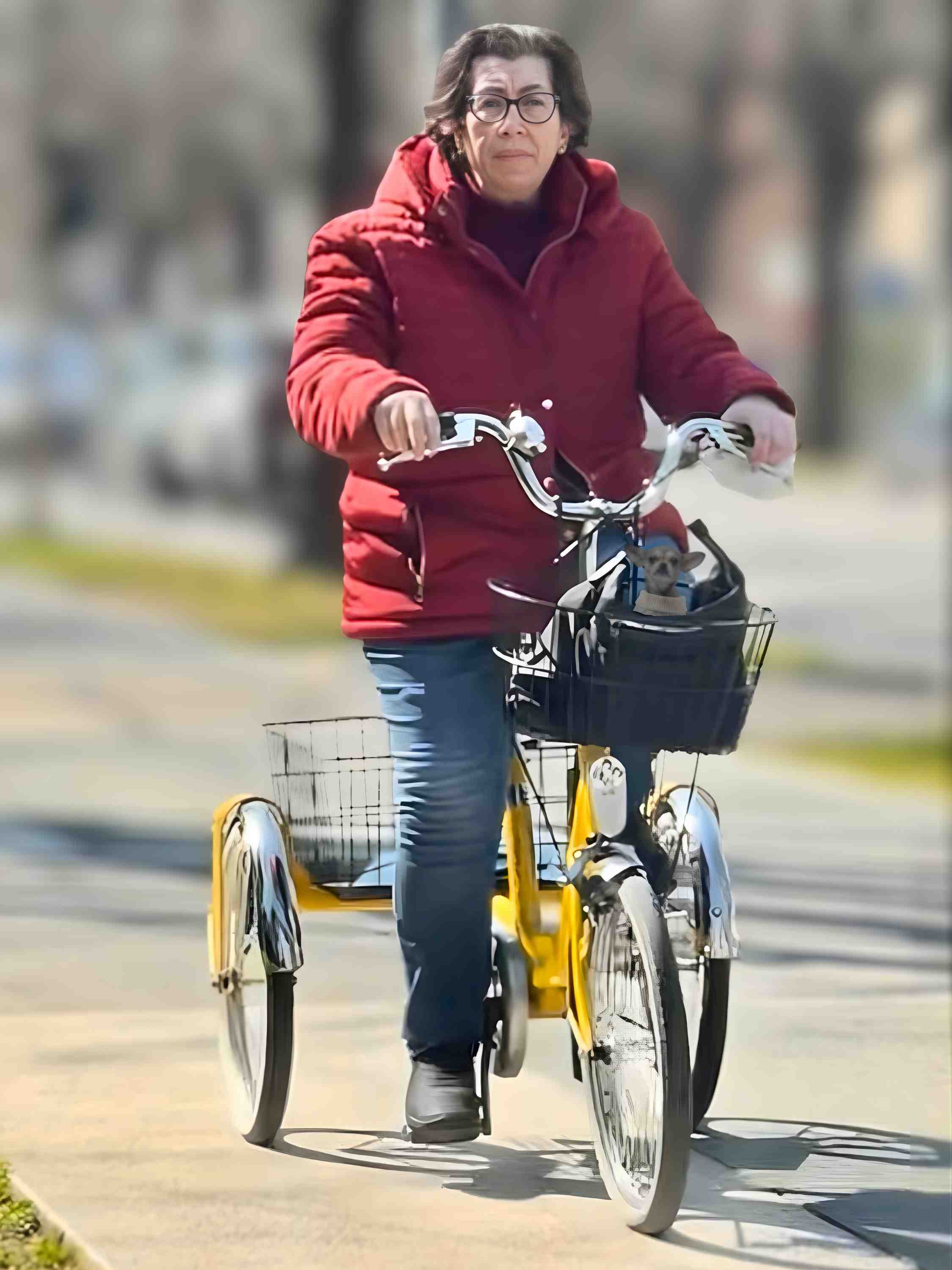
For the past ten years, while visiting and eventually moving to the Prosecco Hills of Northern Italy, I would often encounter a cheerful woman riding a yellow three-wheeled bike when I went out for a walk. That woman was my mother-in-law, Antonietta Andolfi.
Every time I saw her, I felt happy.
I would wave and call out, “Ciao Mamma!”
“Ciao, Nat-han,” she’d reply, smiling broadly.
Then we’d usually go for a coffee together, often with one or two of her teacup Chihuahuas riding in the bike’s front basket. Their faces always wore the same humorless expressions, which contrasted comically with Antonietta’s constant cheerfulness.
Twelve days before Christmas, we lost our beloved Mamma. She was sixty-six.
For the past year, Antonietta had bravely battled a rare blood condition as well as multiple sclerosis.
Alessandro became her advocate and caretaker. He put his own life on hold to care for her, driving her to multiple hospital visits every week, cooking for her, shopping, and managing her affairs.
He did it all with kindness and patience. Watching his unselfish devotion was deeply moving.
Antonietta spent the final two months of her life in the hospital. Despite everything, she remained her buoyant, positive self.
She quickly befriended the women who shared her room, learning their stories and offering whatever comfort she could. Most were there only briefly, recovering from minor surgeries, but all left knowing they had met someone very special.
When I moved to Italy, I introduced my Italian family to American baked goods they had never encountered. I am not a skilled baker, and I have a habit of burning half of what I attempt, but enough recipes survived my overly hot Italian oven to become favorites.
Carrot cake, banana nut bread, lemon cheesecake, persimmon cookies, and lemon bars found an enthusiastic new audience. Baking gave me a way to contribute, and it brought me back to my childhood.
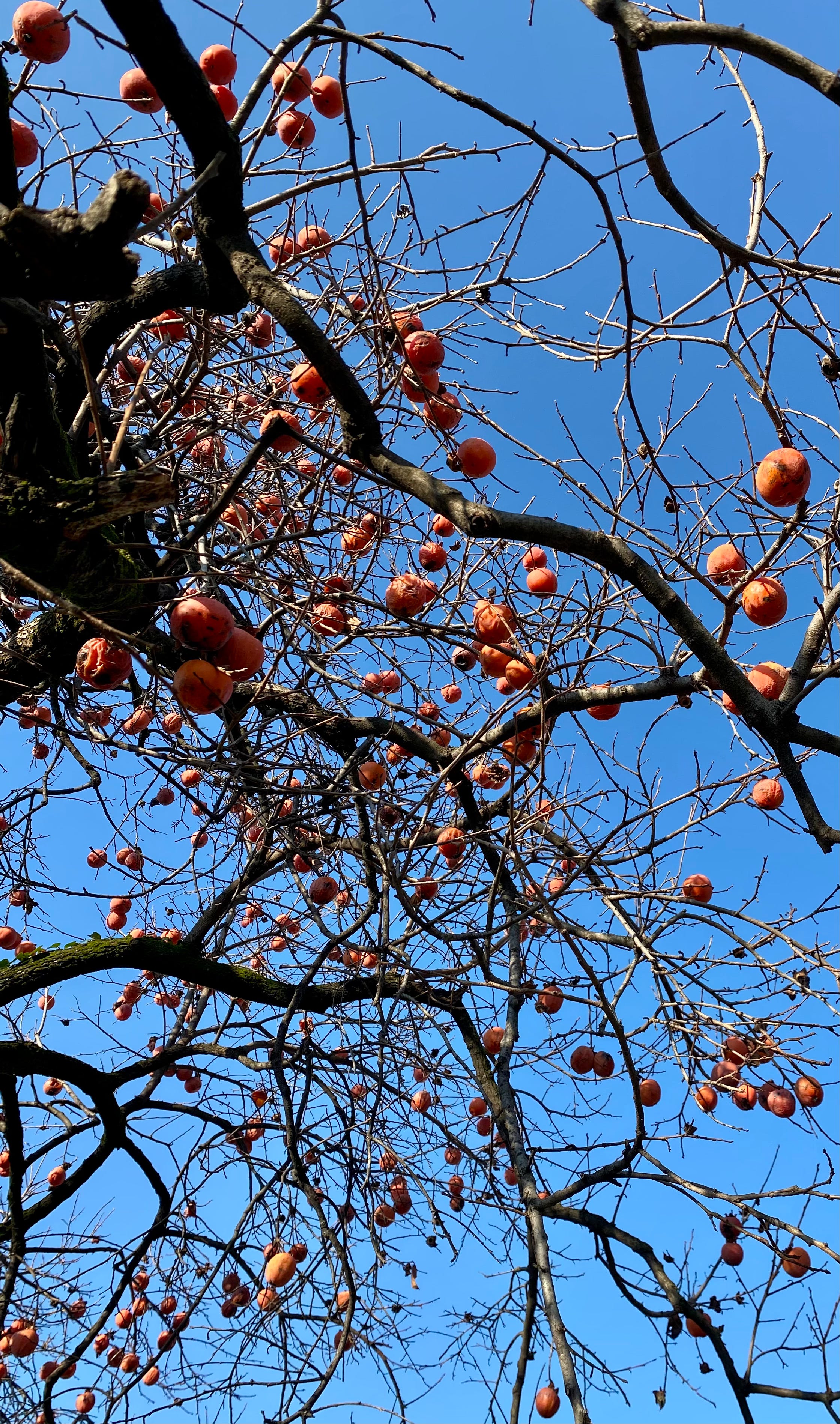
My great-grandmother Jo had a persimmon tree that produced bushels of fruit every fall. She had raised four children through the Great Depression and wasted nothing. Each year, from November through February, she arrived with tins of soft, spiced persimmon cookies layered in wax paper.
When I was twelve, she taught me how to make them. Years later, after moving away from California and abundant Hachiya persimmons, I stopped baking them.
Then I moved to northern Italy and found myself in a village forested with mature persimmon trees.
The first Christmas I spent here, I made the cookies again. Mamma Antonietta loved them.
Every year after, when the leaves fell, and the orange fruit appeared, she’d ask when I would bake her some cookies. “Subito, subito” (Soon, soon), I’d say.
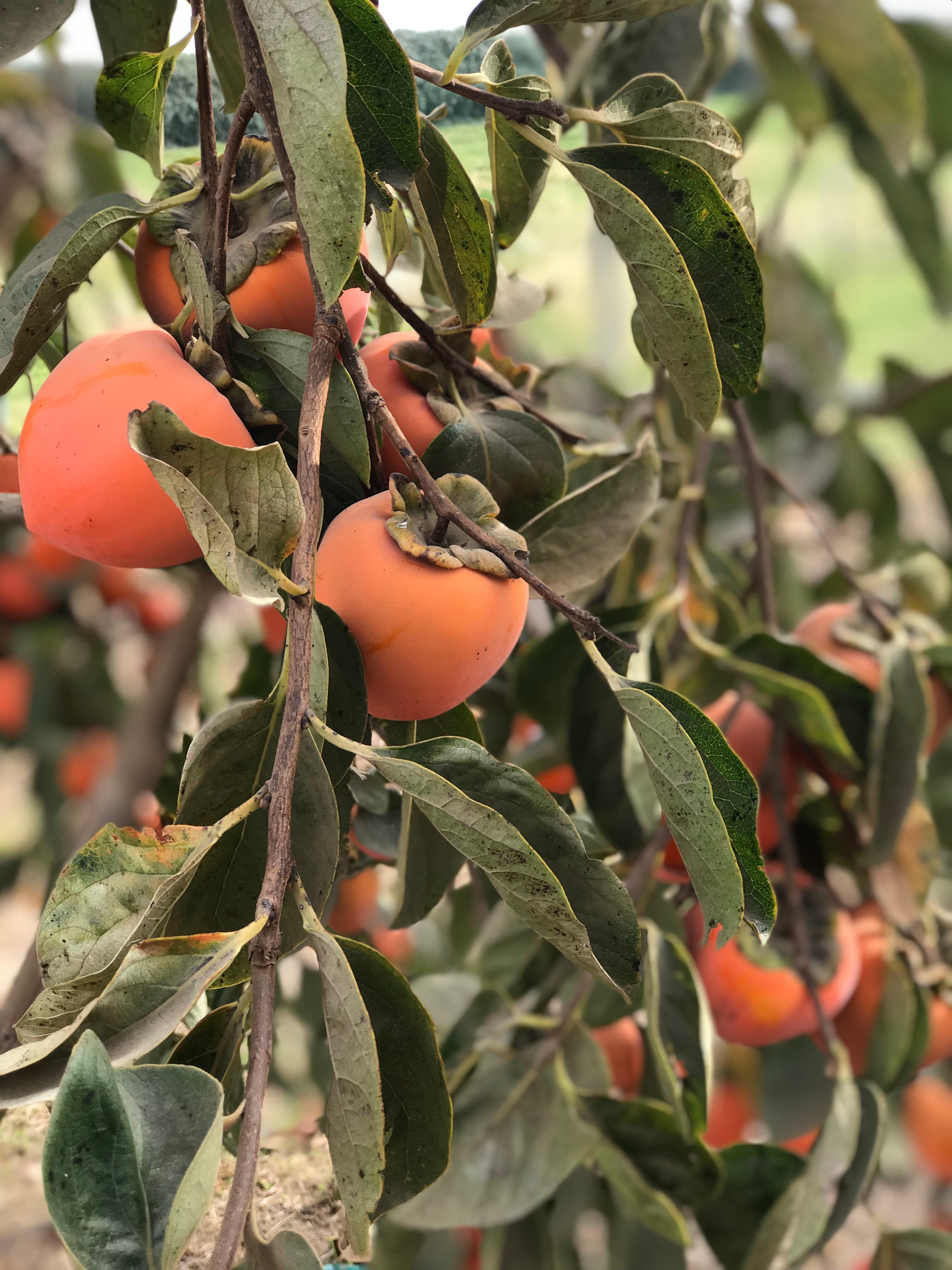
At the end of October, on her way to the hospital, she noticed the persimmons ripening. I promised I would bring her cookies as soon as they were ready.
“I have some persimmons out on the balcony. When they’re ripe, I’ll make you some cookies — probably by Christmas. What else can I bake for you in the meantime?” I asked.
“Torta di carote,” she said.
I made my great-Aunt Marion’s carrot cake. She ate two slices in under five minutes. Lemon bars were next. She had lost so much weight; seeing her eat with gusto brought us hope.
For weeks, I baked and delivered whatever she requested. Most arrived imperfect, their burnt edges trimmed away, but Antonietta was always delighted. She shared everything with patients and staff.
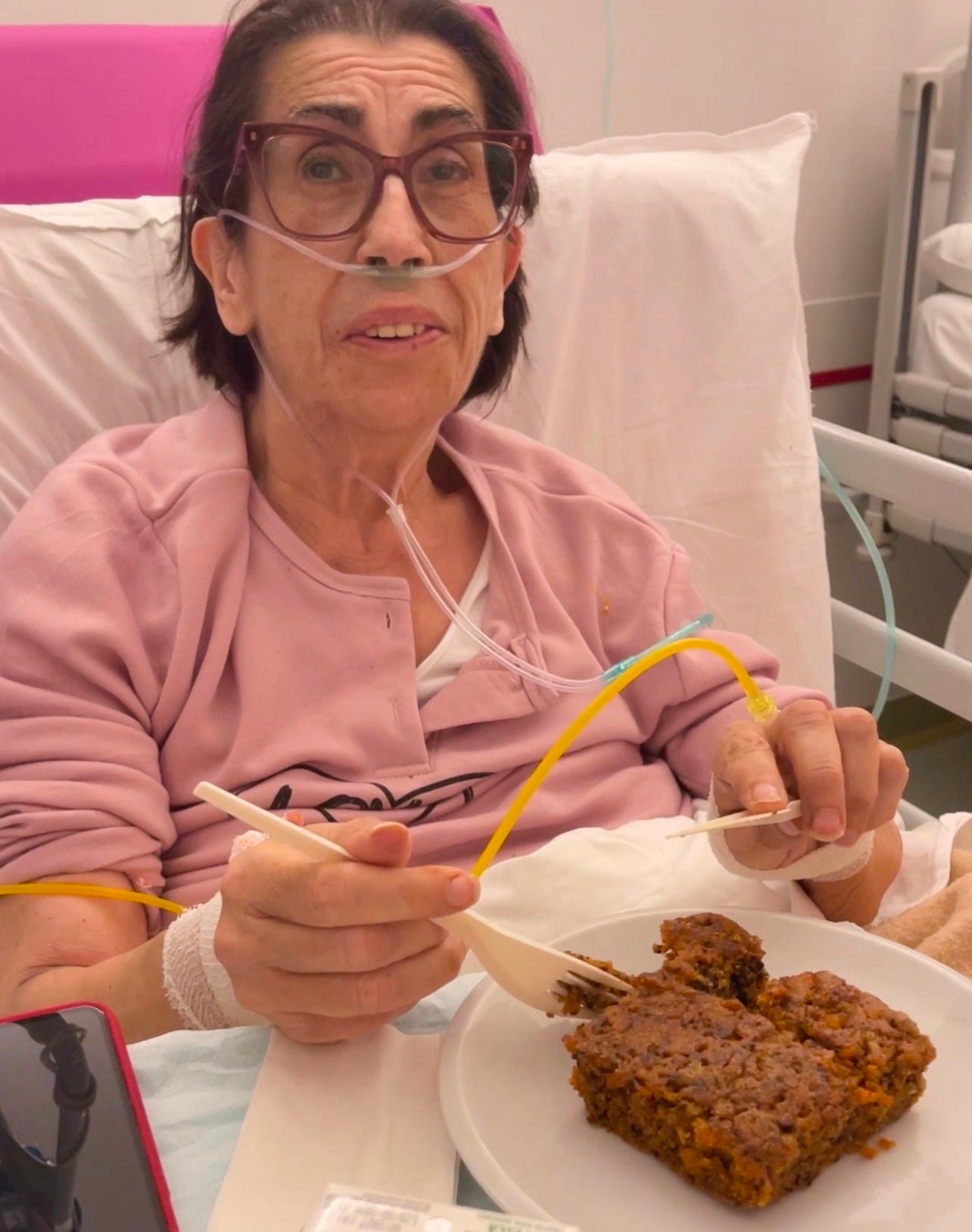
Anyone eating this well, we thought, must be getting better. The doctors agreed. She was scheduled to go home.
The week before her discharge, she was given opioid drops for severe tooth pain. The medication caused a rapid, unexpected decline in her health, erasing the strength she had gained.
She passed away four days later.
Those final days in the hospital, and the days that followed, were a blur of sadness.
“I know it might sound strange, but what do you think about having Mamma’s bike parked in front of the church with flowers in it?” I asked Alessandro a few days before the funeral.
I’m used to his perplexed reactions at my strange American ideas, but he thought this sounded like a lovely idea.
The next day, I opened her garage. Antonietta’s bike sat there, just as bright and cheerful as ever, waiting for trips to the market, the bank, or her favorite coffee bar. The tires were flat. I guessed she hadn’t ridden it since early summer.
After inflating all three tires, I walked the bike across town toward our apartment. It was late, and the Christmas market was in full swing.
An adult-sized yellow tricycle is not a common sight, especially when it’s being guided by a blond-haired American guy wearing a green puffer jacket at 10 pm on a Sunday.
The merrymakers, gathered for the Christmas market, stared openly as Mamma’s bike and I passed under the pulsating blue lights of the Ferris Wheel, past the wooden huts selling hot chocolate and Christmas ornaments.
As much as I love Christmas, my heart did not lift.
I felt as though I were leading the horse of a fallen soldier. Whether it was the bike or my tears, people seemed to understand.
The next morning, when the sun had risen high enough to warm the parking lot at our building, I took Mamma’s bicycle out with a bucket of warm, soapy water and some towels and started washing the dust off of it.
As I was cleaning the bike, I noticed a woman on the sidewalk. She was watching me intently. She stared at me, then at the bike, then back at me.
“Buongiorno,” I said.
“Excuse me,” she said with hesitation. “Is that the bike of the woman with the little dogs?”
“Yes, it is. This is Antonietta’s bike. My mother-in-law,” I said.
“Is she ok?” the woman asked, a worried look on her face.
“I’m sorry to say, she passed away this week,” I said.
The woman gasped, her hands flying to cover her mouth. “No. No. But she was so young and so healthy. She rode this bike everywhere with her little dogs,” she said, reaching out to touch the bike’s front basket.
The woman’s name was Tina. We stood there for the next fifteen minutes talking about Antonietta.
“She was a woman with a heart of gold, always happy and smiling, and so proud of her little dogs. What a wonderful woman to have for a mother-in-law,” she said.
“She was indeed. A nurturer and a rescuer — of both animals and people,” I said.
After a blessing and a warm embrace, Tina left me to finish washing the bike. I had a feeling that if I stayed out there much longer, I’d have a dozen conversations with people who recognized the yellow bike.
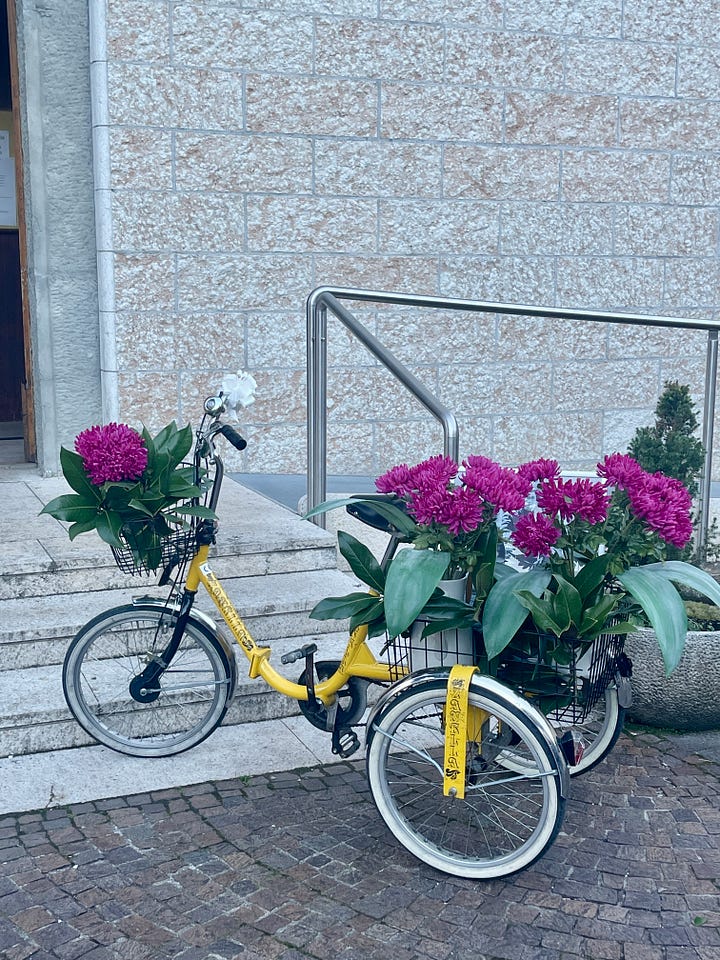

That evening, after the funeral, we followed the flower-filled yellow bike to her favorite coffee bar. We talked about our mother, sister, aunt, and friend.
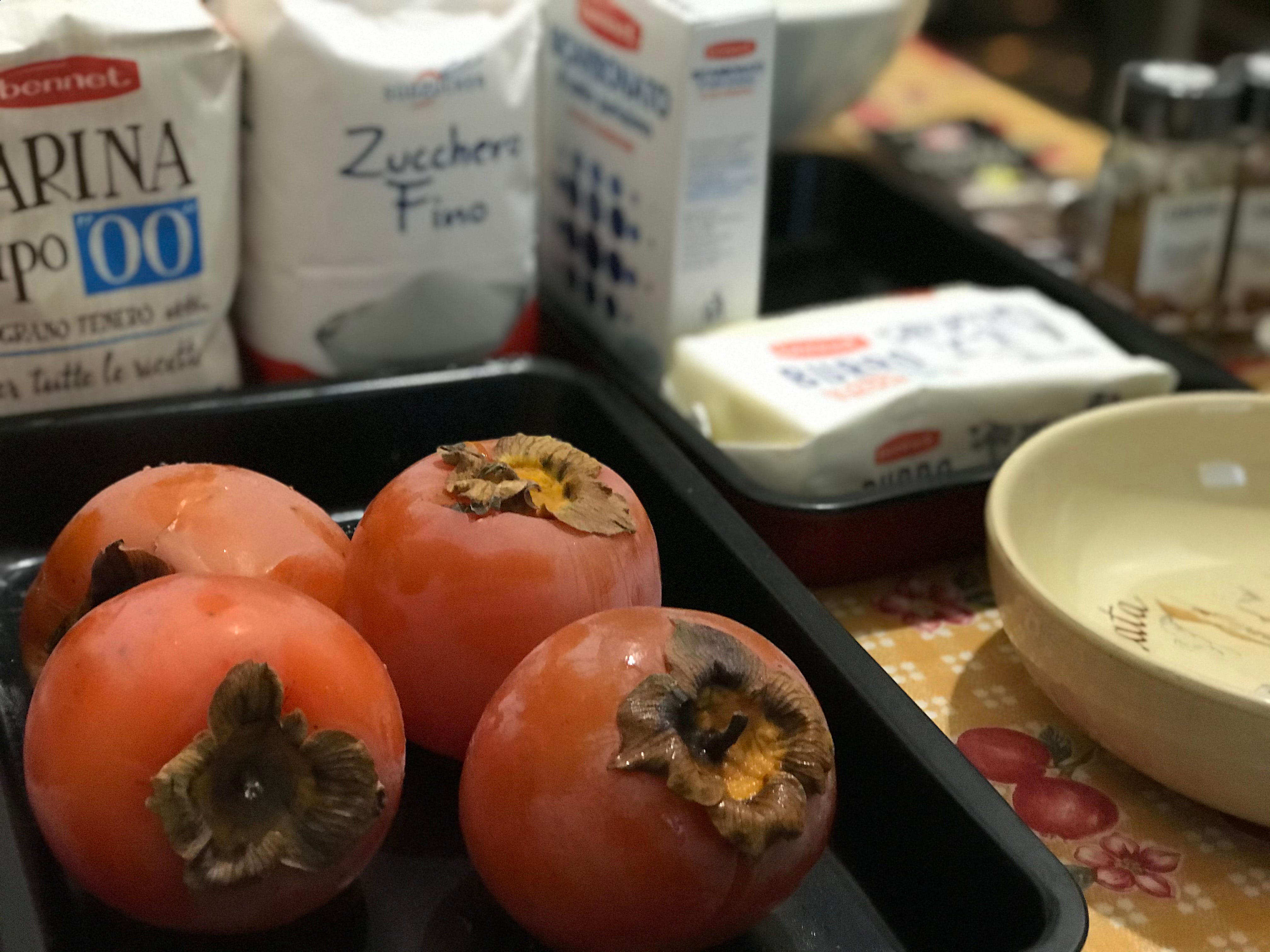
On Christmas Eve, the following week, I stepped onto the balcony to check my neglected plants. On the windowsill sat four perfectly ripe persimmons.
My heart sank.
I took them into the kitchen, turned on the oven, and pulled out the cookie sheets. I baked the cookies anyway. Her son and family love them, and she would have wanted us to have them.
In Italian, “ciao” means both “hello” and “farewell”.
Since Antonietta’s passing, when I walk across town, I still find myself scanning the street for a yellow three-wheeled bike.
What I wouldn’t give to call out, “Ciao Mamma,” once more and see her smile.
For the rest of my life, those words will mean “farewell”. But I believe one day they will mean “hello” again.
Perhaps her heavenly bike is gold instead of yellow. And surely it carries a few teacup Chihuahuas in the basket.
No posts
Comments
Nothing yet. Say the first thing.
Sign in to join the conversation.