
I was speaking to a family member over the weekend and he mentioned that he likes that I “don’t get into politics” in my newsletter. I know that he meant well, but I’m also not entirely sure if this was a compliment or a request. It’s true that I don’t speak much to domestic or foreign government in this newsletter. Just as I don’t have to paint an American Flag for my art to be political, I don’t have to explicitly write about politics for my writing to be political.
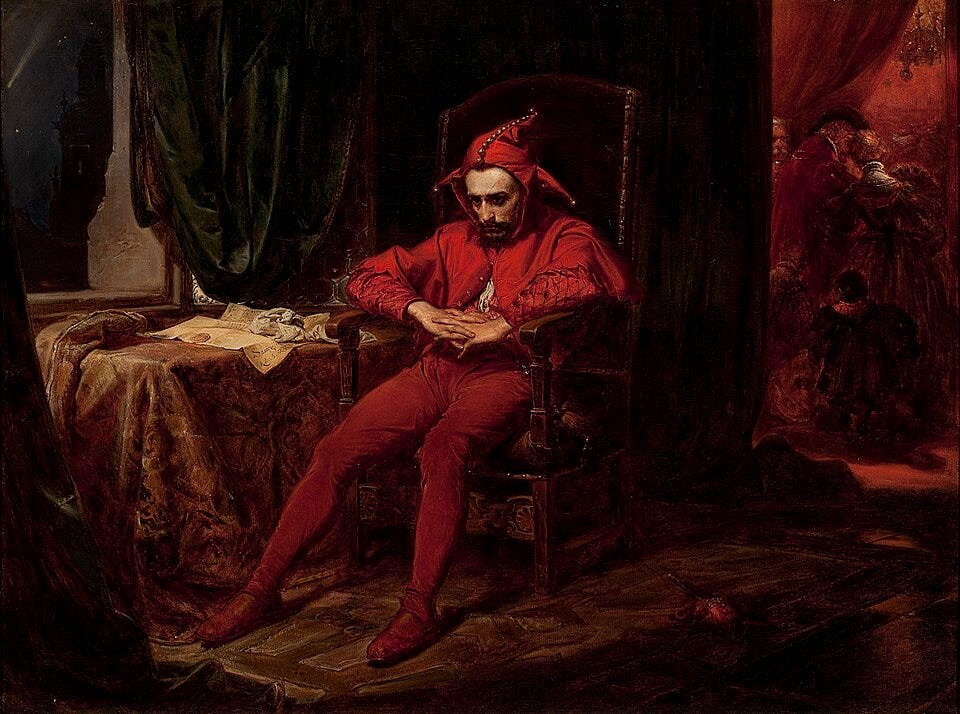
Flags are political. Consumerism and consumption are political. Having a body and taking care of it is political. Arts funding and programming are political. Creative spaces are political. Reclaiming attention by getting offline is political. Speaking to your neighbors is political. Sharing economies are political. Deep listening is political. Fatherhood is political. Being a woman is political. Being queer is political.
If you don’t view these things as political, perhaps your identity or your body haven’t been the subject of supreme court rulings, or you haven’t felt that your personal autonomy was being challenged or limited by the powers that be. But I know that you’re a human being, so I know that you have been, are currently, and always will be impacted by political decisions, whether or not you choose to be a political person.
I’m not using the word politics as a generalization. I’m talking about identity politics and legislative decisions that impact rights, funding, access, and quality of life. We fail to see race, gender, sexuality, art ecosystems, and community ecosystems as political when we are out of touch with the fact that all of these things are interconnected and impacted by actual legislation.
I write this newsletter as a queer, white, American, San Franciscan, female artist. These aspects of my identity are political and intimately shape my perspective on the world. They inform what upsets and inspires me, they inform what I notice and don’t notice, they inform what I read, they inform my experience, and they inform the power I have. Thus, they inform and drive my work.
I’m reminded of a reader’s message to Wendy MacNaughton, an artist, educator, and visual journalist with a background in social work, telling her to leave politics out of her work. The reader was presumably upset about this article, in which MacNaughton spoke about the Trump administration’s censorship of art (a painting of a transgender Statue of Liberty in an Amy Sherald’s solo show in the Smithsonian’s National Portrait Gallery, specifically) and why it matters to her as an American, an artist, a queer person, and a human being, and how we can fight back as artists.
The people voicing these complaints aren’t apolitical. I don’t think they’re allergic to politics, I think that they are afraid that someone they admire, and maybe even trust, could have views that challenge their own. We don’t know what to do with that kind of information here in the USA.
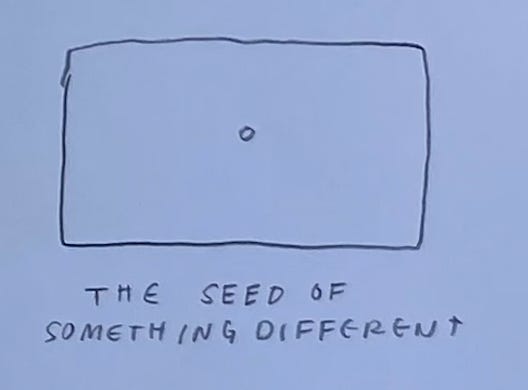
Our wires are crossed. We watch political news as entertainment and then get annoyed when our entertainment gets political. We conflate art with entertainment. We get upset when artists we admire “get political,” as if they are supposed to ignore the constant politicization of their own body, identity, or community. To deny an artist of their political expression is to deny the context and experience which brought them to make the art in the first place. Artists don’t owe anyone anything other than honest expression in whatever form that takes.
Art influences political decisions and political decisions influence art. I think about Ansel Adams’s landscapes influencing Theodore Roosevelt to sign legislation to establish and national parks and the CIA funding abstract expressionism during the Cold War. The list of art pieces and art movements and artists entwined with politics goes on and on and on.
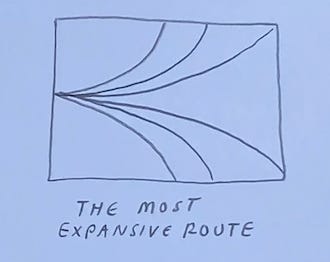
Art doesn’t have to scream a message at you to be political. There is often a subtext to the things I write, with stories and projects serving as metaphors for bigger ideas. Sometimes I spell it out and sometimes I leave that work to the reader. Sometimes I worry that I round out ideas with whimsy and twee to the point that they have completely lost their edge. This essay might seem pointed in comparison to my usual newsletters, but I promise you, I’m holding back here too.
Sure, not everything I make has political meaning. I make some pretty silly shit, just for the fun of it. But if an idea makes it here to my newsletter, and I spend hours and hours writing about it just for the sake of sharing an idea, it must be pretty dang important to me. If my work isn’t understood as part of a larger social and political context, I am not fully doing my job as an artist.
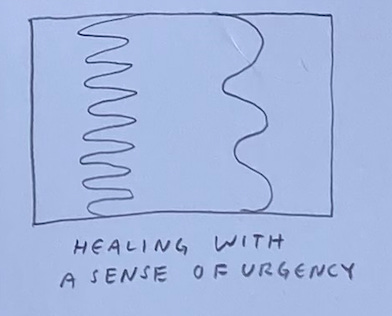
Just as art doesn’t have to be pretty paintings and whimsical words, politics doesn’t have to be yelling matches and divisiveness. I recently saw Rebecca Solnit speak, and she reminded the audience that activism looks like a lot of different things. It’s helping someone cross the street, it’s donating, it’s hosting a potluck, it’s voting, it’s picking up trash, it’s volunteering, it’s protesting. All the hurt in the world is political, you do what you can to help alleviate some of it.
If we truly care about things like art and science and wish to protect and support them, we must constantly reorient ourselves toward the political decisions that threaten them (i.e. the Trump administration cutting science, conservation, and arts funding and the continued suffering of the San Francisco arts ecosystem). And, most importantly, we must continue making honest work.
Reader, I am so glad you are here, and I have no interest in scaring you away or bumming you out with politics. I value your time and I hope you’ll appreciate that I spent a lot of my time writing this from the same place and with the same intentions I always do. I trust that readers of The Museum of Small and Important Things are interested in deep thinking and challenging ideas surrounding art and creativity. If you agree with my politics, great. If you don’t, even better. You’re totally welcome here.
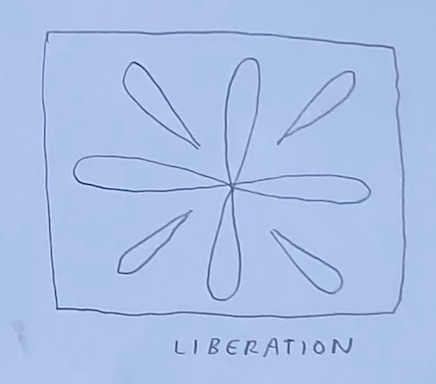
Thanks for reading! I’m an artist, writer, and illustrator. If you liked this post, one of the biggest ways you can support my work is by subscribing, sharing, or liking this post. If you’d like to check out more of my work, here’s my website and my Instagram.
What do you think about the intersection of art and politics? Let me know in the comments.
Comments
Nothing yet. Say the first thing.
Sign in to join the conversation.