
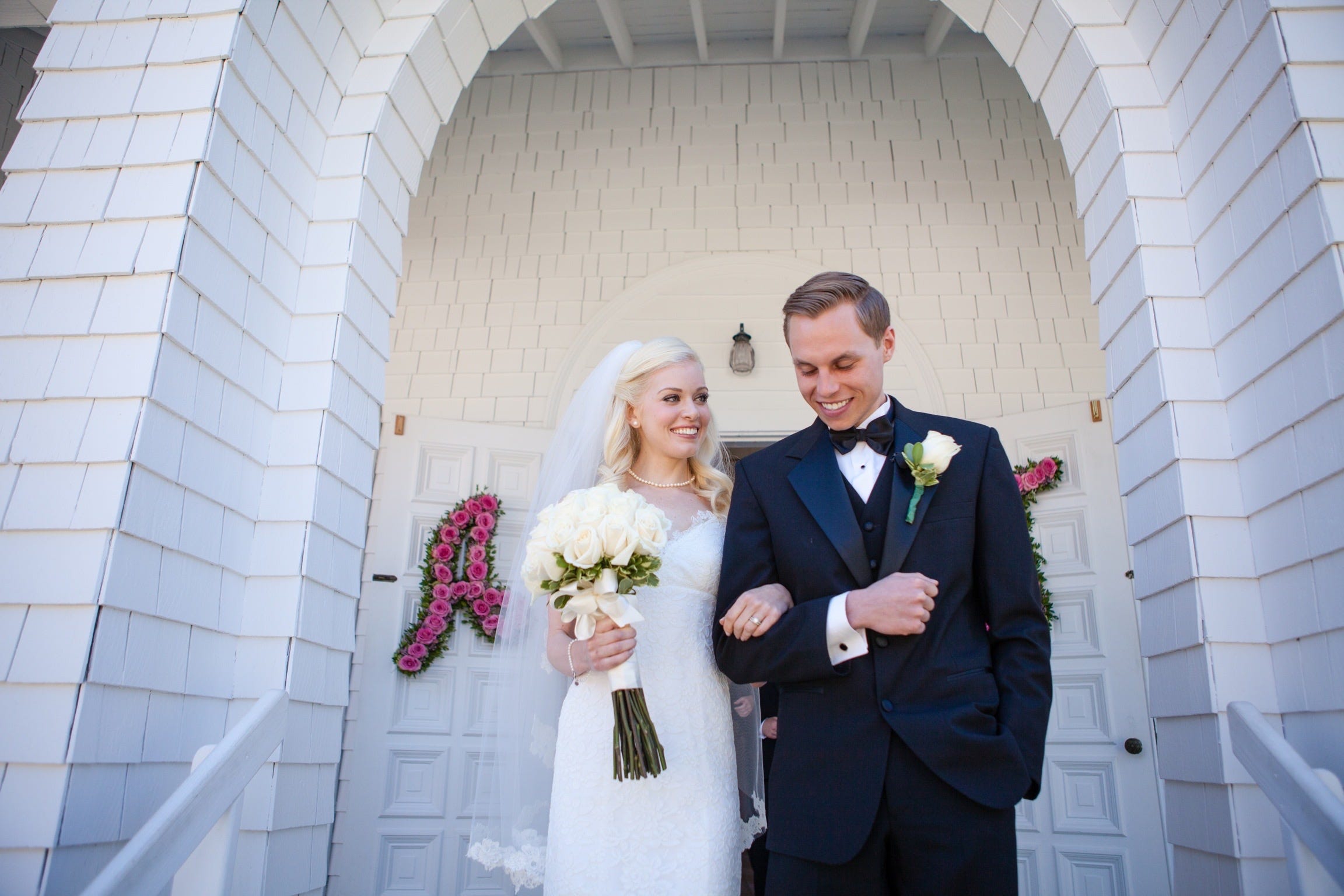
Have you ever heard that it’s rude to congratulate a bride?
If you have, you’ve probably wondered whether it’s just another outdated etiquette rule that has no place in modern life. After all, “Congratulations!” is one of the first things most of us instinctively say when someone announces an engagement or celebrates a wedding.
As it turns out, the history is more nuanced than the internet often makes it seem.
Like many etiquette traditions, this one tells us less about the “right” words to use today and more about the values of the society in which the rule originated.
The more interesting question isn’t whether we should still follow the rule. It’s why it existed in the first place.
Why brides weren’t traditionally congratulated
For generations, etiquette books instructed guests to congratulate the groom while offering the bride “best wishes.”
The reasoning reflected the assumptions of the time.
Marriage was viewed quite differently than it is today. Men were generally expected to pursue marriage, while women were expected to be pursued. In that context, “congratulations” implied success in achieving something or obtaining something. Congratulating the groom acknowledged that he had won the hand of the woman he wished to marry.
The bride, by contrast, was traditionally offered “best wishes” for her future. Some etiquette authorities also worried that congratulating her could suggest surprise that she had found someone willing to marry her, an implication that would have been considered unkind.
Whether every wedding guest consciously thought about these meanings is impossible to know. But the etiquette guidance of the time clearly reflected those cultural assumptions.
Emily Post didn’t invent the rule. She documented it.
Emily Post’s early editions of Etiquette helped preserve many of the customs of the early twentieth century, including this one.
In later editions, she wrote that it was proper to congratulate the groom but not the bride.
Reading those books today is fascinating because they serve as snapshots of another era. Alongside advice that now feels dated are countless reminders that still feel remarkably modern.
She encouraged guests to keep receiving line conversations brief so everyone had a chance to greet the couple. She reminded guests to focus on the newlyweds rather than launching into stories about themselves. And although the bride might thank guests in person for their gifts, Emily insisted that handwritten thank-you notes were still essential.
The customs may have evolved, but the underlying principles of generosity, gratitude, and consideration remain remarkably consistent.
The Elevate Edit by Alison Cheperdak is a reader-supported publication. To receive new posts and support my work, consider becoming a free or paid subscriber.
What, exactly, are we congratulating?
One reason this debate continues is that we use the word congratulations for so many different occasions.
We congratulate people on graduating, getting promoted, buying a home, having a baby, getting engaged, and getting married.
But those moments aren’t all the same.
Some celebrate achievement.
Some celebrate good fortune.
Some celebrate milestones.
Engagements and weddings are a little different because they celebrate a decision.
When we congratulate someone on their engagement today, we’re not congratulating them because they found someone willing to marry them. We’re celebrating the commitment they’ve chosen to make together. They’ve decided to build a shared life, and that’s a beautiful thing worthy of celebration.
By the wedding day, that decision has already been made. The wedding celebrates the beginning of a marriage, the public promises, and the life that lies ahead.
That shift in how we think about marriage also explains why our language has changed.
Today, marriage is widely understood as a mutual choice between two people. “Congratulations” is no longer heard as recognition that one person successfully obtained the other. Instead, it has become a joyful expression celebrating a significant life milestone.
That’s why modern etiquette authorities, including the Emily Post Institute, consider it perfectly appropriate to congratulate both members of the couple.
So what do I say?
Knowing the history has changed the way I speak, even if I don’t expect it to change anyone else’s.
Modern etiquette is clear: saying “Congratulations!” to both the bride and groom is perfectly gracious. I would never think twice if someone said it, and I certainly wouldn’t consider it a breach of etiquette.
But once I learned the history, I realized I wasn’t particularly attached to the word congratulations.
There are so many richer ways to express genuine happiness for a couple.
“I’m so thrilled for you!”
“I’m over the moon excited for you both!”
“What wonderful news!”
“I can’t wait to celebrate with you!”
Those are the phrases I naturally reach for now.
Not because saying “Congratulations” is wrong. It isn’t. Modern etiquette has evolved, and I think that’s appropriate. But understanding where the custom came from made me more intentional about the words I choose.
The real lesson
One of the things I love most about studying etiquette is that the goal isn’t to collect obscure rules or catch someone making a mistake.
It’s to become more thoughtful in how we care for other people.
Sometimes history changes the way we speak.
Sometimes it simply helps us understand why we speak the way we do.
Either way, learning the story behind a custom gives us the opportunity to choose our words with greater care.
And perhaps that’s the real gift of etiquette. Not that it tells us exactly what to say, but that it encourages us to think about why we’re saying it in the first place.
For more writing like this, my modern etiquette guide, Was it Something I Said?, is on sale wherever books are sold.
Comments
Nothing yet. Say the first thing.
Sign in to join the conversation.