
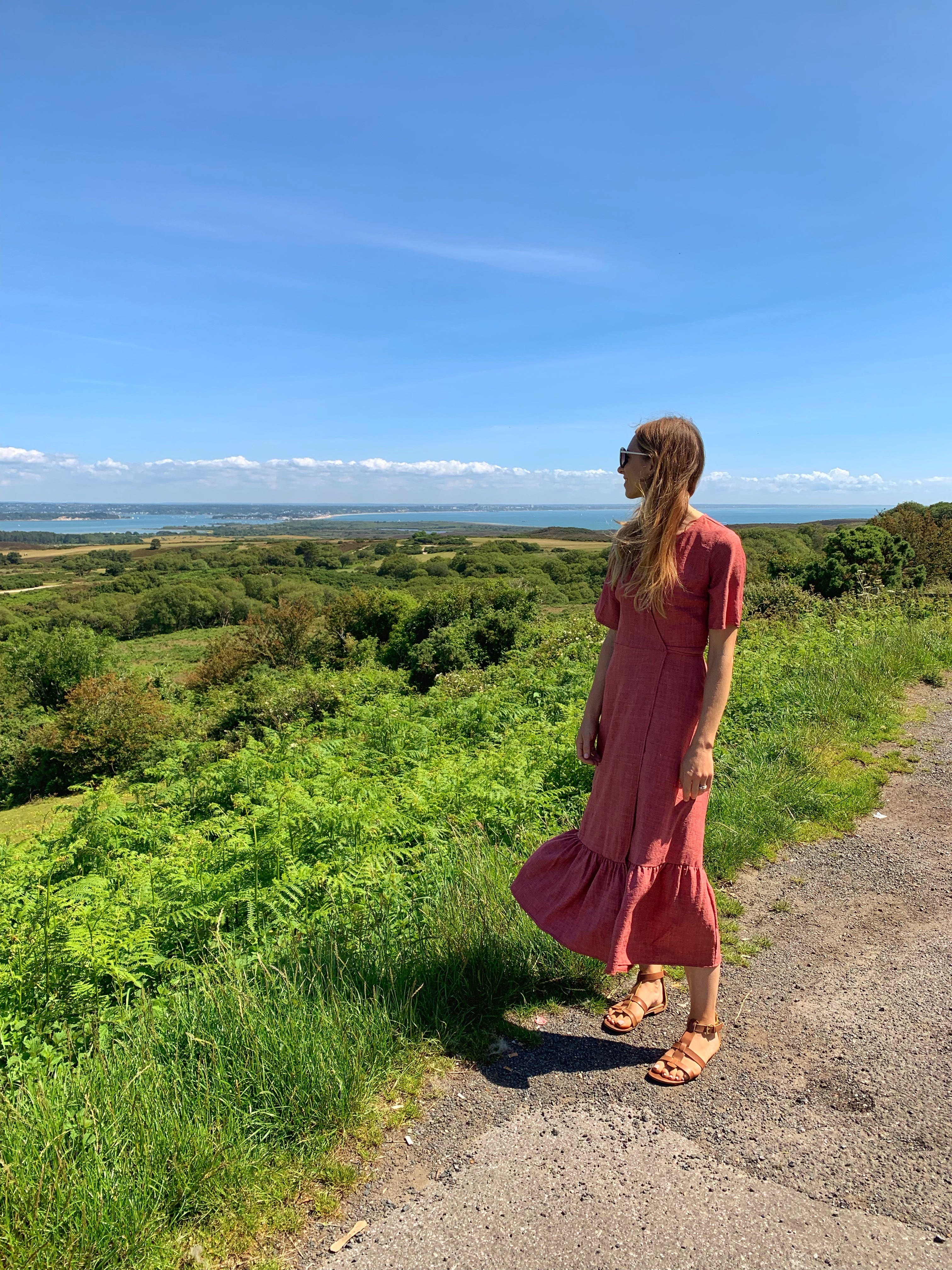
When I began writing This Wasn’t Meant to Happen, I knew exactly where it would be set: Dorset’s Isle of Purbeck. I had only visited once, on a Bank Holiday trip in the summer of 2018 - the same year we welcomed our rainbow baby, Rex - but the landscape made an immediate and lasting impression on me. Those cliffs, beaches, and the wild sweep of coastline struck me as both ancient and alive, and I knew instinctively that they would shape Sofie: her childhood, her choices, her fears. Six months later, when I was finally ready to write the novel about baby loss that had been living inside me, there was no question where it belonged.
Growing up in Hertfordshire, my family’s seaside escapes were usually Frinton-on-Sea or Clacton in Essex, and longer caravan holidays took us to Norfolk, Suffolk, or South-Western France (the Loire and La Rochelle were favourites). Dorset never really entered the picture. My parents loved Norfolk so much — its endless skies, sweeping coastline, vast beaches — that we even moved there when I was 11. With that beauty on our doorstep, we rarely felt the need to look elsewhere.
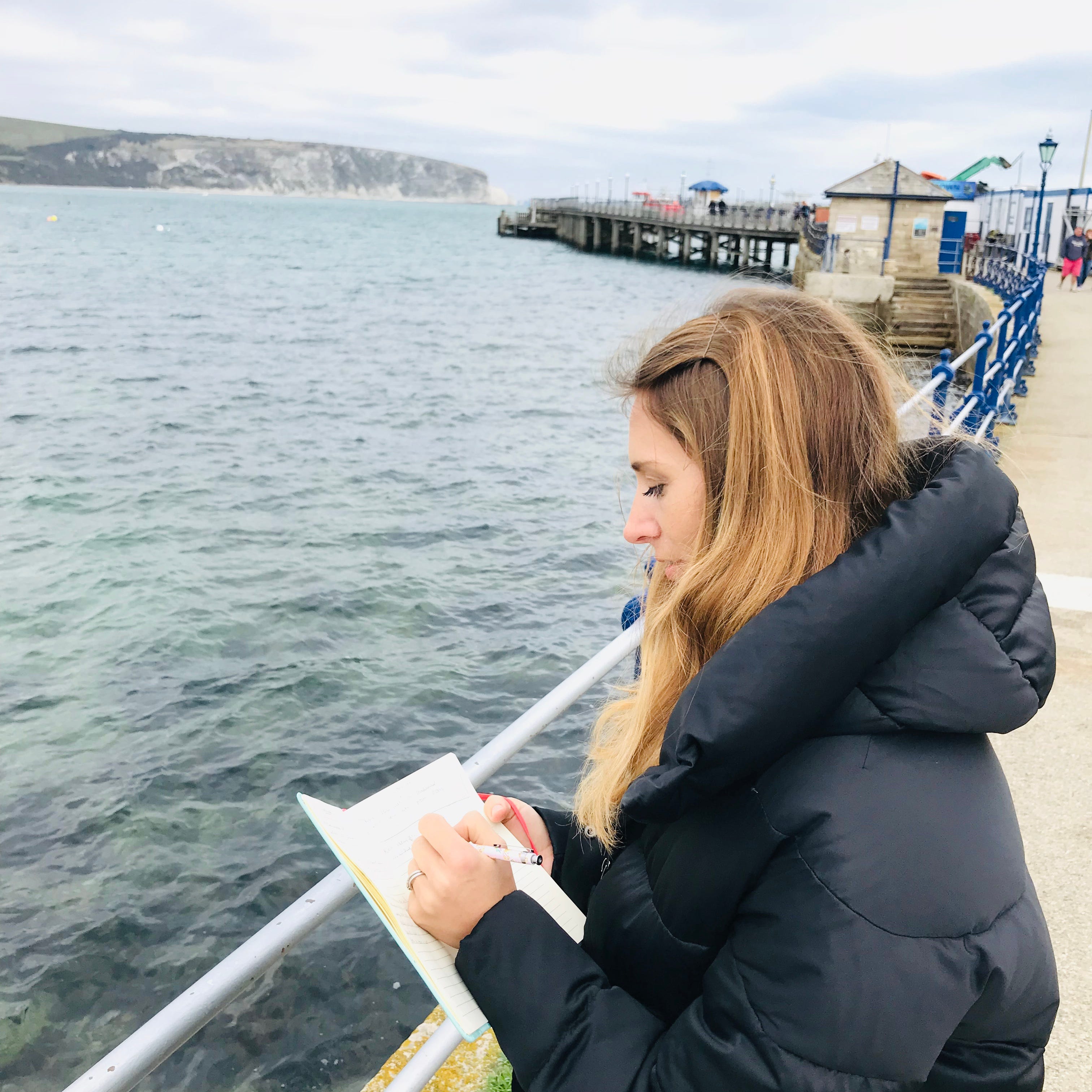
It was my Suffolk-born husband, who had studied at university in Bournemouth, who first suggested we explore Dorset as a family. I went with no expectations beyond sea air and a change of scene. Instead, I was overwhelmed. The rugged, undulating cliffs marked with prehistoric footprints felt otherworldly compared to the flat, placid coastlines I knew. Corfe Castle instantly pulled me back into my Enid Blyton-obsessed childhood - as did Swanage - reminding me that I had known this coastline before, but only through stories.
I left with the sense that Dorset, too, was demanding a story of me.
By our next visit the following summer, I had started writing what would become This Wasn’t Meant to Happen and Sofie was already taking shape. I knew she would live and work in Bournemouth, and that her Purbeck childhood and Danish roots would be steeped in nature, in the traditions of foraging, wild swimming and living from the land.
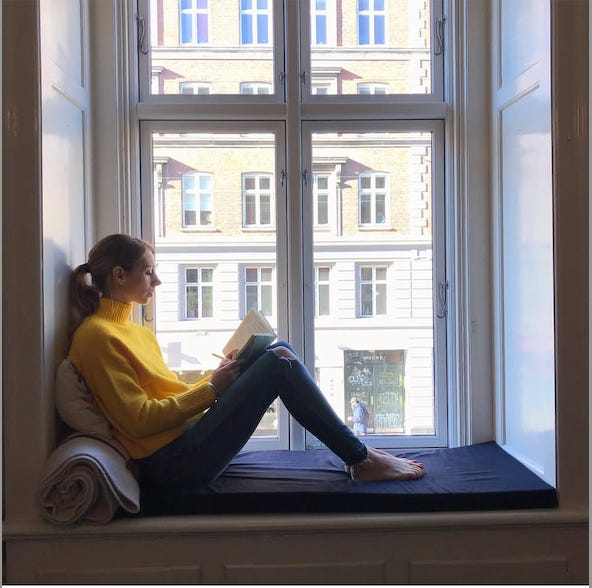
Denmark’s rugged coast, which we’d visited that Easter, also echoed Purbeck in some uncanny way. I could imagine Per - a fisherman from Denmark, a gentle, imposing giant - settling there, bringing with him a love of earth and sea but also carrying unspoken grief himself.
The setting is the canvas on which the themes of a novel are painted. For me, Purbeck embodied all that I wanted Sofie’s story to hold: grief and love, fear and risk, beauty and loss, rebirth and hope.
When I first saw Old Harry Rocks during a day trip to Swanage, they struck me like three chalk sentinels rising from the sea, standing guard over the coastline. They are separate from the land, yet inseparable from it - enduring, resilient, and unyielding. To me, they embodied grief itself: a reminder of what is lost, yet also a testament to strength, stoicism, and survival. I instantly knew they would be a powerful symbol for Sofie and that they would become a vital part of her story.
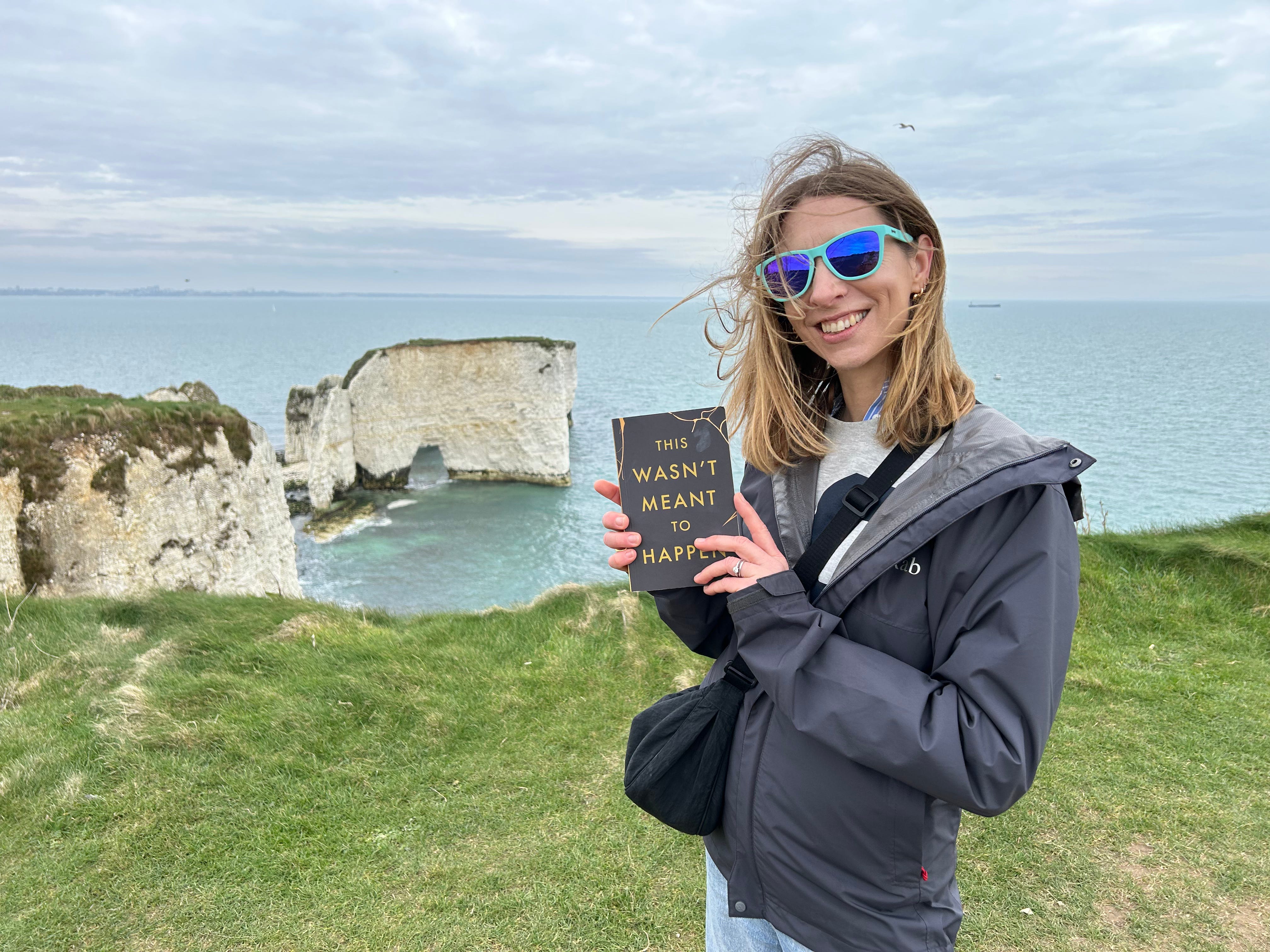
My kids were sadly too young to do the long, awe-inspiring South West coast walk on those first visits, but I knew Per, Sofie’s father, would have walked it many times on foraging trips - and that Sofie would have done too. In March this year, I finally got to walk that famous path to Old Harry Rocks with the proof copy of my book in my hand. I felt as if I were walking alongside Sofie herself - imagining her steps on foraging trips with her father, or in moments of quiet reflection, carrying her own grief and curiosity. The wind whipped my hair, the waves crashed far below, and the rocks rose like steadfast guardians. It was a profoundly moving moment - humbling and anchoring, a place where vulnerability and strength coexist. I felt the weight of loss and memory, yet also a sense of being held, of smallness balanced by belonging, and a connection to something far greater than ourselves.
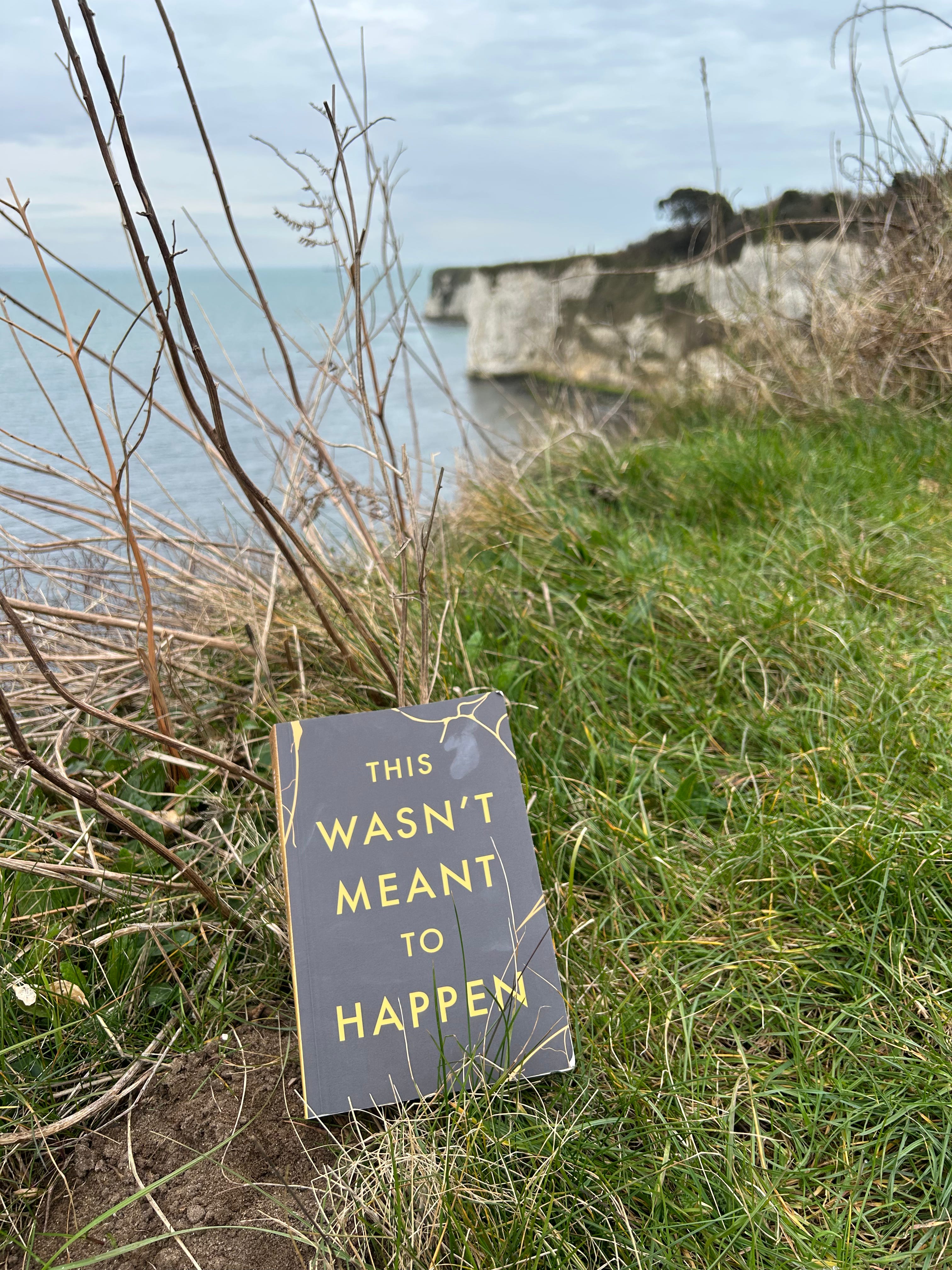
For me, Old Harry, enduring and stoic, mirrors both Sofie’s resilience and the grief she carries: reminders that strength and fragility can live side by side, that the landscape itself holds memory. Walking there with hers and Leo’s story in my hands - a story of baby loss that belongs to so many women - felt like a way of honouring both her journey, and his, and the ones so many carry within us.
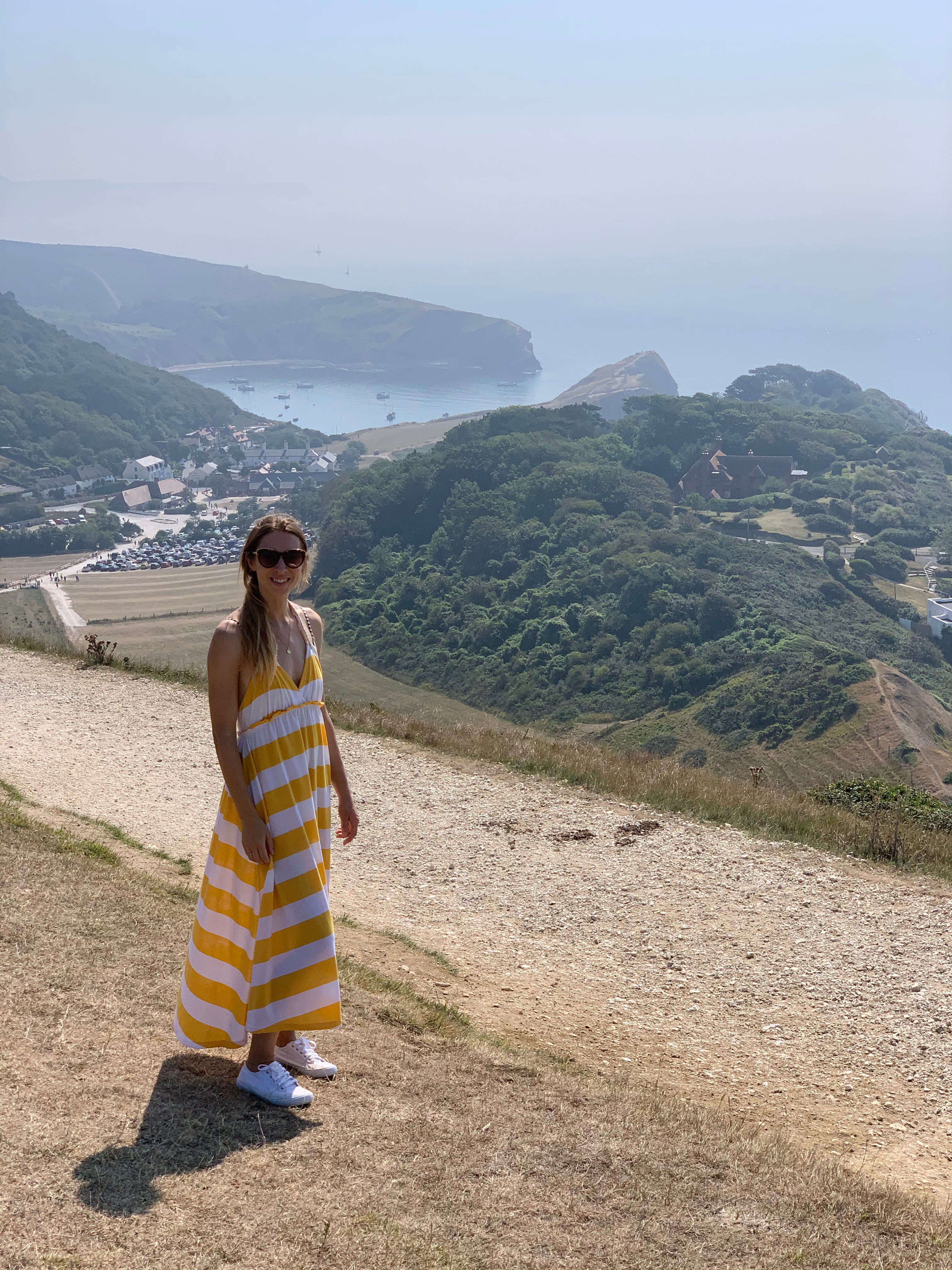
By contrast, Lulworth Cove, which I have visited with my kids, as well as the beaches of Studland, which are Sofie’s childhood playground, feel completely different. I love how Lulworth wraps around you like a protective oyster shell. Families paddleboard and swim, children scramble over stones, laughter is caught on the salt air. The sand holds these small, fleeting stories - moments of time constantly slipping away through our fingers. Studland’s long stretch of golden sand, dotted with kayakers, sailors, and paddleboarders, offers both movement and stillness - a gentle place that holds you. It’s easy to imagine Sofie returning here again and again, finding peace, feeling the rhythm of the tide, and letting the coastline cradle her as she carries her memories and grief.
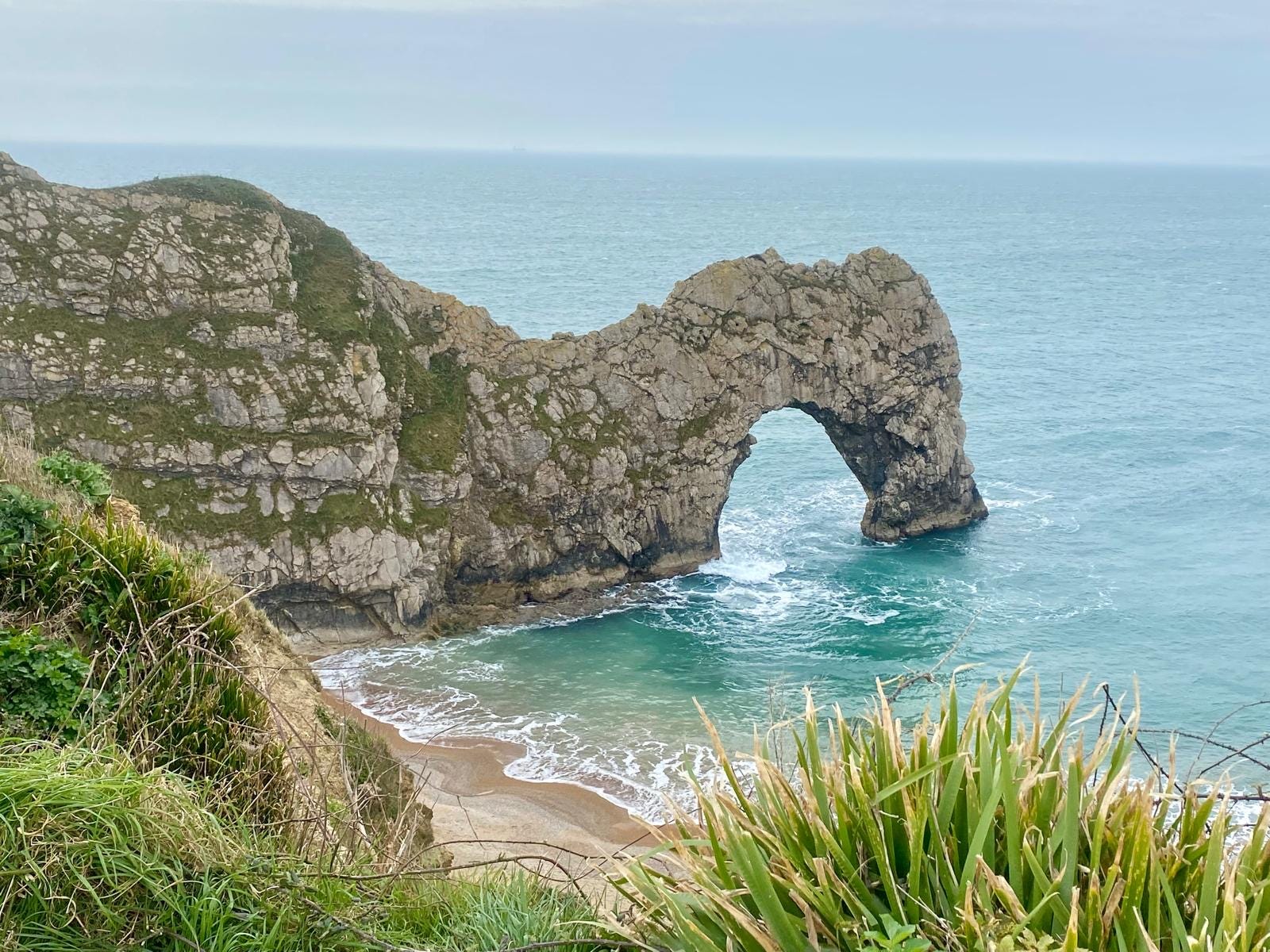
And then there is Durdle Door - a natural archway, a gateway of light and stone which took my breath away when I saw it. Sunbeams pierce through it like blessings, and sometimes, if the weather allows, a rainbow crowns the scene, past and present colliding in colour, nature’s reminder that beauty and light can exist after darkness and sorrow. Again, I knew that this landmark would feature prominently in the book.
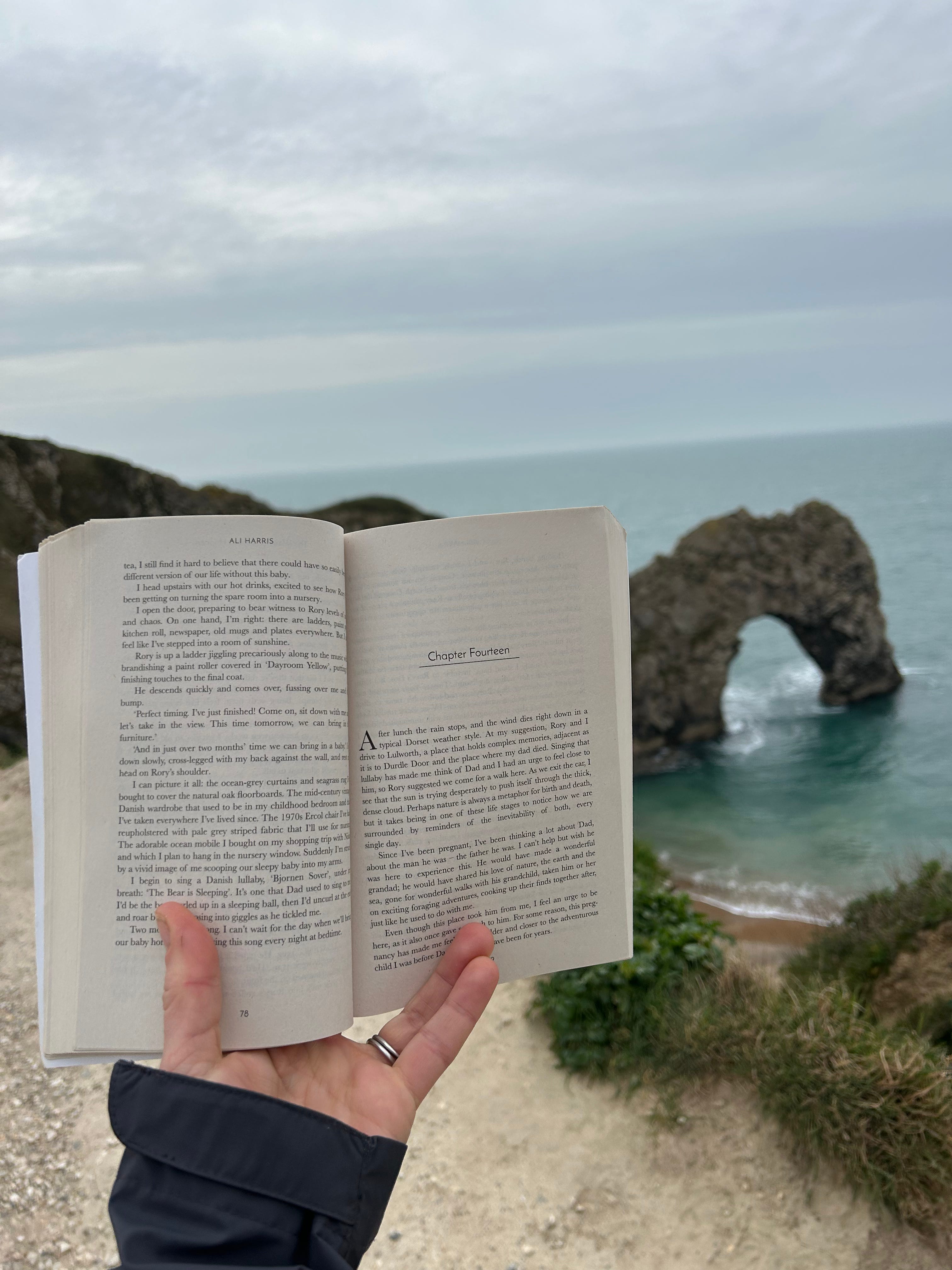
Purbeck took me by the hand and heart from the moment I first visited - and always will. Over several years, we returned to the same campsite on Purbeck, drawn again and again to its rugged cliffs, green hills, dramatic skies, and wild, untamed energy. It is a place of ancientness and renewal, of danger and beauty, of risk and reward. A place that held the story before I even wrote it - and one that still holds me now.
Even now, I can visualise Per, Sofie’s father, running his small, beloved café facing the sea - a manmade place rising to meet the wildness of the coastline, with Old Harry Rocks standing watch in the distance. It nearly broke him, but the café endured, just as the rocks do: weathered, yet reborn. Later, Angie took it on herself, trying to tame it, to keep it alive for him - a shrine to his memory. That determination mirrors Sofie’s own: her desire to hold on to the memory of her baby boy, Leo, and to keep love and loss alive in her life. This sense of resilience, of beauty coexisting with grief, runs through every page of her story.
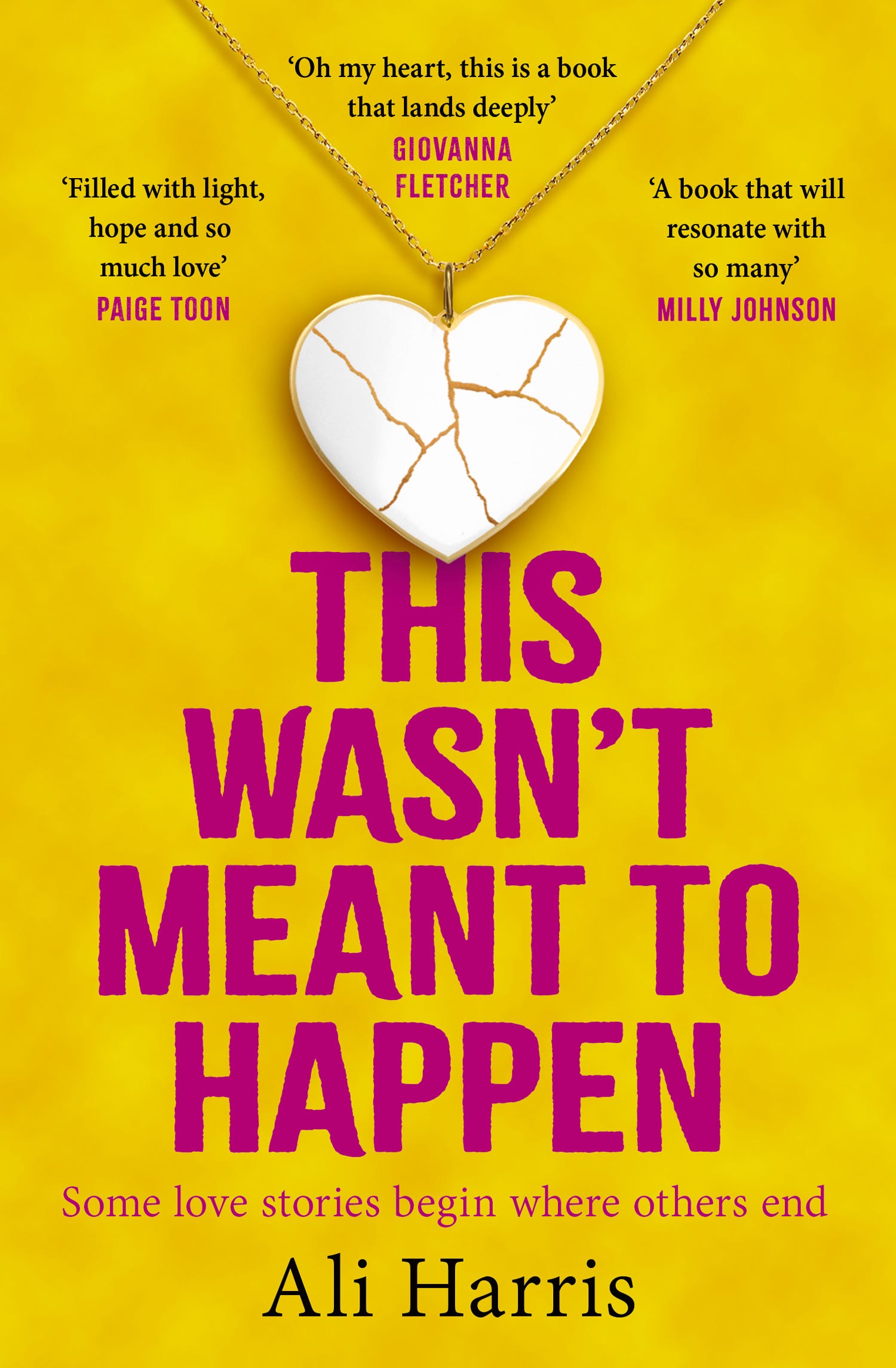
Dorset will always remind me that beauty and loss are not opposites, but companions. That stories can take root even in the hardest soil.
Sofie’s story was born here, and soon it will be in readers’ hands. But like the grief journey — and the long South West Coast Path we have walked together — it has not been an easy road. Rocky at times, with steep inclines and sheer drops. From publishers who said it was “too sad to sell” to booksellers unsure where it belonged, the path has often felt uncertain.
But grief never fits neatly into boxes. My hope is that this book will find the people who need it most because others choose to share it — readers who trust one another enough to say: This mattered to me. I think it will matter to you too.
I can’t wait for you to meet Sofie, to walk these cliffs with her, and to feel how the landscape shaped her journey. My greatest wish is that you will carry her story forward - tell it, share it - so that what she and Leo represent is gifted to those who need it the most.
With love and gratitude,


Comments
Nothing yet. Say the first thing.
Sign in to join the conversation.