
On 28th February 2026, the US callously attacked the Shajarah Tayyebeh Elementary School in Minab, murdering over 150 civilians, most of whom were schoolchildren. Global outrage ensued, but no accountability followed; indeed, the US has denied responsibility until today, citing the need for further investigations. But accountability, though unlikely to be assumed by the US, is not what the people of Minab seek. They are looking for something else. For someone else. They are looking for Makan Nasiri.
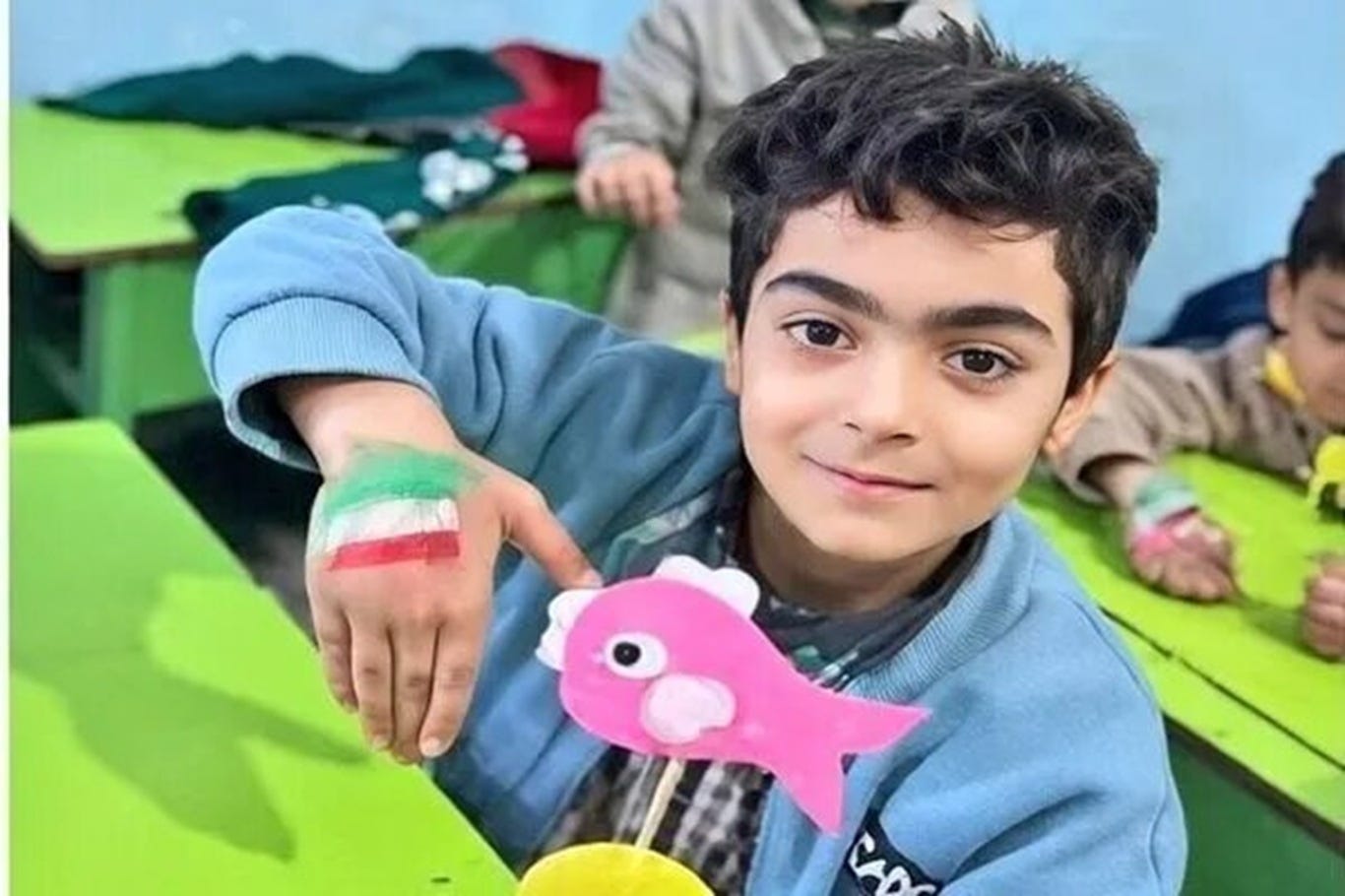
Since that terrible day, the bodies of all the victims have been recovered and identified by forensic experts — except one. Only a single shoe — and reportedly a blue sweater — belonging to Makan was found by his uncle, 38 days after his murder. Still, the people of Minab rummage through the ruins every night, seeking the smallest part of Makan to hold a burial for him.
The people of Minab also gather every night at the local cemetery to mourn their beloved children. But what of the parents who cannot find the remains of their child? How is closure attained without a burial? Where does repressed grief go? For Makan’s mother, his body’s absence is perhaps a blessing in disguise:
“I was terrified by the idea of having to place Makan in the grave, I couldn’t stand that. I prayed to God for help, and it may explain why we couldn’t find him.”
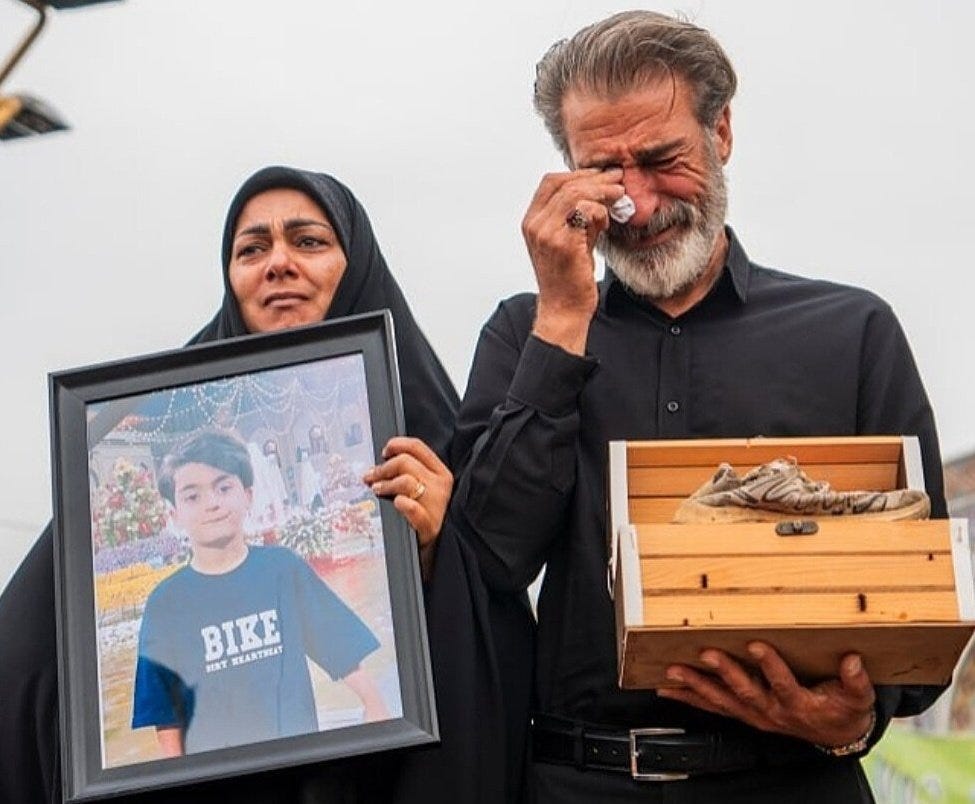
Though no trace of Makan has been found, his tragic tale has travelled far and wide, inspiring rage, grief, and art. Afshin Ala, a renowned contemporary Iranian poet, composed a poem dedicated to Makan Nasiri, titled For The Lost Joseph of Minab. I have translated the poem and present it below, in dedication to Makan and the martyrs of Minab:
For The Lost Joseph of Minab غمت تاب و طاقت ز پاکان گرفت قرار از دل سینهچاکان گرفت Your sorrow stripped from pure folk All endurance that they knew And snatched from wounded hearts All serene composure too نه تنها ز مادر نه تنها پدر توان، هفت پشت از نیاکان گرفت Your mother and father lost you, But what is even more Strength was sapped from your forefathers That came so long before هلاکو نبرد این قراری که غرب ز ما خیل از غمهلاکان گرفت Hulagu wrought not the crimes That the West did ordain When it callously seized from us Multitudes of grief-slain از آن روز خلقی مداوم گریست چو باران که هرشب کماکان گرفت Since that day a people Have cried forevermore Like the rain that billows tonight As every night before نشانت ندیدند زان رو که اشک ره دیدهی شرمناکان گرفت They saw no sign of you, for upon the eye of the ashamed A flood of tears lingered and Hindered sight’s wayward aim نشان تو باید در آئینهها نه از خفته در خون و خاکان گرفت A sign of you must be sought In gilded mirrors hanging high Not from those lying amidst Pools of blood and dirt nearby سراغ تو را باید از دشتها میان بلوطان و تاکان گرفت A trace of you must be sought In vast and verdant plains Among the groves where winding vines And chestnut trees do reign تو پنهان شدی از نظرها ولی تمام وطن، عطر ماکان گرفت You remain hidden from our sight But even so we understand That the fragrant scent of Makan Envelopes the entire motherland
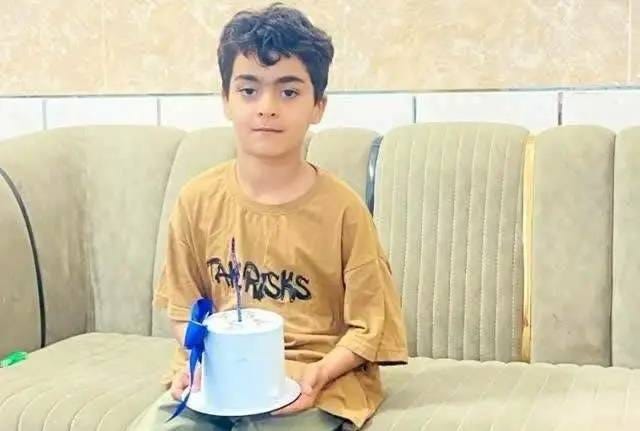
Please recite a fatiha for the soul of Makan Nasiri and all the martyrs of Minab. But beyond that, please consider offering a donation. There are difficulties donating to Iran due to sanctions and political entanglements, but I’ve found one recognised charity that does great work in Iran.
https://momsagainstpoverty.org/country/iran/
Please donate generously, and feel free to share links to other charity organisations in the Comments section.
Thanks for reading Numinous! Subscribe for free to receive new posts and support my work.
Comments
Nothing yet. Say the first thing.
Sign in to join the conversation.