
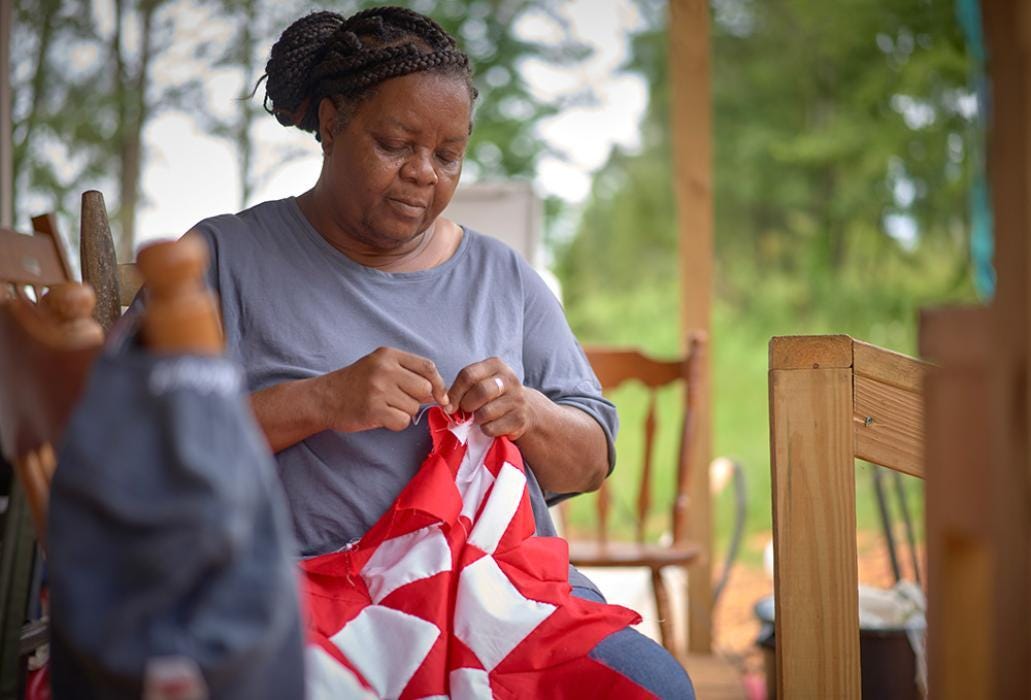
When people think about African artistic traditions, they often focus on sculpture, masks, jewelry, or architecture. Yet some of the most sophisticated knowledge systems on the continent have always been carried in cloth. Across Africa, textiles have functioned as archives, status markers, spiritual technologies, and historical records. Colors, patterns, weaving techniques, and materials communicate information that extends far beyond fashion.
Textiles preserve stories. They mark life transitions. They identify communities. They embody spiritual beliefs. In many cases they perform the same functions that written documents serve elsewhere. A textile can tell a viewer where a person comes from, what role they occupy in society, what ancestors they honor, and what values they carry.
These traditions survived the violence of the transatlantic slave trade and continued to evolve throughout the Black diaspora. In North America, quilting became one of the most important ways Black communities preserved creativity, memory, and cultural identity. Together, African textile traditions and Black quilting traditions offer powerful inspiration for fantasy worldbuilding, tabletop roleplaying games, and speculative fiction.
For creators of African inspired fantasy, cloth should never be treated as mere decoration. Fabric can become history, technology, magic, and social power woven into a single object.
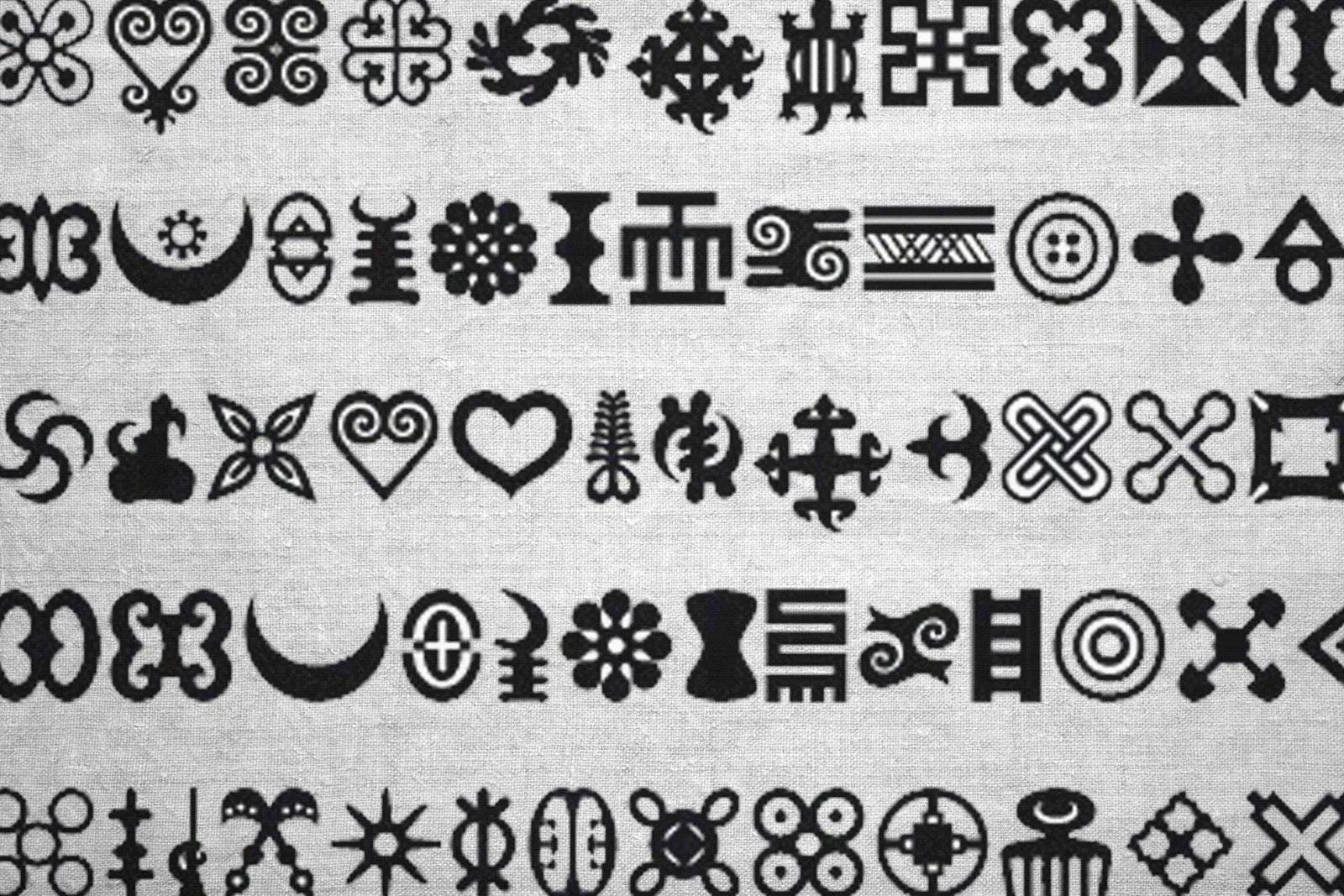
Across Africa, textile traditions developed into highly sophisticated systems of visual communication.
Kente cloth from Ghana is perhaps the most widely recognized example. Woven in narrow strips and assembled into larger garments, Kente incorporates patterns and colors that communicate philosophical concepts, social values, and historical memories. Gold may symbolize wealth and leadership. Green may signify growth and renewal. Black often represents maturity and ancestral wisdom. Individual patterns carry names and proverbs that transform cloth into a form of storytelling.
Adinkra cloth expands this communicative tradition even further. Rather than relying solely on weaving patterns, Adinkra artisans stamp symbolic designs onto fabric. Symbols such as Sankofa, Gye Nyame, and Aya represent complex philosophical ideas concerning memory, divine power, resilience, and communal responsibility.
In Mali, Bogolanfini or mud cloth combines weaving, natural dyes, and fermented mud to create garments rich with symbolic meaning. Historically, particular designs could identify hunters, warriors, healers, or social positions. The cloth itself became both protection and communication.
Indigo traditions flourished across West Africa through Yoruba Adire, Hausa dyeing centers, Tuareg garments, and Mandé textile production. Deep blue fabrics often signified prestige, spiritual significance, and connections to ancestral knowledge. Resist dyeing techniques created intricate visual narratives that transformed simple cloth into cultural documents.
The Kuba peoples of Central Africa developed raffia textiles featuring geometric abstraction, layered embroidery, and asymmetrical design principles. These textiles demonstrate that African aesthetics have long embraced improvisation, complexity, and visual experimentation.
Taken together, these traditions reveal an important truth. African textiles are not merely decorative. They are systems for storing and transmitting knowledge.
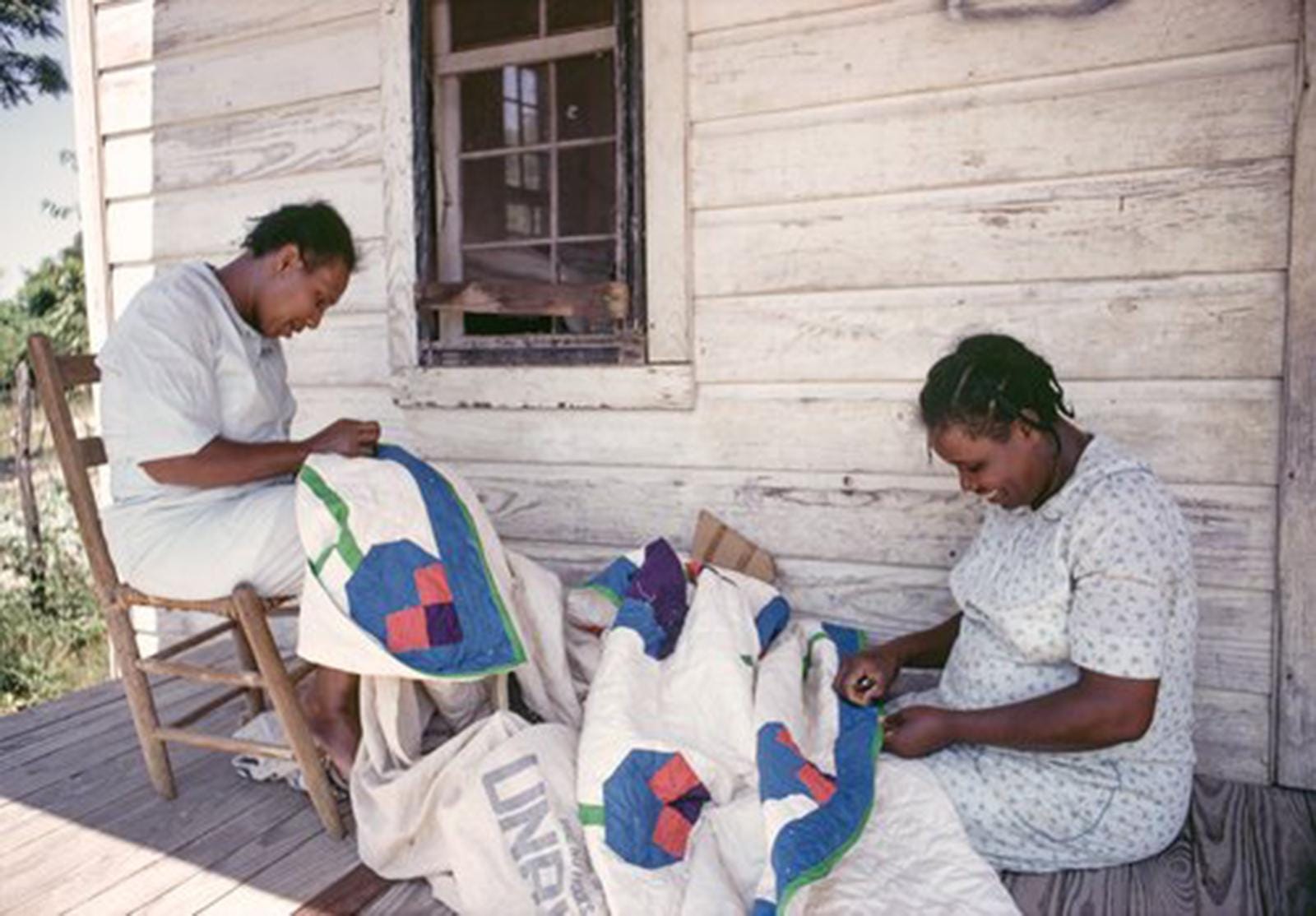
The forced displacement of millions of Africans disrupted many textile traditions. Enslaved people were often denied access to traditional materials, looms, dyes, and techniques. Yet cultural knowledge survived.
Throughout North America, Black communities transformed scraps of fabric, worn clothing, and discarded materials into quilts that carried memory across generations. These quilts served practical needs, but they also preserved artistic principles deeply rooted in African aesthetics.
Improvisation became a defining feature. Rather than rigid symmetry, many Black quilting traditions embraced flexibility, adaptation, and creative variation. Patterns evolved according to available materials and community needs.
Perhaps no example illustrates this better than the quilts of Gee’s Bend, Alabama. For generations, Black women created quilts characterized by bold geometry, striking color relationships, and innovative compositions. Art historians often compare these works to modern abstract art, yet the quilters developed their visual language through lived experience rather than formal artistic movements.
Quilts also became historical documents. They recorded family stories, migration journeys, religious experiences, community struggles, and acts of resistance. Every patch could contain a memory. Every stitch could preserve a relationship.
As Black families participated in the Great Migration, quilts traveled with them. They became portable archives carrying ancestral knowledge from the rural South into Northern and Western cities. Long before digital storage, quilts functioned as repositories of cultural memory.
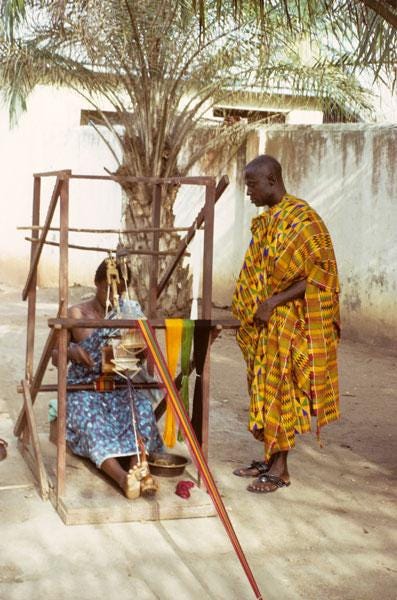
Fantasy settings often feature blacksmith guilds, wizard colleges, merchant houses, and thieves’ guilds. Textile guilds deserve equal attention.
A textile guild can become one of the most influential institutions in a setting. Cloth is necessary for clothing, trade, ritual, military uniforms, navigation, communication, and ceremony. A guild that controls textile production may wield enormous economic and political influence.
Imagine the Guild of Indigo Keepers, whose members alone know how to create dyes capable of preserving magical inscriptions. Consider the Weavers of Sankofa, an organization responsible for recording history through woven patterns rather than books. Perhaps a Quiltmaker Covenant travels between cities documenting major events through communal textile projects.
Different guild branches could specialize in unique skills. Pattern Masters preserve historical records. Dye Alchemists create magical pigments. Loom Engineers design enchanted weaving devices. Textile Archivists maintain cloth libraries where every tapestry contains generations of accumulated knowledge.
Such guilds fit naturally into African inspired fantasy because they place memory, craftsmanship, and community at the center of social power.
African textile traditions provide remarkable inspiration for magical professions in Dungeons & Dragons.
The Armorer Artificer offers particularly rich possibilities. Most players imagine armor as metal plates and mechanical devices. Yet an African inspired Armorer could create enchanted protective garments woven from sacred fibers, indigo treated cloth, raffia composites, or ancestral textiles.
Instead of forging steel armor, the Armorer might weave protective Kente inspired battle robes. Magical symbols stitched into the fabric could reinforce defensive enchantments. Mud cloth patterns might absorb hostile magic. Indigo dyed garments could grant resistance to curses or psychic attacks.
Armor modifications become textile enhancements. Arcane plating could take the form of layered ceremonial cloth. Defensive field generators might be embroidered patterns activated through ancestral songs and ritual weaving techniques.
The Wizard class also benefits enormously from textile traditions. Spellbooks need not always be books. A wizard might record spells within woven tapestries, embroidered cloaks, or quilted archives.
Different schools of magic could use distinct textile traditions. Diviners might read future possibilities through shifting quilt patterns. Abjurers could stitch protective sigils into ceremonial garments. Illusionists might create animated textiles that transform appearance and perception. Necromancers could preserve ancestral memories within funerary cloths.
Imagine entering a wizard’s library and finding not shelves of books but hundreds of hanging textiles containing centuries of accumulated magical knowledge.
Many fantasy settings borrow heavily from medieval Europe. African textile traditions offer pathways toward different forms of worldbuilding.
Rather than castles filled with stone records, societies might preserve history through woven archives. Royal courts could employ master textile historians. Diplomatic treaties might be recorded on ceremonial cloth rather than parchment. Religious institutions might maintain sacred quilts that document cosmological events.
Textiles could also serve as magical technology. Maps may be woven rather than drawn. Communication networks might rely on coded patterns transmitted through trade caravans. Enchanted fabrics could store memories, preserve voices, or record dreams.
Guilds, kingdoms, and spiritual traditions could all possess distinct textile identities. Clothing becomes more than costume design. It becomes a visible expression of culture, philosophy, and collective memory.
Such approaches create fantasy worlds that feel fundamentally different from traditional European inspired settings while remaining grounded in authentic historical practices.
African textiles and Black quilting traditions remind us that cloth has always been more than fabric. It is memory made tangible. It is history that can be worn, displayed, carried, and inherited.
For speculative creators, these traditions offer extraordinary possibilities. A quilt can become a spellbook. A woven robe can function as armor. A tapestry can preserve centuries of historical knowledge. A textile guild can shape the destiny of kingdoms.
The greatest lesson these traditions provide is that culture itself can be a technology. Long before computers stored information in silicon, communities stored knowledge in thread. Long before archives occupied government buildings, history lived in cloth. Long before fantasy writers imagined magical artifacts, artisans transformed fabric into vessels of meaning, identity, and power.
In African inspired fantasy and tabletop roleplaying games, textiles deserve to stand alongside swords, crowns, and spellbooks as objects capable of shaping the world. Every stitch carries a story. Every pattern preserves a memory. Every woven thread connects the past to the future.
The future, like the past, is something we weave together.
No posts
Comments
Nothing yet. Say the first thing.
Sign in to join the conversation.