
Underexposed is a weekly ad-free film publication celebrating great underseen cinema and moviegoing culture. Paid subscribers get exclusive essays, videos, and more - while supporting the future of movie culture.
I did not go to film school. Most of what I know about making movies I learned in the line of fire, working on sets under skilled elders.
There was Johnny, the AC who pulled focus for Scorsese, who taught me how to swap a mag; Barbara, the Long Island shit-kicker who showed me how to produce a Super Bowl commercial; Greg, the grumpy gaffer who schooled me in the vagaries of opal.
But I never found a “true” mentor. By that I mean an accomplished screenwriter or director who took an extended interest in my development, or occasionally opened a door. This is not for lack of trying. I made plenty of clumsy attempts to attract such a person, but none took hold.
Perhaps mentors were mostly fictional, I told myself - a sentimental story device not found in the real world. Mr. Miyagi was a movie character; Pat Morita hawked Colgate. Yoda was a puppet.
Then I’d hear about a screenwriter friend who’d been taken under a showrunner’s wing, and given a seat in a writer’s room. Another friend’s mentor would executive produce their film. I felt a stab of envy. Was I not mentee material?
“Our chief want in life is somebody who will make us do what we can.” - Ralph Waldo Emerson
From the beginning, film has been an apprenticeship-driven industry. Victor Fleming started as a stunt driver. John Ford worked as a background actor. John Huston was a script editor. They might have remained so if not for an informal ladder that allowed greenhorns to ascend in the studio system, overseen by mentors.
It was hardly a square deal. Hollywood always had its nepotism, discrimination, and crusty casting couches. But unlike today, the people who made it through the gates were expected to hold them open for the young mug coming up behind.
Mentorship predates Hollywood by thousands of years. In Homer’s Odyssey, Telemachus is guided by Mentor, whose name became synonymous with the role. By the Middle Ages, apprenticeships were formalized through guilds. The practice has remained with us since.
That is, until recently.
Gen Z workers increasingly say they’re going without adequate mentorship. More broadly, a poll by the American Job Quality Study revealed that only 28 percent of workers received any mentorship, while Gallup has found that employees with mentors are twice as likely to say they have opportunities to learn and grow.
Mentorship not only benefits those receiving it. It’s vital for the continuity of organizations, industries, civilizations. Which is why I find it very alarming that mentorship is suddenly so hard to come by. Seriously, where’d it go? Did it die? Or was it… murdered?
“You can't cheat the laws of interpersonal physics.” - John Grovender
Mentorship requires three ingredients: time, trust, and institutional stability - three things almost nobody has much of these days, even at the top.
Since the 1960s, a funny set of ideas has taken hold in Western life: that efficiency is the highest virtue, and that a good life is primarily a project of self-actualization. Some trace this to counterculture, with its mindless worship of youth and hyper-individualism. Others implicate late capitalism, with its ruthless union-busting and short-term profit seeking. Both helped produce a society that’s ever more beleaguered and alone. As trust in the economy erodes, decades of job-hopping have shifted sharply into job hugging - with older employees hanging onto jobs longer. Their wealth of knowledge no longer trickles down; it is hoarded in the name of job security.
Without human mentors to consult, newcomers have turned to TikTok gurus, Reddit boards, and LLM chatbots. But general advice isn’t personalized guidance, and information is not knowledge.
In a world hellbent on swapping supervision with surveillance, and mentors with management tools, is mentorship doomed?
Maybe it’s up to us…
“The perception that you are alone is the thing that makes you think you can’t do anything.” - Joe Rohde, Disney Imagineer
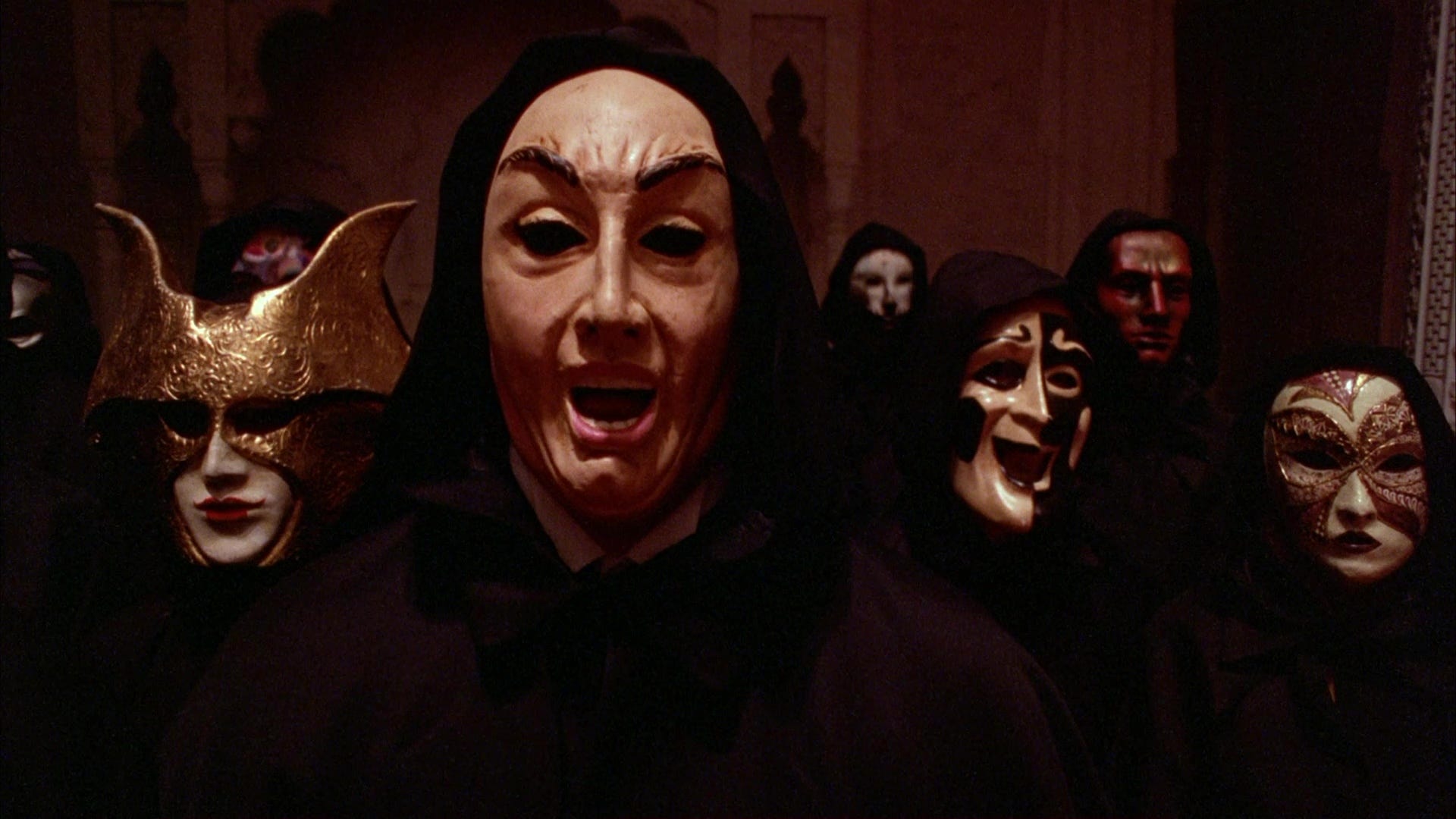
In the Fall of 2021, I found myself in a room full of masked NYU Drama students. COVID was raging, and they were taking first steps back into classrooms after a year of tortured Zoom acting. Not that acting in masks was much easier. The guidelines permitted only one unmasked person in the studio at a time, meaning we had to roll camera and leave the room while each unmasked and performed, alone.
As a filmmaker who was brand new to teaching, I feared that this would provoke a rebellion. To my surprise, the students seemed enlivened by this absurd challenge. Together, we concocted workable plot lines and shooting styles - a sci-fi short with characters separated by a “lab containment window,” another involving floating disembodied heads - ideas that never would’ve surfaced in normal times. Rather than stunt creativity, the restrictions seemed to grow it. And the enthusiasm, like the coronavirus, was highly contagious.
When the mentorship I had spent years looking for was suddenly being expected of me, I discovered something I’d never considered: Being a mentor can be just as rewarding as having one. Teaching film was never my plan, but it has turned out to be one of the most deeply gratifying surprises of my life.
If not for this experience, I never would have started Underexposed. After noticing how woefully few older movies my film students had seen, I set out to pass recommendations along every Friday. In the two years since it began, Underexposed has amassed a readership of thousands, including some of my heroes - a fact that I still struggle to process. A few have extended professional opportunities to me, and I have no doubt those relationships will continue to compound.
The remedy for the decline of mentorship, it turns out, is embarrassingly simple: more mentorship. Mentoring has made me more hopeful for the future, and more willing to fight for it. If you’re lucky enough to have a mentor, be one for somebody else. If you’re waiting for a mentor, look for someone you can help in the meantime. As a wise old puppet once said, “Mentor we must.”
Why Tyrants Love Pessimists, according to Joseph Gordon-Levitt: “Optimism, of course, has sort of grown corny. You’re afraid if you sound optimistic, you’ll sound naive or you’ll sound ignorant. But it’s actually the opposite: pessimism is the naive thing. If we can look at the present moment and acknowledge all the huge problems, look at the past and acknowledge all the brutality and tragedy, but still look forward and say, yeah, we can make it better. Is that naive, or is it necessary?
Pessimists don’t fight. Pessimists don’t organize. Pessimism is giving up. It’s surrender.”
Meaning-making is an act of resistance, writes Courtney Romano this week: “We have a right to be moved by unsayable, unspeakable, unmistakably mundane moments. We have a right to transmute our pain into something we can bear. We have every right. Let’s not forget it.”
As Directors Rise From YouTube, What’s Film School for, Then? This week in The Ankler, Matthew Frank investigates: “Cinema literacy and shared language can help in meetings with older executives, [YouYube breakout director Dylan Clark] says. But more than that, ‘what you’re paying for is the opportunity to be in a community and find a community of people who are actively making things, and failing comfortably.’” I have previously explored this question on Underexposed here.
American Independent Film Production Is Dying. Jeff Nichols Wants to Save It: “The truth is, as state-based subsidies continue to change and move, that’s not enough. We have to find ways to have independent film producers stay in the United States, and it’s a massive challenge, so that in between the big studio films there’s a thriving ecosystem of film.”
This week’s Underexposed Movie Pick:
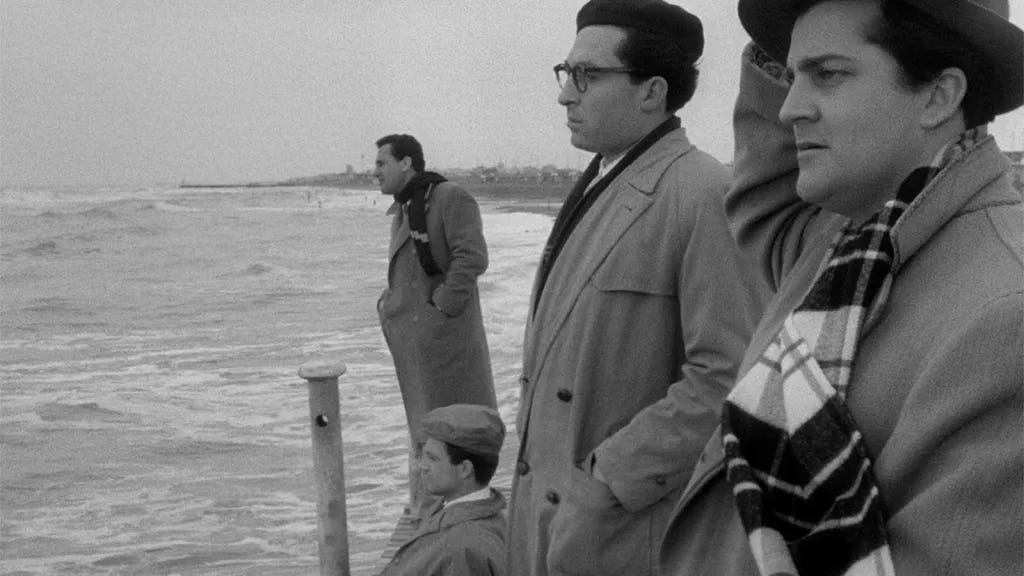
One in three American men are not working - a nearly 20-year low - with young men participating in the labor force at far lower rates than previous generations. While many will rightly call this a crisis, I see an opportunity - to revisit one of my favorite Fellini films, I Vitelloni.
At summer’s end, five young unemployed men haunt their small Italian seaside town, chasing chamber maids, writing “important” plays, and making foolish mischief as they blunder into adulthood. Said to be Stanley Kubrick's favorite film and a key inspiration for Martin Scorsese’s Mean Streets, I Vitelloni (“large young calves”) might be the least Felliniesque of Fellini’s films - there is no surreal grotesquerie here. However, I Vitelloni finds Fellini for the first time wrestling with a central theme of his work: the gap between the follies of youth and the responsibilities of adulthood.
Now streaming on HBO Max and elsewhere.
Thanks to all who participated in last week’s End of Summer Challenge, and congrats to our winner, Paulina S., who will be receiving the first-ever Underexposed t-shirt.

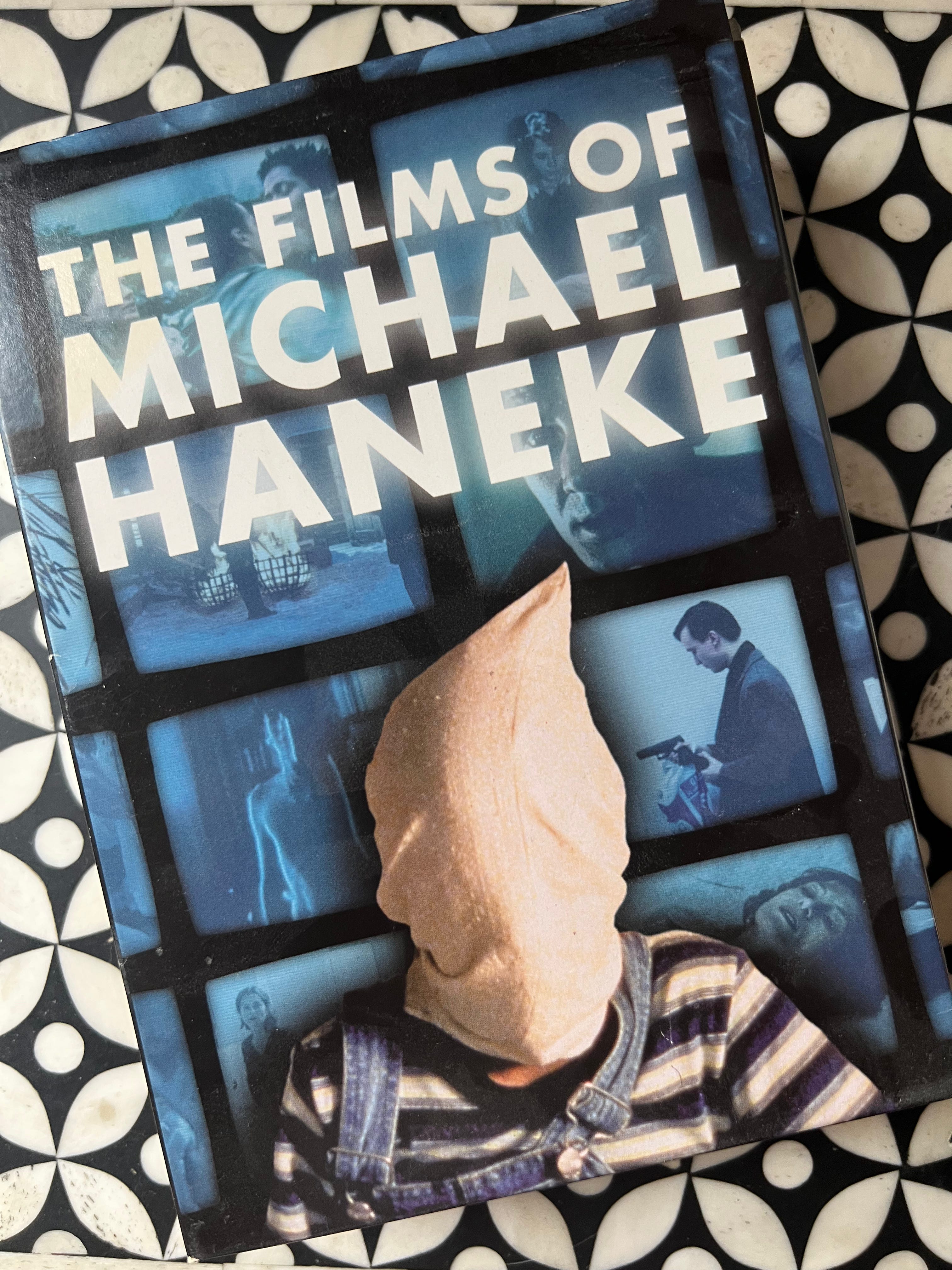
It was a sad day for sadomodernists this week when Michael Haneke announced his retirement from filmmaking. Luckily, he’s left us a trove of ten disturbing masterpieces. If you haven’t seen his work, consider picking up this handsome box set.
Thank you for reading Underexposed. If you enjoy what I do here, please like, subscribe and share it with your movie buddies.
See you next Friday,
Alex
No posts
Comments
Nothing yet. Say the first thing.
Sign in to join the conversation.