
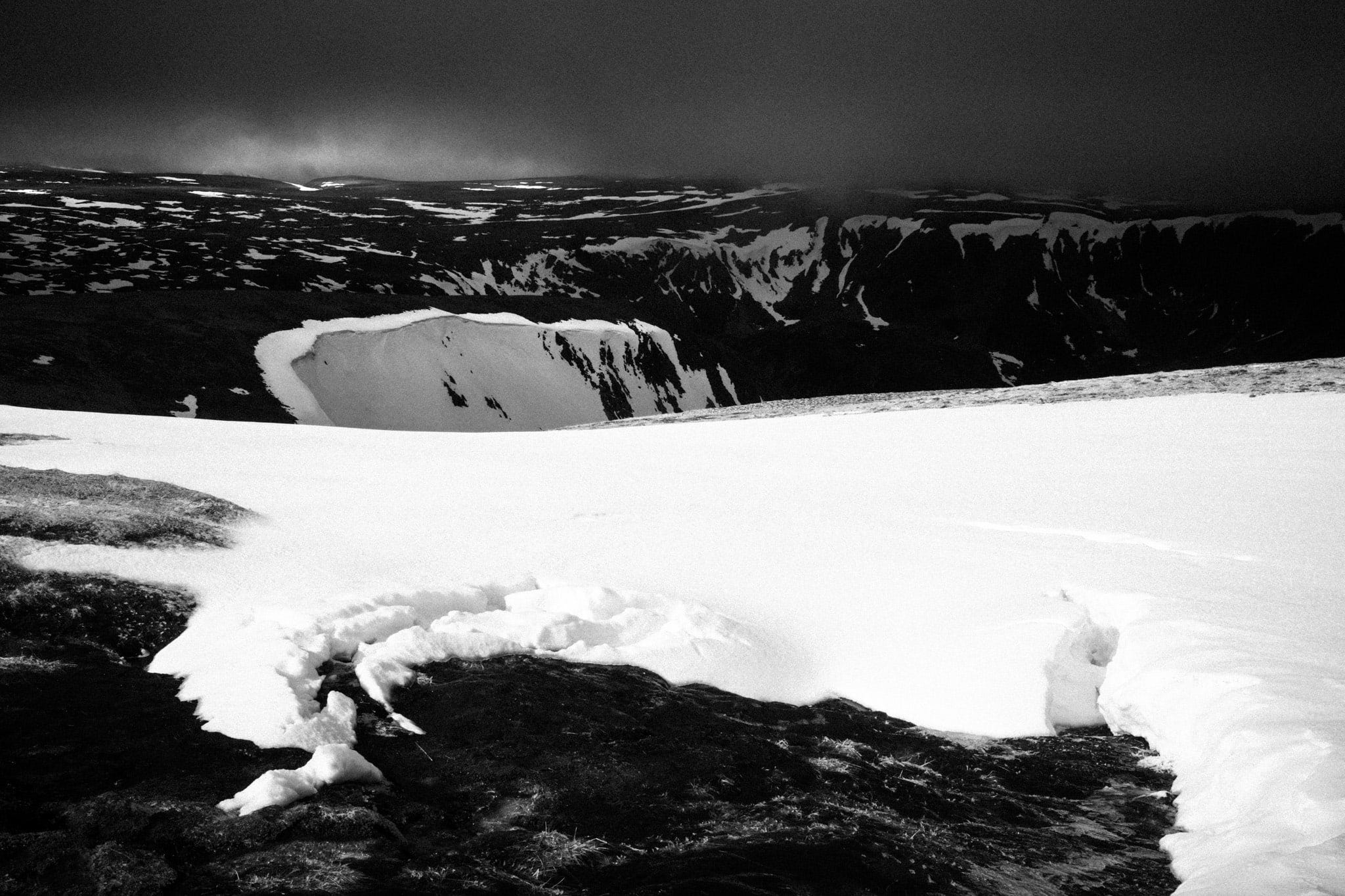
For those of you who prefer to read on paper (or e-reader) rather than in your Substack or email app, I have converted this essay into an easily printable PDF.
Gosh, it’s been a while since my last Unplugged, hasn’t it? In fact, I’m not doing too well at publishing long-form pieces of any kind at the moment. I do have a good reason: my wife Hannah and I are buying a house, and combined with my work responsibilities (and spending a good bit of time on the hill) I’m finding life busier of late.
We’ll be moving next month. Our new home won’t be far away; we’ll still be staying close to the Southern Cairngorms, which is a region we’ve grown to love. June will likely be a hectic month – as well as moving, I have a trip to the Austrian Alps planned plus a significant birthday – but I will post when I can.
For now, I hope you enjoy the treasures I’ve collected for you this time, all clustered around central unifying ideas that have been occupying my thoughts recently.
From my desk
Recent stuff
📸 End frame: Point Five Gully by Jean-Marc Boivin
I was asked to write an End Frame for On Landscape magazine recently, and decided to choose the classic image of Point Five Gully by Jean-Marc Boivin. My thoughts about this arresting image:
Some climbing photos work because we can place ourselves in the shoes of the climber and imagine the air beneath our own feet. This one works because we cannot. Instead, our awareness is transported, in a way that is almost hallucinatory, to the photographer watching this alien scene unfold – watching the raw power of the mountain absorb a human body into itself.
🌄 Beyond the Visible – in conversation with Alice Sainsbury
It’s not often that I get to talk about concepts such as embodiment, presence and spirituality with someone else in the adventure industry – and, truth be told, I didn’t expect our conversation would take this turn when Alice and I first arranged this chat for Sidetracked. It started out as a conversation about disability, accessible design and sustainability, but it’s about so much more. Everything is interconnected. The mind is not separate from the body. And we ignore our ultimate reality as an integral part of nature at our peril.
✍🏻 How not to pitch to Sidetracked – our top 10 pro tips
In which I try to be funny and serious at the same time, while stopping juuuust short of actually offending anyone (except people who use AI, obviously).
Recently processed images
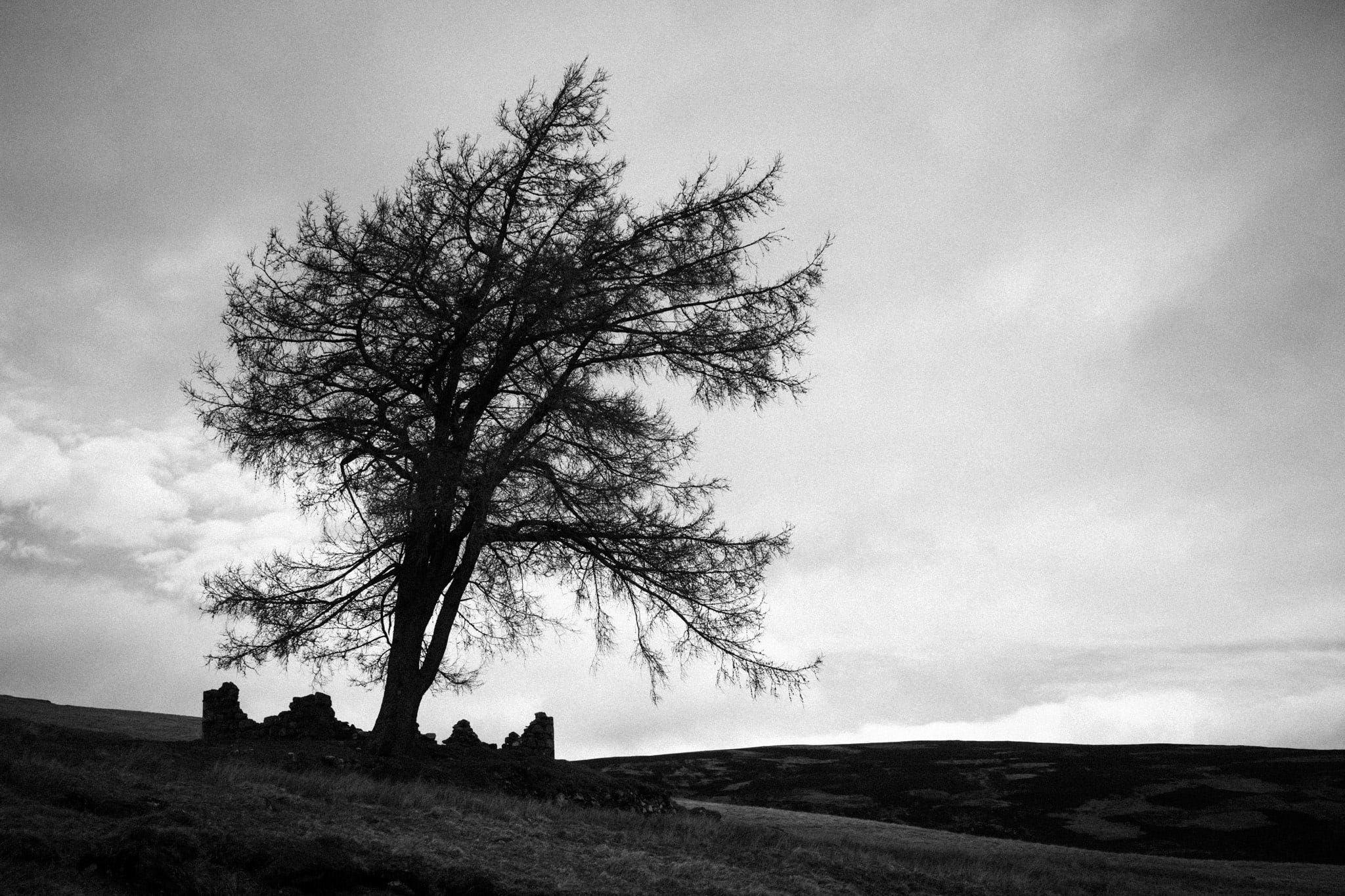
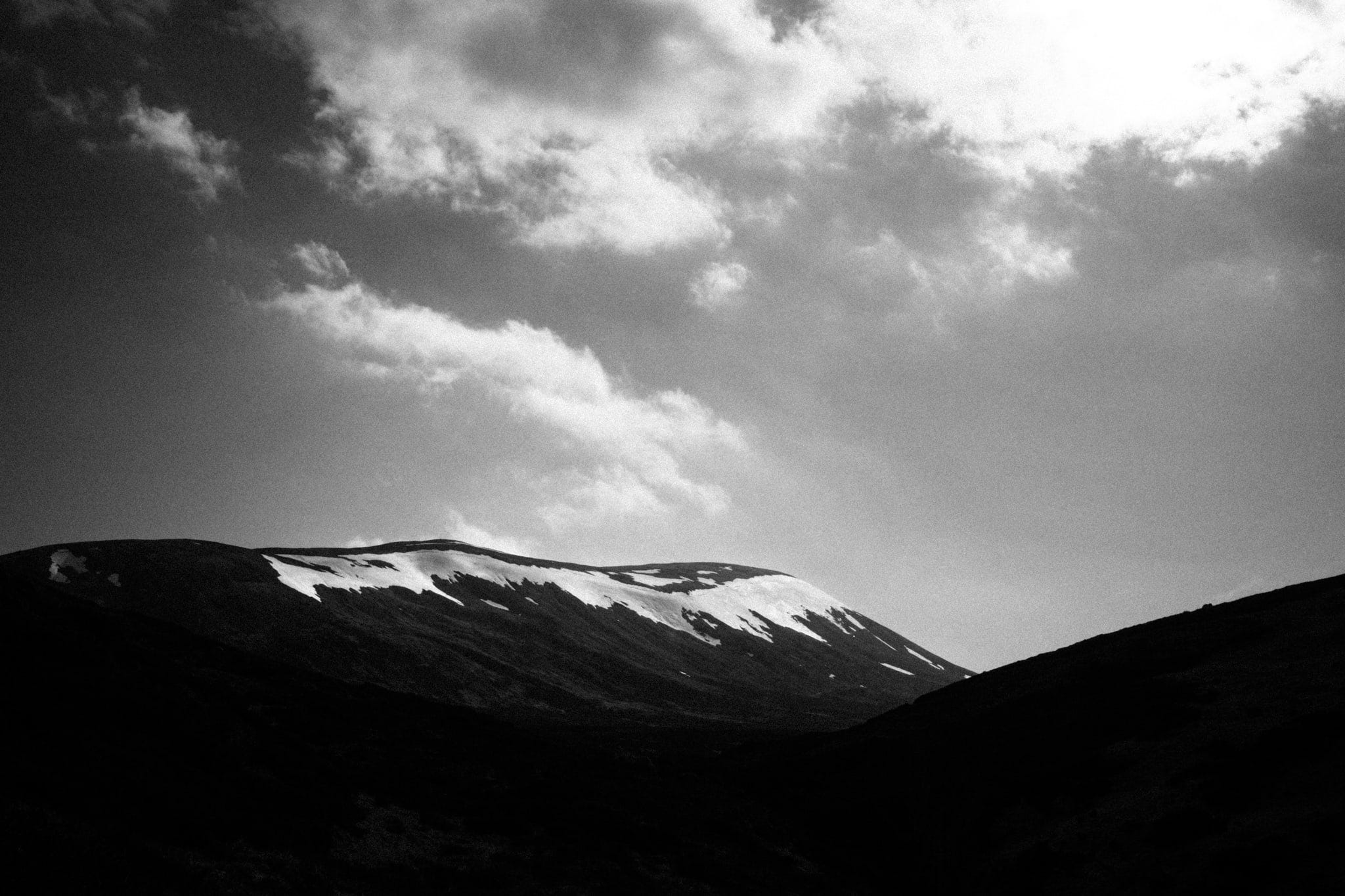
Loads since my last Unplugged. Here are some digital images from around and about in the Cairngorms as the snow recedes. I’ve had some cracking mountain weekends.
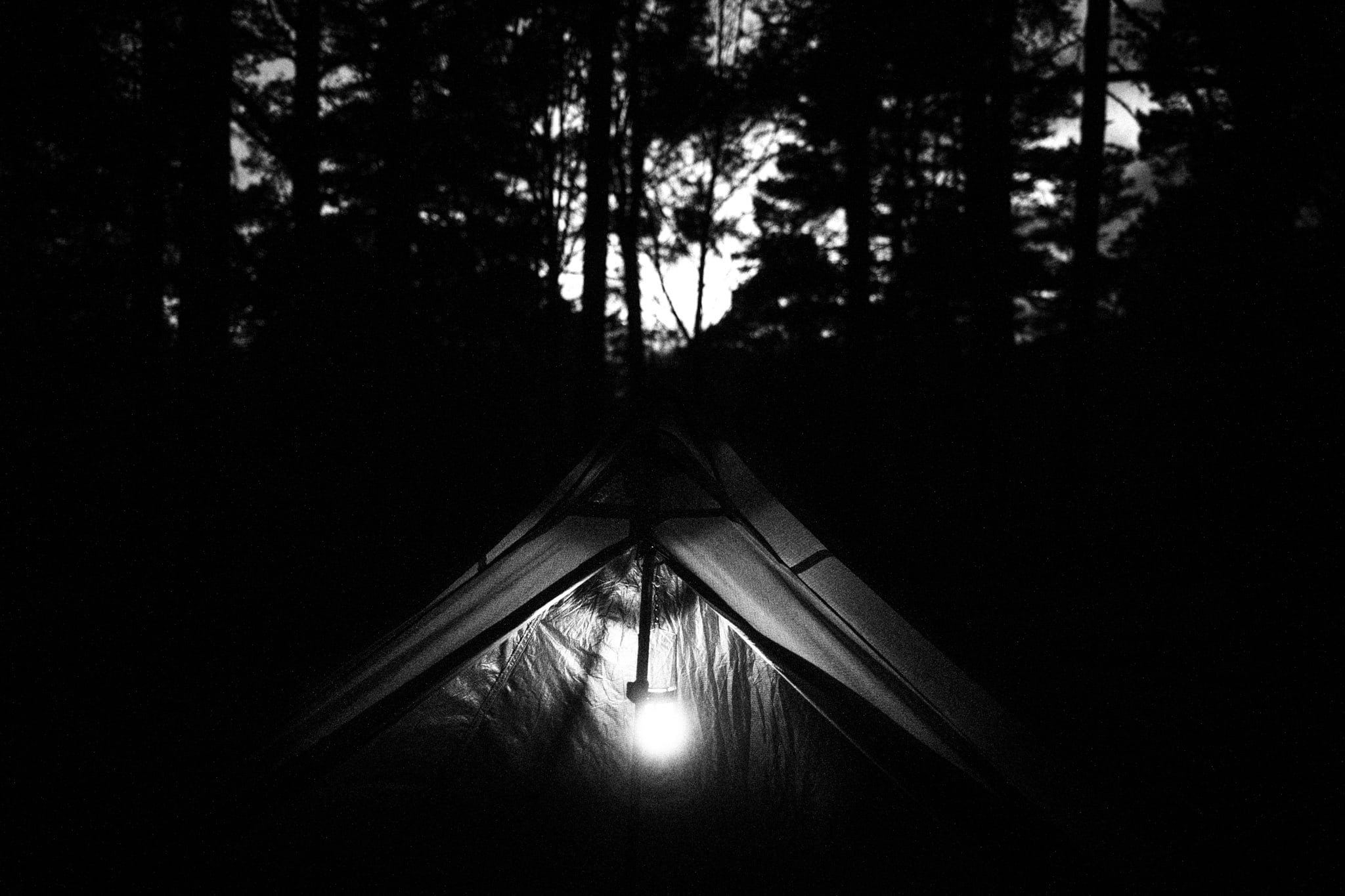
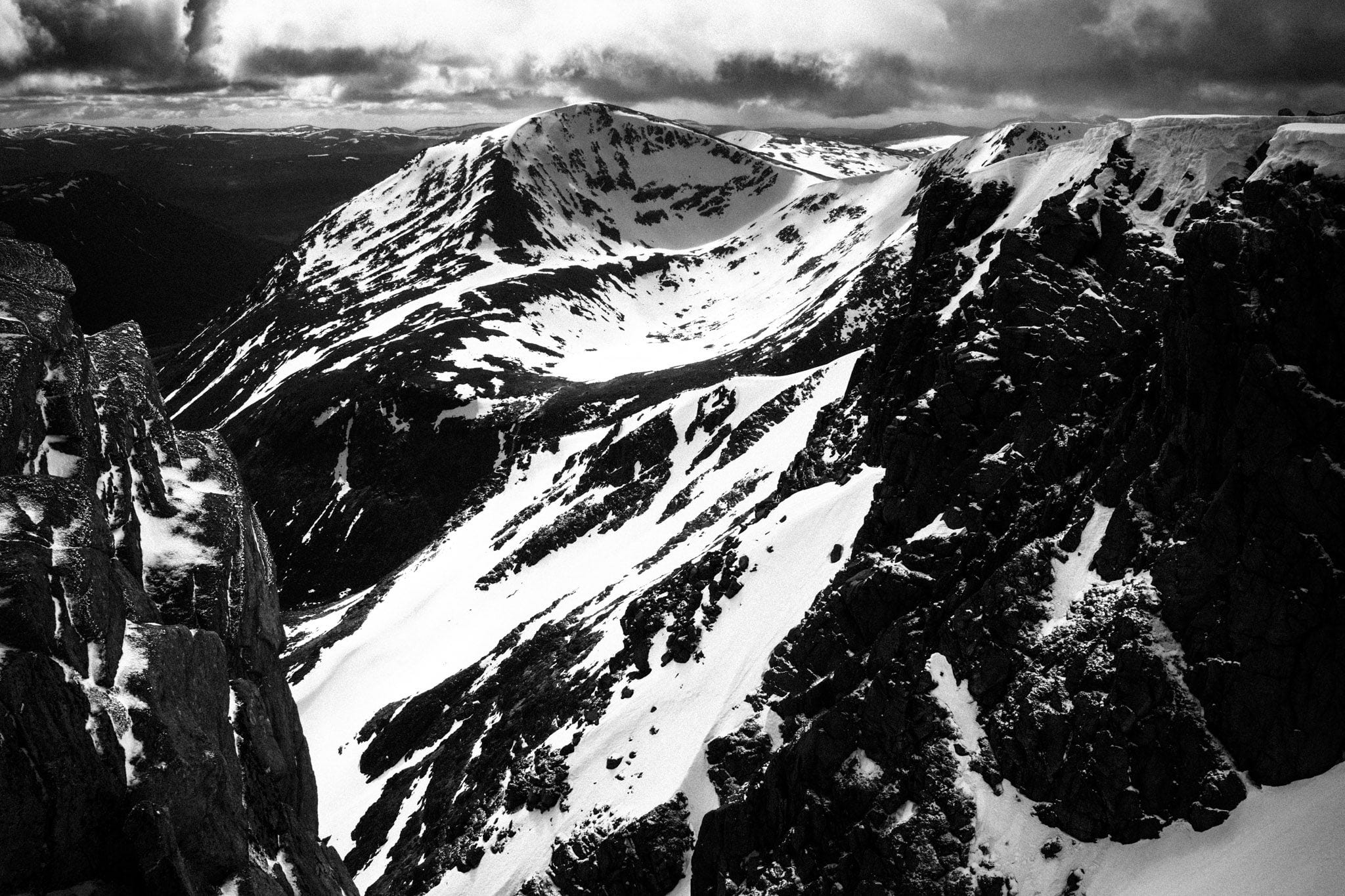
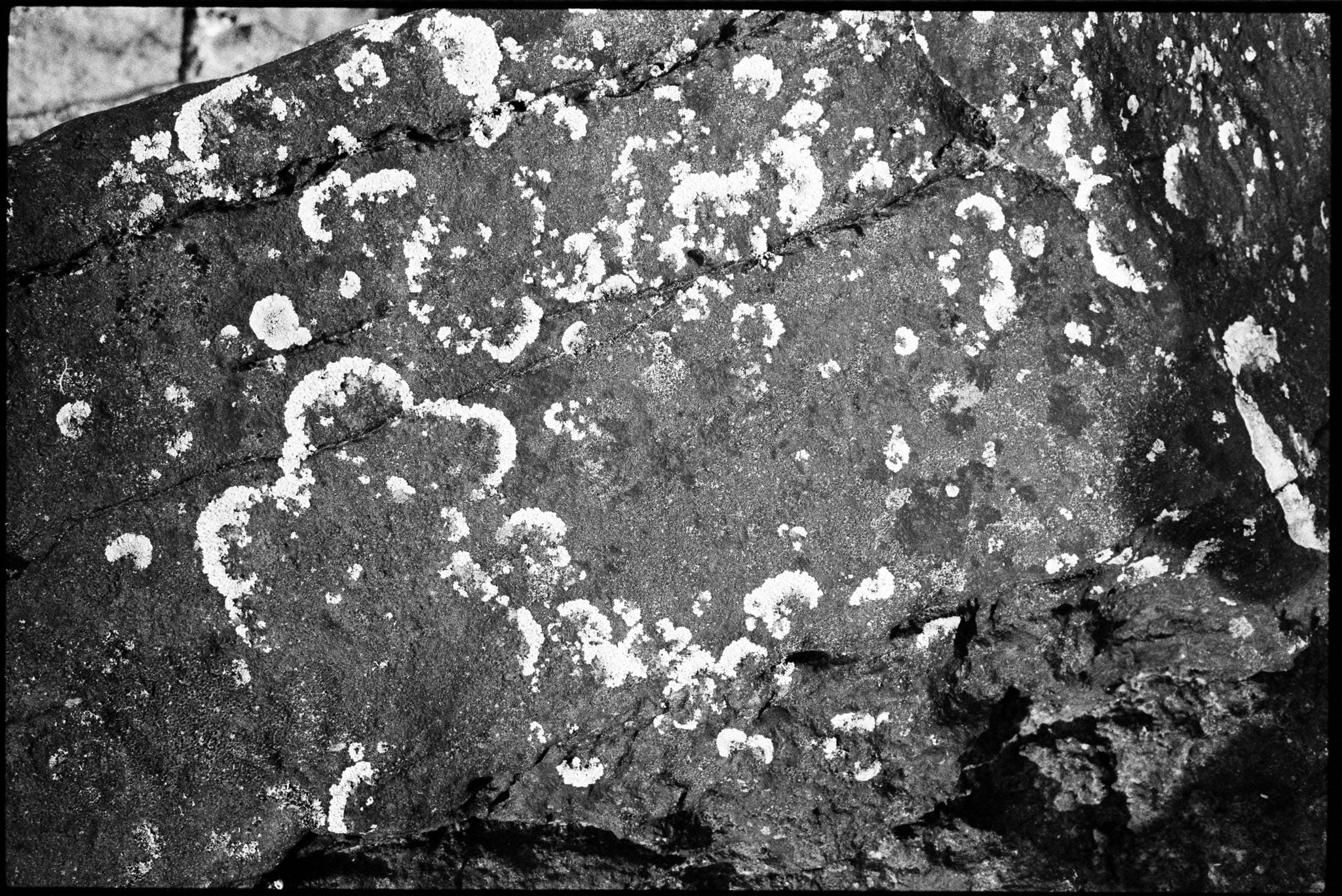
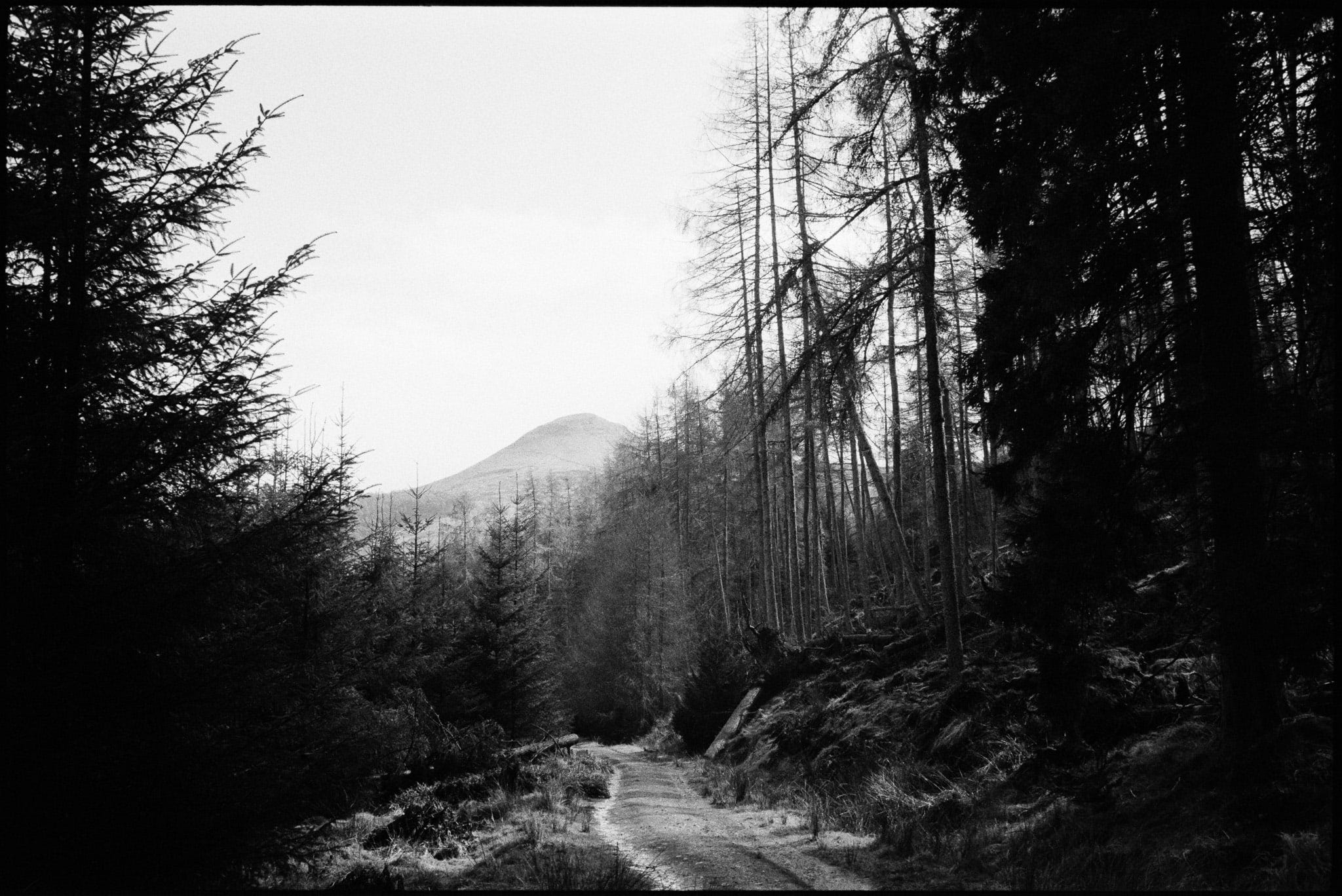
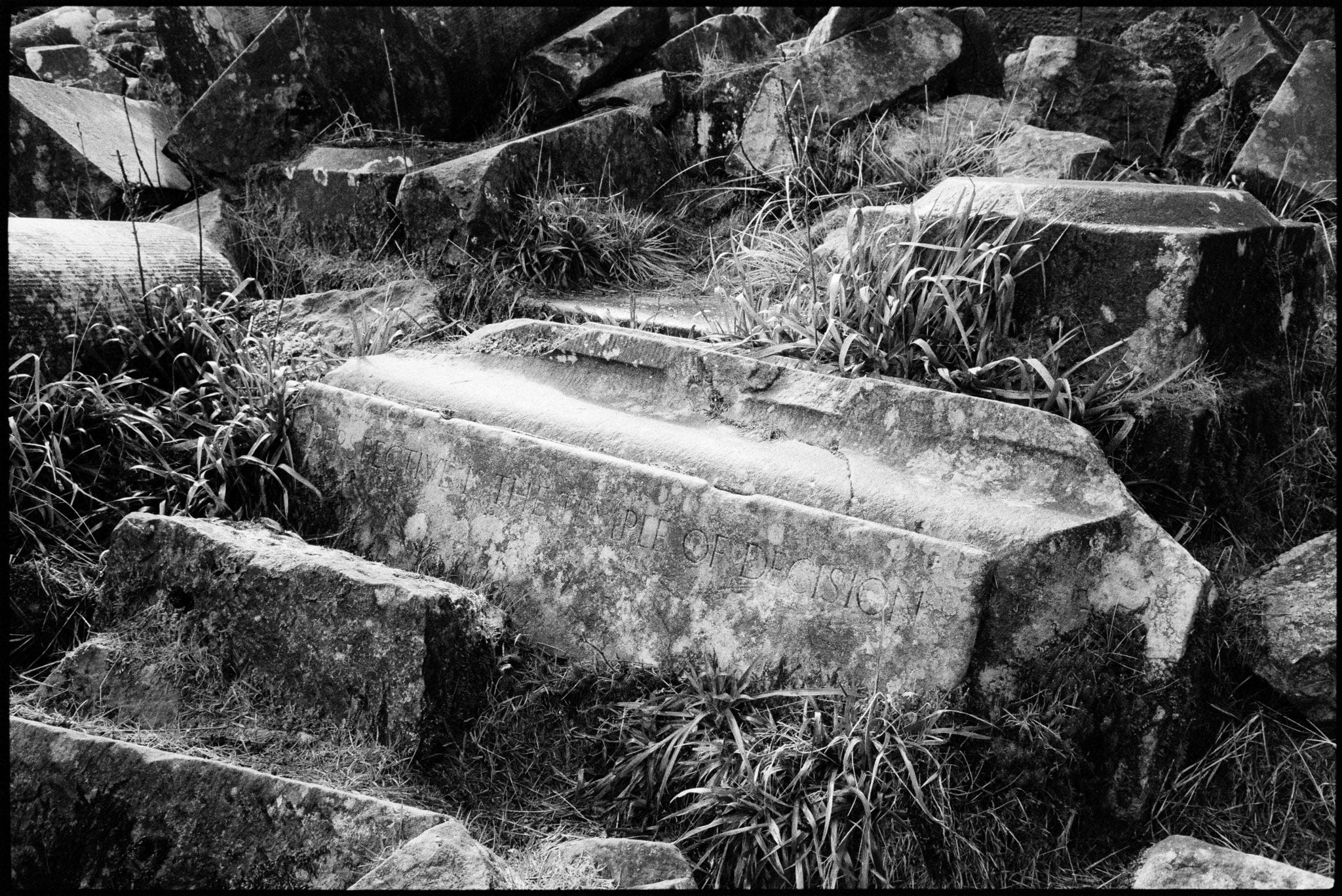
And a few frames of Ilford HP5+ shot on my Leica M3, mostly around Falkland.
Art
💀 Memento Defectus
When I have time, I’m dipping in and out of a new art project. Since antiquity we’ve had Memento Mori – a reminder that we must all die, which supposedly leads one to live a better life in the knowledge of mortality. But what about a reminder that all digital things will eventually fail, betray you, fade, or be lost and forgotten? A kind of Memento Mori for our machine selves – our shadowy twins in the web? What perspective might that grant us?
When we remember that our digital mirror selves are not immortal, and that all technology will inevitably end, we might open up space for living a better life.
The project will eventually comprise several pieces. This week I’ve been experimenting with epoxy resin casting. My idea is to taxidermy the iPhone to remove the battery and expose some of the internal components, add black card where the battery used to be, then fill its shell with mirror-smooth clear resin. It feels like a phone in the hand but contains only a single idea instead of infinity. It becomes an anti-phone.
This is a prototype, but I think the definitive version will lose the text. There’s something about the idea of that black void bordered by intricate preserved electronics that speaks to me – a deabstraction, forcing us to reckon with the true nature of technology (and therefore ourselves).
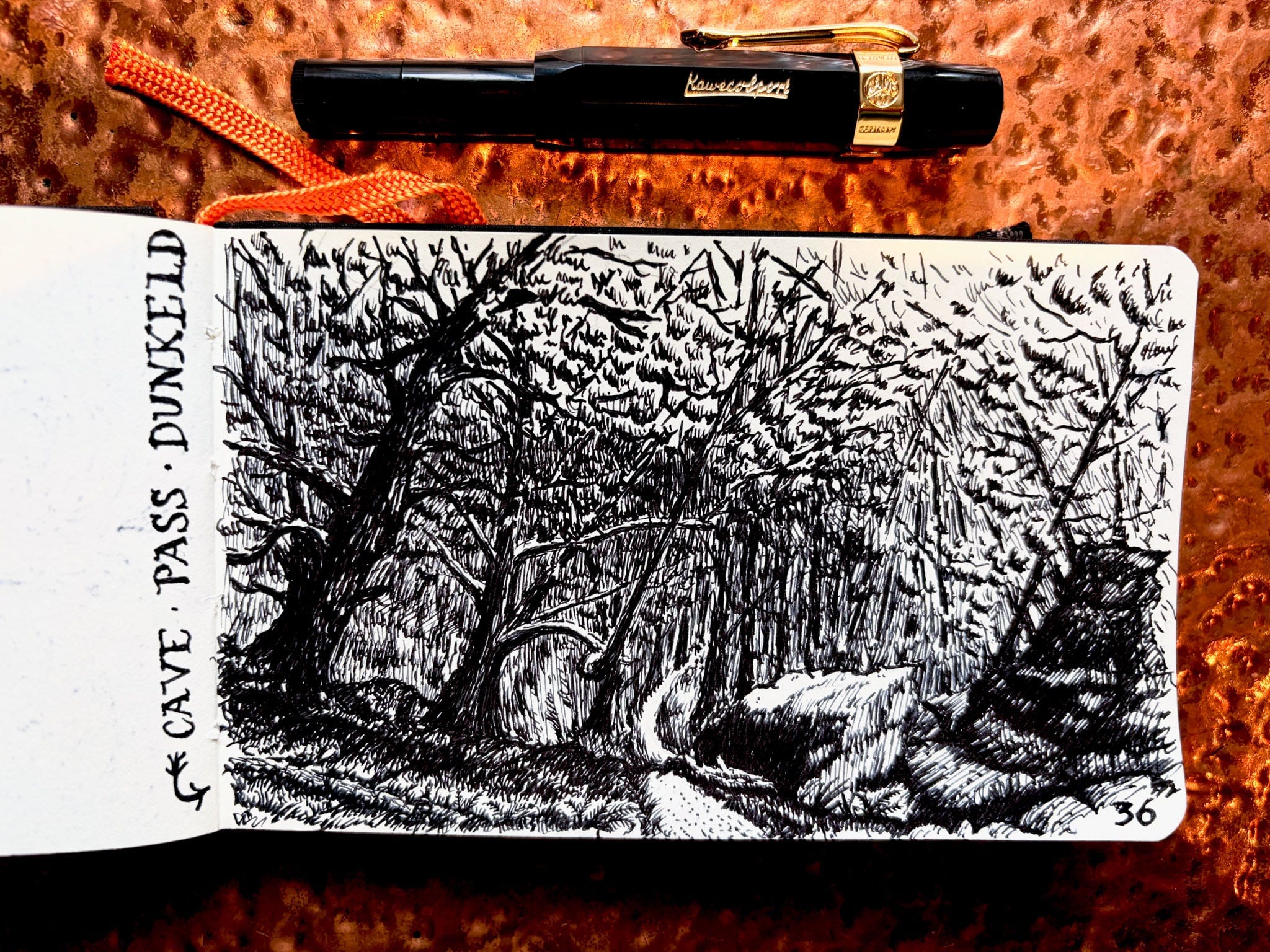
Secondly, for something a bit more conventional, here’s a fountain pen drawing from yesterday’s outing in the woods above Dunkeld.
What I’ve been reading
Books
All the books I mention or recommend on Alpenglow Journal can now be viewed on my bookshop.org page. If you buy a book using one of these links, I’ll receive a small commission.
📚 The Conduct of Life, Nature & Other Essays, Ralph Waldo Emerson
The imaginative faculties of the soul must be fed with objects immense and eternal.
I’ve been reading this slim volume slowly, and making copious notes – needed because it is a dense and difficult read. So many valuable ideas, but also contradiction and unnecessary complexity. Still, I think this will prove to be a landmark read for me. The way that Transcendentalism knits nature, environmentalism, art, poetry, romanticism, personal freedom/empowerment, spirituality and also science is something you still can’t really find elsewhere.
📚 The Call of Cthulhu and Other Weird Tales, H.P. Lovecraft
Re-reading these after many years. At its best, Lovecraft’s cosmic horror is delicious – reading The Whisperer in Darkness with a dram of whisky by the fire is a true pleasure. However, like Emerson, Lovecraft was a product of his time, and in this author’s case the racist views that often come to the fore are a bit hard for the modern reader to swallow.
Magazines
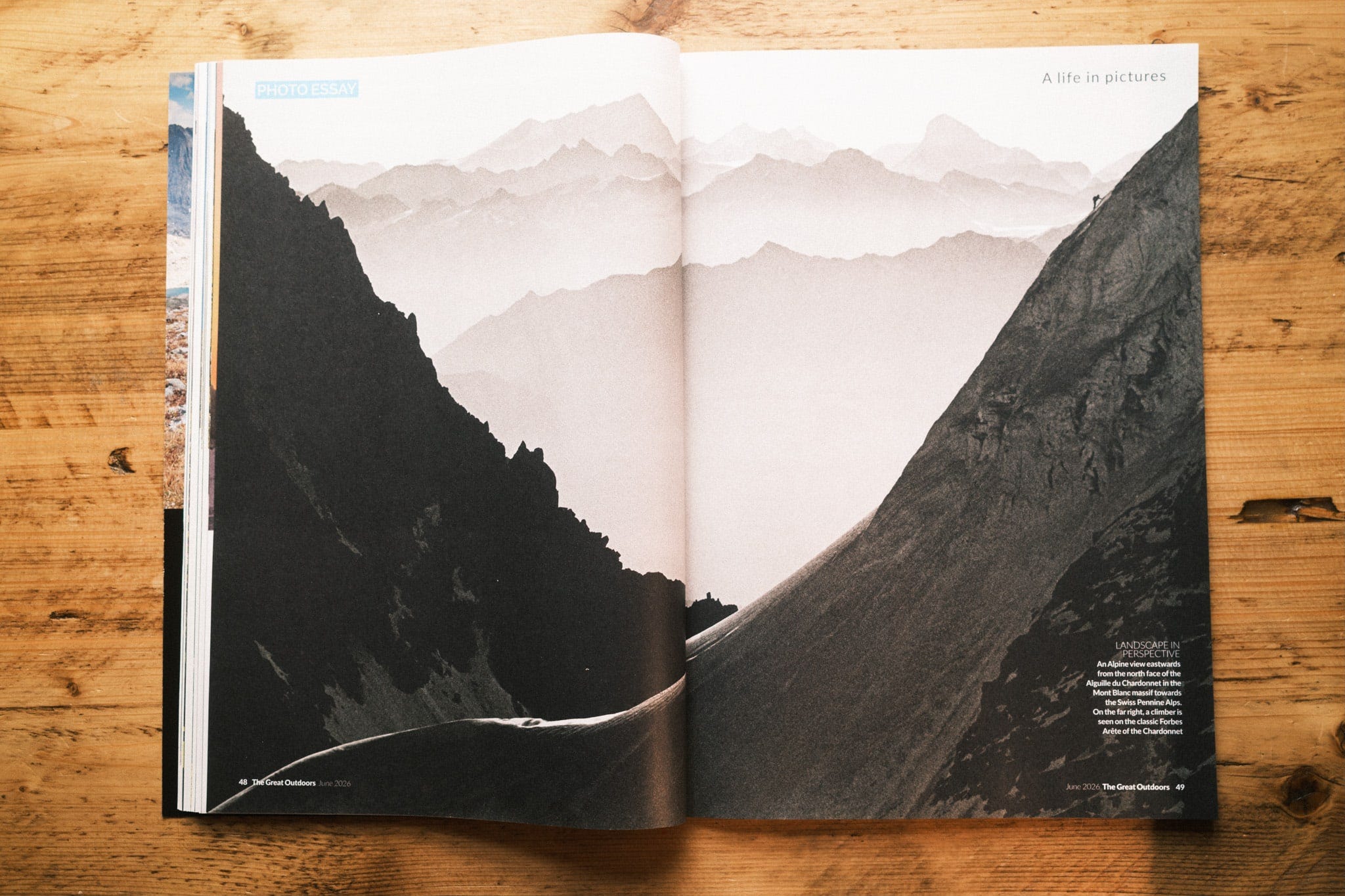
🏔️ The Great Outdoors, June 2026
The latest issue is excellent. A standout piece for me came from – ‘Mental health: why the outdoors is no substitute for therapy’ – but I can’t resist sharing this stunner of a double-page spread from ‘Cleare perspectives’, a photo essay covering the life of adventure photographer John Cleare.
From the web
🌄 The Right Philosophy for Our Times
This essay about Transcendentalism has its flaws, but is well worth reading because it articulates something I’ve started to believe myself. Many of the world’s problems today stem from the fact that we use the language and imagery of machines to describe human beings, and therefore to think about our own selves. This is backwards. We are of nature. Perhaps by accepting this truth we can work towards redemption.
It’s worth pointing out that, when you actually read Emerson’s work (see above), he does not always champion this view. In fact, he sometimes flatly contradicts it, presenting the human being as nature’s supreme lawful master and centre of creation. I’d argue that this attitude is what has got us in the mess we’re in now.
Still, I’m drawn to the idea that an updated and clarified Transcendentalism might be a philosophy we need in 2026. As a living philosophical movement in the mid-19th century it was always a broad church inclusive of a wide variety of views.
From the essay:
Transcendentalism speaks of the sublime — an emotion so far beyond our reaches and comprehension that it surpasses rationality. The only way to access this sublimity is to see the nature within us, and to realize that we are, in a way, not the players of a game of chess but the pawns; we are not man looking at nature, but nature looking at itself.
I always enjoy ’s About Mountains newsletter, and his last couple of entries have been crackers. This is a look back at some of the large-format mountain photography of pioneers such as the Abraham Brothers. It’s incredible to think what they created using such heavy, bulky equipment.
🥾 A Walk And Camp On The Cairngorm Plateau In Mist, Snow, And Sun
has also been out and about in the Cairngorms. Great photos in this blog post, which really showcases the grandeur and magnificence of this time of year. There is just something about April and May in the Scottish mountains – the period I call Scottish Alpine Spring, when everything feels bigger and bolder and yet more fragile, carrying subtle stories that only surface at this time of year.
Another exquisite paean to the power of nature from . Perhaps unconsciously, he echoes some of Emerson’s finer Transcendentalist ideas when he says:
Time in nature seldom fails to do what I need it to do. In fact, I can’t recall that last time it didn’t do what I need it to do! Nature, for me, provides simplicity, balance, perspective, awe. It soothes and renews. It inspires. It brings joy. It touches the parts of being fully human that twenty-first century life cannot. It keeps me whole. It heals. Okay sure, it can’t heal everything, but at the very least it alleviates a great many symptoms that modern life causes.
‘But does this one really count? My subconscious mind has some baffling ideas on the matter,’ says . In this short piece about his latest book, Joe presents an intriguing perspective on what matters about the creative work we produce. It’s all about the process:
Why then, does it all feel as if this didn’t happen? That the clear, objective evidence I have presented is incorrect?
I have a theory and it’s to do with suffering. Not in the physical or true sense. But in the idea that none of these guides involved any true struggle on my part. I pitched an idea, it was accepted, we thrashed out the inclusions in a way that was never stressful, I went away and did the writing from a place of happiness and joy, it was edited, rewritten and then sent across to be laid out. The end.
🤖 The people do not yearn for automation
One of the things I’ve found most remarkable about tech discourse in the last two or three years is the The Verge, which always used to be a very pro-tech tech blog if you know what I mean, has done a 180 and is now preaching full-blown Luddism. In this latest piece, Nilay Patel outlines the vast gulf between the people on your LinkedIn feed preaching the gospel of AI and the current mainstream position of most people in the Western world, which is that this technology is overhyped and not to be trusted:
In fact, the polling on this is so strong, I think it’s fair to say that a lot of people hate AI, and that Gen Z in particular seems to hate AI more and more as they encounter it.
And yet for some reason big tech sees this as a marketing problem, dramatically missing the point:
You can’t advertise people out of reacting to their own experiences. This is a fundamental disconnect between how tech people with software brains see the world and how regular people are living their lives.
So what is software brain? The simplest definition I’ve come up with is that it’s when you see the whole world as a series of databases that can be controlled with the structured language of software code.
There is another term for this fundamentally anti-human ideology, coined by Jaron Lanier many years ago: cybernetic totalism. (I do recommend Lanier’s books.) And we’re back to the world-eating problem of viewing humanity as part of the Machine again.
See also: John Gruber’s take, in which he says that ‘Something is profoundly off in the computer industry when it comes to software broadly and AI specifically.’ I find it incredible that even John Gruber is now calling this out. It’s worth also linking to Stephen Hackett’s response.
If you are still stuck in the cheery minimalist white room of 2010s tech-happy boosterism, it’s time to wake up because most people have figured out that tech is no longer on our side, and that here in the 2020s it is being weaponised against us. It doesn’t have the answers any more. As Rebecca Solnit wrote recently: ‘The solution to technology is not more technology.’
I’m really glad to see that Sophie Yeo is relaunching Inkcap, which has long been one of my favourite nature-based newsletters. Get yourself subscribed.
Absolutely gorgeous work shared by . Sam Scales is based in Suffolk, a place I know well. The attention to detail in these drawings and prints is a true celebration of nature.
That’s all, folks
Your support enables me to keep publishing Alpenglow Journal. I don’t earn a living from this work, but these words, images and feelings are the most personal I will ever share. It takes a lot of time and effort to put it all together. Please consider becoming a monthly paid subscriber to support me directly – or you can always drop me a one-off tip via Ko-Fi. Thank you.
Images and words © Alex Roddie. No AI has been used in the creation of any work on this page. All Rights Reserved. Please don’t reproduce this material without permission.
Comments
Nothing yet. Say the first thing.
Sign in to join the conversation.