
if there’s one thing I’ve inherently known about myself from a very young age, it’s that I am a certified Sleepy Person™.
I’ve always needed a little more sleep than everyone else. even as a little girl, I was not an easy child for my mother to wake up (with the exception of Christmas morning, where I was always the first one awake and banging down the doors of my parents’ and sister’s bedrooms like a barefoot, messy haired human alarm clock.) they say the golden standard is 7 or 8 hours of sleep each night — but I’m more of a 10 hour girl myself. I function my best when I stay in bed long after the gym rats have risen before the sun. while they’re enjoying their protein shakes, I’m tucked into my covers doing the daily Wordle.
but unfortunately, when you have a lot of goals to work towards, it turns out that the more waking hours you can squeeze into the day, the better. and creating a healthy sleep routine has become one tiny-but-mighty step to becoming the best version of myself.
as much as I hate to admit it, my sleep routine can use a little work. as a self-employed night owl whose brain works best after 8pm living on her own, it’s pretty common for me to hit snooze on my alarm in the morning because I stayed up a little too late the night before, probably stuck in a Reels scroll and talking to my stuffed animals.
ever since I moved into my solo apartment two months ago, I’ve really put my sleep habits on the back burner — which hasn’t been extremely beneficial for either my mental or physical health, if I’m honest. (and this is Substack, so I have to be honest.)
all that to say, my latest project has been improving my sleep so I can become a little more normal regulated.
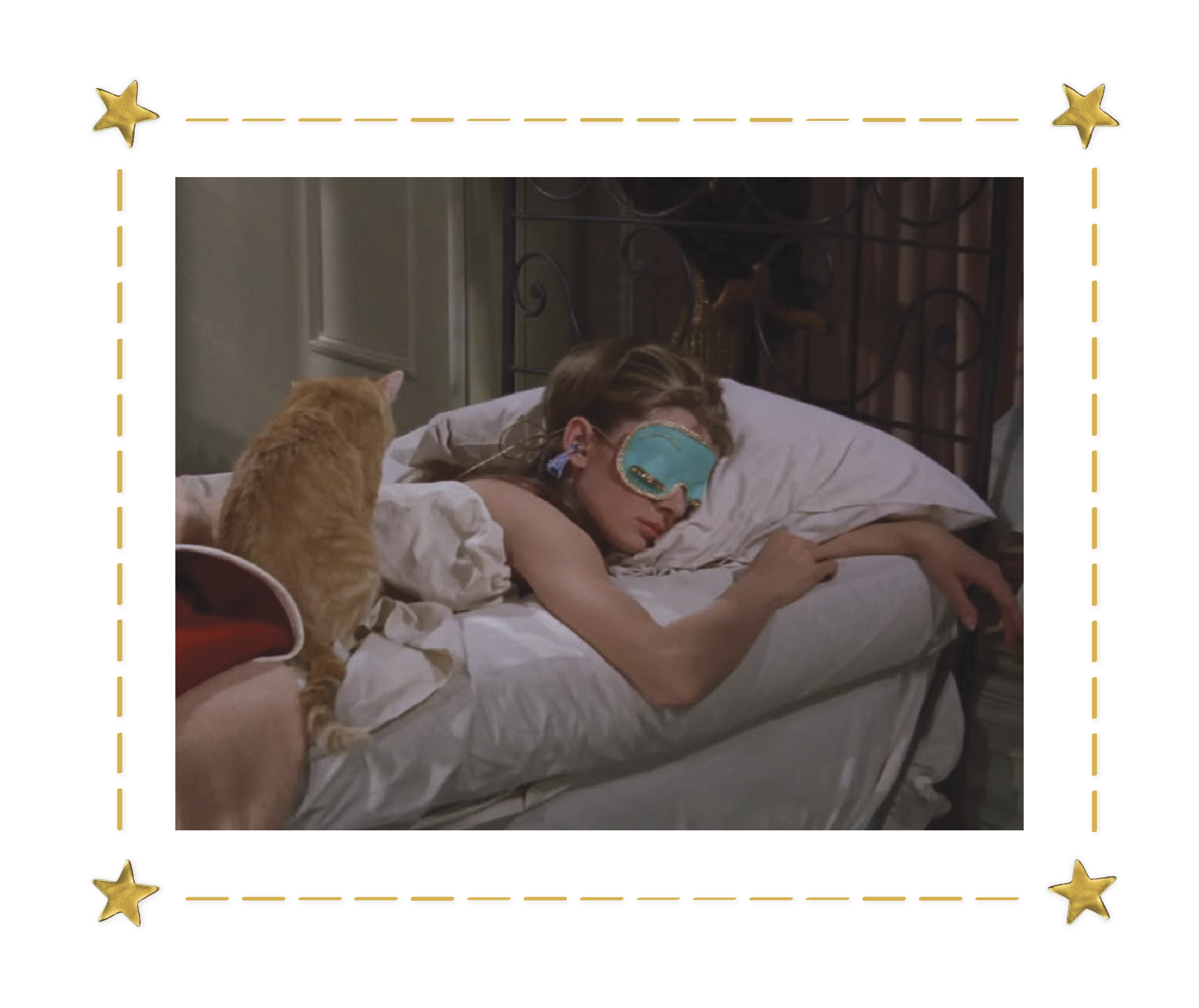
sleep hygiene is a phrase that’s somewhat new to me, likely because it’s one of the trendy wellness terms that’s been going around recently. but it’s simply exactly what it sounds like: the healthiness of your sleep!
the Sleep Foundation (an establishment I would love to be a part of) explains that sleep hygiene is a combination of your sleeping environment and bedtime routines that promote healthier, consistent sleep patterns.
“Sleep hygiene encompasses both environment and habits, and it can pave the way for higher-quality sleep and better overall health.” — Sleep Foundation
essentially, your bedtime routine, wake up time, quality, and quantity of your sleeping are all parts of your sleep hygiene.
and of course, having better sleep habits benefits both your physical and mental wellbeing. when you’re well-rested, your body and brain are optimized to help you work, move, and feel better all around.

so now, the question is…
thankfully, good sleep habits are probably more second nature than you’d expect. sleep hygiene tips are basically what our parents have told us all our lives: avoid any late night snacks, try not to watch TV too close to bed, and don’t stay up past your bedtime! they were really onto something, those adults — because these are the same wellness tips that we see circulating now.
optimizing your sleep routine really is quite simple and intuitive, which is great news because it won’t be as hard as you think to begin implementing these habits into your sleep routines.
here are a few easy examples to get you counting sheep ASAP!
our brains love structure and patterns. creating an evening routine preps our bodies for bed, and that repetition eventually becomes a signal to our brains saying “it’s time to sleep now” (and your body will follow). by incorporating some consistent habits into your pre-bedtime routine, say, 30 minutes before you get in your bed each night, that nightly pattern will lead your brain to enter sleep mode entirely on its own for a good night’s sleep.
if you’re someone who likes to replay the entire day before bed or get anxiety about the next day right before you sleep (it’s me, hi), a good sleep routine will help you shut your brain’s overactivity off and allow it to just focus on being present and ready to sleep.
some great components of a wind-down routine are:
putting on pajamas & brushing your teeth (simple, right?)
playing the same calming playlist
lighting a candle
doing simple stretches or practicing meditation
reading something light (physical books, ideally! more on that in a sec)
drinking sleepy tea
start incorporating one of these at a time into your wind-down routines before going to bed, and see how they eventually become second nature.
I hate to inform you (and myself), but you really will sleep so much better if you just get off your phone at night.
I know, I know. it’s annoying to hear that for the 19348th time. but it’s true! staying off our electronic devices at least 30 mins before bed (even better if you can go longer) is paramount to catching solid Z’s.
if you stay on your phone scrolling TikTok until the moment you shut your eyes, you aren’t giving your brain enough time to shut down and end the constant feed of stimulation that we give it all day long. thus, it keeps moving at the speed of light, and you’ll find it harder to fall asleep / stay asleep.
and I know you want to read in bed, but try to avoid a tablet as they emit blue light that disturbs our sleep. if you really want to read on your Kindle, keep the brightness dim, put on some blue light glasses like these, and turn on your device’s warm-toned light setting to help minimize the strain on your eyes right before you snooze.
it’s incredibly nagging to hear, and it may not be the easiest habit to implement… but I promise you’ll notice a difference in your quality of sleep when you remove screen time from your nightly routine.
since we’re programmed to thrive with patterns, our bodies react well to a predictable routine — morning and night.
going to sleep and waking up at the same time each day is paramount to sleep hygiene, as it creates a rhythm that our body can rely on like the tick of a clock. this is called our circadian rhythm, which you’re probably familiar with if you’ve ever taken a health class (that’s something they actually did teach us).
“Perhaps the most well-known circadian rhythm is the sleep-wake cycle, which determines how sleepy or alert you feel throughout the day and night.” — Sleep Foundation
this is why we start to feel sleepy when the sun goes down — because our bodies know that nighttime = bedtime. in fact, our circadian rhythm being disrupted when we cross time zones is why jet lag is a thing!
basically, the more consistent your routine becomes, the more regulated your circadian rhythm will be. this leads to more predictable sleep patterns and better quality of rest.
here are some ways you can lock in a more solid routine that will help you sleep more soundly at night:
set an alarm that wakes you up at a set time every morning
eat meals around the same time each day, especially dinner
avoid taking midday naps, as that throws off your internal clock
decrease use of screens at night (the blue light disrupts our melatonin)
limit how often you stay out past your bedtime — having a series of late nights on the weekends can throw your sleep schedule off for the entire week to follow
if you haven’t caught on yet, humans really thrive on routine. this is why it’s so important to create solid habits from morning to night so our bodies can operate at their full capacity.
improving sleep hygiene doesn’t only happen at night — it’s a culmination of habits that we partake in every hour of every day.
there are many habits that can create obstacles within our bodies that cause irregular sleep. there might be some that you might not even think about!
for example, having a coffee too late in the day can leave caffeine still lingering in your body when you’re winding down for bed. eating before bed can lead to worse sleep because your body is working to digest when it should be resting. even substances like alcohol and nicotine can lead to worse sleep because of the effects they have on our bodies and brains.
even something as innocuous as working out can be harmful to our sleep hygiene. exercise is a great way to tire you out so you can sleep better, but if you work out too close to bedtime, your body stays wired for longer than it should and you won’t sleep soundly as a result. a good rule of thumb is to give yourself about 2-3 hours before bed where your heart rate isn’t raised too high.
I saved the easiest tip for last, because it’s more of a mindset shift than a physical habit to implement.
to prime our brains for better sleep, it’s important that time spent in bed is limited to sleep. this way, our mind connects getting into bed with only one activity (other than, well, ya know) and it gets into sleep mode much sooner.
since I work from home, I try to practice this a lot. I rarely, if ever, bring my laptop into my bed so that my brain doesn’t associate it with work. I don’t keep a TV in my room and hardly watch television from bed (though that’s more of a budget-conscious prevention rather than a wellness habit).
limit your time spent in bed to only bedtime-related activities: light reading, sleeping, and snoozing your alarm. once your brain equates bed to only sleep, you’ll start to knock out as soon as you hit your sheets.
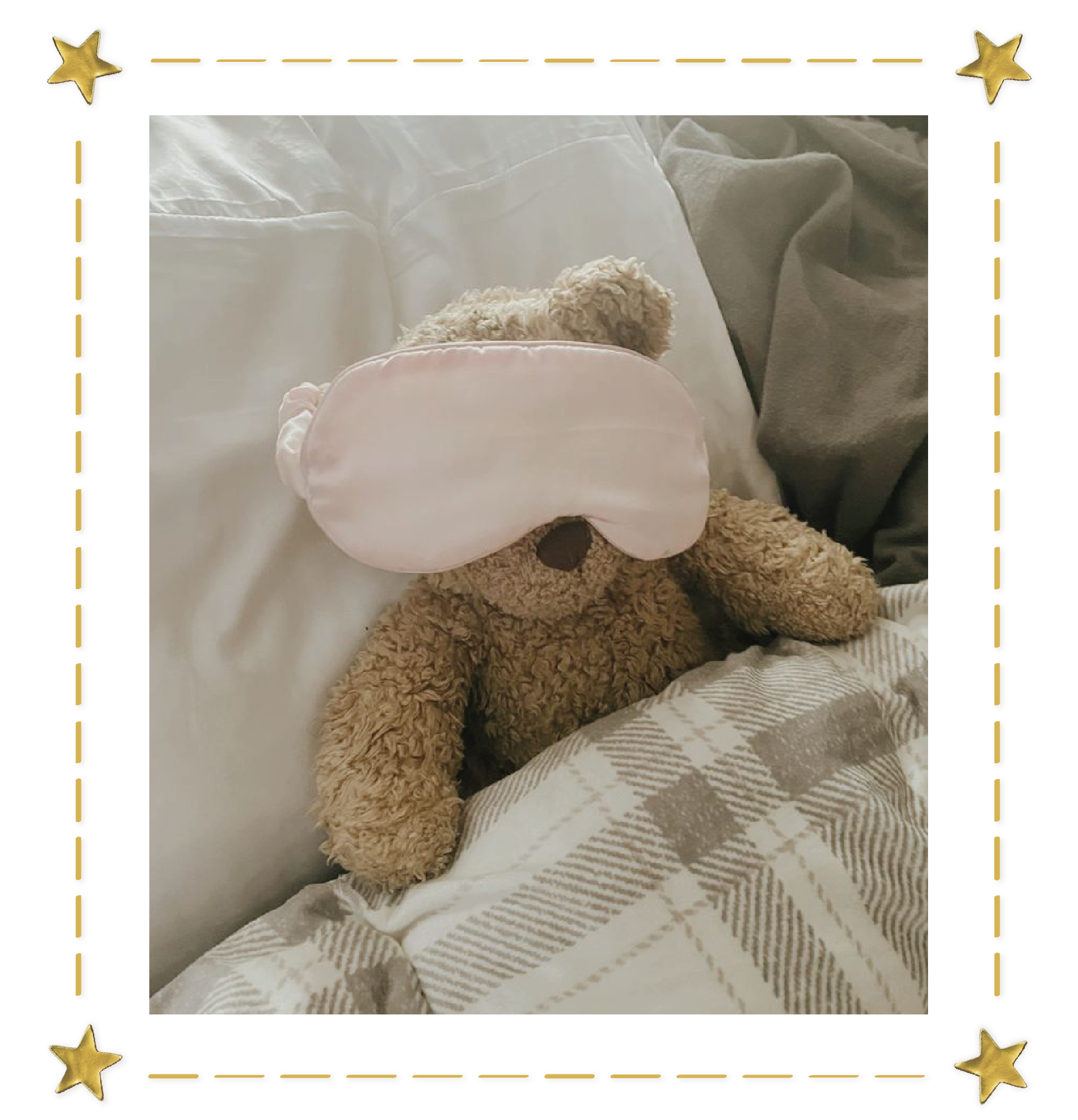
on my own journey to improving my sleep hygiene and overcoming being the Sleepiest Girl Alive All Day Long™, I’ve gathered some different habits and tools like Infinity Stones to make my sleep routines not only more regulated, but more enjoyable too.
my secret weapon are Lemme Sleep gummies. I pop one of these and one magnesium gummy before bed, and I sleep like a newborn baby. I also hate dreaming (weird, I know), and I’ve found through trial and error that this specific nighttime combo prevents any vivid dreams — only restful Z’s.
because I’m easily influenced and Prime Day had an amazing deal, I caved and finally got a Brick. I set a sleep schedule that locks me out of my phone starting at 10pm and ending at 8am, which makes it so my screen isn’t the last thing I see before I close my eyes or the first thing I look at when I wake up. it’s been harder than I’d like to admit (and I frequently unBricked myself this month so I could stay up and watch Love Island USA Brinity edits after the episodes aired), but overall it’s been a necessary safeguard for better sleep.
to remove my phone even further from my sleep schedule, I stopped using it as an alarm clock. I also simply could not listen to the iPhone alarm sounds anymore because they were making me feel more violent than I’d like to feel in the mornings. unwilling to pay for a Hatch and the monthly subscription, I got the next best thing: the Dreamegg Sunrise Alarm Clock. it includes sleep settings like a glowy ambient light, 30 calming sounds, and a timer to carry you right to sleep — and then it greets you in the morning with a gradual sunrise light and a much-less-grating alarm sound. it’s made my wind-down and morning routines way more relaxing, and I give it bonus points because having an alarm clock on bedside table makes me feel so much more chic than my ugly iPhone.
living in a city apartment comes with some struggles when it comes to sleeping sound (see: honking cars at 2am, upstairs neighbor activities, and streetlights that stay on all night). to help drown out some of the sensory overload, I added a silk sleep mask and Loops earplugs to my beauty sleep. I was hesitant at first, thinking that I would get irritated by the feel of something over my eyes and in my ears all night — but now I can’t sleep without them.
I think it’s super chic to have a little sleep spray to spritz onto your pillows right before you go to bed. I’m not sure if there’s actual magic in the bottle or if it’s entirely placebo, but I feel like my nighttime routine isn’t complete unless I hit my sheets with a few sprays of the Osea Vagus Nerve Pillow Mist before hitting the hay. smells calming, feels chic, full hearts, can’t lose!
for a little extra cozy sound cushion, I have a rotation of YouTube sleep noise videos that I listen to nightly. I’m a little particular about the frequency (or whatever the heck it is) because it can sometimes hit my ears in a way that feels more grating than calming. here are a few Alexia-approved videos:
Headspace Sleep Meditation (Headspace is a gold mine for sleep videos!)
as you can see, I’ve got a lot to say on the topic of sleep. I’m far from perfect, but I feel strongly that working on my sleep hygiene will create a domino effect of benefits that promote my physical and mental health in many ways.
let me know if this inspires you in any way to start your own sleep habits!
yours, sleepily —

Comments
Nothing yet. Say the first thing.
Sign in to join the conversation.