
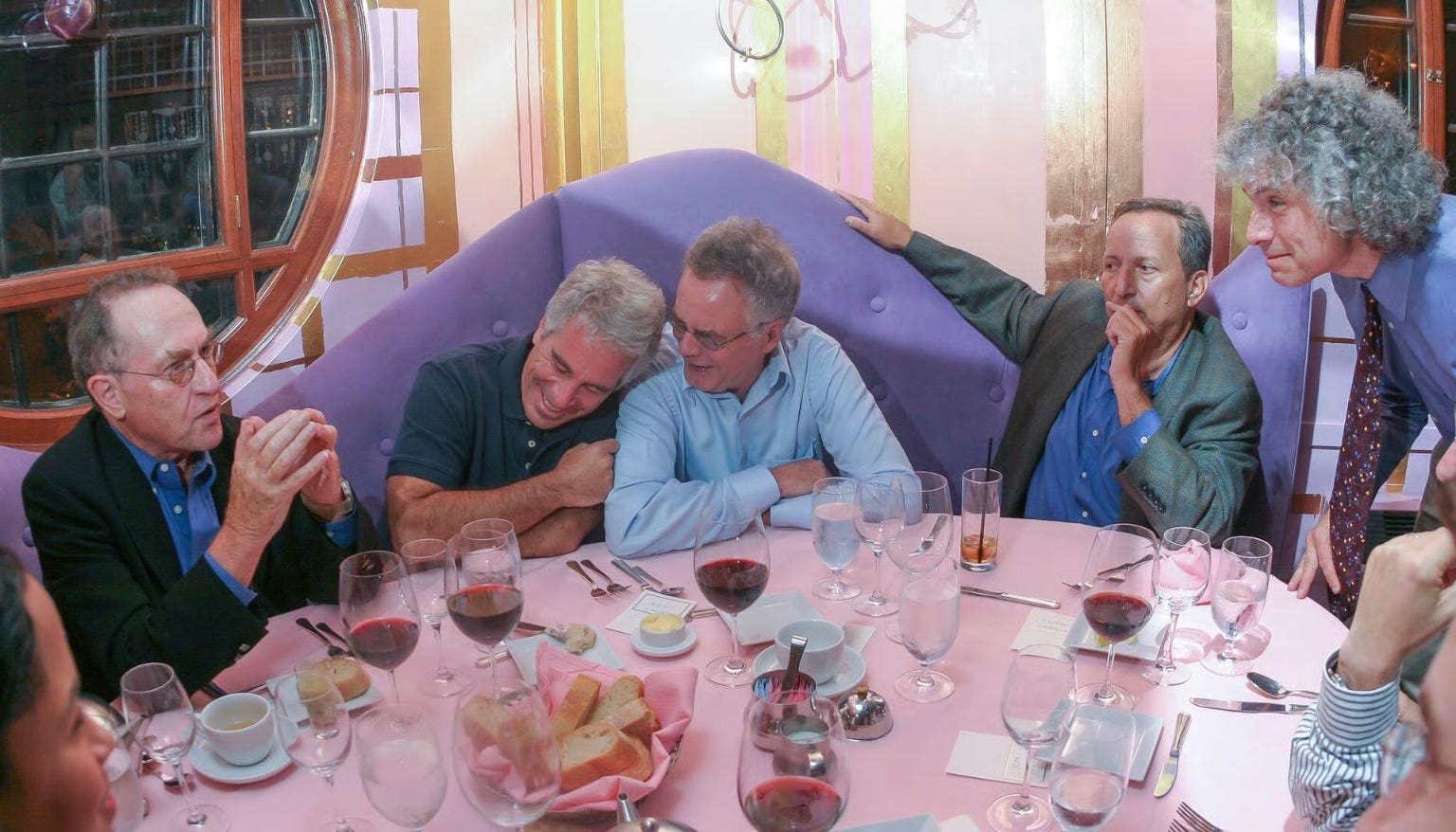
How’s everyone doing out there? How’s your media intake? How are you showing up as a consumer of the worst ever information? Are you taking breaks as the Epstein files unfurl like a bloodstain on the filmy gauze of western institutions, and we pick apart the rotten people we entrusted them to? Are you plugging your ears and closing your eyes and singing la-la-la? Are you glued to it and feeling ill?
There are no right answers. There aren’t even any good ones.
Powering down our phones does nothing to make this go away. We know we need to rip off the Band-Aid and see the situation for what it is in the cold, clear light of day: an illiterate pervert helped form the world we live in now, from amplified culture wars to media collapse to digital surveillance, algorithmic mind control, money laundering, espionage, eugenics and child rape.
I felt my head collapse when I finally understood how deep Epstein was in media, how he helped create 4chan and Gamergate, and how essentially political his project was, how intentional, and how broad. The horsey looking guy with the lemon-shaped micropenis had a hand in everything currently terrible in the world, and willing helpers in every corner. The urgency of the situation makes looking away feel like a betrayal. Ignoring the revelations is a privilege reserved for sociopaths and deniers.
But doomscrolling also feels like part of the problem—an indulgence in a collective dopamine addiction that feeds on tragic spectacle. Everyone knows how the media ecosystem thrives on shock and despair, but here, even if we know we are being manipulated, if we aren’t feeling shock and despair, then we are probably monsters.
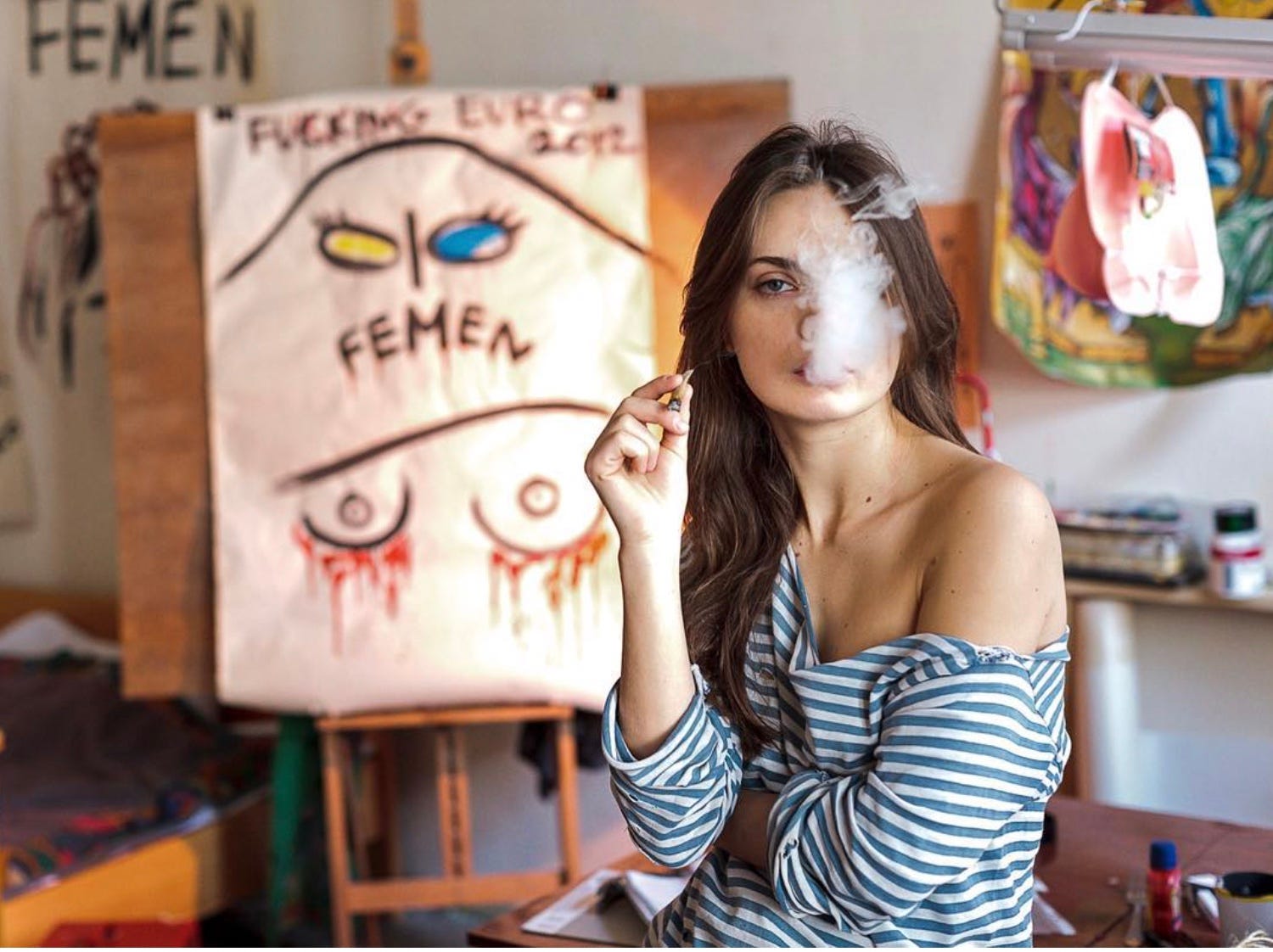
I first learned how contagious trauma could be when I reported a story for Elle magazine on Oksana Shachko, one of the founders of FEMEN who died by suicide in July, 2018. Three months after her death, I interviewed her friends, former lover and fellow activists, following them down the darkest paths as my questions bounced against their still-fresh anguish and fear. Shachko’s FEMEN comadres shared memories of brutality and torture and terror with me and I could see and feel them reexperiencing it in the telling. That is a real thing. Law & Order: SVU wasn’t lying to you about that.
I couldn’t sleep during that assignment. I had wild mood swings that included episodes of irritability, spaciness, and free-floating grief and sadness that I felt in my stomach and chest. In no way am I comparing my brief experience reporting that story to the lived experience of its subjects, nor my reaction to the news today with what Epstein’s survivors have endured. It’s just to say that there are no clean edges telling these stories, or consuming them, or being consumed by them.
Anyone whose job includes witnessing atrocity—reporters, shrinks, first responders and NGO workers—knows they need to protect themselves from secondary trauma. That same advice should go for all of us right now. We are closer to this story than we think.
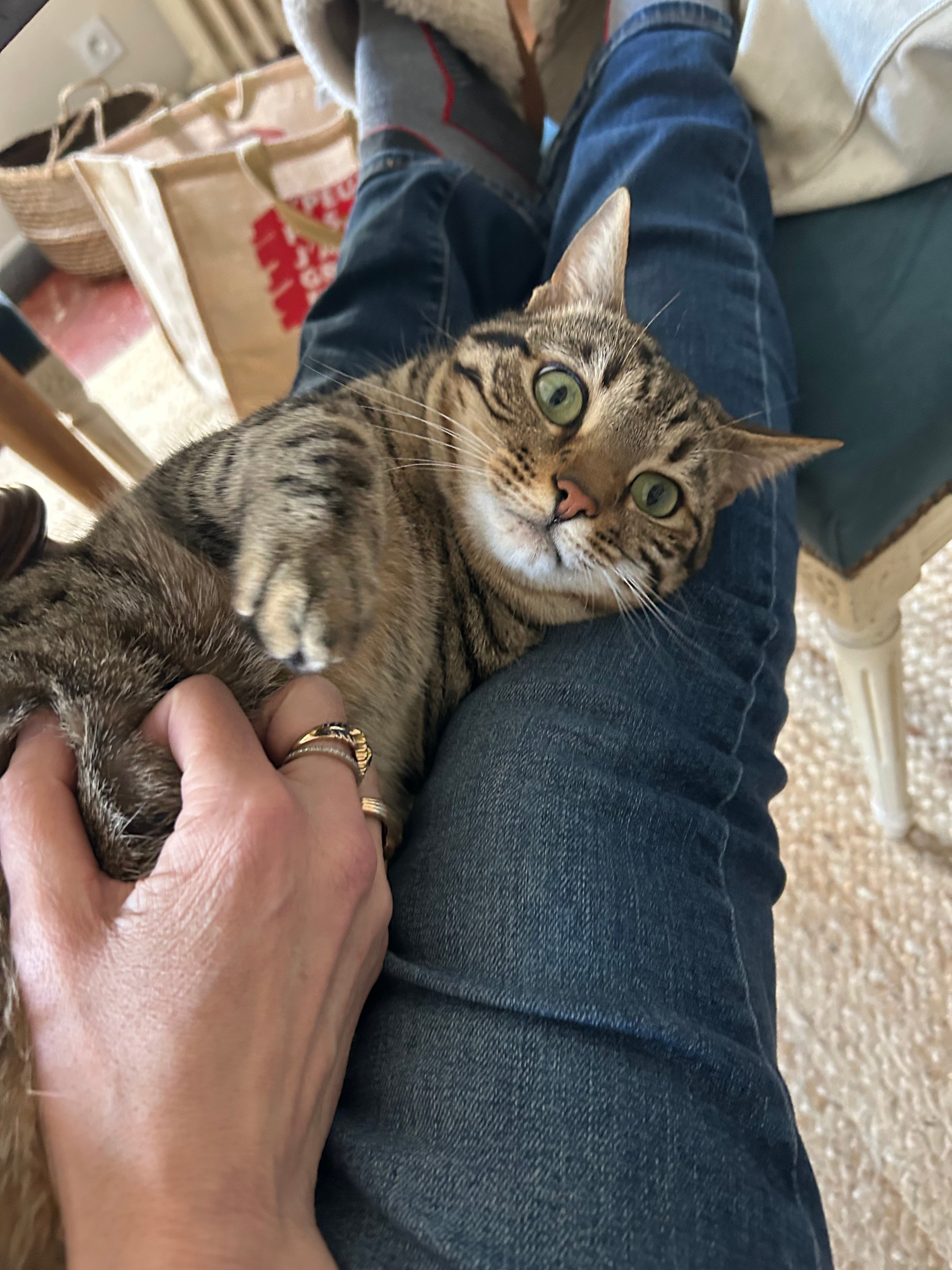
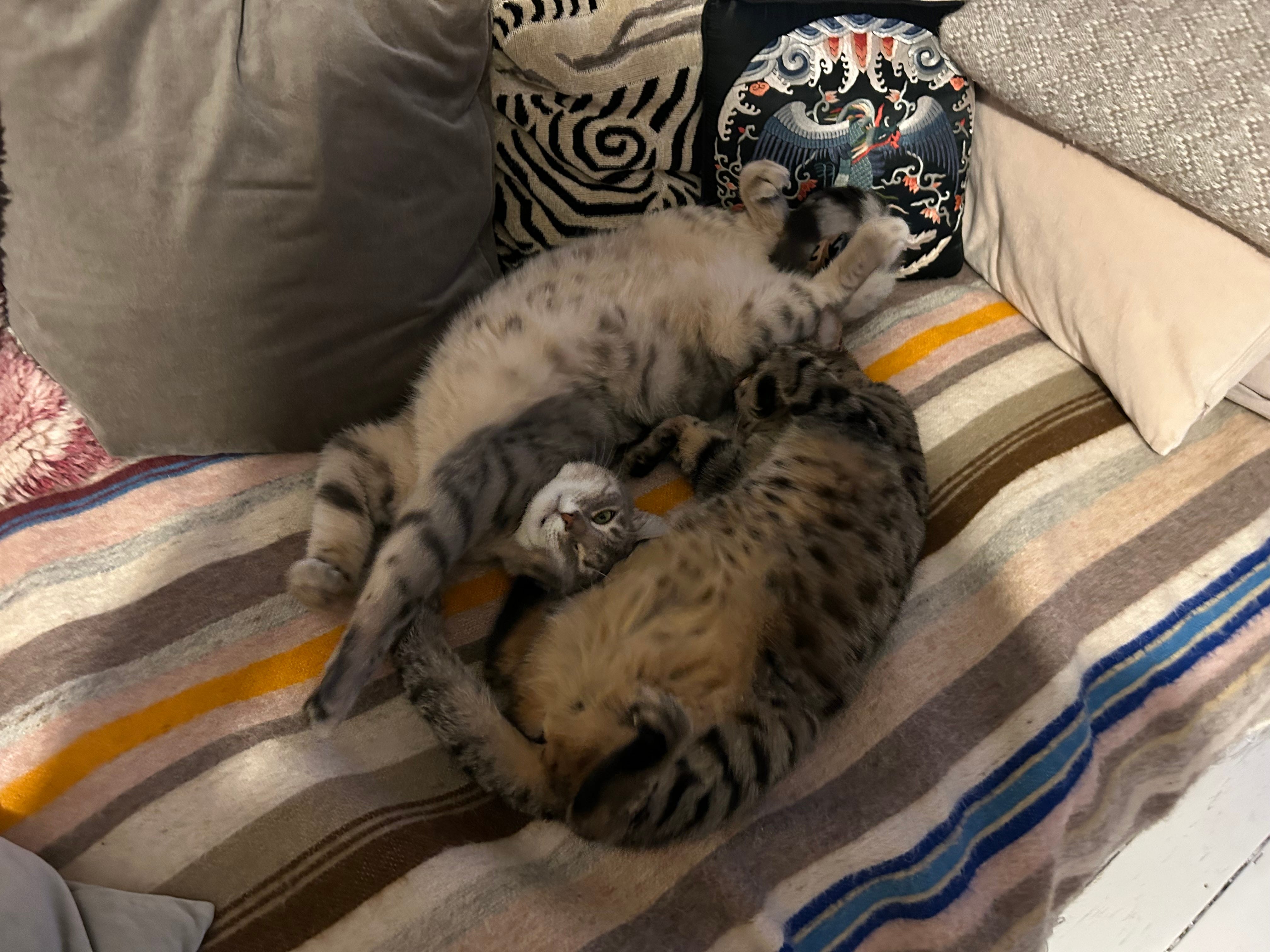
Use whatever metaphor you want. Some people in the woo woo corners of cyberspace that I pop into from time to time are urging us to cast literal energy cloaks of protection around ourselves and remind ourselves that we are not the darkness, but the light. As goofy as that sounds, why not? It is a good idea to say your prayers and remember to ask for protection for yourself, and everyone and everything you love. So is meditating. So is spending more time with animals, whose defining feature is their perfect innocence. I’m starting to think animals are the only safe space right now.
I pay close attention to how it’s affected me to try to recapture observer mode, even if only fleetingly. Because observer mode is the closest you can get to mastery in times of collapse.
In the past couple weeks, I’ve noticed many of the same feelings I had in 2018. My heart races on and off, disconnected to any physical activity, in a way that I recognize as background anxiety, even as everything else in my immediate world ticks on smoothly. In the past year I’ve pretty drastically reduced my alcohol consumption, which wasn’t hard to maintain until now. I am managing, but suddenly, I have cravings. I’ve recently had other wild urges to seek sensation that feel nihilistic and teenage. I want to take curves too fast in my car. I want to shop for things I don’t need. My consumption of melatonin and Xanax and Lunesta has increased.
I guess this is the cost of doing business in the post-Epstein world until there is accountability. Considering who is in the White House, and the American voters who put him there twice, I’m not super hopeful about that.
Three years ago, I was thinking about writing a memoir about my father and me. A crucial point of the story, when I was in my early 20s, involved one of my father’s best friends at the time, a self-styled healer guru who offered me his services. When it became clear those services included grooming me into sexual servitude, and I told my father about his friend’s intentions, which were thankfully never realized, he took his friend’s side. I was an adult, he said, even if his friend was 20 years older, and abusing his role as a therapist/guide/whatever, as so many of them do. His friend wasn’t to blame; I was of consenting age. And anyway, he liked his friend’s macho approach to all the New Age stuff he was so devoted to. It made my insecure, nerdy, cerebral father feel tough and powerful.
To keep all that in place for him, I became a casualty. My father would not denounce his friend or even confront him. I moved across the country as fast as I could, enrolled in grad school, and didn’t speak to him for years after.
Eventually we mended fences, and then I ended up helping my father die. One fly in the ointment of his final days was that his motherfucking creep friend resurfaced after all that time “to help.” I couldn’t believe it, and told my father that under no circumstances would I be in the same room with him. It was only the intervention of my father’s girlfriend that made my father start to grok how serious the whole thing always had been. As long as it wasn’t me bringing him the story, accusing him of disloyalty and blindness, which put him into a defensive crouch, he could see it.
At the time, his friend was fighting two felony counts of sexual assault on a child, which he eventually pled down to misdemeanor harassment the following year, after my father died. My father knew about those charges, but he loved his friend. In case you’re still wondering how all of this happens.
My shrink didn’t so much frontally neg the idea of my memoir project as suggest that I might not want to go ahead with it once our treatment took hold. I went all the way to writing a first draft of a proposal and it was only an agent passing on it that snapped me out of it.
What I submitted wasn’t structured enough like a novel, the agent told me, suggesting a couple of fiction how-to books I could look at to get the narrative beats right. I know she was right. When I work with people as a ghostwriter, a lot of the heavy lifting comes from matching up the facts of someone’s life to literary archetypes and arcs. It’s much easier to do this for someone else than it is for yourself.
I bought the structure books and but I felt an instinctive revulsion about applying them. I hadn’t even gotten into the goriest of details in the writing, but the mere thought of returning to the material to work with it again dispassionately, like clay, exhausted me and turned me off from the whole thing. Plenty of people would have urged me to stick with it for the sake of a good story, but my shrink was right. I was existentially wrung out and no longer interested in picking the scab.
I brought our three-year-old conversation up to my shrink the other day, and he was much more forceful. “Memoir writing is a horrible idea,” he said. “It retraumatizes people.” I don’t share his disdain for the endeavor. The proof of that is in the first 40-odd chapters of this newsletter. But he is right about the volatility and the cost of horrible stories.
That was top of mind for me as I watched Pam Bondi testify to the House Judiciary Committee three days ago. As a handful of Epstein’s victims raised their hands, willing once again to confront their own suffering in the face of their government’s feckless denial and active coverup, their pain was being compounded, and their suffering made exponentially worse right there, in real time, on TV, in front of Congress, for the entertainment of the President.
All the ground beneath us is shaky and none of this is going away. Observe but don’t absorb is great advice for this material but I certainly haven’t pulled it off too well, and I don’t know anyone else who has.
Put your heart in a vise and know that it will stay there until further notice.
No posts
Comments
Nothing yet. Say the first thing.
Sign in to join the conversation.