
Text within this block will maintain its original spacing when published
“Our children will romanticize and fetishize the last era of purely human creation in ways we can’t imagine.” — Willem Van Lancker 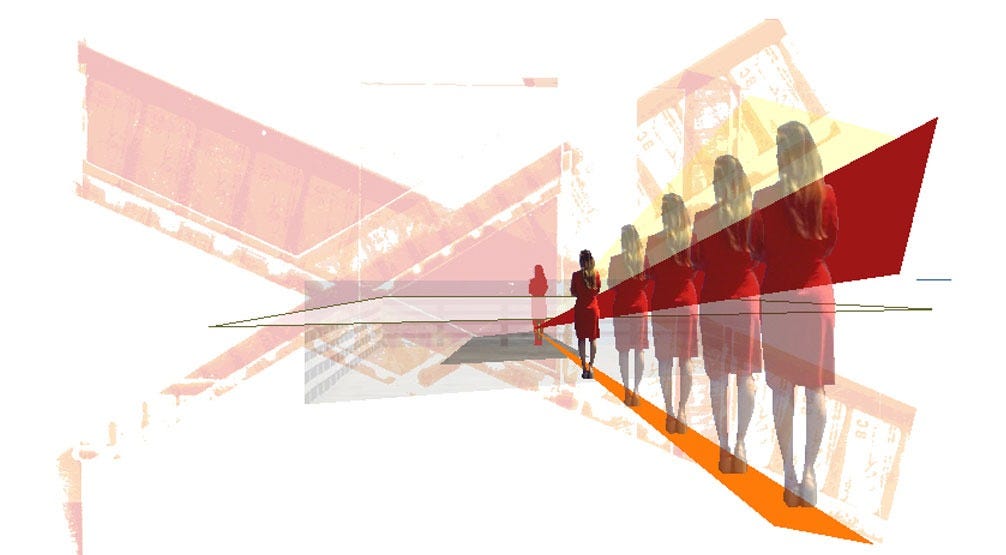
There was a time—not so long ago—when websites didn’t demand your attention.
They invited you in.
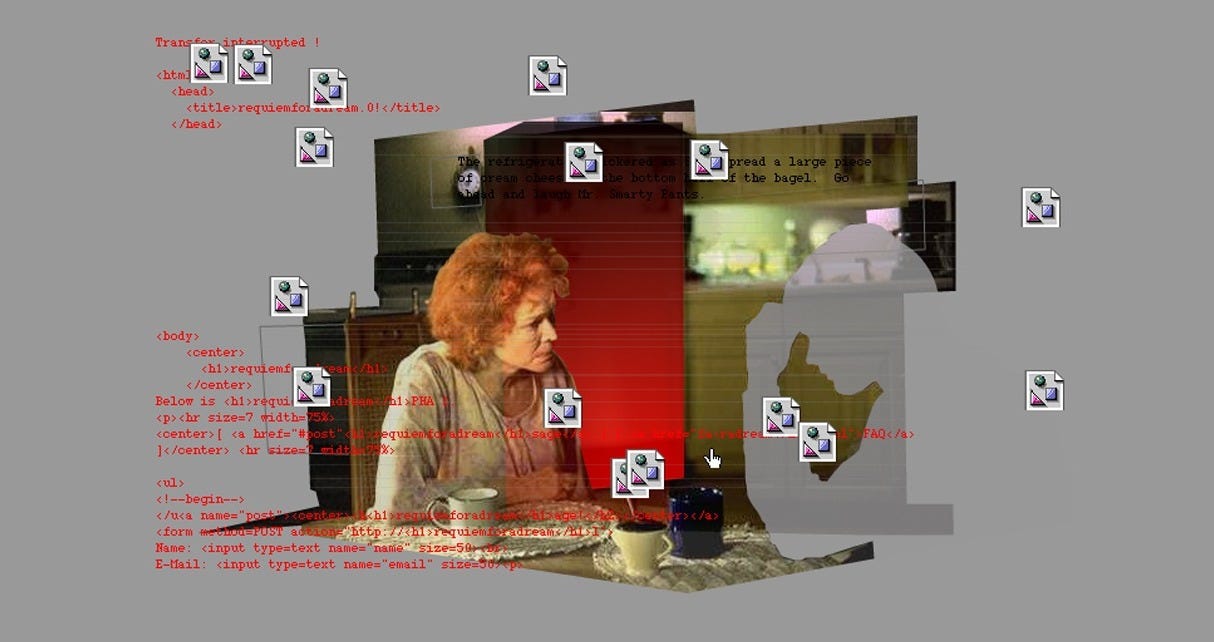
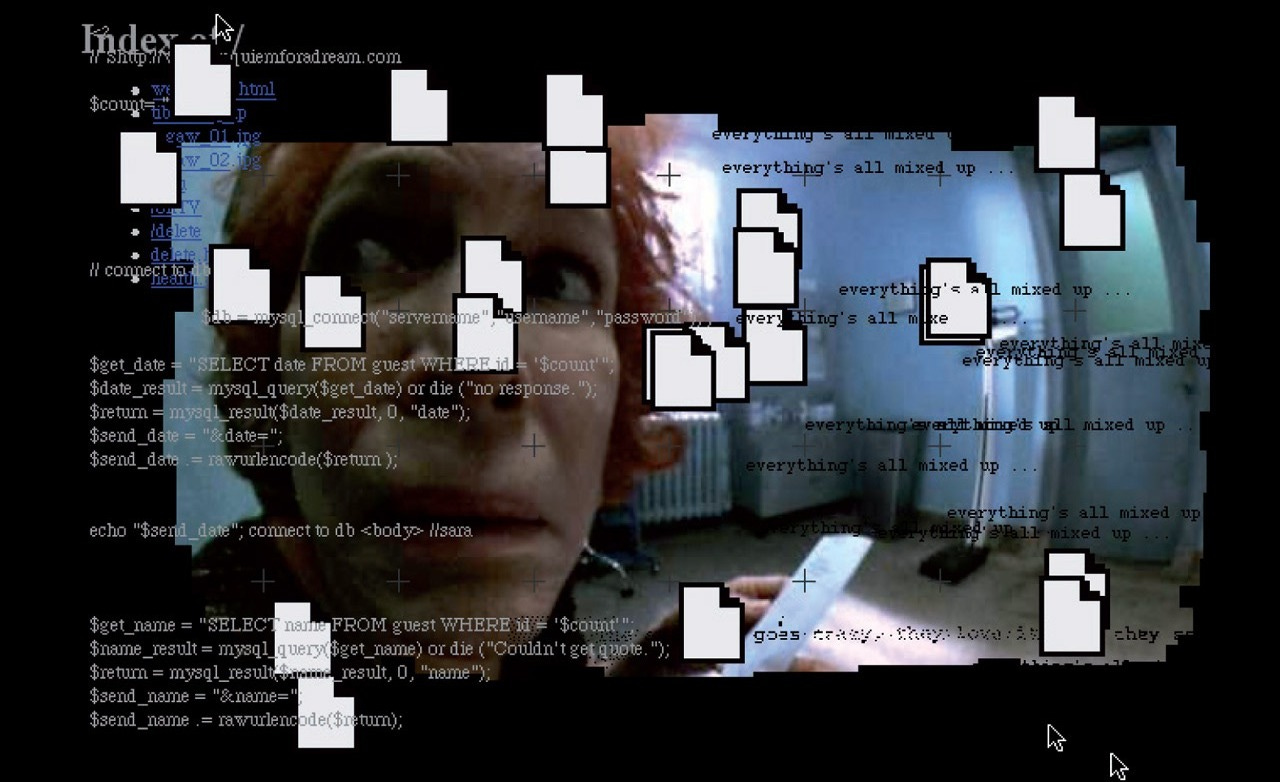
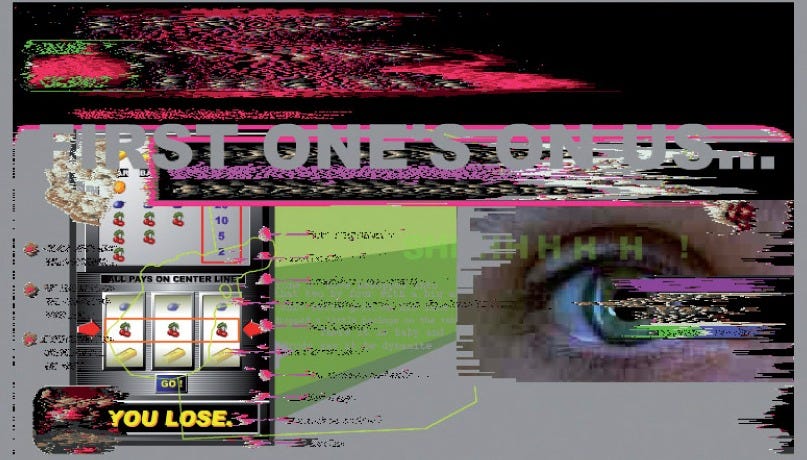
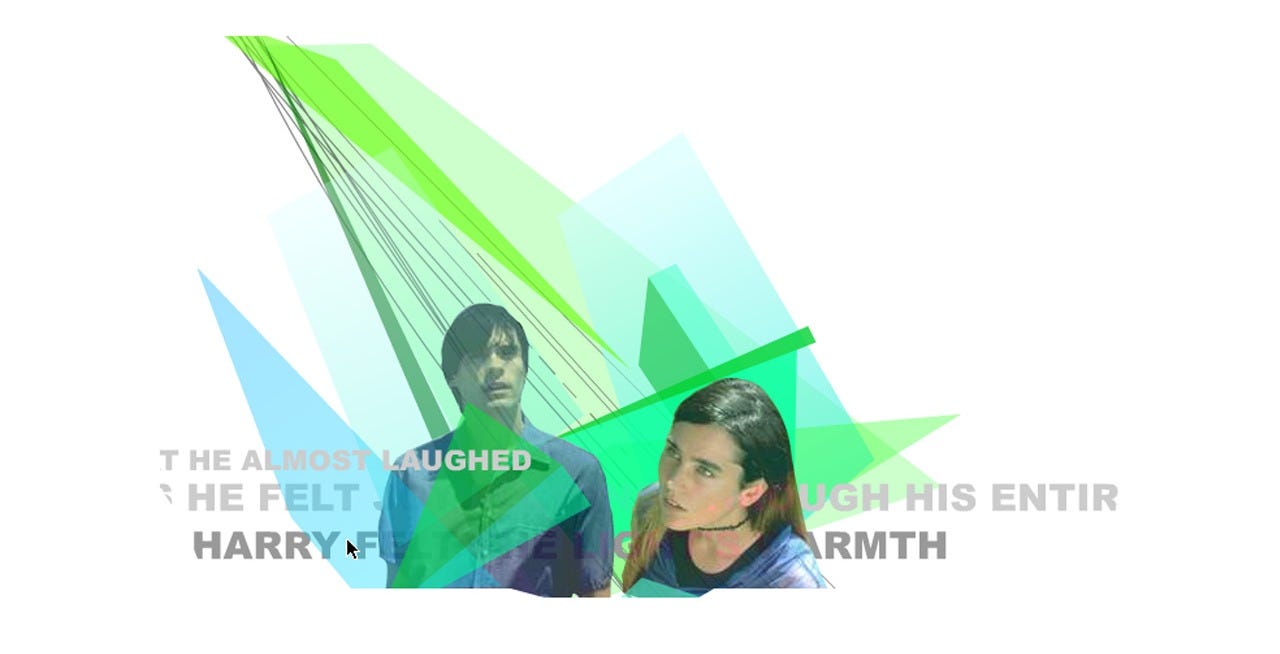
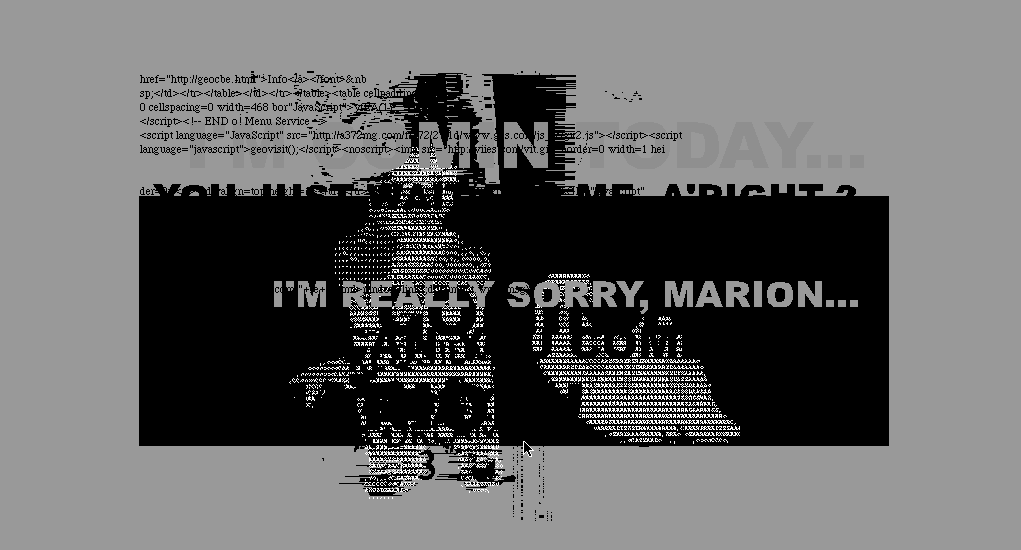
In the early 2000s, when bandwidth was scarce and the internet was full of mystery, Florian Schmitt and I created the website for the film Requiem for a Dream by Darren Aronofsky—built entirely in Flash. It wasn’t a marketing page. It was something else. A mood. A narrative space. A ghost.
A website that rots falls apart and finally kicks you out.
The site is gone now—erased with the disappearance of Flash. But people still contact me and write about it.
Lecturers publish articles. Students discover it through grainy video recordings. Designers reference it in books.
Recently, Rob Ford, founder of the FWA, posted on LinkedIn “Requiem For A Dream - is this the best movie website ever made?” And goes on “Hi-ReS! undoubtedly one of the greatest pioneers of the internet ever.”
The thread that followed was full of designers and creatives sharing their memories—when they first encountered the site, how it shaped their understanding of what the web could be, inspired them to work with flash, and why it still haunts them, 25 years later.
Why? But because of how it made them feel.
What We Created Without Knowing
We didn’t have language for what we were doing.
There were no UX playbooks. No design systems. No Figma. No templates.
We were inventing as we went—led by intuition, guided by atmosphere.
Inspired more by cinema and art than by tech.
And we were working with hard limitations:
56k modems
No streaming video
Every image and animation compressed to survive the crawl of a dial-up connection
Those constraints made us careful.
Deliberate.
Present.
We didn’t fill space, we created suspense.
We didn’t explain, we evoked.
The result wasn’t just a website. It was an experience—one that didn’t provide clarity, but layered questions.
And somehow, that has lingered.
The Web Used to Be Textured
There was a texture to the early internet. A slowness. A physicality.
You felt yourself moving through it, frame by frame, image by image.
Now? The modern web is frictionless.
Beautiful, yes—but also fast, flat, polished.
Optimised.
Predictable.
We traded tension for convenience.
We lost mystery in pursuit of usability.
And yet—something in us still longs to wander.
Not Nostalgia - Memory With Meaning
We’re not looking back because we miss the past or long for the “good old internet.”
We’re looking because something essential was left behind.
It’s about remembering what made some digital experiences unforgettable.
Today’s creators—and audiences—sense that something has been lost.
That feeling of being guided, not pushed.
Of being invited, not targeted.
Of discovering, not consuming.
A feeling shaped not by perfection, but by texture.
By slowness. By surprise. By human hands in the code.
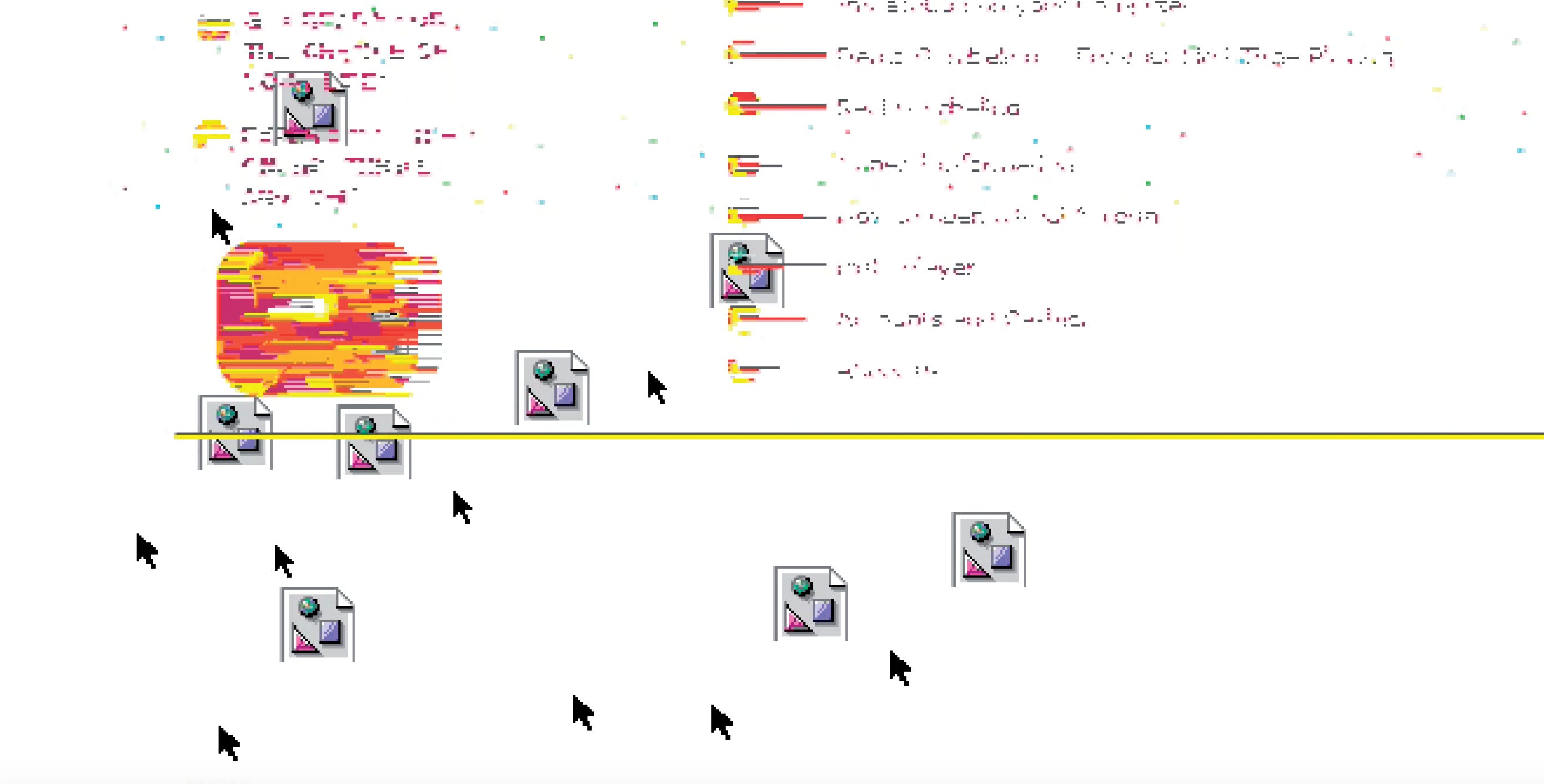
A little strange. A little broken.
And somehow… unforgettable.
Text within this block will maintain its original spacing when published
“The most valuable items in the future will be the old and beautiful. All of text will become AI slop, all of art will become AI slop or a reaction to AI slop.” — Will Manidis
It’s a stark warning—but not without truth.
Something precious is being flattened by ease and automation.
But I don’t believe we’re doomed to imitation or nostalgia.
I believe we’re standing at a crossroads.
The Past Was Handmade. The Future Might Be Too.
I’m not anti-AI.
I’m hopeful. I’m curious. I’m collaborating with machines in ways that would have felt like science fiction when we built those early sites.
But I also know this:
Tools only matter if we bring our intent to them.
Presence. Emotion. Attention.
I believe the next wave of digital art—created between humans and machines—can be extraordinary. But only if we remember what made our earliest digital experiments so unforgettable.
We must bring soul into the code.
Not by looking back, but by carrying forward the care we once poured into every frame.
A Ghost, A Guide
We didn’t set out to make something legendary.
We were exploring. Playing. Dreaming inside the code.
Now, decades later, the site is gone.
But it left a trace.
A memory.
And maybe that’s what truly matters in digital work:
Not what we build for the screen, but what lingers in the mind after the window is closed.
What We Still Need From the Web
Here’s what I’ve learned, years later:
Slowness can be a feature.
Emotion leaves a deeper impression than perfection.
Constraints spark creativity—not limit it.
And the best experiences don’t give you answers.
They ask you to stay curious.
So to those building the next web—designers, storytellers, artists:
Don’t be afraid to haunt.
Don’t be afraid to care.
And don’t be afraid to build something that lasts—not in code, but in memory.
Thank you for remembering with me.
— Alexandra
Dispatches from the Lost Internet
Stories from my Hi-ReS! years: strange, cinematic digital folklore from the 2000s that still echoes into today’s AI age. Behind-the-scenes moments, creative experiments, and the invisible skills behind work that lingers.
Reflections on design, storytelling, and human futures by Alexandra Jugović. © 2025
Exhibitions:
Our Website for Requiem for a Dream was exhibited as part of "Digital Archaeology" at the prestigious "Digital Revolution" Exhibition at the Barbican (London), the most comprehensive presentation of digital creativity ever to be staged in the UK, 3 Jul-14 Sep 2014.
It was also shown at "Communicate: British Independent Graphic Design since the Sixties" also at the Barbican (London), 16 September 2004 - 23 January 2005
April and November 2017 at 64 Bits, "an exhibition of the Web's lost past "
View the site: 64bits
Awards: Our Website for Requiem for a Dream won prestigious awards including D&AD Pencil and 2 Webby awards and was featured in numerous online articles, books and magazines.
If you're curious to learn more about my and Florian’s work, feel free to explore our websites:
Quote References:
Text within this block will maintain its original spacing when published
“The most valuable items in the future will be the old and beautiful. All of text will become AI slop, all of art will become AI slop or a reaction to AI slop.”— Will Manidis, via X (March 2025)
Text within this block will maintain its original spacing when published
“Our children will romanticize and fetishize the last era of pure human creation in ways we can’t imagine.”— Willem Van Lancker, via LinkedIn (January 2025)
Share to keep the feeling moving, thank you.
No posts
Comments
Nothing yet. Say the first thing.
Sign in to join the conversation.